


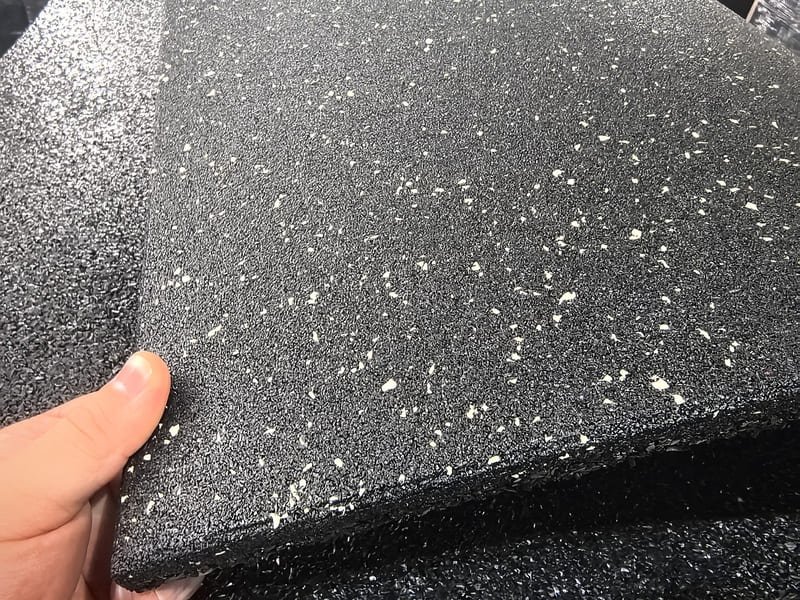
Le pavimentazioni per palestre commerciali devono soddisfare una classificazione antincendio di Classe I, definita dalla norma ASTM E648, con un flusso radiante critico di $\geq 0,45$ watt/cm². Inoltre, l'indice di sviluppo del fumo (SDI) deve essere generalmente inferiore a 450 secondo ASTM E662 per essere conforme all'International Building Code (IBC) e all'NFPA 101 Life Safety Code.
Contenuti nascondersiRisposta rapida: Requisiti antincendio delle palestre
- Palestre commerciali: Classe I (ASTM E648 $\geq 0,45$ W/cm²) + SDI < 450.
- Studi di Boutique: Classe I raccomandata (Classe II $\geq 0,22$ W/cm² minimo in alcune giurisdizioni).
- Palestre domestiche: ASTM D2859 (Pill Test) è lo standard di riferimento.
- Percorsi di uscita: La classe I è obbligatoria per i corridoi di ingresso e di uscita.
Come imprenditore che ha installato migliaia di metri quadrati di pavimenti in gomma, ho visto molti proprietari di palestre privilegiare l'estetica o il costo rispetto alla conformità alle norme edilizie. La scelta di una pavimentazione sbagliata rappresenta un'enorme responsabilità. Le classificazioni antincendio non sono solo "suggerimenti", ma sono requisiti di legge imposti dall'IBC e dai vigili del fuoco locali. In una struttura piena di attrezzature pesanti e ad alta occupazione, il pavimento è la superficie più grande. Se questa superficie funge da accelerante, rischiate di non superare l'ispezione prima ancora di aprire. Dico sempre ai miei clienti che un bel pavimento non vale nulla se i vigili del fuoco vi ordinano di demolirlo.
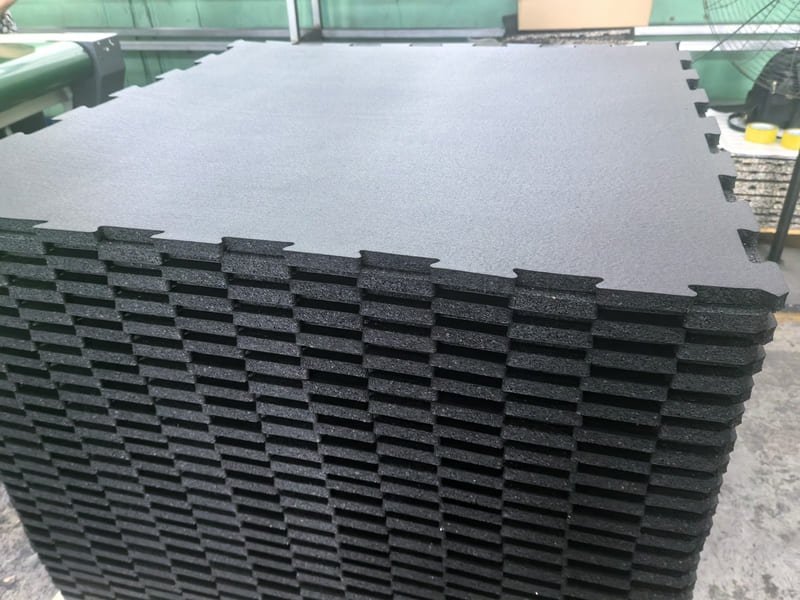
La sicurezza e l'estetica devono andare di pari passo con i parametri tecnici utilizzati per la valutazione. pavimentazione sportiva ad alte prestazioni in un ambiente fitness di successo. Vediamo perché queste valutazioni sono alla base dell'infrastruttura della vostra palestra.
Perché i codici edilizi come l'IBC e l'NFPA sono importanti per la vostra palestra?
L'International Building Code (IBC) e l'NFPA 101 stabiliscono che le finiture dei pavimenti nei corridoi di uscita delle palestre devono soddisfare gli standard di Classe I per garantire un'evacuazione sicura durante un incendio.
| Codice Autorità | Standard pertinente | Requisiti per le palestre |
|---|---|---|
| IBC (Capitolo 8) | ASTM E648 | Classe I per i corridoi di accesso alle uscite |
| NFPA 101 | Codice di sicurezza della vita | Obbligatorio Classe I o II in base all'occupazione |
| Codice antincendio locale | ASTM E662 | Indice di sviluppo del fumo (SDI) < 450 |
Nei miei anni di lavoro nei cantieri, ho notato che il dilemma "sicurezza contro estetica" spesso deriva da una scarsa conoscenza delle norme. La maggior parte delle palestre commerciali rientra nell'occupazione "Assembly" o "Business". Secondo l'IBC, se la pavimentazione si trova in un percorso di uscita, deve essere di Classe I. Una volta ho gestito un progetto in cui il cliente aveva acquistato tappeti riciclati non classificati per la sala pesi principale. L'autorità antincendio ha bloccato il certificato di occupazione perché i tappeti conducevano direttamente all'uscita di sicurezza. Abbiamo dovuto strappare 500 metri quadrati di gomma. Ecco perché insisto nel voler vedere il Flusso radiante critico e i valori Indice di sviluppo del fumo (SDI). Se l'SDI è superiore a 450, il fumo denso acceca gli occupanti che cercano di trovare le uscite.
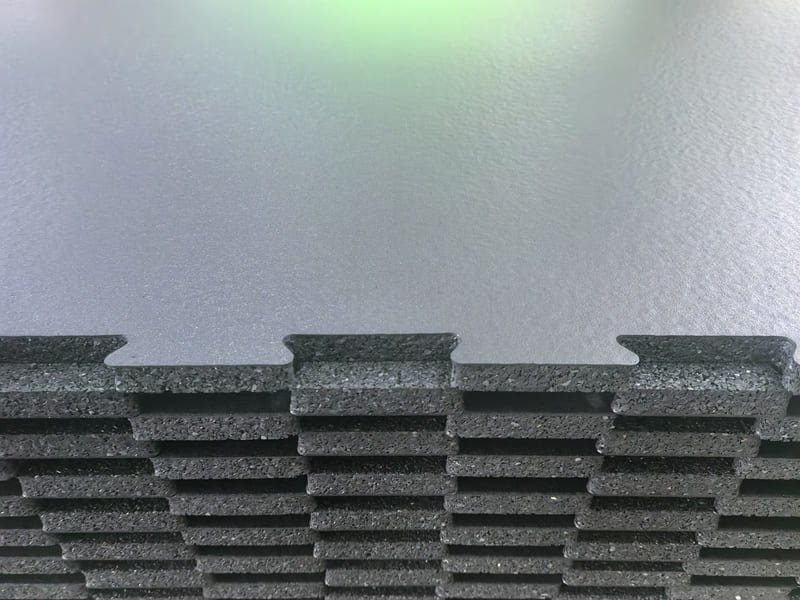
Seguire questi standard è l'unico modo per proteggere il vostro investimento e le persone all'interno dell'edificio.
Qual è la "zuppa alfabetica" delle classificazioni antincendio (ASTM E648 ed E662)?
Il gold standard del settore è ASTM E648, che misura la quantità di energia termica necessaria per diffondere una fiamma, mentre ASTM E662 limita la produzione di fumo tossico.
Scomposizione delle metriche delle prestazioni tecniche
Quando esaminiamo i rapporti di laboratorio, ci concentriamo su due numeri principali. Il primo è il flusso radiante critico (ASTM E648). Una classificazione di Classe I significa che il materiale richiede almeno $0,45$ watt/cm² per sostenere una fiamma. La Classe II richiede solo $0,22$ watt/cm². Il secondo è l'indice di sviluppo del fumo (SDI) ricavato dal test ASTM E662. Per la maggior parte delle finiture commerciali per interni, l'indice SDI deve essere inferiore a 450. Come appaltatore, ho visto gomma "resistente al fuoco" che supera il test di fiamma ma non quello del fumo. Questo accade spesso con la gomma SBR riciclata di bassa qualità che contiene un elevato contenuto di olio. Quando brucia, produce un "muro nero" di fumo. I progetti internazionali possono anche fare riferimento alla norma EN 13501-1 (Euroclass), ma per i progetti con sede negli Stati Uniti, gli standard ASTM sono quelli che la vostra compagnia di assicurazione chiederà di vedere.
| Standard di prova | Obiettivo | Metrica di passaggio (Classe I) |
|---|---|---|
| ASTM E648 | Diffusione della fiamma | $\geq 0,45$ W/cm² |
| ASTM E662 | Densità del fumo | $< 450$ SDI |
| ASTM D2859 | Accensione | "Pass" (si autoestingue) |
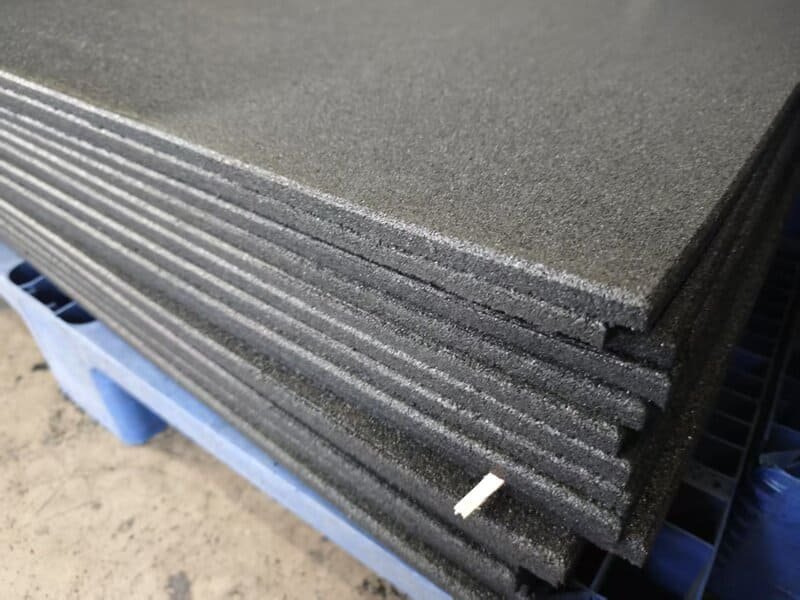
Molti pensano che qualsiasi tappetino di gomma sia sicuro, ma senza i risultati di questi test specifici, si sta facendo un grande azzardo.
Il materiale della pavimentazione influisce sulle prestazioni antincendio?
Le pavimentazioni in gomma di alta qualità utilizzano EPDM vergine e additivi ignifughi specializzati per soddisfare gli standard di Classe I, mentre la gomma riciclata standard è spesso priva di queste protezioni.
Ottimizzazione della scienza dei materiali e dell'ingegneria
I materiali sono alla base della sicurezza antincendio. L'SBR (gomma per pneumatici) riciclata standard è naturalmente infiammabile a causa dei prodotti petroliferi utilizzati nella produzione dei pneumatici. Per rendere questi tappeti conformi alla Classe I, dobbiamo integrare ritardanti di fiamma come il triidrato di allumina durante il processo di vulcanizzazione. Questo additivo rilascia vapore acqueo quando è esposto a calore elevato, che raffredda il materiale e rallenta la fiamma. Spesso raccomando strati superiori in EPDM vergine perché sono più stabili sotto stress termico. Un altro fattore è il "fattore colla". Ho visto un pavimento di Classe I fallire perché l'installatore ha usato un adesivo a base di solventi infiammabile e a basso costo. L'adesivo si è incendiato sotto le piastrelle, creando un "effetto camino" in corrispondenza delle giunture. Per questo motivo utilizzo sempre adesivi ad alto contenuto di solventi e a basso contenuto di COV che corrispondono alla classe di resistenza al fuoco del pavimento stesso.
| Tipo di materiale | Prestazioni antincendio | Il miglior caso d'uso |
|---|---|---|
| SBR trattato | Buono (con additivi) | Aree di sollevamento generali |
| EPDM vergine | Eccellente | Traffico intenso, alta visibilità |
| Piastrelle ad incastro | Variabile (controllare le cuciture) | Palestre domestiche / Piccoli studi |
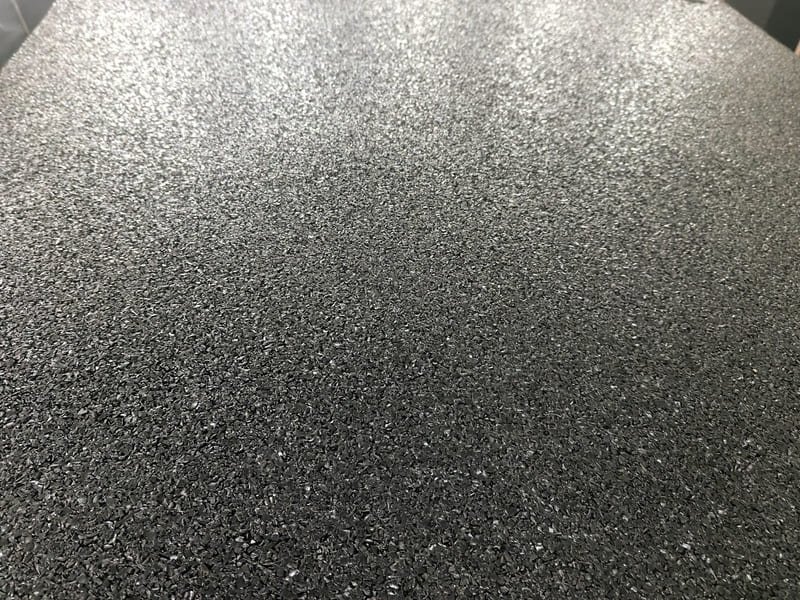
L'utilizzo dei materiali giusti risolve i problemi di progettazione prima che diventino rischi per la sicurezza o guasti alle ispezioni. Le prestazioni antincendio sono solo una parte della decisione, quindi i proprietari dovrebbero anche esaminare criteri di selezione più ampi quando scelgono i materiali. la migliore pavimentazione per palestra per la loro struttura.
Come evitare gli errori più comuni e verificare le valutazioni?
Richiedete sempre il rapporto di laboratorio completo di terzi e la scheda di sicurezza (SDS), assicurandovi che l'"anno di prova" sia aggiornato e corrisponda al prodotto venduto.
Lista di controllo dell'appaltatore per la verifica
L'errore più grande è la "trappola dell'importazione a basso costo". Vedo proprietari di palestre che acquistano gomma non certificata da mercati di massa per risparmiare 30%. Questi prodotti raramente hanno certificazioni ASTM E648 legittime. Quando richiedete un rapporto, controllate il timbro del laboratorio. Se il rapporto risale a più di 5 anni fa, potrebbe non riflettere gli attuali processi di produzione. Inoltre, controllate l'ID del prodotto. Il nome sul rapporto di laboratorio deve corrispondere esattamente al nome sulla fattura. Se c'è una discrepanza, è probabile che l'autorità antincendio lo respinga. Infine, controllate la vostra polizza assicurativa. Molti fornitori di servizi commerciali ora richiedono una prova di pavimentazione di Classe I per coprire le richieste di risarcimento per danni da incendio. Se non siete in grado di fornire un rapporto valido dopo un incendio, la vostra richiesta di risarcimento potrebbe essere negata.
| Documento necessario | Sezione chiave | Cosa cercare |
|---|---|---|
| Rapporto di laboratorio | Riepilogo del test | Flusso radiante critico $\geq 0,45$ |
| SDS | Sezione 5 | Mezzi di estinzione e infiammabilità |
| COA | Numero di lotto | Collegamento al ciclo di produzione specifico |
FAQ: Domande frequenti sulle classificazioni antincendio delle palestre
I pavimenti in gomma per palestre sono resistenti al fuoco?
La gomma standard non è naturalmente resistente al fuoco. Deve essere appositamente progettata con additivi ignifughi per soddisfare le norme edilizie come la ASTM E648.
I tappetini da ginnastica in gomma superano la norma ASTM E648?
Solo i tappeti commerciali di alta qualità sono sottoposti al test ASTM E648. La maggior parte dei tappetini "economici" supera solo il test ASTM D2859, che non è sufficiente per le vie di fuga commerciali.
Quale classificazione antincendio è richiesta per le palestre commerciali?
La maggior parte delle normative locali richiede una classificazione di Classe I ($\geq 0,45$ W/cm²) per i corridoi e le vie d'uscita, e almeno di Classe II per le aree di pavimento delle palestre.
I pavimenti in gomma riciclata sono conformi alla Classe I?
Sì, ma solo se il produttore include specifiche sostanze chimiche antincendio durante la produzione. Chiedere sempre il rapporto di laboratorio per conferma.
Conclusione
La sicurezza antincendio è una parte non negoziabile della progettazione di una palestra. La classe I (ASTM E648) è lo standard più sicuro.
Avete bisogno di una pavimentazione in gomma antincendio per il vostro progetto?
I nostri pavimenti in gomma certificati di Classe I soddisfano tutti i requisiti ASTM E648 e ASTM E662 e sono rigorosamente testati dai laboratori Intertek. Non rischiate la vostra autorizzazione o la vostra sicurezza con materiali non classificati.
Contattateci oggi stesso per ricevere le specifiche complete del prodotto, i rapporti di laboratorio e una consulenza professionale per la vostra struttura.