


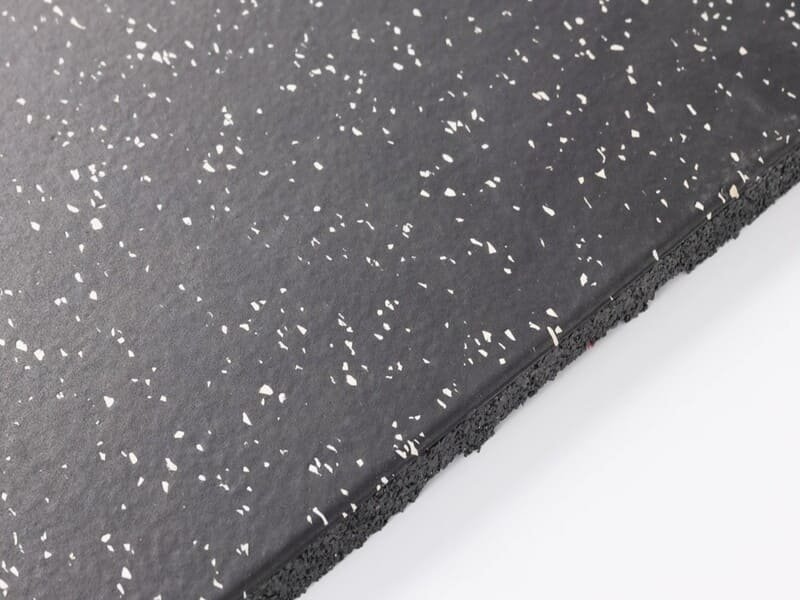
Per ridurre le cariche elettrostatiche sui pavimenti in gomma delle palestre, è necessario mantenere l'umidità 40-50%, utilizzare detergenti antistatici a pH neutro e assicurarsi che tutte le apparecchiature elettroniche siano correttamente collegate a terra. Queste azioni prevengono l'effetto triboelettrico, in cui l'attrito tra le scarpe e la gomma non conduttiva crea una carica elettrica accumulata che si scarica come una scossa dolorosa quando si tocca il metallo.Se la vostra struttura comprende anche zone per lo sprint o lo slittino, la gestione dell'attrito superficiale è altrettanto importante per prevenire lesioni cutanee come ustioni da attrito sul manto erboso della palestra.
In qualità di ingegnere specializzato in R&S di pavimentazioni polimeriche, ho visto come i fattori ambientali trasformino un tappetino di gomma di alta qualità in un condensatore ad alta tensione. La gomma è un eccellente isolante, cioè resiste al flusso di elettricità. Quando gli atleti si muovono sulla superficie, gli elettroni vengono sottratti da un materiale e depositati su un altro. In condizioni di asciutto, questi elettroni non hanno dove andare. Rimangono sulla superficie del pavimento o della persona fino a quando non viene toccato un percorso conduttivo, come una barra d'acciaio. Per risolvere questo problema, dobbiamo aumentare la conduttività superficiale della gomma o gestire l'umidità ambientale per consentire agli elettroni di disperdersi naturalmente nell'aria. La comprensione di questa scienza dei materiali è il primo passo verso un impianto privo di scosse.

La seguente guida fornisce una tabella di marcia tecnica per neutralizzare queste cariche utilizzando principi ingegneristici e abitudini di manutenzione professionali.
Perché i pavimenti in gomma delle palestre creano elettricità statica?
I pavimenti in gomma delle palestre creano elettricità statica perché sono isolanti ad alto attrito e non conduttivi che intrappolano gli elettroni durante il movimento, anche se molte strutture si affidano a loro anche per ridurre il trasferimento del suono tra i piani. Quando l'aria è secca (umidità inferiore a 40%), non c'è umidità che aiuti queste cariche a dissiparsi, con conseguente accumulo di alta tensione sulla superficie del pavimento e sulle attrezzature della palestra.
In laboratorio, misuriamo la resistività superficiale di diverse mescole di gomma. La gomma riciclata standard ha una resistenza molto elevata. Quando una persona cammina o corre, l'attrito (tribo-ricarica) genera migliaia di volt. Senza un "percorso di dispersione" verso il suolo, questa energia rimane immagazzinata. Questo problema è più comune in inverno, perché l'aria fredda trattiene pochissimo vapore acqueo. L'aria secca agisce come un isolante ancora migliore, impedendo all'elettricità statica di fuoriuscire nell'atmosfera. Ecco perché un pavimento che va bene in estate diventa una "trappola per scosse" a dicembre.
| Fattore | Impatto sulla statica | Ragione scientifica |
|---|---|---|
| Bassa umidità | Aumenta | L'aria diventa più resistiva |
| Attrito elevato | Aumenta | Vengono trasferiti più elettroni |
| Purezza della gomma | Variabile | Il contenuto di nerofumo influisce sulla conduttività |
Ora che abbiamo capito la causa, vediamo come fermare immediatamente gli shock.
Quali sono i modi rapidi per ridurre immediatamente la statica?
È possibile arrestare immediatamente le scariche elettrostatiche aumentando l'umidità relativa della stanza a 45% utilizzando un umidificatore o applicando uno spray antistatico temporaneo. Questi metodi forniscono l'umidità o gli ioni necessari per neutralizzare le cariche superficiali prima che possano scaricarsi su una persona.
La soluzione più rapida è il controllo ambientale. Se si porta l'umidità a 45%, i problemi di statica si ridurranno quasi istantaneamente di oltre 60%. Per una soluzione più diretta sul pavimento, si può usare una nebulizzazione fine di acqua mescolata con una piccola quantità di ammorbidente liquido. Le sostanze chimiche contenute nell'ammorbidente sono progettate per ridurre l'attrito e trattenere una piccola quantità di umidità sulla superficie del materiale. Tuttavia, come ingegnere, devo avvertirvi: non esagerate con l'applicazione. Un pavimento di gomma bagnato è un pericolo di scivolamento. Utilizzate uno spazzolone in microfibra per stendere uno strato sottile e uniforme che si asciughi rapidamente.
Mentre questi rimedi funzionano per un giorno o due, le strutture professionali richiedono strategie di manutenzione più durature.
Quali sono i metodi a lungo termine per prevenire l'elettricità statica sui pavimenti in gomma?
La prevenzione delle cariche elettrostatiche a lungo termine richiede un programma di pulizia costante con trattamenti antistatici specializzati e l'installazione di tappeti dissipativi per i punti caldi. Questi metodi si concentrano sulla modifica della natura chimica della superficie del pavimento per renderla più conduttiva nel tempo.
Per ottenere risultati a lungo termine, è consigliabile considerare gli "antistatici topici". Si tratta di liquidi di livello industriale che si legano ai pori della gomma. A differenza di uno spray temporaneo, questi trattamenti rimangono attivi per mesi. Funzionano assorbendo microscopiche quantità di umidità dall'aria per creare una "pelle" conduttiva sul pavimento. Inoltre, è fondamentale mantenere il pavimento libero dalla polvere. La polvere è un isolante; un pavimento polveroso genera più elettricità statica di uno pulito. Una regolare pulizia a umido con la soluzione giusta garantisce il corretto funzionamento delle proprietà naturali del pavimento o dei rivestimenti antistatici aggiunti.
| Metodo | Durata | Livello di sforzo |
|---|---|---|
| Rivestimento topico | 6 mesi | Medio |
| Mocio umido quotidiano | 24 ore | Alto |
| Controllo dell'umidità | Permanente | Basso (automatizzato) |
La parte più critica della cura a lungo termine è la scelta dei prodotti specifici da utilizzare sulla gomma.
Quali sono i migliori prodotti di pulizia per la pavimentazione in gomma delle palestre?
I prodotti migliori per ridurre l'elettricità statica sono i detergenti antistatici a pH neutro e le finiture per pavimenti di grado ESD (Electrostatic Discharge). È necessario evitare prodotti a base di olio, cera o "mop and shine", poiché lasciano un residuo isolante che trattiene l'elettricità statica.
Dal punto di vista della produzione, l'uso di un detergente sbagliato è la causa dei problemi di elettricità statica. Se si utilizza un sapone che lascia una pellicola, si sta essenzialmente laminando il pavimento con uno strato di plastica che trattiene una carica enorme. È necessario un detergente "senza pellicola". Cercate i prodotti etichettati come "detergenti conduttivi" o "lavaggio antistatico per pavimenti in gomma". Questi prodotti contengono tensioattivi che rimuovono lo sporco senza lasciare una barriera non conduttiva. Per le palestre commerciali ad alto traffico, l'applicazione di una finitura per pavimenti ESD dedicata fornisce uno strato conduttivo semipermanente che protegge la gomma ed elimina gli urti.
Tipi di prodotti consigliati
- Pulitore antistatico per pavimenti in gomma: Per la manutenzione quotidiana.
- Finitura del pavimento ESD: Per un rivestimento conduttivo a lungo termine.
- Spray topici igroscopici: Per i mesi invernali secchi.
Anche con un pavimento perfetto, l'attrezzatura da palestra può essere fonte di urti dolorosi.
In che modo le attrezzature da palestra causano le cariche elettrostatiche?
Le attrezzature da palestra, in particolare i tapis roulant, agiscono come un generatore di Van de Graaff in cui il nastro in movimento crea attrito contro la pedana, accumulando migliaia di volt. Se la macchina non è correttamente collegata a terra all'impianto elettrico dell'edificio, questa carica si riversa sul pavimento di gomma e sull'utente.
Quando mi occupo di progettazione di palestre, controllo sempre il "percorso a terra" della fila cardio. Il nastro di un tapis roulant è un enorme pezzo di materiale sintetico che si muove ad alta velocità. Questo genera elettricità statica costante. Se la macchina ha un filo di terra danneggiato o è collegata a una presa di corrente priva di messa a terra, l'elettricità statica non può andare da nessuna parte. Si accumula finché non si toccano i sensori di frequenza cardiaca o le guide laterali. Per risolvere questo problema, assicuratevi che ogni macchina motorizzata utilizzi una spina a tre poli in una presa collaudata e dotata di messa a terra. È anche possibile collegare una "catena di messa a terra" al telaio metallico della macchina in modo che tocchi il pavimento, dando all'elettricità una via di fuga.
Risoluzione dei problemi delle apparecchiature
- Testate le prese con un tester per l'interruzione del circuito di terra (GFCI).
- Lubrificare le cinghie del tapis roulant per ridurre l'attrito (utilizzare il silicone approvato dal produttore).
- Utilizzare "tappeti statico-dissipativi" specificamente sotto le macchine cardio.
Per le strutture molto grandi, potrebbe essere necessario andare oltre la semplice pulizia e messa a terra.
Quali sono le soluzioni antistatiche avanzate per le palestre commerciali?
Le soluzioni avanzate comprendono l'integrazione di umidificatori a vapore nel sistema HVAC e l'installazione di speciali piastrelle in gomma conduttiva con strisce di messa a terra in rame. Queste soluzioni di livello ingegneristico sono progettate per le strutture ad alto volume in cui la nebulizzazione manuale non è praticabile.
Nei centri di allenamento per atleti professionisti, spesso installiamo una "pavimentazione in gomma conduttiva". Questo materiale è prodotto con additivi al carbonio che rendono la gomma stessa conduttiva. Durante l'installazione, sotto le piastrelle stendiamo sottili nastri di rame che conducono a un punto di messa a terra dell'edificio. In questo modo si crea un percorso permanente e privo di manutenzione per l'uscita delle cariche elettrostatiche dalla stanza. Un'altra opzione avanzata è un "sistema di automazione dell'edificio" (BAS) che monitora l'umidità. Se i sensori rilevano che l'aria è troppo secca, il sistema HVAC aggiunge automaticamente umidità all'aria per evitare che il pavimento diventi un pericolo statico.
| Soluzione avanzata | Pubblico di riferimento | Costo |
|---|---|---|
| Piastrelle conduttive | Nuova costruzione | Alto |
| Integrazione HVAC | Palestre commerciali | Medio |
| Messa a terra in rame | Ristrutturazioni | Medio |
Prima di implementare questi cambiamenti, assicuratevi di non commettere questi errori comuni.
Quali sono gli errori più comuni nel trattamento dei pavimenti in gomma?
Gli errori più gravi sono l'uso di alte concentrazioni di aceto, che fa seccare la gomma, e l'uso di spray casalinghi "anti-cling" che rendono il pavimento scivoloso e pericoloso. Anche un'eccessiva irrigazione del pavimento è un rischio, poiché l'umidità intrappolata sotto le piastrelle di gomma può causare muffe e rovinare gli adesivi del sottofondo.
Spesso vedo proprietari di palestre che provano "rimedi casalinghi" che alla lunga costano di più. L'aceto è un acido; pur pulendo bene, può eliminare i plastificanti dalla gomma, rendendola fragile e soggetta a crepe. Un altro errore è l'uso eccessivo di prodotti chimici "antistatici". Questi prodotti chimici funzionano attirando l'umidità. Se si usa una quantità eccessiva, il pavimento risulterà "appiccicoso" o "unto" e di fatto attirerà più sporco dalle scarpe delle persone, facendo sembrare la palestra sporca. Seguite sempre i rapporti di diluizione indicati dal produttore per mantenere il pavimento sicuro e pulito.
Cosa non fare
- Non utilizzare mai la candeggina (distrugge il colore e la struttura della gomma).
- Non utilizzare mai prodotti "brillanti" a base di cera.
- Non bagnare mai il pavimento con un tubo, ma usare solo uno straccio umido.
Utilizzate questa lista di controllo per risolvere i vostri problemi statici in un ordine logico ed efficace.
Guida alla risoluzione dei problemi passo dopo passo
Seguire questo ordine: 1. Misurare l'umidità (puntare a 45%). 2. Pulire in profondità il pavimento con un detergente conduttivo a pH neutro per rimuovere la cera vecchia. 3. Controllare la messa a terra del tapis roulant. 4. Applicare una finitura professionale per pavimenti ESD se le scosse continuano.
La maggior parte delle persone prova prima la soluzione più costosa. Come ingegnere, suggerisco il contrario. Comprate un igrometro $10. Se l'aria ha un'umidità di 20%, questo è il vostro problema. Risolvete questo problema e potreste non aver bisogno di acquistare prodotti chimici speciali. Se l'aria è a posto, ma gli urti rimangono, allora controllate il vostro sapone. Se avete usato un detergente per pavimenti "da supermercato", probabilmente avete uno strato di cera isolante che deve essere rimosso. Questo processo graduale consente di risparmiare denaro e di mantenere il pavimento in garanzia.
- Controllo ambientale: L'umidità è compresa tra 40-50%?
- Controllo chimico: State utilizzando un detergente senza film e a pH neutro?
- Controllo meccanico: Tutte le apparecchiature elettroniche sono correttamente collegate a terra?
- Controllo della superficie: Il pavimento ha bisogno di un rivestimento antistatico dedicato?
Infine, ecco le domande più frequenti che ricevo dai proprietari di palestre riguardo alla statica.
FAQ
Perché il pavimento della mia palestra sconvolge le persone?
La gomma è un isolante. L'attrito prodotto dal camminare accumula elettroni sulla superficie. In assenza di umidità o di percorsi a terra, questa energia si scarica sulle persone quando queste toccano il metallo.
L'umidità riduce davvero l'elettricità statica?
Sì. L'aria umida è più conduttiva. Permette alle cariche elettrostatiche di "fuoriuscire" dal pavimento e di diffondersi continuamente nell'aria, in modo da non raggiungere mai una tensione sufficientemente alta da provocare una scossa.
Posso usare l'aceto per rimuovere l'elettricità statica?
No. Anche se può aiutare temporaneamente, l'aceto può seccare la gomma nel tempo, provocando crepe e danni permanenti alla superficie. Utilizzate invece un detergente antistatico a pH neutro.
Gli spray antistatici funzionano sui pavimenti in gomma?
Sì, ma sono una soluzione temporanea. Di solito durano da pochi giorni a una settimana. Per una soluzione a lungo termine, cercate una finitura per pavimenti ESD o un controllo dell'umidità integrato.
Quale livello di umidità impedisce l'elettricità statica?
Un livello di umidità relativa (RH) compreso tra 40% e 50% è la "zona goldilocks" per le palestre. È abbastanza alto da bloccare la statica, ma abbastanza basso da rimanere confortevole per gli esercizi pesanti.
Conclusione
Controllare l'umidità e utilizzare detergenti conduttivi per bloccare definitivamente le scariche elettrostatiche.