


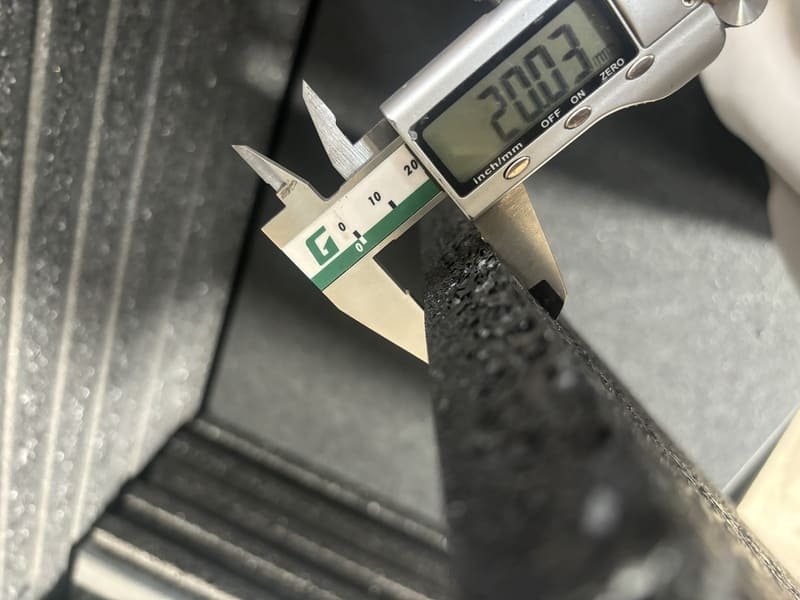
Lo spessore ideale della pavimentazione in gomma dipende dalla specifica attività di allenamento, che va da 6 mm per lo yoga leggero a 25 mm per il sollevamento olimpico pesante. La scelta dello spessore giusto garantisce la protezione del sottofondo, la riduzione del rumore e la sicurezza delle articolazioni, ottimizzando al contempo il budget del progetto e la fattibilità dell'installazione.
La scelta dello spessore corretto è una decisione tecnica che bilancia la densità del materiale con la protezione meccanica. In qualità di direttore tecnico, vedo spesso i clienti commettere l'errore di acquistare il tappetino più spesso disponibile, pensando che offra la migliore protezione. Ma lo spessore senza densità è inutile. Ad esempio, un tappetino in schiuma morbida e spessa si affloscia sotto un pesante rack per squat, mentre un tappetino in gomma ad alta densità da 10 mm mantiene la sua integrità strutturale. È necessario considerare la durezza Shore A della gomma e la forza specifica dell'impatto. Se si lascia cadere un bilanciere di 100 kg, l'energia attraversa la gomma e colpisce il sottofondo. Il mio obiettivo è quello di aiutarvi a scegliere uno spessore che dissipi questa energia prima che raggiunga la base in cemento o in legno. In questo modo si evitano costosi danni strutturali e si riducono le vibrazioni acustiche che disturbano i vicini o gli altri membri della palestra.
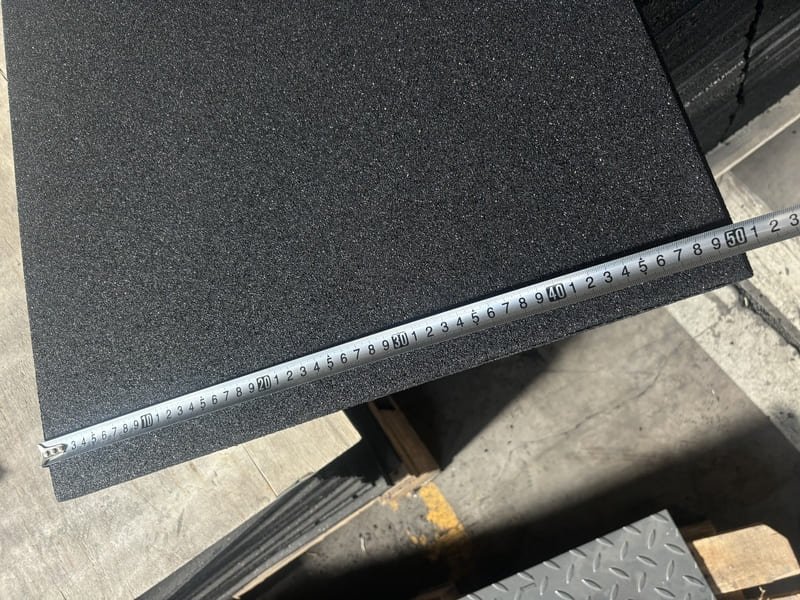
Ho trascorso anni a testare come le diverse mescole di gomma reagiscono ai vari carichi. Identificando Quale spessore di pavimentazione per palestra è effettivamente necessario per ogni zona, questa guida vi aiuterà a capire l'ingegneria che sta alla base di queste scelte.
Una tabella di riferimento rapido può aiutare a scegliere lo spessore giusto?
Sì, una matrice decisionale semplifica il processo di selezione, abbinando il vostro stile di allenamento alle prestazioni tecniche della gomma. Di seguito è riportata una suddivisione degli spessori consigliati in base ai livelli di impatto e ai tipi di attrezzatura, per garantire le migliori prestazioni per il vostro ambiente specifico.
Quando progettiamo sistemi di pavimentazione in gomma, li classifichiamo in base alla loro capacità di gestire "carichi puntuali" e "carichi d'impatto". Un carico puntuale è un tapis roulant pesante seduto in un punto, mentre un carico d'impatto è un manubrio che cade. La tabella seguente riflette la mia esperienza sulla resistenza dei diversi spessori per migliaia di cicli in ambienti commerciali e domestici.
Matrice decisionale per i pavimenti in gomma
| Tipo di formazione | Spessore consigliato | Valutazione dell'impatto | Miglior formato |
|---|---|---|---|
| Yoga / Stretching | 6 mm (1/4") | Basso | Rotoli |
| Cardio generale | 8 mm (5/16") | Moderato | Rotoli / Piastrelle |
| La forza della casa | 10 mm - 12 mm | Alto | Piastrelle ad incastro |
| Sollevamento olimpico | 20 mm - 25 mm | Estremo | Piastrelle per impieghi gravosi |
| CrossFit / Box | 15 mm - 20 mm | Molto alto | Piastrelle laminate |
Dico sempre al mio team di ingegneri che il "formato migliore" è importante quanto lo spessore. Ad esempio, se si dispone di un'ampia area aperta, i rotoli offrono un aspetto senza soluzione di continuità che impedisce al liquido di infiltrarsi nel sottofondo. Tuttavia, per le aree soggette a forte sollevamento, è meglio utilizzare piastrelle da 25 mm, perché è possibile sostituire facilmente una singola piastrella se si usura a causa di un uso eccessivo.
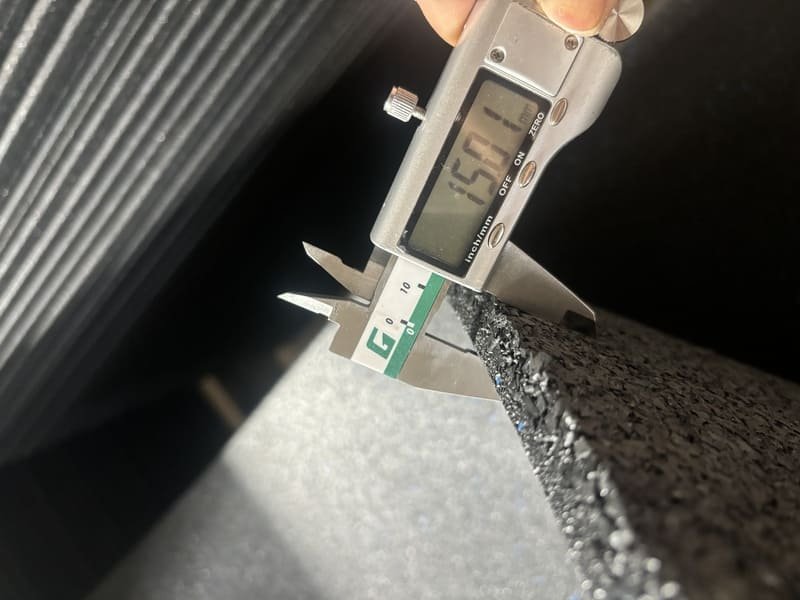
La scelta della categoria giusta da questa tabella è solo l'inizio. È necessario esaminare il motivo per cui queste misure specifiche funzionano per le diverse attività.
Perché 8 mm è considerato lo standard per gli impatti leggeri e le palestre domestiche?
La gomma da 8 mm è il "punto di forza" del settore, perché offre una densità sufficiente a proteggere i pavimenti dalle attrezzature cardio e dai manubri leggeri, pur rimanendo abbastanza leggera per una facile installazione. Offre un equilibrio tra economicità e durata che soddisfa le esigenze della maggior parte degli appassionati di home fitness.
Nel mondo della produzione, siamo passati da 3/8 di pollice a 8 mm come standard per motivi di efficienza logistica e di prestazioni. Un rotolo di gomma riciclata ad alta densità da 8 mm offre una trazione eccellente e impedisce la "migrazione del tappetino" durante l'allenamento a intervalli ad alta intensità. Se si utilizzano spin bike o tapis roulant, lo spessore di 8 mm è sufficiente a smorzare le vibrazioni del motore e a evitare che la macchina sfreghi il pavimento. Suggerisco spesso uno spessore di 8 mm per gli studi di yoga o di cheerleader, perché offre una superficie solida e stabile che non "sprofonda", fondamentale per l'equilibrio e per evitare il rotolamento delle caviglie. Mentre 6 mm vanno bene per la protezione di base del pavimento, 8 mm aggiungono un ulteriore livello di sicurezza quando si passa dagli esercizi di bodyweight all'uso di kettlebell leggeri. È lo spessore più versatile che produciamo e si adatta alla più ampia gamma di applicazioni residenziali senza richiedere l'intervento di installatori professionisti.
Specifiche tecniche di Light Impact
- Livello di trazione: Alto
- Cuscinetti per le articolazioni: Moderato
- Il miglior sottofondo: Calcestruzzo o compensato
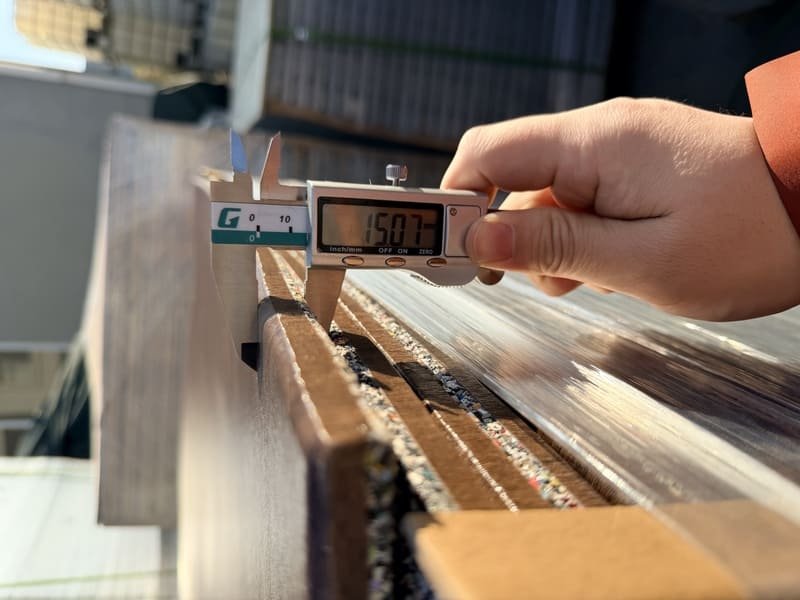
Se avete intenzione di andare oltre i pesi leggeri, dovete considerare il salto a uno spessore a due cifre.
In che modo la gomma da 12 mm protegge il pavimento durante l'allenamento della forza?
La pavimentazione in gomma da 12 mm è progettata per gli allenamenti di forza moderati in cui si utilizzano manubri fino a 50 libbre. Questo spessore aggiunge un cuscinetto necessario che impedisce alla gomma di comprimersi completamente sotto carico, garantendo che l'energia di un peso caduto venga assorbita dal tappetino e non dal sottofondo.
Quando si iniziano a usare i pesi di ferro, la fisica del pavimento deve cambiare. Un manubrio da 50 libbre lasciato cadere dall'altezza della vita genera una forza significativa. Nei miei test, i tappetini da 8 mm a volte permettono a questa forza di "telegrafare" attraverso il calcestruzzo, il che può causare crepe nel tempo. 12 mm (o 1/2 pollice) forniscono un margine di sicurezza. Progettiamo questi tappetini con un rapporto specifico tra legante e granuli per garantire che rimangano resilienti. Questo spessore è eccellente anche per le aree di allenamento funzionale in cui gli atleti eseguono burpees o mountain climbers, in quanto offre un migliore sollievo alle articolazioni. Da un punto di vista tecnico, 12 mm è la soglia in cui si nota un salto enorme nell'isolamento acustico. Se state costruendo una palestra in una stanza al piano superiore, 12 mm è il minimo che vi consiglio per mantenere bassi i livelli di rumore.
Dati sulle prestazioni dell'allenamento della forza
| Caratteristica | Prestazioni da 8 mm | Prestazioni da 12 mm |
|---|---|---|
| Peso massimo dei manubri | 30 libbre | 75 libbre |
| Riduzione del suono | 15 dB | 22 dB |
| Resilienza | Buono | Eccellente |
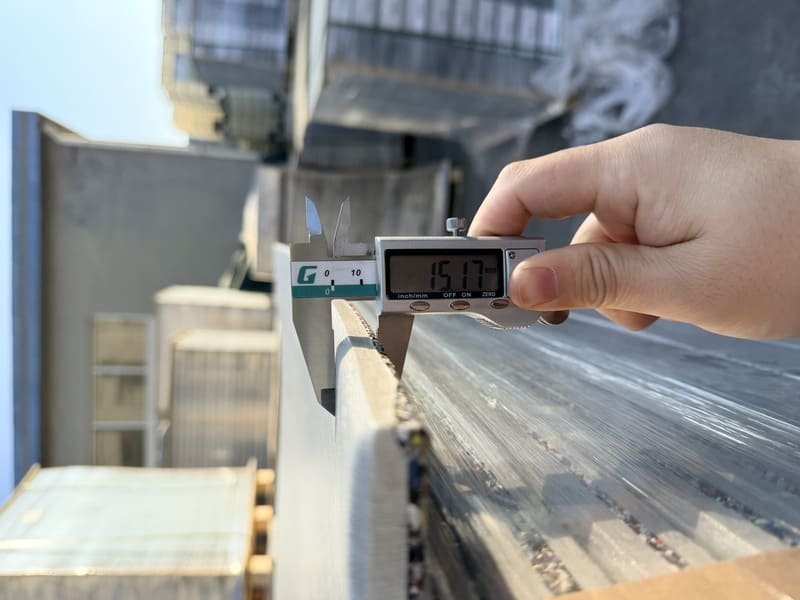
Per chi solleva carichi ancora più pesanti, gli spessori standard non sono più sufficienti a garantire la sicurezza.
Perché il sollevamento olimpico e il CrossFit richiedono uno spessore di 25 mm?
Il sollevamento olimpico e il CrossFit richiedono uno spessore di 25 mm (1 pollice) per gestire l'impatto estremo di cadute di bilancieri da oltre 500 libbre. Questo spessore consente di realizzare speciali "tasche d'aria" o "piedistalli" sul lato inferiore che massimizzano l'assorbimento degli urti e proteggono sia l'attrezzatura che il sottofondo strutturale da eventuali danni.
Quando un pesante bilanciere viene lasciato cadere dall'alto, il pavimento deve assorbire un enorme picco di energia in pochi millisecondi. Abbiamo progettato le nostre piastrelle "Max" da 1 pollice con uno strato superiore vulcanizzato per garantire la durata e una base più morbida che assorbe gli urti. Questo approccio a "doppia densità" è l'unico modo per gestire sollevamenti di livello olimpico. Se si usa un tappetino sottile, il bilanciere rimbalza pericolosamente o, peggio, il metallo manda in frantumi il cemento sottostante. Ho lavorato a progetti in cui l'uso della pavimentazione sbagliata ha comportato migliaia di dollari di riparazioni del sottofondo. Le piastrelle da 25 mm sono spesso dotate di un fondo "waffle" o "piedistallo" che consente alla gomma di flettersi e intrappolare l'aria, agendo come un ammortizzatore in un'automobile. Non si tratta solo di protezione, ma di "ritorno di energia". Un buon pavimento aiuta a rimanere stabili durante uno squat pesante e assorbe la violenza di un sollevamento fallito.
Requisiti per il sollevamento di carichi pesanti
- Capacità di forza d'impatto: 500 libbre+
- Isolamento acustico: Massimo
- Caratteristiche di sicurezza: Proprietà antirimbalzo per evitare il rimbalzo del bilanciere.
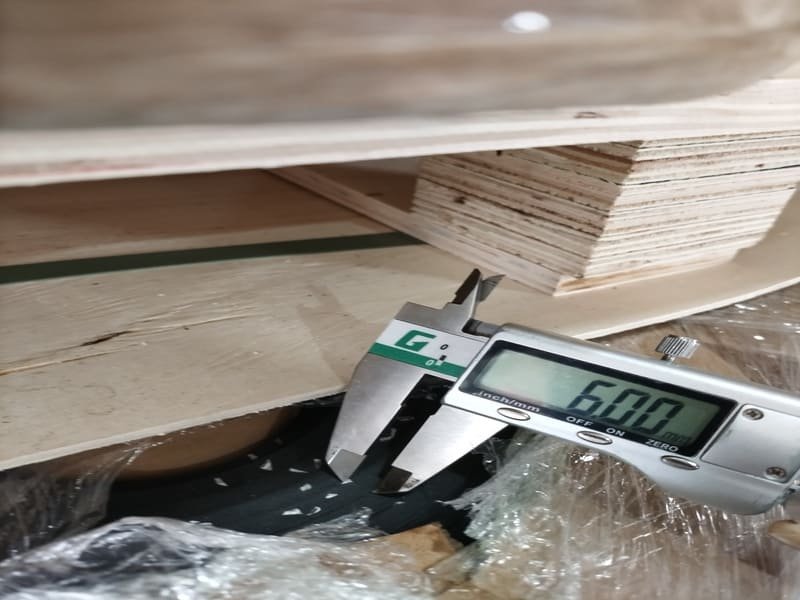
Lo spessore è il fattore più visibile, ma ci sono elementi tecnici nascosti che possono fare la differenza.
Quali fattori, oltre allo spessore, influiscono sulle prestazioni del pavimento?
La densità, il materiale del sottofondo e i livelli di VOC sono fondamentali quanto lo spessore per il successo di un pavimento da palestra. Un tappetino ad alta densità da 8 mm spesso supera un tappetino a bassa densità da 12 mm, e la composizione chimica determina se la vostra palestra avrà un odore di gomma tossica o aria pulita.
Dico sempre ai miei clienti di considerare il peso del tappetino, non solo l'altezza. Un tappetino pesante significa più gomma e meno aria, il che spiega Perché i pavimenti in gomma dello stesso spessore hanno una sensazione diversa? e fornisce una migliore protezione. Inoltre, è necessario considerare cosa c'è sotto. Se la gomma viene posata su un tappeto morbido, il pavimento risulterà "molliccio" e instabile, il che è pericoloso per le caviglie. Se si tratta di legno duro, è necessario uno spessore che impedisca alla gomma di "sanguinare" gli oli nel legno. Infine, dobbiamo parlare dei VOC (Composti Organici Volatili). Molti tappeti di gomma importati a basso costo utilizzano leganti di bassa qualità che puzzano di pneumatici bruciati per mesi. Nella nostra fabbrica utilizziamo leganti MDI di alta qualità che sono praticamente inodori. Si tratta di un problema di salute, soprattutto nelle piccole palestre domestiche con scarsa ventilazione. Prima dell'acquisto, è sempre opportuno richiedere una relazione di laboratorio sulle emissioni di COV.
Lista di controllo tecnica per la qualità
- Durezza Shore A: Dovrebbe essere compreso tra 60 e 70 per l'uso in palestra.
- Tipo di raccoglitore: Cercare leganti MDI (poliuretano).
- Densità: Minimo 900 kg/m³ per le aree ad alto traffico.
La parte finale della decisione riguarda il modo in cui la gomma viene effettivamente modellata e installata nello spazio.
È meglio scegliere piastrelle ad incastro o rotoli senza giunture?
Le piastrelle a incastro sono ideali per i piccoli progetti fai-da-te, perché sono facili da maneggiare e non richiedono colla. I rotoli senza giunture sono invece ideali per i grandi spazi commerciali, in quanto garantiscono una finitura igienica e professionale, con un numero ridotto di giunture in cui possono accumularsi sporco e umidità.
Dal punto di vista della produzione, i rotoli sono tagliati da grandi cilindri di gomma compressa. Sono perfetti per le lunghe tirature. Se avete una struttura di 1.000 metri quadrati, i rotoli sono più veloci da installare e hanno un aspetto molto più pulito. Tuttavia, se si tratta di una camera da letto 10×10, i rotoli sono pesanti e difficili da tagliare. È qui che le piastrelle ad incastro brillano. Tagliamo con precisione le nostre piastrelle "puzzle" utilizzando la tecnologia a getto d'acqua, in modo che le giunture siano quasi invisibili. Un problema tecnico comune delle piastrelle è la "rottura della linguetta" se la gomma è troppo sottile. Per questo motivo, di solito raccomando almeno 8 mm per i disegni a incastro. Se vi trovate in un ambiente umido o in un'area che richiede una pulizia costante, i rotoli sono migliori perché potete sigillare le giunture per evitare che l'acqua penetri nel pavimento e causi muffa.
Tabella di confronto dei formati
| Caratteristica | Piastrelle ad incastro | Rotoli di gomma |
|---|---|---|
| Facilità di installazione | Molto facile (fai da te) | Professionista necessario |
| Visibilità delle cuciture | Visibile | Minimo |
| Portabilità | Alto | Basso |
| Il miglior caso d'uso | Palestra domestica / Garage | Commerciale / CrossFit |
Prima di effettuare l'acquisto definitivo, ci sono alcuni aspetti logistici pratici che spesso vengono trascurati dai principianti.
Quali sono i passi critici da compiere prima di acquistare un pavimento?
Prima di acquistare una pavimentazione spessa, misurate sempre lo spazio per la porta e prevedete delle strisce di transizione. Un tappetino da 1 pollice bloccherà la maggior parte delle porte standard e creerà un rischio di inciampo se non si installano bordi smussati per passare al pavimento circostante.
Questo è il reclamo più comune "dopo l'acquisto" che gestisco. Un cliente acquista delle belle piastrelle da 20 mm e poi si accorge che la porta della palestra non si apre. È necessario misurare lo spazio tra il pavimento e la parte inferiore della porta. Pensate anche alla sicurezza. Se il tappetino della palestra è più alto di un centimetro rispetto al corridoio, le persone inciamperanno. Per questo motivo produciamo dei "riduttori" o "bordi di rampa". Un altro consiglio tecnico: lasciate che la gomma si acclimati. La gomma si espande e si contrae con la temperatura. Suggerisco di lasciare i tappeti nella stanza per 24-48 ore prima di incollarli o bloccarli. In questo modo si evita che le giunture si aprano in seguito. Infine, decidete il tipo di adesivo. Per le palestre domestiche, il nastro biadesivo è spesso sufficiente, ma per gli spazi commerciali in cui si esercitano pesanti trazioni di slitte, l'incollaggio completo è l'unico modo per garantire la tenuta del pavimento.
Lista di controllo pre-installazione
- Misurare la distanza tra la porta e il pavimento.
- Controllare la planarità del sottofondo (scostamento massimo di 3 mm).
- Ordinare il materiale extra 5-10% per tagli e scarti.
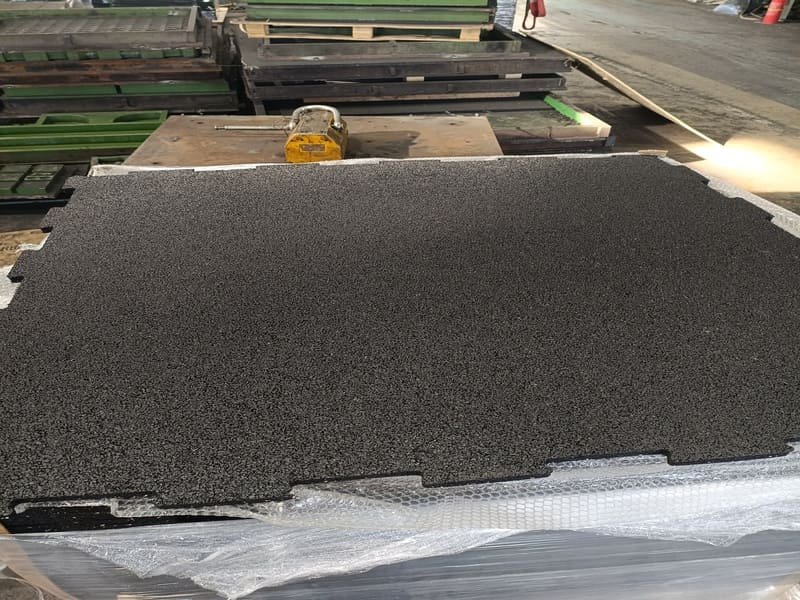
Conclusione
Scegliete 8 mm per il cardio, 12 mm per i pesi e 25 mm per il sollevamento di carichi pesanti per garantire la sicurezza e la durata del pavimento.
Supporto esperto per il vostro progetto
La scelta delle giuste specifiche tecniche per la vostra pavimentazione può essere complessa. Se avete bisogno di un'analisi personalizzata dei carichi o volete toccare con mano la qualità della nostra gomma ad alta densità, il mio team è qui per aiutarvi.