


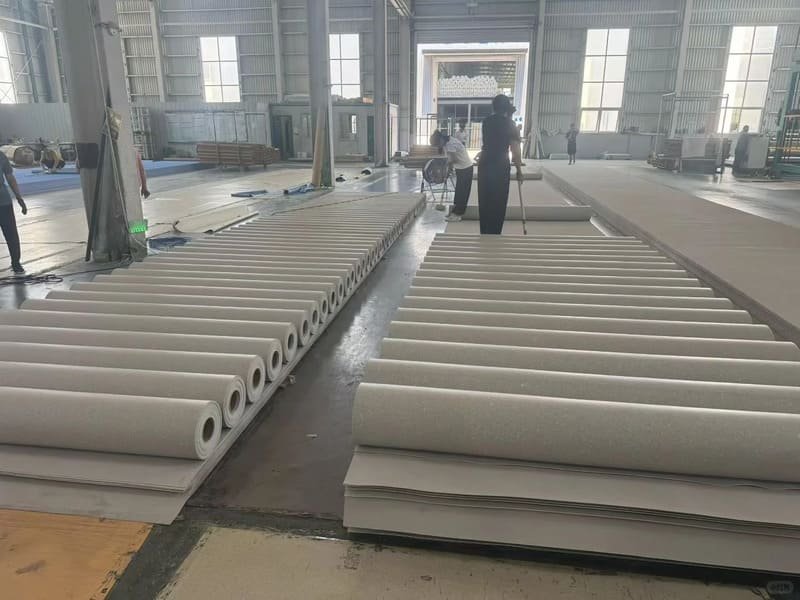
A sticky vinyl floor after mopping is most commonly caused by leftover cleaning residue, wrong product choice, or incomplete rinsing. The tacky feel usually comes from dissolved cleaner solids left on the surface, not dirt.
I have spent years working on the quality control side of vinyl flooring manufacturing, and this is one of the most common complaints I hear from installers and homeowners alike. You mop, the floor looks clean, and then twenty minutes later your socks are sticking to it. It is frustrating because it feels like the cleaning made things worse instead of better. In most cases, the wear layer itself is fine. What you are feeling is a thin film of detergent, wax, or soap that never got fully removed. Sometimes it is diluted incorrectly, sometimes the mop water was already dirty, and sometimes the wrong product was used in the first place. Vinyl wear layers are relatively non-absorbent, but chemical resistance and recommended care methods vary by manufacturer and product line, so what works safely on one vinyl floor may not be approved for another.
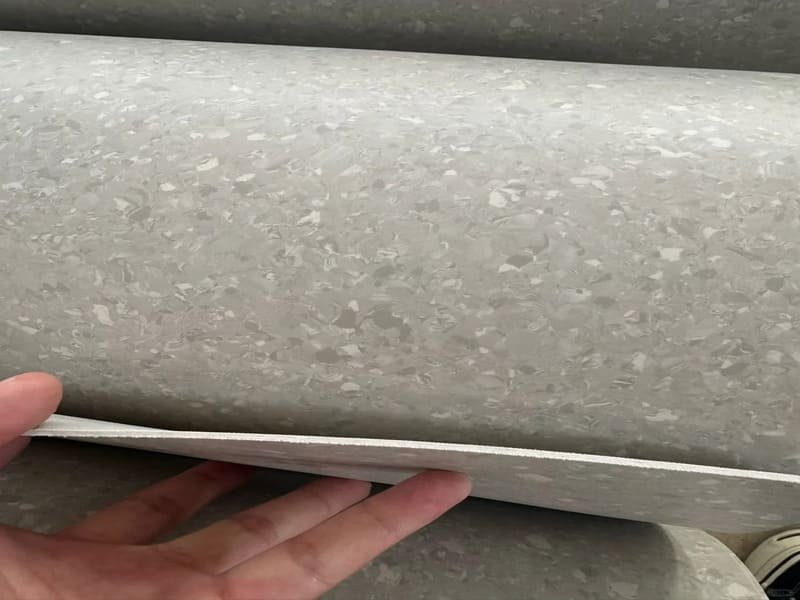
In this guide, I will walk you through how to identify what is actually causing the stickiness, the root causes behind it, how to remove the film safely, and how to prevent it from coming back. As with any flooring, always check your manufacturer’s specific maintenance guide before applying any of the general methods below.
How Can I Tell What Is Causing the Stickiness?
The pattern of the stickiness usually points directly to the cause, whether it covers the whole floor, follows mop strokes, or appears only in isolated spots.
| What You Notice | Penyebab yang Paling Mungkin |
|---|---|
| Entire floor becomes sticky after mopping | Too much cleaner or cleaner residue |
| Stickiness is worse where mop strokes overlap | Excess cleaning solution |
| Only a few isolated spots are sticky | Food, oil, a spill, or another contaminant |
| New glue-down floor is sticky near seams | Adhesive residue or squeeze-out |
| Floor stays sticky after repeated clean-water rinsing | Incompatible product, old finish buildup, or surface damage |
Once you know which pattern matches your floor, the sections below will help you understand why it happens and how to fix it.
What Causes Vinyl Flooring to Feel Sticky After Mopping?
Sticky vinyl is most often caused by cleaner residue not being fully removed, an incompatible cleaning product, dirty mop water, poor drying, or in rare cases a reaction with the floor’s finish or an adhesive issue.
| Karena | Apa yang Terjadi | Seberapa Umum |
|---|---|---|
| Cleaner residue not fully removed | Excess or improperly diluted cleaner dries on the surface | Sangat umum |
| Incompatible product (oil-based, unapproved wax) | Leaves a film not designed for the vinyl’s finish | Umum |
| Dirty mop water | Re-deposits soil and soap instead of lifting it | Umum |
| Inadequate drying / humidity | Extends the time residue stays wet and tacky | Kadang-kadang |
| Chemical reaction / adhesive residue | Finish degradation or leftover installation adhesive | Langka |
From a manufacturing standpoint, vinyl wear layers are engineered to be relatively non-porous, but that same surface is exactly why residue tends to sit on top instead of soaking in. If cleaning solution is not fully removed, evaporation leaves dissolved cleaner solids and surfactants behind on the surface. That residual film is what feels tacky, and it also attracts additional dust and soil over time. Over-dosing cleaning concentrate is one of the most common causes, and residue can also remain when a cleaner that requires rinsing is not properly removed. Dirty mop water compounds the problem because instead of lifting soil away, you are redistributing dissolved soap and grime across the floor in a thinner, harder to see layer. High humidity or poor ventilation extends how long that residue stays wet, giving it more time to pick up foot traffic soil and feel worse over the following days.
This is not necessarily a flaw in the vinyl itself. In most cases it is a cleaning process issue, and that is good news because it is within your control to fix and prevent.
How Do I Remove the Sticky Film From My Vinyl Floor?
The safest general approach is a thorough clean-water rinse with a microfiber mop, followed by a manufacturer-approved neutral-pH vinyl cleaner if residue remains.
Method 1: Clean Water Rinse (Start Here)
Damp mop the floor using clean, lukewarm water only, changing the water as soon as it looks cloudy. This alone resolves a large share of sticky floor cases, since it removes dissolved soap and detergent without introducing any new chemicals.
Method 2: Manufacturer-Approved Neutral-pH Cleaner
If a plain water rinse does not fully clear the residue, use a neutral-pH cleaner specifically approved for your vinyl flooring, following its dilution instructions exactly. Avoid vinegar or other acidic cleaners unless your flooring manufacturer specifically permits them; several major manufacturers explicitly advise against vinegar-based cleaning because acidity can dull or discolor certain vinyl finishes over time.
Method 3: Spot Treatment for Adhesive Residue or Isolated Stains
For adhesive residue, sap, or isolated sticky spots, use the stain-removal or adhesive-removal method specified by the flooring manufacturer. Avoid experimenting with strong solvents or household cleaners, and always test any approved spot treatment in an inconspicuous area first.
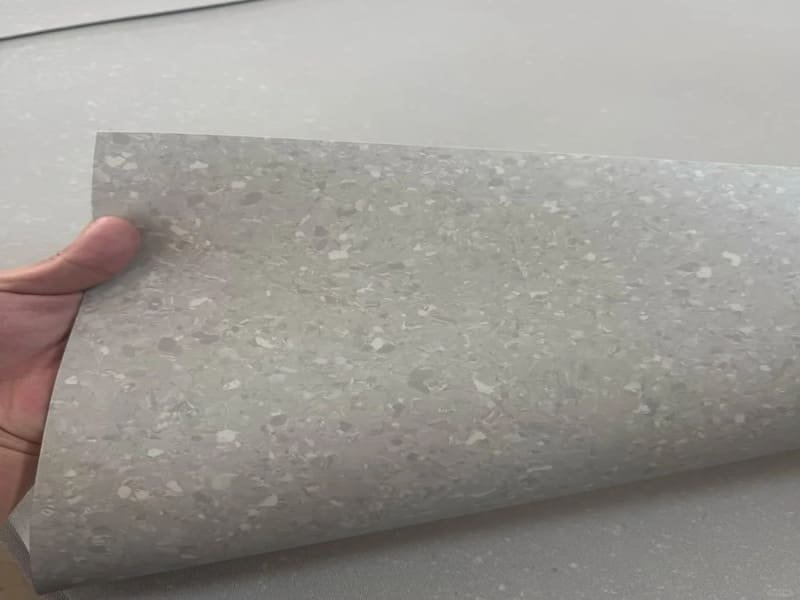
The drying step matters more than most people realize. Proper rinsing removes dissolved residue, and thorough drying prevents the floor from staying tacky while any remaining moisture evaporates. Use a dry microfiber towel or improve air circulation with a fan to speed this up.
Once your floor is clean and dry again, the next question is usually what to avoid so this does not happen again.
What Cleaning Products Should I Avoid on Vinyl Flooring?
Avoid generic waxes, mop-and-shine products, oil-based cleaners, abrasive powders, undiluted bleach or ammonia, and unapproved steam mops, since these can either build up film or damage the wear layer.
Avoid generic waxes, mop-and-shine products, and non-approved floor finishes on vinyl. Some vinyl flooring systems do allow manufacturer-approved polish or restorative coatings designed specifically for that product line, so always check the product-specific maintenance guide rather than assuming a general-purpose wax or shine product is safe. Oil-based cleaners and abrasive powders create similar issues; the oil can leave a non-drying residue, and abrasive powders can scratch the protective wear layer, giving future dirt and grime more surface texture to cling to. Undiluted bleach and ammonia are aggressive enough to cause discoloration and break down certain protective finishes over time, which can shorten the lifespan of the flooring and may affect manufacturer warranties.
Steam mops deserve a specific caution. Do not use a steam mop unless the flooring manufacturer specifically confirms that the product is steam-mop approved. Many manufacturers caution that high heat can soften glue-down adhesives or affect seams and edges, though some rigid and SPC vinyl product lines are explicitly rated as steam-mop safe. Check your specific product documentation before deciding either way.
Knowing what to approach carefully is half the battle. The other half is building a routine that prevents residue from forming in the first place.
How Do I Prevent Sticky Residue From Coming Back?
Use the two-bucket mopping method, choose microfiber mops, dilute cleaning concentrate carefully, and keep up with regular dry maintenance based on your floor’s traffic level.
The two-bucket method is one of the simplest habits that makes a measurable difference: one bucket holds your clean cleaning solution, and the second bucket is used to rinse the mop before you re-dip it into the clean solution. This keeps you from constantly reintroducing dirty water onto the floor. Microfiber mops are generally a good choice because they pick up fine soil and cleaning residue effectively while using relatively little water.
Dilution discipline is another area where less really is more. Manufacturers calibrate their cleaning concentrates for a specific ratio, and doubling up "to clean better" almost always backfires by leaving more residue behind, not less. Finally, regular sweeping or vacuuming based on traffic levels helps prevent grit from mixing with moisture and cleaning residue before it has a chance to bond into a sticky, gritty film.
Pertanyaan Umum
Can vinegar ruin vinyl flooring if used too often?
It depends on your specific vinyl product. Some manufacturers permit light vinegar dilutions, while others explicitly advise against vinegar-based cleaners because the acidity can dull or discolor certain finishes over repeated use. The safest approach is to check your flooring manufacturer’s maintenance guide and default to a neutral-pH cleaner if vinegar is not specifically approved.
Why is my newly installed vinyl floor sticky?
If the floor was recently glue-down installed, check for adhesive residue or adhesive squeeze-out around seams and edges. Fresh adhesive should normally be removed during installation using the cleanup method specified by the flooring or adhesive manufacturer. Do not assume persistent tackiness will simply disappear as the adhesive cures; if it persists, follow the manufacturer’s specified cleanup process rather than waiting it out.
How do I restore the original sheen once the sticky film is gone?
A cleaner’s job is to clean, not necessarily to restore gloss. If the floor still looks dull after residue is fully removed and the surface is dry, check whether your flooring system has a manufacturer-approved polish or restorer designed for that specific product, since these are typically formulated separately from everyday cleaners.
Kesimpulan
Sticky vinyl floors are usually a cleaning process issue, and the safest fix is identifying the pattern, then using a clean-water rinse followed by a manufacturer-approved neutral-pH cleaner rather than a one-size-fits-all remedy.
If you are dealing with a specific installation issue, a custom vinyl flooring project, or want engineering input on material selection for your next build, feel free to send me a message. I am happy to help troubleshoot the technical side of your flooring project.