


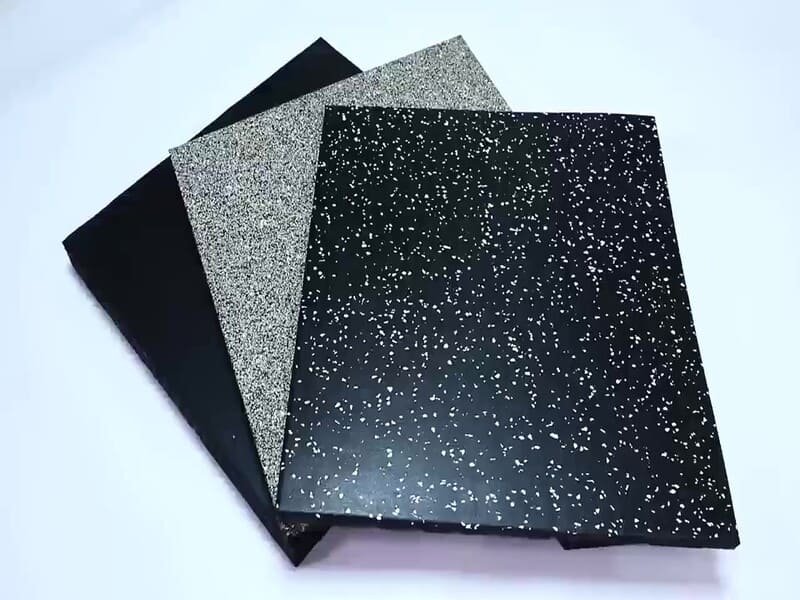
To match rubber flooring thickness between different gym zones, you must use transition strips or underlayment to level the height gaps. Using the right thickness for each specific activity prevents subfloor damage and ensures member safety. A flush finish is best for professional high-traffic fitness facilities.
Choosing a single thickness for an entire gym is a common mistake that leads to early equipment wear and safety risks. When I work on large-scale gym installations, I see that a 6mm floor is fine for cardio, but it will fail under a 200kg deadlift. If you use 20mm everywhere, you waste a lot of money. The goal is to create a floor that feels like one solid piece even though the technical specs change from zone to zone. We look at the physics of the impact to decide. Heavy weights need high shock absorption to stop the energy from hitting the concrete. High-intensity areas need stability so athletes do not roll their ankles. By planning the layout with transitions in mind, we build a space that looks clean and lasts for years.
I have spent years on construction sites and I know that a flat floor is the first sign of a quality gym. If you have a bump between the weights and the turf, someone will eventually trip.
Why does rubber thickness matter for the science of impact?
Thickness determines how much energy the floor absorbs versus how much it sends back to the athlete. Correct thickness protects the subfloor from cracking and stops noise from moving through the building. Thicker mats are better for heavy drops, while thinner mats offer better stability for equipment.
When we talk about shock absorption, we are looking at how the rubber compresses under load. In a multi-purpose facility, the acoustic control is just as important as the padding. If you have a gym on a second floor, thin rubber will let every vibration pass through the slab, which bothers other tenants. I use technical data to show clients how a 15mm vulcanized mat can reduce decibel levels better than a 20mm low-density mat. It is not just about height; it is about the density of the material. A denser mat stays firm under heavy machines, while a softer mat might cause a treadmill to wobble or lean over time.
| Jenis Zona | Tingkat Dampak | Ketebalan yang disarankan | Fungsi Utama |
|---|---|---|---|
| Angkat Beban Gratis | Tinggi | 15mm – 25mm+ | Subfloor protection & Sound dampening |
| Functional/HIIT | Sedang | 8mm - 12mm | Joint cushion & Lateral stability |
| Area Kardio | Low (Static) | 6mm – 10mm | Machine stability & Floor protection |
| Locker Rooms | Rendah | 6mm - 8mm | Durability & Easy cleaning |
This transition between technical needs and physical layout is where most projects fail or succeed.
What are the specific thickness recommendations for each gym zone?
Free weight areas need 15mm to 25mm to prevent "bottoming out" during drops. Functional zones work best with 8mm to 12mm for joint comfort. Cardio areas and hallways only need 6mm to 10mm because the loads are mostly static and the foot traffic is steady but light.
In the heavy lifting zones, I always suggest at least 20mm if the users are dropping iron plates. If you go too thin here, the rubber compresses fully and the energy shatters the concrete underneath. For functional training, I look for a middle ground. You need enough "give" for burpees or jumps, but if the floor is too soft, athletes lose their balance during sprints. In cardio zones, the goal is simply to keep the machines from sliding and to catch sweat. Using thick rubber here is a waste of your budget. I help engineers see that by varying the thickness, they can spend the money where the impact actually happens.
| Aplikasi | Jenis Bahan | Manfaat Kinerja |
|---|---|---|
| Heavy Deadlifts | Vulkanisir Kepadatan Tinggi | Maximum energy dispersal |
| Sprints/HIIT | Fine Granule SBR | High traction and stability |
| Equipment Areas | Gulungan Daur Ulang Standar | Cost-effective protection |
This guide helps you choose, but the real trick is making these different heights sit together perfectly.
How do you match different thicknesses seamlessly without tripping hazards?
You can use rubber transition strips or aluminum reducers to bridge the height gap between zones. Another professional method is to use plywood underlayment beneath the thinner rubber to raise it to the level of the thickest mat. This creates a "true flush" floor across the entire facility.
I often recommend the "built-up" method for premium clubs. If your weight area is 20mm and your cardio is 10mm, we lay a 10mm wood or foam base under the cardio rubber. This way, the top surface is perfectly flat. If the budget is tight, transition ramps are the go-to solution. We use "flush" reducers for a clean look or "overlapping" bars if the subfloor is slightly uneven. I have seen many gyms try to just "glue and hope," but rubber expands and contracts with the temperature. Without a proper transition, the seams will open up and create a gap. A technical partner will plan these seams during the design phase, not on the day of installation.
This planning prevents the most common safety issues that owners face after opening.
What technical factors beyond thickness affect the floor performance?
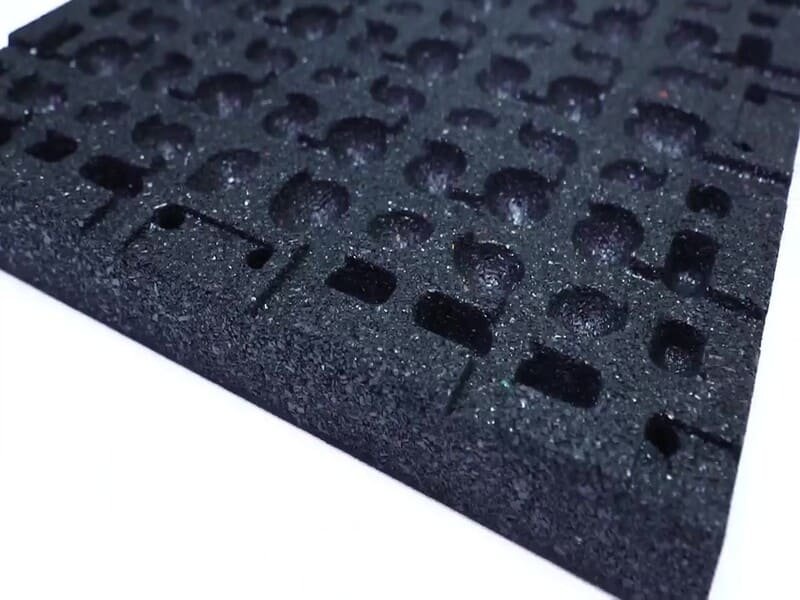
Material density and the manufacturing process like vulcanization are more important than height alone. A high-density 10mm mat can often absorb more force than a 15mm low-density mat. Vulcanized rubber is also more resistant to permanent indentation from heavy machines compared to cold-pressed rubber.
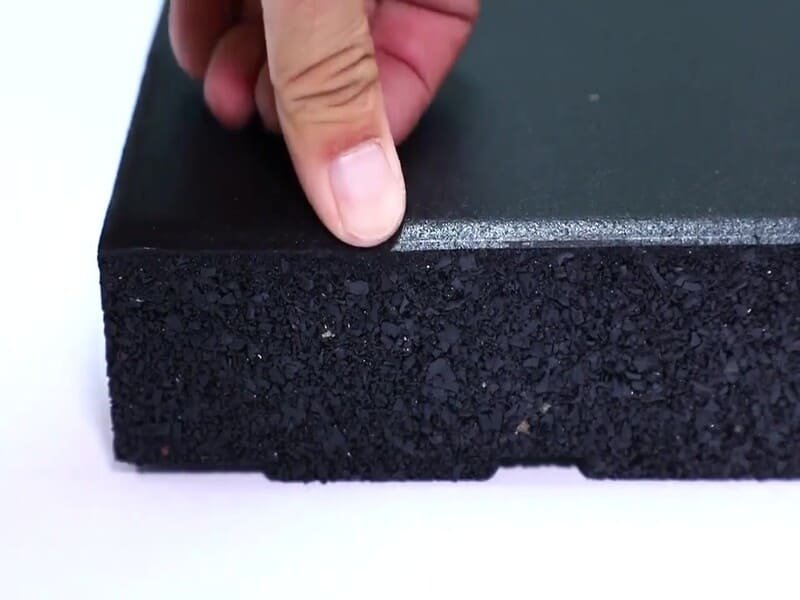
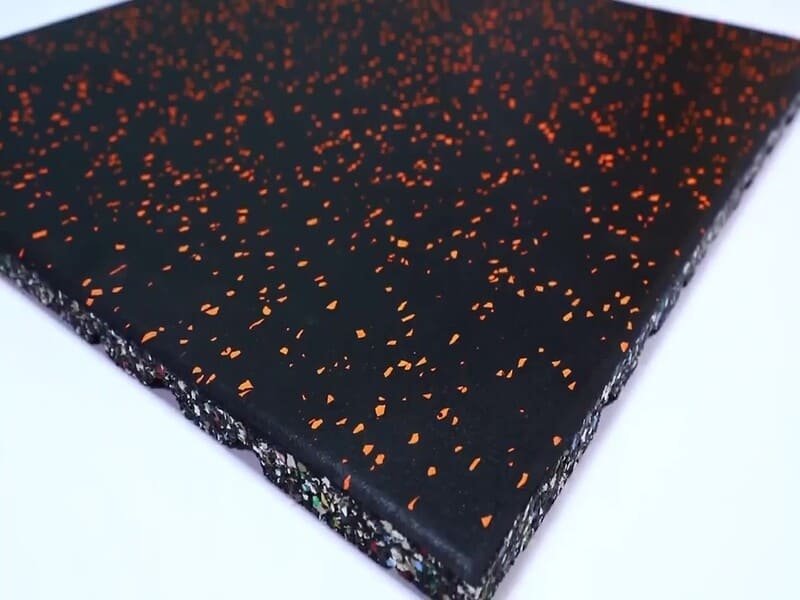
As a contractor, I look at how the rubber is made. Vulcanized mats are cooked under high pressure, which makes them waterproof and very tough. Cold-pressed mats are cheaper but they can be porous and might crumble at the edges over time. When you match zones, you must also consider the format. Interlocking tiles are easy for DIY, but rubber rolls provide a seamless look that is much better for large cardio areas. If you mix brands, the "10mm" from one factory might actually be 9.5mm, and the other might be 10.5mm. This 1mm difference sounds small, but it creates a visible edge that catches dirt and toes.
| Fitur | Karet Vulkanisir | Karet yang Dipres Dingin |
|---|---|---|
| Daya tahan | Ekstrim | Sedang |
| Tahan Air | 100% Non-porous | Slightly porous |
| Thickness Precision | Tinggi | Sedang |
Ignoring these small technical details leads to the most frequent complaints I hear from gym owners.
What common mistakes should you avoid when matching rubber floors?
The biggest mistake is ignoring a height difference of 3mm or more, which creates a legal tripping hazard. Many owners also forget that rubber grows in the heat. If you don’t leave room for expansion at the transitions, the floor will bubble and lift off the subfloor.
I have seen people spend too much on heavy mats in areas where people just walk. This "over-specifying" eats the budget that could have been used for better equipment. Another issue is the "actual" height versus the "stated" height. I always tell my clients to get physical samples first. If you buy from two different suppliers, the heights will never match. My role is to act as a technical advisor to ensure all materials come from compatible batches. We also have to look at the subfloor. If the concrete is not level, even the best rubber will look wavy. Professional design optimization catches these issues before the first roll is even cut.
This careful approach ensures your investment lasts as long as the building itself.
Kesimpulan
Match your gym floor by using thicker rubber for weights and transitions for safety. A flush floor protects your subfloor and your members.
If you are planning a gym and want to avoid these installation headaches, I can help. I provide technical consulting and bulk supply for gym flooring projects. Message me today to discuss your project specs and get a professional floor layout plan.