


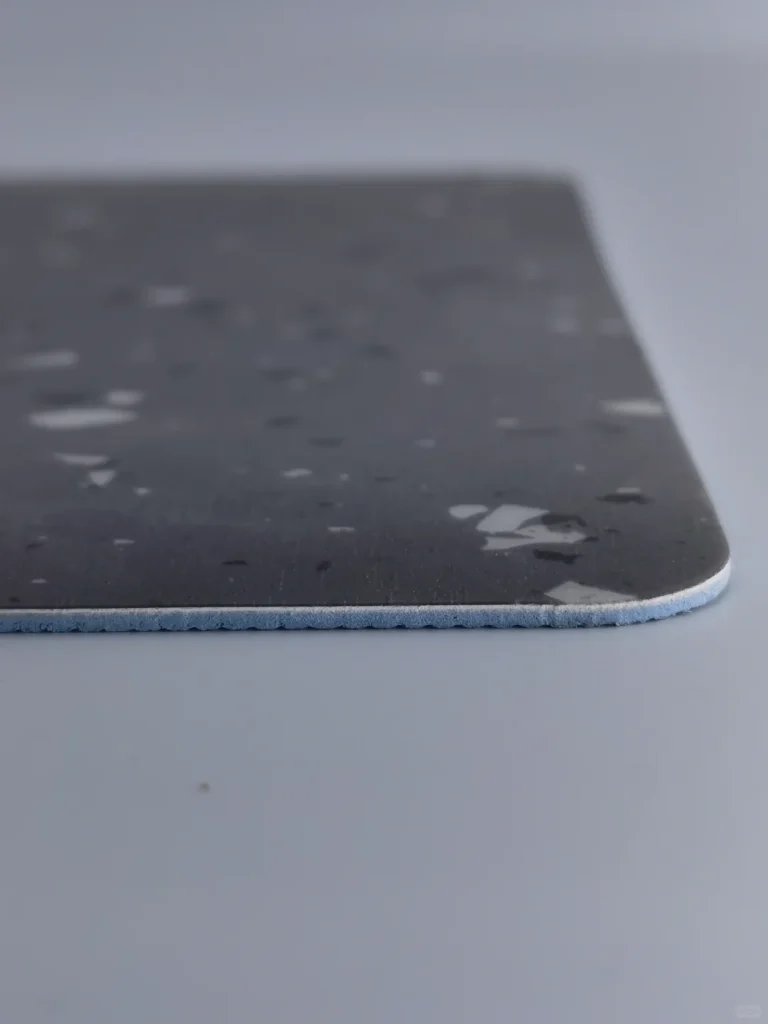
If water is coming up through vinyl floor seams, the seam itself is usually not the source. Water is already trapped beneath the flooring, and the joint is simply the easiest place for it to escape. The most likely sources are a plumbing or appliance leak, water that entered from the perimeter, or moisture coming from the concrete slab below.
This guide covers how to identify where the water is actually coming from, what type of vinyl flooring you have and why that matters, how to fix the problem correctly, and how to stop it from happening again. I inspect vinyl floor installations and diagnose failures like this regularly, so I will walk you through the same process I use on a job site.
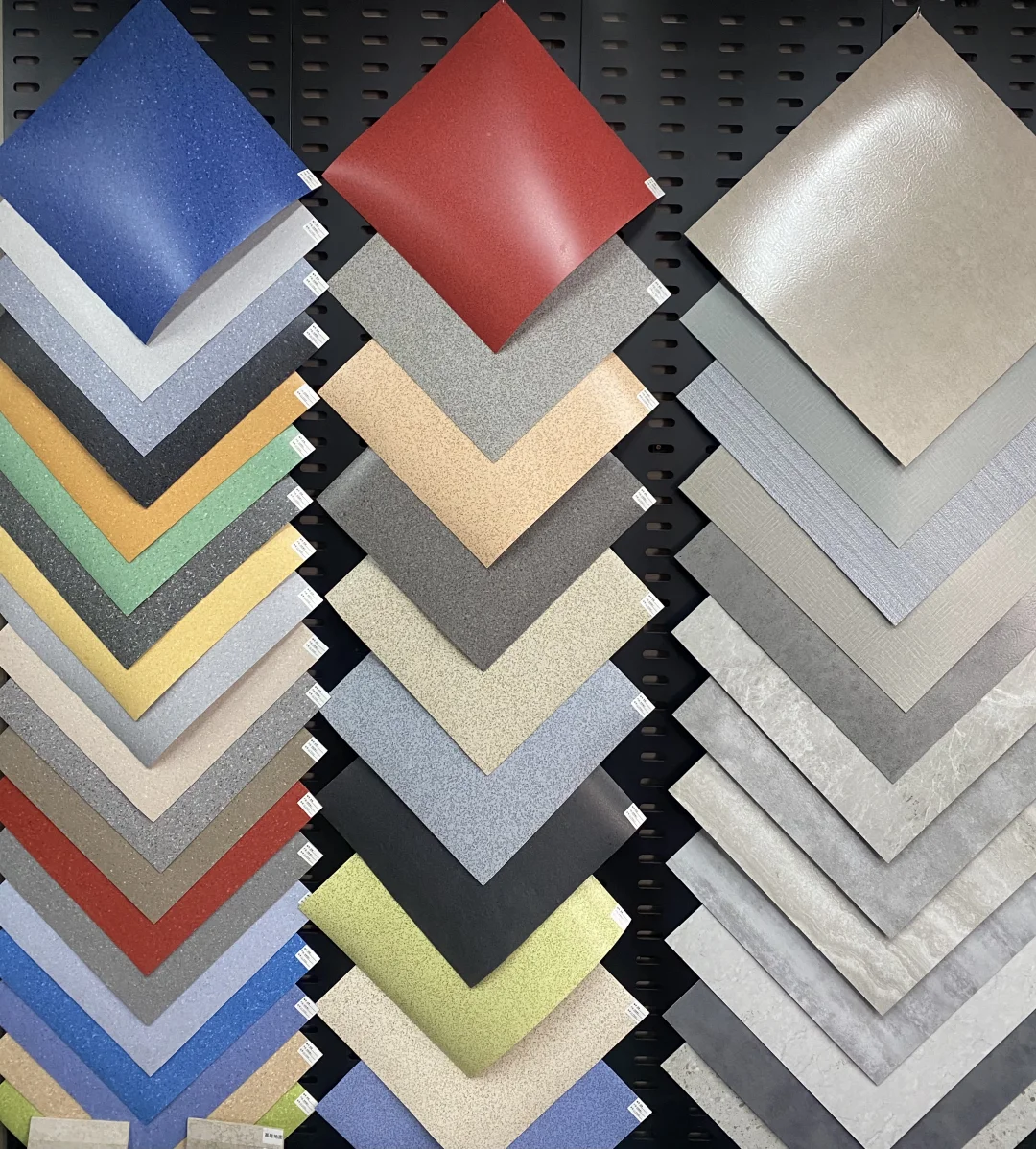
One thing to clarify before we go further: not all vinyl flooring is built the same way. Click-lock LVP/LVT is a floating floor where water can sit between the plank and the subfloor. Rekatkan LVT ke bawah relies on adhesive bond, so moisture more often shows up as lifting edges or softened adhesive rather than pooling water. Lembaran vinil uses chemical or heat-welded seams, which is a completely different repair process. I will point out which sections apply to which type, since the fix is not the same for all three.
Before diagnosing the cause, there are a few things worth doing right away.
What Should I Do in the First 30 Minutes After Finding Water Under My Vinyl Floor?
Shut off the water source if you suspect a leak, blot up standing water instead of pushing it into the seams, and take photos before cleanup. These steps limit damage and give you a record if you need it later.
Check for an active leak first. If a dishwasher, washing machine, refrigerator line, or toilet is nearby, shut off its local valve. If you cannot find the source quickly, shut off the main water line. For surface water, blot with dry towels or use a wet vac rather than mopping, since mopping pushes water sideways and deeper into open seams. Once the area is under control, photograph the damage from a few angles. This record is useful whether you’re talking to an insurance company, a landlord, or a flooring contractor.
| Langkah | Tindakan | Mengapa Ini Penting |
|---|---|---|
| 1 | Shut off water valve | Stops the leak at the source |
| 2 | Blot, don’t mop | Prevents water from spreading further into seams |
| 3 | Photograph the damage | Creates a record before cleanup |
With the immediate risk handled, the next step is figuring out what actually caused this.
What Are the Most Common Causes of Water Coming Through Vinyl Floor Seams?
The most common causes, in order of likelihood, are a plumbing or appliance leak, water that entered from the floor’s perimeter, excess moisture from the concrete slab, a damp wood subfloor, and seams that have opened enough to let existing moisture show. Indoor condensation is possible but is usually a secondary cause, not the first one to assume.
Cause 1: Plumbing or Appliance Leak
A pinhole leak in a supply line, a slowly failing dishwasher hose, a leaking ice maker connection, or a toilet seal can travel a surprising distance under flooring before it ever reaches a seam. In my experience, this is the single most common source when water shows up unexpectedly.
Cause 2: Water Entered From the Perimeter
Standing water from a previous spill, a flood, or water pushed in from an exterior door or window can travel inward under the flooring and later appear at the nearest seam, sometimes far from where it originally entered.
Cause 3: Excess Moisture Coming Through the Concrete Slab
This may come from moisture vapor transmission through the slab, capillary moisture, a missing or ineffective vapor retarder, or, in more severe cases, actual hydrostatic water pressure from groundwater. These are related but not identical conditions, and the correct term matters for diagnosing the right fix. Manufacturers typically require concrete moisture testing, such as ASTM F2170 in-situ relative humidity testing, rather than a simple visual or handheld check, before installation.
Cause 4: Damp Wood Subfloor or Crawlspace Moisture
In homes with a wood subfloor over a crawlspace, moisture from below can migrate upward into the subfloor and eventually reach the flooring above, especially without a proper crawlspace vapor barrier.
Cause 5: Open or Damaged Seams
Missing expansion gaps, poor acclimation before installation, or seams that were not properly locked or sealed do not create water on their own. What they do is give existing moisture underneath an easier path to the surface, which is often why the seam appears to be the source when it’s actually just where the water is escaping.
Indoor humidity and condensation on a cold, uninsulated subfloor can also contribute, but if water is already visible at a seam, I recommend ruling out the sources above first.
Once you have a shortlist of likely causes, the next step is narrowing down which one applies to your floor.
How Do I Pinpoint the Exact Source of Water Under My Vinyl Floor?
Start with a visual inspection of the seams and surrounding area, use a simple absorbent material to get a rough sense of where moisture is concentrated, and follow up with proper moisture testing if a slab or subfloor issue is suspected. Handheld moisture meters are useful for initial screening, not for a final diagnosis.
Begin with a close visual check. Bubbling, discoloration, or lifting at specific seams can help narrow down the general area. A dry paper towel or cloth left overnight along suspected seams can give a rough sense of where moisture is concentrated, though this is a simple screening aid, not a reliable way to tell whether the source is a pipe or the slab itself. Handheld moisture meters work the same way: they’re good for comparing readings across a room to flag problem areas, but per ASTM F2659, they are intended for comparative screening, not a quantitative diagnosis. If a concrete slab issue is suspected, the manufacturer-recommended approach is proper testing such as ASTM F2170 in-situ relative humidity testing or ASTM F1869 calcium chloride testing, depending on what the flooring or adhesive manufacturer requires.
Once you have a working idea of the source, it’s worth understanding what happens if the issue is left alone.
Is It Dangerous to Ignore Water Under Vinyl Flooring?
Yes. The EPA recommends drying wet materials within 24 to 48 hours to reduce the risk of mold growth. Left unaddressed, trapped moisture can also lead to adhesive failure, subfloor deterioration, and permanent plank warping.
Mold risk increases the longer materials stay wet, which is why the EPA’s guidance is to dry affected areas within 24 to 48 hours rather than waiting to see what happens. Beyond mold, prolonged moisture can soften plywood subfloors over time and cause plank-related issues such as adhesive bond failure, cupping, or permanent warping in the flooring itself. None of this happens instantly, but the longer moisture sits, the more of these outcomes become likely.
Understanding the risk helps explain why the repair approach depends on both how much water is involved and which type of vinyl flooring you have.
How Do I Fix Water Under Vinyl Flooring?
The right fix depends on your flooring type. Click-lock LVP can often be disassembled, dried, and reinstalled. Glue-down LVT usually needs assessment of the adhesive bond rather than full seam sealing. Sheet vinyl seam repairs require chemical or heat welding specific to that seam system.
For Click-Lock LVP/LVT
For minor surface moisture, drying the area thoroughly with fans and a dehumidifier is often enough. For more significant water intrusion, the planks need to be carefully disassembled starting from the wall, working backward without forcing the tongue-and-groove connections, since forcing them can damage planks you plan to reuse. Once the planks are up, inspect and dry the subfloor completely. If the subfloor or underlayment is damaged, it should be replaced rather than dried in place. Contaminated porous materials, such as soaked underlayment, may need to be removed entirely rather than treated with a spray product. Once everything is dry and any damaged material replaced, the planks can be reinstalled or replaced if warped.
For Glue-Down LVT/LVP
Water intrusion here more commonly shows up as edge lifting or a softened adhesive bond rather than pooling underneath. Affected planks typically need to be removed, the subfloor assessed and dried, and the adhesive reapplied per the manufacturer’s specifications once moisture conditions meet their requirements.
For Sheet Vinyl
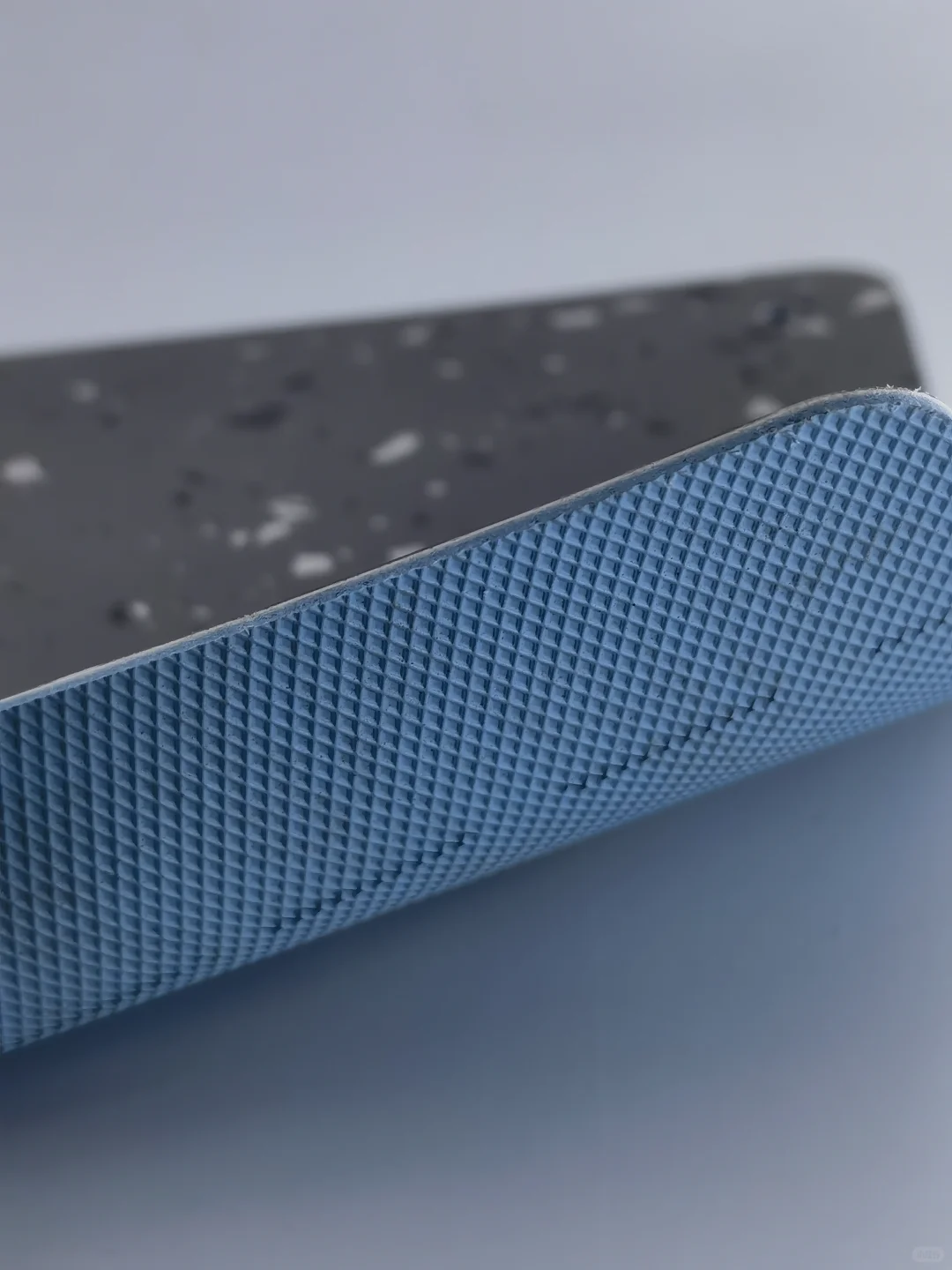
Seam repairs on sheet vinyl involve chemical seam sealing or heat welding, which are specific to that product’s seam construction and are best handled by someone familiar with that system, since improperly welded seams can fail again quickly.
With the repair approach in mind, the next question is whether a partial repair is realistic or if replacement makes more sense.
Should I Repair or Replace My Vinyl Floor?
Spot-repair works well when the damage is isolated, matching planks are available, and the subfloor is intact. Full replacement is usually the better option when mold has spread across a wide area, the flooring is old enough that matching planks aren’t available, or the underlying slab has a chronic moisture problem.
Most water damage cases I see can be handled with a spot repair, particularly when leftover planks from the original installation are available and the subfloor underneath is still sound. Full replacement becomes more practical when mold has spread widely, when matching flooring is no longer sold, or when the root cause is an ongoing slab moisture issue that will keep causing repeat damage no matter how many times it’s patched. Costs for each option vary significantly by region, flooring type, and the extent of subfloor work involved, so it’s worth getting a quote based on your specific situation rather than relying on a general estimate.
Fixing the current issue matters, but preventing a repeat is just as important.
How Can I Prevent Water From Reaching Vinyl Seams Again?
Confirm the concrete or subfloor moisture level meets the flooring manufacturer’s requirements before installation, use the vapor barrier or moisture-mitigation system specified for your flooring type, and follow the manufacturer’s cleaning guidelines to avoid introducing excess water or heat.
Prevention starts before installation. For floating vinyl installed over concrete, some manufacturers require a minimum 6-mil polyethylene vapor retarder. Glue-down LVT and sheet vinyl typically require a different approach, such as an approved moisture-mitigation system or an adhesive rated for the slab’s measured moisture condition. The requirement depends on the specific product, so it’s worth checking the flooring and adhesive manufacturer’s documentation rather than assuming one solution fits every system. Concrete should also be tested for moisture, using a method such as ASTM F2170, before flooring goes down.
For seam protection, sheet vinyl typically uses chemical or heat-welded seams as part of its installation system. Click-lock vinyl relies more on correct installation and, where the manufacturer specifies it, perimeter sealing around high-moisture areas like bathrooms rather than sealant applied to every joint.
Day-to-day maintenance also plays a role. Many flooring manufacturers discourage steam mops on vinyl, since the combination of heat and moisture can affect seams and adhesive over time. Waterproof rug pads under mats near sinks and entryways help reduce the chance of trapped water reaching a seam in the first place.
Kesimpulan
Find where the water is actually coming from, confirm your flooring type, then repair and seal using the method built for that system.
Pertanyaan yang Sering Diajukan (FAQ)
Is vinyl flooring supposed to be 100% waterproof?
The vinyl material itself is typically waterproof. But an installed vinyl floor as a full system depends on properly sealed seams, correct installation, and a stable subfloor. Water can still find a way in through open seams or damaged edges even when the plank material never absorbs moisture directly.
Will home insurance cover water damage under vinyl floors?
It depends on your policy and the cause. Sudden events like a burst pipe are commonly covered, while gradual damage from long-term humidity or a slow, undetected leak is often excluded. Check your specific policy and document the damage early if you plan to file a claim.
Can I just run a dehumidifier and skip taking up the planks?
For very minor surface moisture that hasn’t been sitting long, a dehumidifier alone may be enough. If water has reached the subfloor or sat for more than a day or two, skipping inspection risks leaving trapped moisture or mold where it can’t be seen.
How long does it take for mold to grow under vinyl flooring?
Mold can begin developing once materials stay wet, which is why the EPA recommends drying affected areas within 24 to 48 hours rather than waiting to see if a problem develops.
Not sure what type of vinyl flooring you have or which fix applies to your situation? Send me a message and I’ll help you figure it out.