


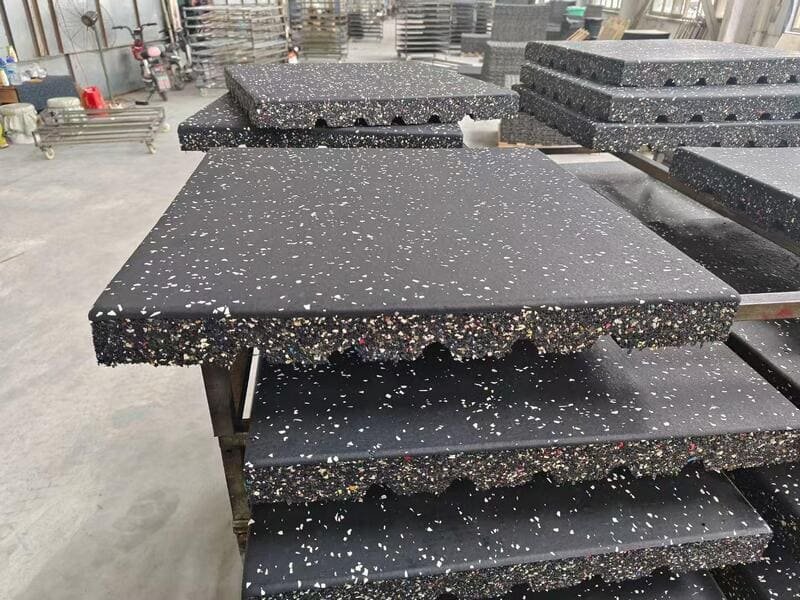
To reduce freight costs for rubber flooring, you must prioritize a 20ft Full Container Load (FCL) over LCL shipping and maximize the 28-ton weight limit. Since rubber is high-density, calculating your "Freight Cost per Square Meter" based on thickness and loading capacity is the only way to achieve a 100% efficient shipping strategy.
As a contractor with years of experience on gym sites, I have seen importers lose their entire profit margin to shipping fees because they didn’t do the math before ordering. Rubber flooring is unique: you almost always hit the container’s weight limit before you fill its volume. To save the most money, you need to treat your shipping container like a puzzle where weight is the primary constraint. By moving from a "shipping per pallet" mindset to a "cost per square meter" calculation, you can reduce your total landed cost by as much as 35%.
In this guide, I will share the exact loading data, calculation formulas, and weight-based strategies I use to help my clients save thousands on logistics.
Which shipping method saves the most money for rubber?
A 20ft FCL (Full Container Load) is the most cost-effective method because it allows you to reach the maximum weight capacity (approx. 28 tons) without the high per-kilogram handling surcharges found in LCL.
| Shipping Method | Load Weight | Total Freight (Est.) | Freight Cost per Ton |
|---|---|---|---|
| LCL (Kurang dari Kontainer) | 12 Tons | $4,800 | $400 |
| 20ft FCL (Full Load) | 26 Tons | $3,200 | $123 |
| 40ft FCL (Full Load) | 26 Tons | $3,800 | $146 |
The "20ft vs. 40ft" Weight Trap
Many buyers assume a 40ft container is better because it is twice as big. This is a mistake for rubber flooring. Most countries have a road weight limit of roughly 26 to 28 tons for any container. Because rubber is so dense, a 20ft container will hit that 28-ton limit while still being half empty. If you use a 40ft container, you pay a higher base rate for "space" you cannot legally fill with more rubber.
For high-density vulcanized rubber, I always advise clients to stay with 20ft units. The only exception is if you are shipping lightweight gym accessories (like yoga balls or foam rollers) to "top off" the empty volume above the heavy rubber mats.
Understanding your product’s loading capacity is the foundation of these savings, which we will calculate next.
How do you calculate loading capacity by thickness?
You calculate capacity by dividing the container’s weight limit (approx. 26,000kg to 28,000kg) by the weight per square meter of your specific flooring thickness.
| Ketebalan (mm) | Est. Weight (kg/sqm) | 20ft Container Capacity (sqm) |
|---|---|---|
| 6mm | 7.2 | ~3,800 sqm |
| 8mm | 9.6 | ~2,900 sqm |
| 10mm | 12.0 | ~2,300 sqm |
| 15mm | 18.0 | ~1,500 sqm |
| 20mm | 24.0 | ~1,100 sqm |
The Freight Cost Per Square Meter Formula
To know if you are getting a good deal, you must use this formula:
$$Freight\ Cost\ Per\ sqm = \frac{Total\ Freight\ Cost}{Total\ sqm\ Loaded}$$
For example, if your sea freight for a 20ft container is $3,000 and you are loading 1,500 sqm of 15mm rolls, your shipping cost is $2.00 per sqm. If you only load 1,000 sqm in an LCL shipment and the total fees come to $2,500, your cost jumps to $2.50 per sqm. That $0.50 difference can be the difference between winning and losing a commercial contract. I always demand a "Loading Plan" from the factory before the deposit is paid to ensure we are hitting these efficiency targets.
Once you have the numbers, you need a specific strategy based on whether you are shipping rolls or tiles.
What is the best shipping strategy for different rubber products?
The best strategy depends on the product’s shape and density; rolls should be floor-loaded to save space, while interlocking tiles require precision pallet stacking to prevent edge damage.
| Jenis Produk | Best Shipping Strategy | Kenapa? |
|---|---|---|
| 15mm Rolls | 20ft FCL / Floor Loaded | Maximizes weight without pallet height limits |
| Ubin yang Saling Mengunci | 20ft FCL / Optimized Pallets | Prevents corner damage; easy fork-lift access |
| 30mm Gym Mats | 20ft FCL / Custom Crates | High density; needs reinforced support |
Product-Specific Logistics Hacks
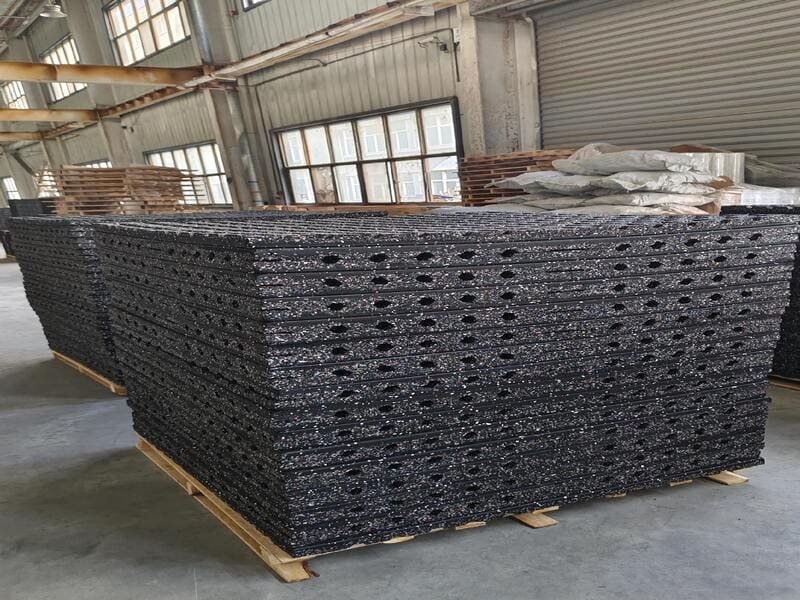
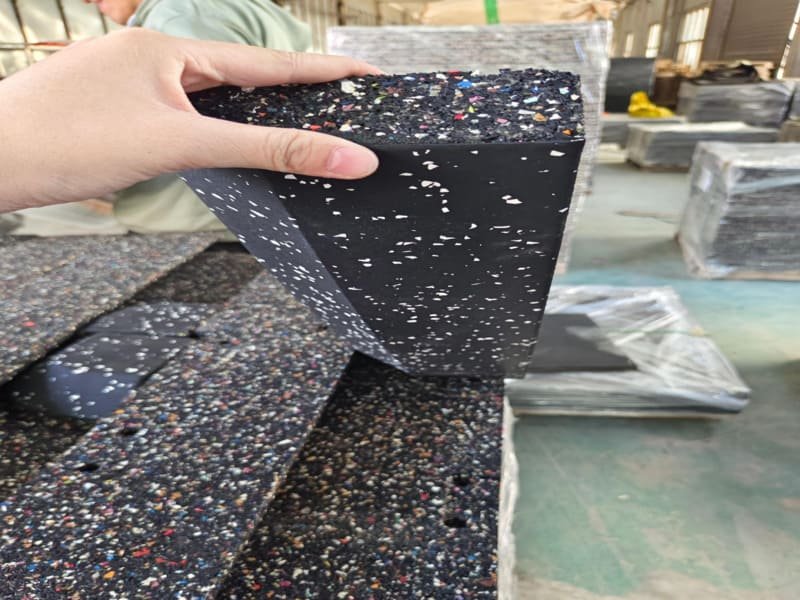
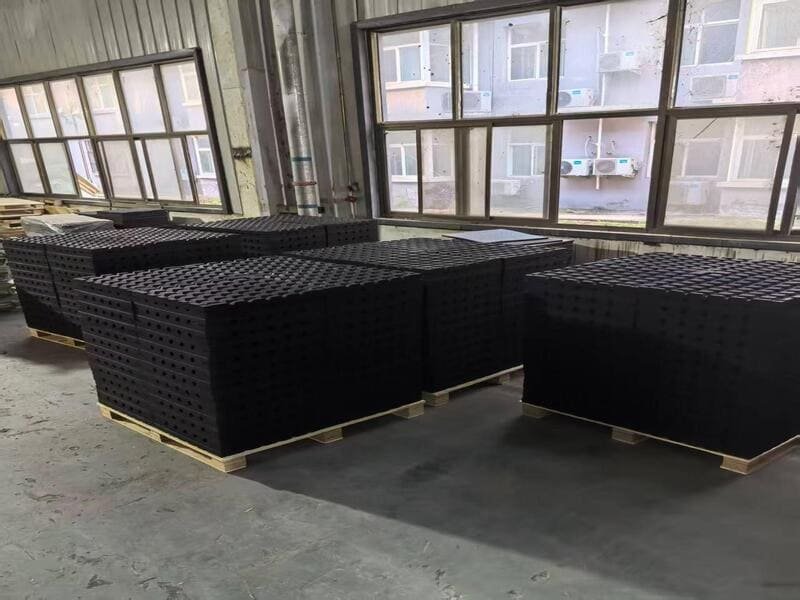
In my experience, "Floor Loading" (placing rolls directly on the container floor without pallets) can sometimes squeeze in an extra 5-10% of material. However, you must weigh this against the labor cost of hand-unloading at your warehouse. For interlocking tiles, I use "Stack Optimization." We calculate the exact pallet height so that two pallets can be stacked perfectly inside the container height without crushing the bottom layer.
If you are sourcing from China, the port of origin matters immensely. Shipping from a factory near Qingdao atau Foshan can save you $300 to $800 in inland trucking fees compared to an inland province. Always ask your supplier for the "FOB Port" name before you sign the contract.
These tactical choices lead to the most important metric in your business: the final landed cost.
Why is "Landed Cost" the only metric that matters?
Landed cost is the sum of product price, sea freight, duties, and local port fees; focusing only on the "per sqm" price of the rubber is a common mistake that leads to budget overruns.
| Komponen Biaya | Impact on Total | Strategy to Reduce |
|---|---|---|
| Product Price | 60% | Bulk negotiation |
| Sea Freight | 25% | Use 20ft FCL / FOB Terms |
| Duties (HS Code) | 10% | Use HS Code 401691 (Rubber Floor) |
| Local Port Fees | 5% | Fast unloading (Avoid Demurrage) |
Real Case Study: The 33% Savings
I once worked with a distributor who was shipping 12 tons of rubber tiles via LCL. They were paying $4,800 in total shipping and port fees. By simply increasing their order to 26 tons and switching to a dedicated 20ft FCL, their total freight only rose to $3,200. Even though they bought more product, their shipping cost per ton dropped from $400 to $123. This is how smart logistics creates a competitive advantage.
Always ensure your forwarder uses the correct HS Code. If your rubber flooring is classified as "General Rubber Goods" instead of "Floor Coverings," you might be hit with higher duty rates or anti-dumping taxes depending on your country.
Kesimpulan
To maximize savings, stop looking at the price of the rubber and start looking at the weight efficiency of a 20ft container.