


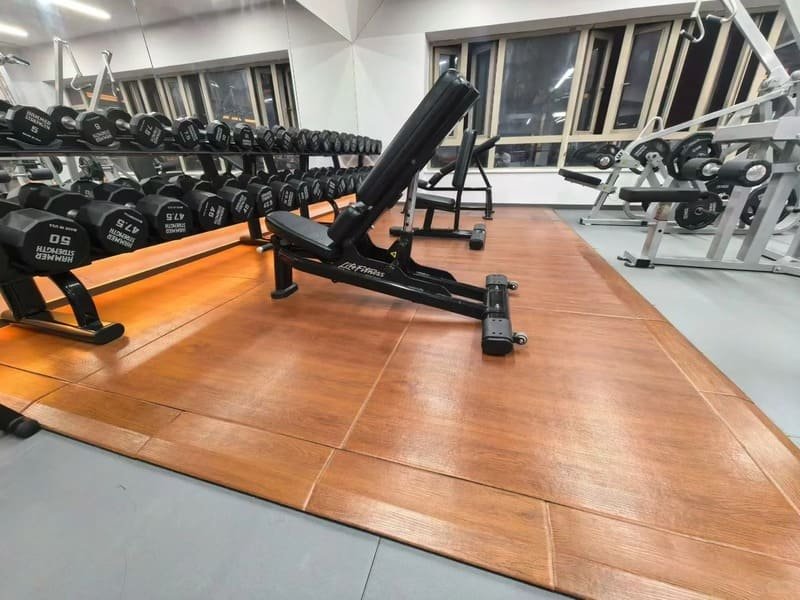
Untuk menghilangkan noda karat dari lantai gym karet, segera gunakan campuran cuka putih dan air dengan perbandingan 1:1 atau pasta soda kue. Gosok perlahan dengan sikat nilon lembut dan bilas hingga bersih. Hindari pemutih, sikat kawat, dan pembersih berbahan dasar minyak bumi, karena dapat merusak polimer karet secara permanen.
Meskipun karet sangat tahan lama di bawah beban berat, sifatnya yang berpori membuat penghilangan karat berpacu dengan waktu. Oksida besi dalam karat tidak hanya berada di atas; ia mencari celah mikroskopis dalam pengikat karet. Jika Anda memiliki karet remah daur ulang, noda akan berpindah lebih dalam ke dalam matras seiring waktu. Untuk karet vulkanisir yang tidak berpori, ikatannya lebih dangkal tetapi masih bisa "mengeras" jika terkena panas atau sinar UV. Tujuannya adalah untuk memutus ikatan logam tanpa melarutkan lem poliuretan yang menyatukan lantai Anda. Hal ini membutuhkan pendekatan pH yang seimbang-cukup kuat untuk bereaksi dengan besi, tetapi cukup lembut untuk membiarkan permukaan karet tetap utuh.
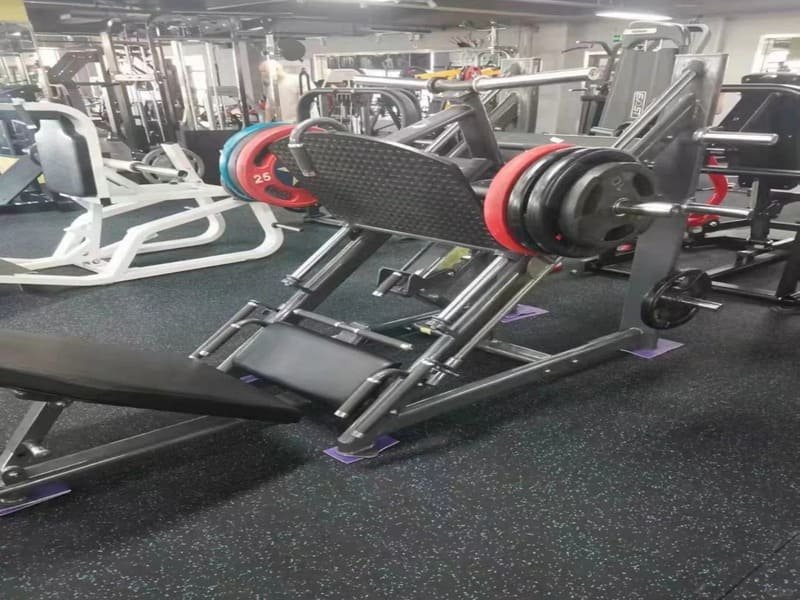
Sebelum Anda mengambil botol pembersih terdekat, Anda harus tahu apa yang akan menyelamatkan lantai Anda dan apa yang akan merusaknya.
Daftar "Jangan Pernah Gunakan": Cara Menghindari Kerusakan Permanen
Jangan pernah menggunakan pemutih, WD-40, pelarut berbahan dasar minyak, atau sikat kawat pada lantai karet. Bahan-bahan ini menyebabkan karet membengkak, hancur, atau berubah warna, yang secara efektif melelehkan pengikat dan membatalkan garansi pabrik dengan segera.
| Barang Terlarang | Mengapa Ini Berbahaya | Hasilnya |
|---|---|---|
| Pemutih / Klorin | Agen pengoksidasi | Pemudaran putih/abu-abu permanen |
| WD-40 / Pelarut | Berbahan dasar minyak bumi | Karet membengkak dan menjadi "lembek" |
| Sikat Kawat | Agresi mekanis | Goresan dan "bintik-bintik botak" pada tekstur |
| Asam Muriatik | Keasaman Tinggi | Makan melalui butiran pengikat |
Di pabrik, kami melihat banyak pengembalian yang "rusak" karena pengguna mencoba menggosok bagian yang berkarat dengan bantalan wol baja. Hal ini tidak hanya menghilangkan karat, tetapi juga menggerus tekstur karet, meninggalkan lapisan halus yang permanen di lantai. Demikian pula, produk minyak bumi bertindak sebagai pelarut untuk lem yang digunakan pada matras gym. Jika Anda menggunakan penetran karat berminyak, karet akan kehilangan integritas strukturalnya dan mulai mengelupas. Pilihlah larutan asam ringan berbasis air untuk memastikan lantai $5.000 Anda tidak berubah menjadi bahaya keselamatan.
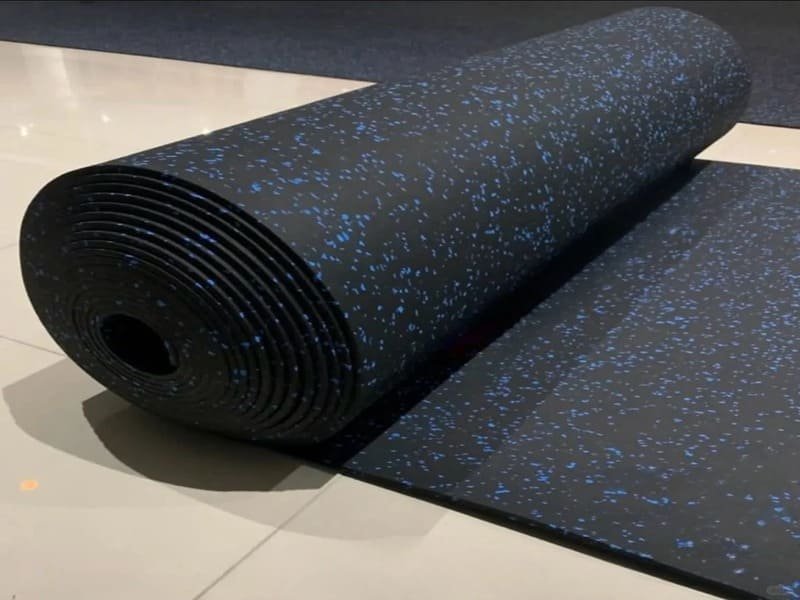
Noda yang berbeda membutuhkan taktik yang berbeda. Jika Anda juga berurusan dengan zona latihan terdekat yang terbuat dari rumput, logika pembersihannya berbeda untuk kontaminan seperti noda permen karet, minyak, atau tabir surya pada rumput buatanGunakan skenario di bawah ini untuk mencocokkan masalah spesifik Anda.
Solusi Berbasis Skenario: Dari Noda Baru hingga Noda yang Dalam
Sesuaikan metode pembersihan Anda dengan usia dan jenis noda. Noda baru di permukaan akibat beban hanya perlu direndam dalam cuka, sementara noda lama yang mengendap di bawah rak listrik yang berat memerlukan pasta gambar dan waktu yang lebih lama.
| Skenario | Tindakan yang Disarankan | Ekspektasi Keberhasilan |
|---|---|---|
| Tanda baru dari piring | Semprotan cuka 1:1; rendam selama 10 menit | Penghapusan 100% |
| Karat di bawah rak (Lama) | Pasta soda kue; "menggambar" selama 1 jam | 80-90% Memudar |
| Noda pada Karet Remah | Saturasi dalam + ekstraksi vakum basah | 70% (Dapat meninggalkan bayangan) |
| Ubin EPDM Berwarna | Sabun dengan pH netral terlebih dahulu; cuka uji noda | 95% (Hindari asam tinggi) |
1. Perbaikan Cepat (Karat Permukaan Baru)
Jika piring timbangan yang lembap meninggalkan cincin berwarna oranye semalaman, semprotkan dengan cuka putih. Asam asetat cukup kuat untuk melarutkan oksida besi. Diamkan saja-jangan langsung digosok. Setelah 10 menit, seka dengan kain mikrofiber.
2. Tarikan Dalam (Noda yang Mengendap/Berpori)
Untuk karat yang telah "tenggelam" ke dalam pori-pori karet daur ulang, buatlah pasta tebal dari soda kue dan air. Oleskan setebal 1/4 inci. Saat pasta mengering, pasta ini akan bertindak seperti ruang hampa udara, menarik partikel karat keluar dari celah-celah karet. Ini adalah cara paling aman untuk mengatasi "bayangan" tanpa menggunakan bahan kimia yang keras.
3. Opsi Komersial (Pilihan Terakhir)
Jika Anda harus membeli pembersih komersial, carilah produk berbasis "Asam Oksalat" yang berlabel "Aman untuk Karet dan Vinyl." Hindari apa pun yang mengandung asam Hidroklorida atau Sulfat. Selalu encerkan konsentrat 1:4 dengan air dan uji pada area seluas 1 inci di sudut terlebih dahulu.
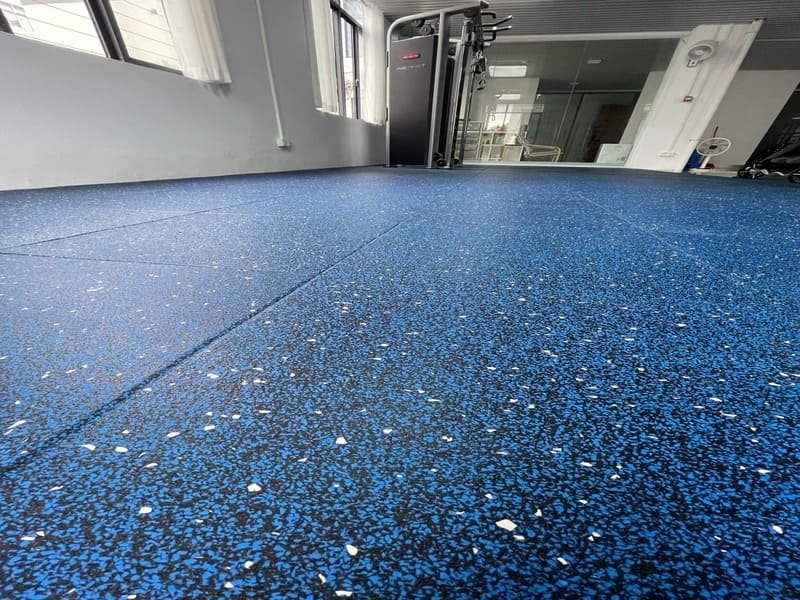
Setelah Anda membersihkan tempat tersebut, fokus harus bergeser ke pencegahan noda berikutnya.
Bagaimana Anda mencegah karat di masa depan dan menjaga integritas lantai?
Cegah karat dengan menggunakan pelat berlapis karet, menempatkan alas peralatan di bawah rak baja, dan mengikuti logika pencegahan yang sama dengan yang digunakan untuk mencegah noda peralatan pada lantai karet sekaligus menjaga kelembapan gym di bawah 50%. Penyegelan secara teratur dengan pelapis lantai karet berbahan dasar air juga dapat menutup pori-pori dan mencegah noda meresap.
| Tindakan Pencegahan | Bagaimana cara kerjanya | Dampak |
|---|---|---|
| Dehumidifier | Mengontrol oksidasi | Menghentikan karat sebelum terbentuk |
| Ganjal / Matras Plastik | Penghalang fisik | Tidak ada kontak logam dengan karet |
| Urethane Sealer | Menutup pori-pori permukaan | Membuat pembersihan 2x lebih mudah |
| Penggosokan Rutin | Menghilangkan garam/keringat | Mencegah penumpukan korosif |
Sebagai produsen, saya selalu merekomendasikan "zonasi" gym Anda. Area di bawah rak baja yang berat adalah zona berisiko tinggi. Menempatkan alas "pengorbanan" berukuran 1/4 inci di bawah kaki rak akan mencegah baja menyentuh lantai utama Anda. Juga, perhatikan udaranya. Keringat dan kelembapan tinggi mengubah gym Anda menjadi inkubator bagi karat. Dengan menjaga kelembapan tetap rendah, Anda melindungi peralatan dan lantai Anda secara bersamaan. Jika Anda memiliki ruang komersial dengan lalu lintas tinggi, mengaplikasikan sealer lantai karet khusus setahun sekali akan menciptakan "lapisan keausan" yang jelas yang membuat karat tetap berada di permukaan yang dapat dibersihkan dengan kain pel basah.
Mengetahui apa yang diharapkan sama pentingnya dengan mengetahui cara membersihkannya.
Mengelola Ekspektasi: Apakah Noda Akan Hilang Sepenuhnya?
Noda permukaan pada karet vulkanisir biasanya hilang 100%. Namun, karat lama yang telah berpindah ke pori-pori karet remah daur ulang dapat meninggalkan bayangan "berwarna teh" yang samar bahkan setelah dibersihkan secara profesional.
Dari perspektif teknis, setelah partikel oksida besi terikat dengan pengikat poliuretan pada keset daur ulang, partikel tersebut dapat menjadi bagian dari pigmen lantai. Dalam kasus ini, restorasi 100% mungkin tidak dapat dilakukan tanpa merusak karet itu sendiri. Saya menyarankan klien untuk mengupayakan "didesinfeksi dan memudar" daripada "sempurna" jika noda sudah berusia lebih dari enam bulan. Pembersihan yang berlebihan untuk mengejar kesempurnaan sering kali menyebabkan "penggosokan yang berlebihan," yang menciptakan perubahan tekstur permanen yang lebih terlihat daripada noda aslinya.
Kesimpulan
Bertindak cepat dengan cuka, gunakan soda kue untuk tarikan yang dalam, dan jangan pernah menggunakan minyak bumi atau pemutih.
Jika Anda berurusan dengan masalah lantai berskala besar atau membutuhkan spesifikasi teknis untuk matras gym dengan kepadatan tinggi, jangan ragu untuk mengirimkan pesan pribadi kepada saya!