


EPDM (Ethylene Propylene Diene Monomer) rubber flooring offers superior durability, UV resistance, and safety compared to standard materials. Its synthetic "virgin" rubber composition prevents fading and cracking in outdoor environments while providing exceptional shock absorption and slip resistance for gyms, playgrounds, and wet areas.
Deep Dive: Understanding the "Virgin" Rubber Advantage
To truly understand why EPDM stands out, we have to look at its chemical DNA. Unlike SBR (Styrene-Butadiene Rubber), which is typically made from recycled tires, EPDM is a synthetic rubber specifically engineered for environmental resistance. In my years managing flooring projects, I have seen clients hesitate at the initial cost difference between EPDM and SBR, only to realize the value later.
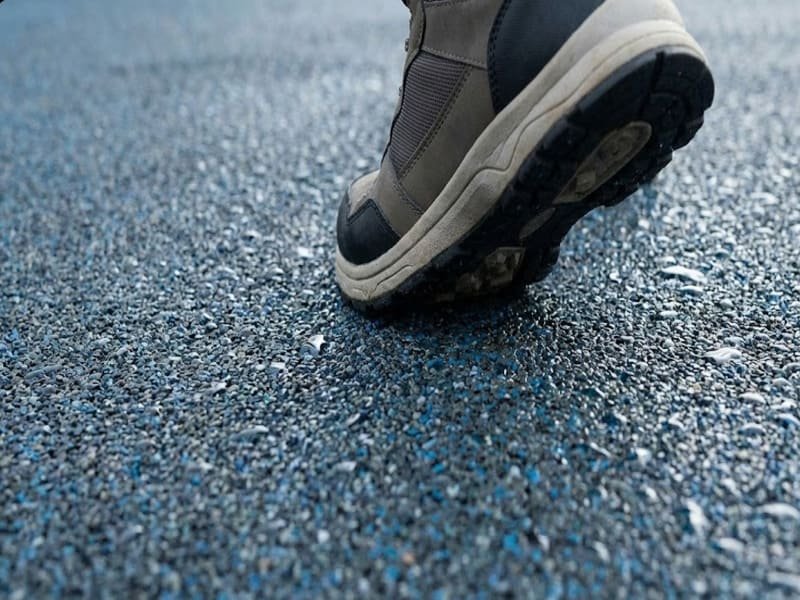
The primary distinction lies in the polymer structure. EPDM is a single-layer, homogeneous material that is cured (vulcanized) to create a surface that is chemically stable. This means it doesn’t just "resist" the sun; it is chemically inert to the damaging effects of UV rays. For a facility manager, this translates to a floor that stays vibrant blue or red for years, rather than turning the dull, chalky grey often seen in cheaper recycled rubber. Furthermore, because the color runs through the entire thickness of the granule (not just a coating), surface wear doesn’t reveal a different color underneath. Whether we are discussing wet-pour surfaces for playgrounds or high-density mats for weight rooms, the material provides a level of consistency that recycled alternatives simply cannot match.

But durability is only half the battle; we also need to consider how the floor interacts with the people using it.
Why is EPDM rubber flooring considered an investment in durability?
EPDM flooring is an investment because it withstands extreme weather, heavy abrasion, and chemical exposure without degrading. Its resistance to ozone and oxidation ensures it won’t become brittle or crack over time, making it a cost-effective long-term solution for high-traffic and outdoor areas.
Deep Dive: Weathering the Storm and the Gym Traffic
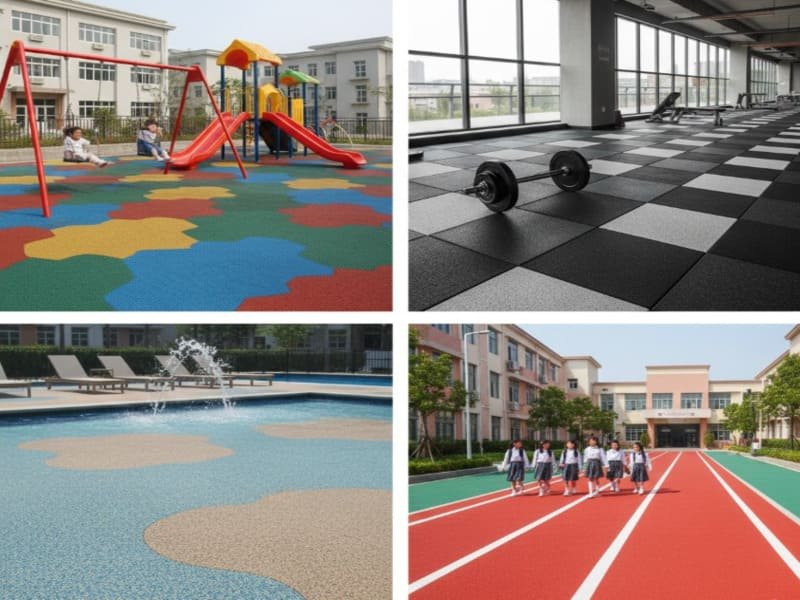
When we engineer flooring solutions, we look at two main enemies: the environment and the user. EPDM handles both with remarkable resilience. In outdoor applications like school playgrounds or pool decks, the "ozone resistance" of EPDM is a critical technical feature. Ozone in the atmosphere attacks the double bonds in standard rubber chains, causing those spider-web cracks you see on old tires. EPDM’s saturated polymer backbone is immune to this attack. I have visited installation sites in scorching climates five years post-installation, and the surface remains flexible and intact.
On the indoor front, specifically in commercial gyms, abrasion resistance is the key metric. We measure this using standard wear tests, but the real-world proof is in the weight room. When a heavy dumbbell is dropped, EPDM absorbs the energy and rebounds. It possesses a high tensile strength that resists tearing. Moreover, regarding chemical resistance, EPDM is practically impervious to water and resists mild acids and alkalis. This is vital for areas requiring frequent sanitation or pool surrounds exposed to chlorine. It does not rot or degrade when wet, which is a common failure point for organic flooring materials like wood or even some lower-grade polyurethanes.
While a floor that lasts forever is great, it is useless if it causes injuries to the athletes or children using it.
How does EPDM flooring enhance safety and user comfort?
EPDM enhances safety by providing high shock absorption that meets Critical Fall Height (CFH) standards, essential for injury prevention. Additionally, it offers a high coefficient of friction, ensuring excellent anti-slip properties even when wet, while reducing joint strain through ergonomic cushioning.
Deep Dive: The Science of Impact and Traction
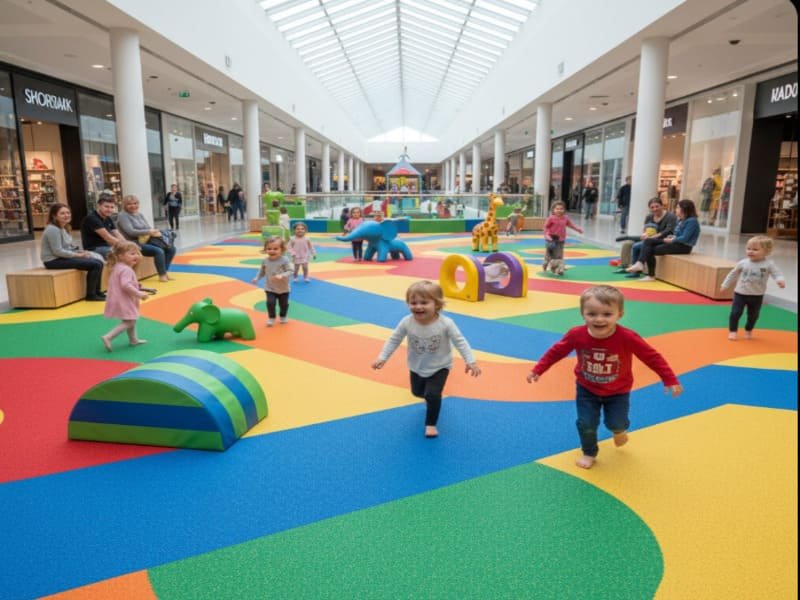
Safety is not just a buzzword; it is a measurable engineering standard. In playground applications, we deal with Critical Fall Height (CFH). This is the maximum height from which a child can fall onto the surface without sustaining a life-threatening head injury. EPDM, particularly when installed as a "wet-pour" system over a softer base layer, offers tunable shock absorption. We can adjust the thickness of the base layer to meet specific safety requirements for different play equipment heights. This customization is rarely possible with pre-cast concrete or standard tiles.
For gym owners and athletes, the focus shifts to ergonomics and traction. A rigid floor returns impact energy directly to the athlete’s joints (shins, knees, lower back). EPDM dissipates a portion of this energy, reducing fatigue and the risk of stress injuries. Furthermore, the coefficient of friction on EPDM is high. I often recommend EPDM for pool decks and changing rooms because it maintains its grip even when damp. Unlike smooth tiles that become ice rinks with a drop of water, the texture of EPDM granules provides mechanical interlocking with the sole of a shoe or a bare foot, significantly reducing slip-and-fall liability.
We have covered function, but in today’s market, form and design are equally important for branding and visual appeal.
Can EPDM rubber flooring offer aesthetic versatility and custom designs?
Yes, EPDM offers unmatched design freedom with a vast spectrum of non-fading colors. Unlike black SBR, virgin EPDM allows for the creation of intricate patterns, logos, and seamless surfaces, enabling architects to match corporate branding or create engaging themes.
Deep Dive: Moving Beyond "Basic Black"
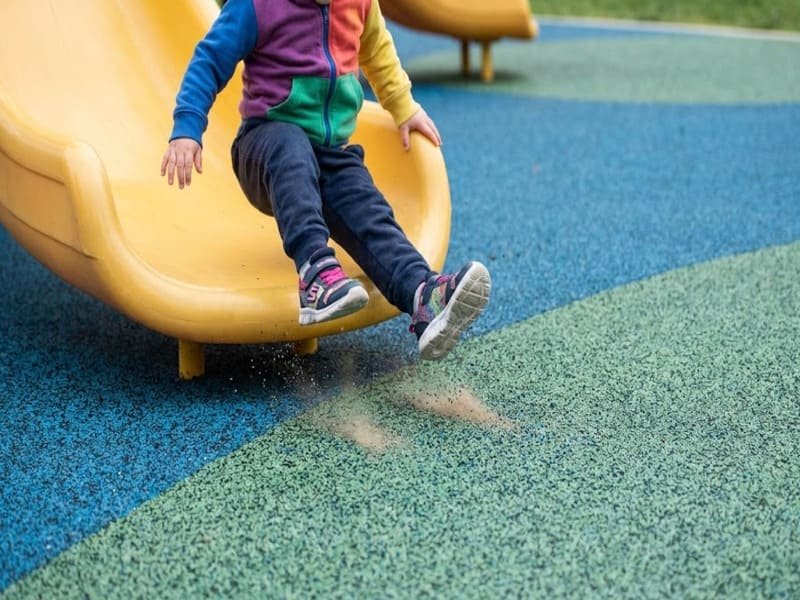
One of the biggest limitations of SBR rubber is color. You are mostly stuck with black, or black with slight flecks of color. EPDM changes the game entirely. Because it is a virgin polymer, we can pigment it during manufacturing to achieve virtually any RAL color. This opens up a world of design possibilities. For schools, we can create educational patterns—maps, hopscotch grids, or solar systems—directly into the floor surface. For commercial gyms, we can inlay the company logo into the lifting platform or the entryway using precision-cut EPDM sheets or wet-pour techniques.
The "seamless" nature of wet-pour EPDM installation is another aesthetic and functional win. By mixing the granules with a binder on-site and troweling it down, we create a monolithic surface. There are no grout lines to get dirty and no edges to curl up. This creates a sleek, professional look that flows continuously from one area to another. I often advise clients who want to zone their gym (e.g., a blue zone for cardio, a grey zone for free weights) that EPDM is the most effective way to achieve this visual separation without using physical dividers that eat up floor space.
A beautiful floor is wonderful, but only if it doesn’t require a dedicated maintenance team to keep it looking that way.
What are the maintenance and environmental benefits of EPDM?
EPDM is low-maintenance, requiring only simple cleaning to remain hygienic, and resists mold growth due to its non-porous nature. Environmentally, it is often low-VOC and non-toxic, ensuring safe indoor air quality, while porous installation options support natural water drainage.
Deep Dive: Practical Upkeep and Sustainability
From a facility manager’s perspective, "maintenance" equals "labor hours." EPDM is incredibly forgiving in this regard. Because the material is non-porous (the rubber itself doesn’t absorb liquid), stains sit on the surface rather than soaking in. Routine maintenance usually involves simple sweeping and damp mopping with a neutral pH cleaner. There is no need for waxing, stripping, or polishing—processes that are standard for VCT or wood flooring. For outdoor porous installations, nature does half the work; rain flushes dust and pollen through the permeable matrix and into the ground, preventing puddles and keeping the surface relatively clean.
Regarding the environment and health, modern high-quality EPDM is formulated to be safe. Low VOC (Volatile Organic Compound) emissions are crucial for indoor gyms and schools to ensure good air quality. Unlike some PVC products that may contain phthalates, high-grade EPDM is generally free from these concerns. Furthermore, when we look at the lifecycle, the durability of EPDM means less frequent replacement. While the material itself is synthetic, the longevity it offers reduces the total volume of waste generated over the lifespan of a building compared to cheaper flooring that needs replacing every few years.

Now, let’s address the elephant in the room: how does EPDM stack up against its cheaper competitor, SBR?
How does EPDM compare to SBR and other flooring alternatives?
EPDM outperforms SBR significantly in UV resistance, color clarity, and longevity, making it the superior choice for surface layers and outdoor use. While SBR is cheaper, EPDM offers better long-term value and aesthetics compared to hard alternatives like concrete or tiles.
Deep Dive: The Cost vs. Value Analysis
This is the most common conversation I have with project developers. They see the price tag of SBR (recycled tire rubber) and ask, "Why pay more for EPDM?" The answer lies in the application layer. SBR is excellent for base layers where it isn’t seen, but as a top layer, it has limitations.
Here is a breakdown of why EPDM is often the necessary choice for the visible surface:
| Fonctionnalité | SBR Rubber (Recycled) | EPDM Rubber (Virgin) | The "Why" for Engineers |
|---|---|---|---|
| Résistance aux UV | Poor (Fades/Yellows) | Excellent (Colorfast) | SBR carbon bonds break under UV; EPDM is saturated. |
| Color Range | Mostly Black | Unlimited (RAL Colors) | Virgin polymers allow pure pigmentation. |
| Texture/Feel | Can be coarser | Smooth & Refined | EPDM granules are manufactured to precise sizes. |
| Odeur | Can smell like tires | Low / Neutral Odor | Critical for indoor, non-ventilated small spaces. |
| Coût | Faible | Moyen/élevé | You pay for the polymer purity and longevity. |
Compared to hard surfaces like concrete or ceramic tile, EPDM provides acoustic dampening (quieting the room) and impact protection. While concrete is cheaper initially, it offers zero safety benefits and cracks over time. EPDM bridges the gap between the softness of carpet and the durability of industrial flooring.
With all these technical and practical benefits laid out, let’s summarize why this matters for your project.
Conclusion
EPDM rubber flooring is the definitive choice for projects demanding durability, safety, and design flexibility. It solves the problems of fading, injury risk, and high maintenance, offering a premium surface that lasts for decades.
Ready to Upgrade Your Surface?
Don’t settle for flooring that fades or fails. If you want to see the vibrant colors and feel the superior quality of our EPDM options yourself, we are here to help.
[Contact our team today to request a free sample kit or a custom project quote.] Let’s build a floor that performs as well as it looks.
A propos de l'auteur
I am a custom project specialist in the rubber flooring industry with extensive experience in manufacturing and installing EPDM solutions. I help architects, gym owners, and facility managers navigate the technical trade-offs of flooring materials to engineer surfaces that are safe, durable, and aesthetically stunning. My focus is on bridging the gap between raw material science and practical, on-site application.