


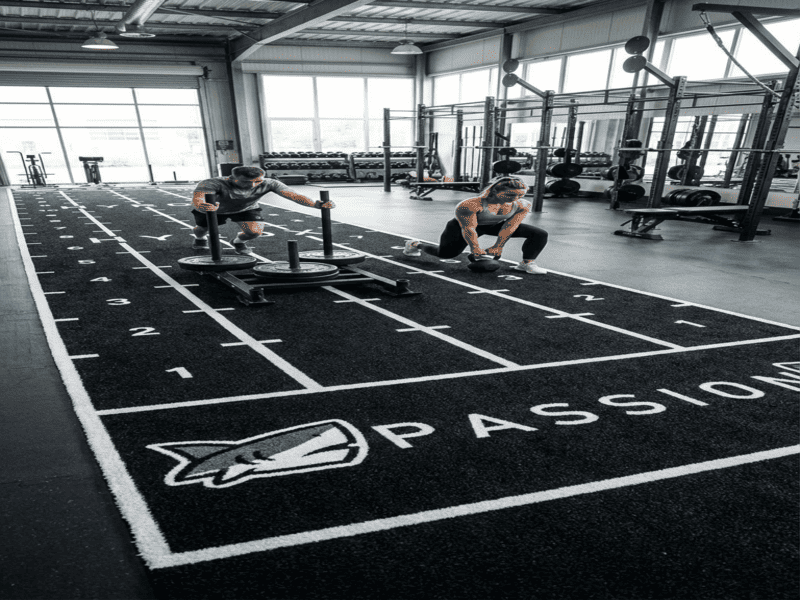
Un gazon peut-il vraiment tout faire ?
Oui, mais seulement si le génie chimique équilibre la stabilisation des UV avec des normes de sécurité à faible teneur en COV. Un véritable gazon hybride utilise des fibres de polyéthylène teintées dans la masse, testées selon les normes ISO de résistance aux intempéries, ainsi qu'un système de support transparent, ce qui lui permet de fonctionner en toute sécurité dans les salles de sport fermées et de résister aux éléments extérieurs difficiles.
L'ingénierie derrière le dilemme de l'hybride
En tant qu'ingénieur en recherche et développement dans le domaine des revêtements de sol, je vois souvent des propriétaires de salles de sport et des responsables d'installations confrontés à un choix frustrant : acheter un gazon robuste et abrasif pour les zones extérieures plutôt qu'un gazon doux et strictement intérieur pour la salle de musculation. Historiquement, cela signifiait qu'il fallait doubler les stocks ou faire des compromis sur la qualité. Le gazon d'extérieur était essentiellement une moquette en plastique conçue pour résister au soleil (souvent semblable à du papier de verre), tandis que le gazon d'intérieur s'effritait et se décolorait en quelques mois s'il était exposé aux rayons UV.
Cependant, la science des matériaux a évolué. Chez LaiYin, nous avons abordé ce problème non pas en créant deux produits, mais en concevant une structure de fibre unique capable d'exister dans les deux environnements. Nous ne nous contentons pas de "prétendre" que cela fonctionne ; nous concevons le polymère avec des stabilisateurs de lumière à amines encombrées (HALS) pour résister à la dégradation due aux UV, tout en veillant à ce que les adhésifs de support répondent aux normes strictes de qualité de l'air intérieur. Il ne s'agit pas seulement de polyvalence ; il s'agit d'éliminer le risque d'acheter le mauvais produit pour un environnement variable.
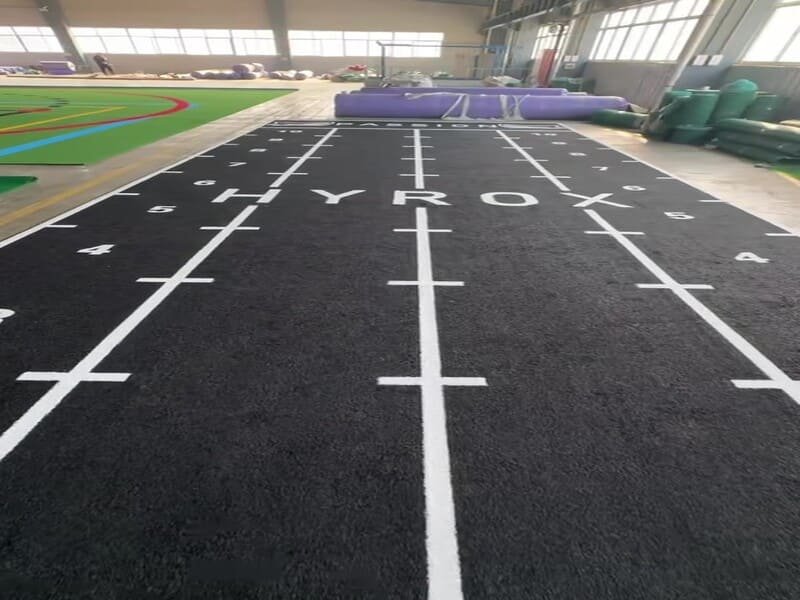
Le soleil et la pluie vont-ils ruiner mon investissement ? (Le contrôle des normes)
Non, car nous ne devinons pas, nous testons. Notre gazon est conçu avec une protection intrinsèque contre les UV, vérifiée par des simulations de vieillissement accéléré. Il est doté d'un système de drainage spécialisé qui prévient les moisissures et qui a été validé pour gérer un débit d'eau important.
Au-delà du marketing : La science de la résistance aux intempéries
De nombreux fournisseurs affirment qu'ils sont "résistants aux UV", mais en tant qu'ingénieur, je recherche des données. Les gazons d'intérieur standard échouent souvent à l'extérieur parce que la protection contre les UV n'est qu'un simple spray de surface. Nos fibres hybrides pour gazon sont "teintées dans la masse", ce qui signifie que les stabilisateurs UV sont mélangés au polymère fondu avant l'extrusion.
Pour nous en assurer, nous comparons nos matériaux à des normes telles que ASTM G154 ou ISO 4892 (exposition à l'arc au xénon). Ces tests simulent des années de rayonnement solaire et de cycles d'humidité. Le résultat ? Le gazon conserve sa résistance à la traction et sa couleur, même après une exposition prolongée.
En ce qui concerne l'humidité, l'ancien système de drainage "par perforation" est insuffisant pour un usage extérieur intensif. Nous utilisons une technologie de perforation à haute fréquence ou d'écoulement à travers le support. Cela permet d'éviter l'effet "éponge" que l'on retrouve souvent dans les gazons bon marché, où le support absorbe l'eau et pourrit. En assurant un drainage vertical rapide, la surface minimise la croissance bactérienne, un facteur essentiel pour l'hygiène, qu'elle soit installée dans une cour extérieure pluvieuse ou dans une salle de CrossFit suintante.
| Fonctionnalité | Gazon d'intérieur standard | LaiYin Hybrid Turf | Norme vérifiée |
|---|---|---|---|
| Stabilité aux UV | Revêtement de surface (décoloration) | Stabilisation intrinsèque des polymères | Testé sur ASTM G154 / ISO 4892 |
| Drainage | Minimal / Aucun | Perforation à haut débit | Le drainage rapide empêche la formation de moisissures |
| Intégrité du support | Latex (peut pourrir à l'extérieur) | Polyuréthane/Latex avancé | Propriétés hydrophobes |
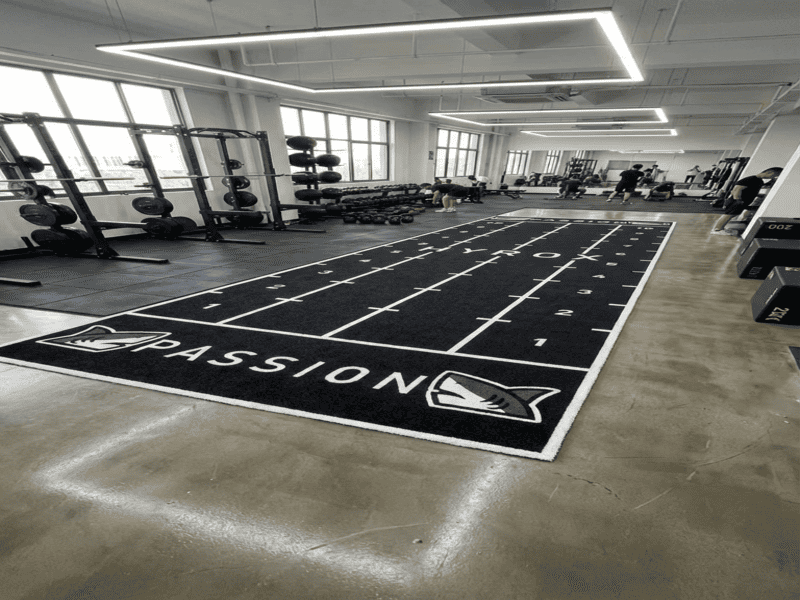
Ce gazon est-il vraiment sûr pour les salles de sport ?
Oui, il est plus sûr que de nombreuses moquettes standard. Nous contrôlons strictement la formulation chimique pour garantir de faibles émissions de COV (conformes aux normes de qualité de l'air intérieur) et la conformité aux normes de sécurité incendie telles que la norme ASTM D2859, ce qui la rend sûre pour les espaces non ventilés.
Équilibrer la durabilité et les normes de sécurité humaine
La plus grande crainte des gestionnaires d'installations intérieures est l'"odeur de plastique" ou le risque d'incendie. L'expression "adapté à l'extérieur" implique souvent des produits chimiques agressifs, mais un véritable hybride doit être suffisamment doux pour être utilisé à l'intérieur. Mon approche implique un contrôle rigoureux des composés organiques volatils (COV). Nous testons nos systèmes d'appui pour nous assurer qu'ils ne dégagent pas de produits chimiques nocifs, en nous alignant sur des normes similaires à celles de l'OCDE. Californie Prop 65 exigences. Cette exigence n'est pas négociable pour les salles de sport où les athlètes respirent beaucoup.
En outre, la sécurité incendie est essentielle. Les codes du bâtiment exigent souvent que les revêtements de sol satisfassent à des tests d'inflammabilité spécifiques, tels que la norme ASTM D2859 "Pill Test" (test de la pilule). Nous formulons notre gazon de manière à ce qu'il soit ignifuge, c'est-à-dire qu'il empêche la propagation des flammes. Il s'agit là d'une distinction cruciale : le gazon paysager bon marché agit comme un combustible ; notre gazon technique agit comme une barrière.
Enfin, nous abordons l'expérience tactile. Un gazon extérieur abrasif agit comme une râpe à fromage sur la peau humaine pendant les burpees. Nous utilisons un mélange de polyéthylène texturé spécialisé qui passe les évaluations de "frottement de la peau", ce qui garantit qu'il est résistant pour les traîneaux mais doux pour les athlètes.
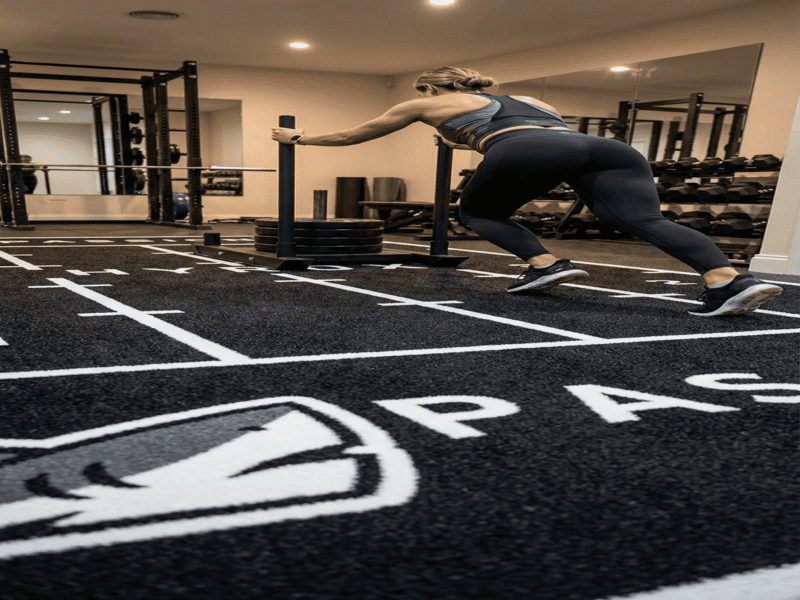
Le point de vue honnête de l'ingénieur : la prime en vaut-elle la peine ?
Le gazon hybride coûte généralement 15-20% de plus que le gazon d'intérieur à aiguilles de base. Toutefois, ce surcoût est rentabilisé par l'élimination des coûts de remplacement dus aux dommages causés par les UV et par la suppression de la nécessité de gérer deux stocks pour différentes zones.
Le compromis coût/utilité
Je crois en la transparence. Si vous regardez le prix brut, notre gazon hybride est plus cher que la "moquette verte" d'entrée de gamme que vous pouvez trouver dans une quincaillerie. Pourquoi ? Parce que vous payez pour Polymères stabilisés aux UV et chimie d'appui avancée.
Voici le compromis :
- La voie "bon marché" : Vous achetez un gazon d'intérieur $1.50/sqft. Vous l'installez près d'une porte roulante. Six mois plus tard, la lumière du soleil qui frappe le seuil rend la fibre verte bleue et cassante. Vous devez alors l'arracher et le remplacer. Coût total : Produit x 2 + Installation x 2.
- La voie hybride : Vous payez un peu plus à l'avance. Le gazon résiste à l'exposition aux UV à la porte et au traîneau lourd qui pousse à l'intérieur. Coût total : Investissement unique.
Pour les propriétaires de salles de sport, le retour sur investissement est évident. Vous bénéficiez d'une esthétique unique et cohérente dans l'ensemble de votre établissement, de la salle de musculation intérieure à la zone d'agilité extérieure, sans vous soucier de la défaillance des matériaux.
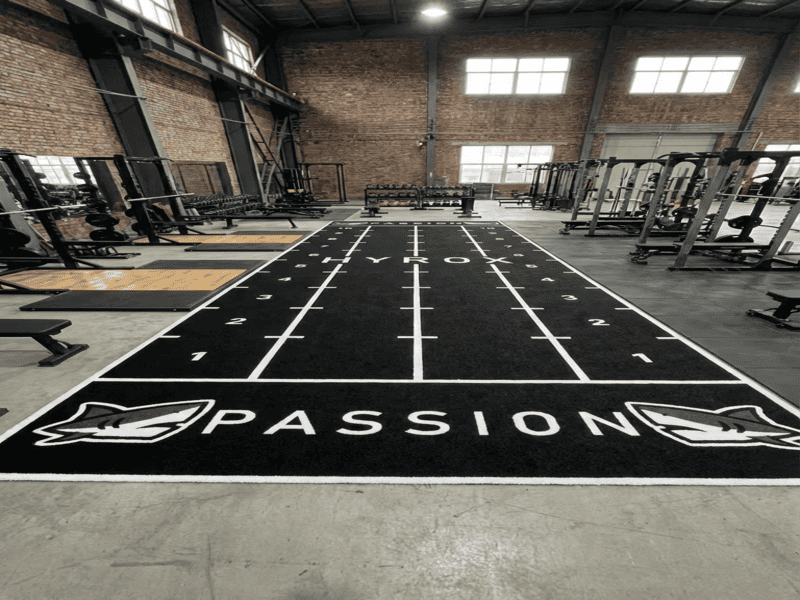
Matrice de décision rapide : Ce gazon est-il fait pour vous ?
Tout le monde n'a pas besoin de gazon hybride. Cette section fournit une liste de contrôle claire "feu vert / feu rouge" pour vous aider à décider immédiatement si notre produit répond aux besoins spécifiques de votre installation ou si vous devez chercher ailleurs.
Qui devrait (et ne devrait pas) l'acheter ?
En tant qu'ingénieur, je veux que tu aies les compétences suivantes droit produit, et pas seulement mon produit. Voici comment déterminer si notre gazon hybride est la bonne solution technique pour votre projet.
✅ FEU VERT : Ce gazon est idéal si...
- Débit intérieur/extérieur : Votre établissement possède des portes de garage qui restent ouvertes, exposant le gazon d'intérieur à la lumière du soleil.
- Zones à forte humidité : Vous vous trouvez dans un climat tropical où les supports intérieurs standard risquent de pourrir ou de moisir.
- Formation polyvalente : You need a surface that handles heavy sled pushes and floor exercises (burpees/stretching) without skin abrasion. This physical adaptability is the foundation of pourquoi choisir le sprint sur gazon to improve athlete power while minimizing impact stress on joints.
- Conception simplifiée : You want a seamless look from the lobby to the outdoor patio without changing materials. To enhance safety during these shifts, using a comment un amortisseur de 1 cm élimine instantanément le risque de trébuchement lors de la transition entre le caoutchouc et le gazon ensures a perfectly level surface for members moving between different zones.
❌ FEU ROUGE : N'utilisez PAS ce gazon si...
- Sports professionnels de terrain : Si vous construisez un terrain de football ou de hockey sur gazon réglementaire, vous avez besoin de systèmes spécialisés de "remplissage de performance", et non de ce gazon de gymnastique hybride.
- Contraintes liées aux pentes extrêmes : En cas d'installation à l'extérieur sur du béton sans une pente, aucun gazon ne peut se drainer tout seul. Vous devez d'abord régler le problème du drainage du sol.
- Projets budgétisés : Si vous avez besoin d'un sol temporaire pour un événement de trois jours, ce système est surdimensionné et trop cher. Il faut s'en tenir à un simple aiguilletage.
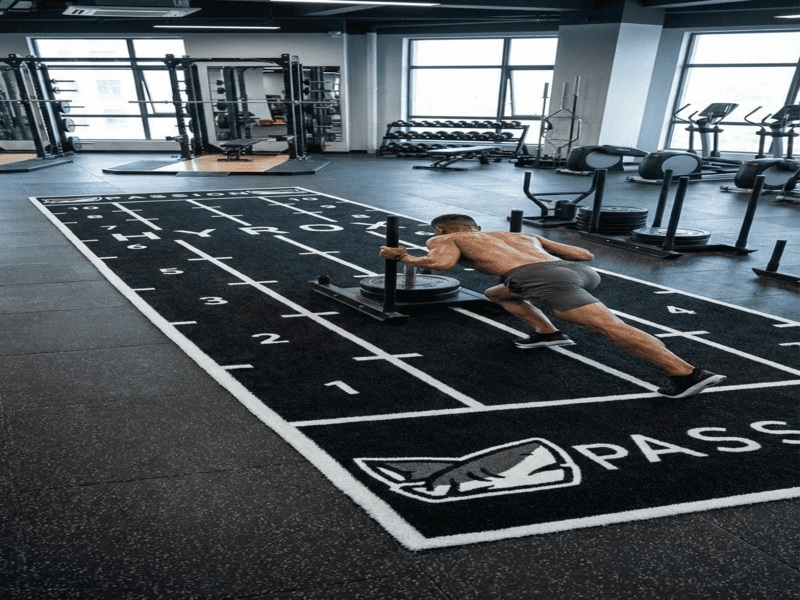
Conclusion
Vous n'avez pas besoin de deviner. En adhérant aux normes de test ASTM/ISO et à l'ingénierie pour la stabilité aux UV et la qualité de l'air intérieur, nous avons créé une surface qui élimine le casse-tête "intérieur contre extérieur". Le coût initial est un peu plus élevé, mais pour le gestionnaire de l'établissement qui accorde de l'importance à la longévité et à la sécurité, c'est le seul choix logique.
FAQ
Q : La garantie est-elle la même pour une utilisation à l'intérieur et à l'extérieur ?
R : Oui, parce que nous utilisons des fils stabilisés aux UV et testés selon les normes de vieillissement, notre garantie couvre la dégradation des fibres dans les deux cas. Cependant, l'utilisation commerciale intensive (comme les pistes de luge 24/7) a des conditions de couverture différentes de celles de l'utilisation décorative.
Q : Puis-je l'installer sur du béton à l'extérieur ?
R : Oui, mais seulement si le béton a une pente pour le drainage. Bien que notre gazon soit drainé verticalement, l'eau doit pouvoir s'écouler une fois qu'elle a atteint le béton. Nous recommandons une méthode de collage par points pour permettre à l'eau de s'écouler sous le gazon.
Q : Fait-il chaud en été ?
R : Tous les gazons synthétiques absorbent la chaleur. Cependant, notre densité permet une certaine isolation. En cas d'utilisation en plein soleil d'été, une brumisation rapide d'eau peut abaisser la température de la surface de 15 à 20°F grâce au refroidissement par évaporation.