


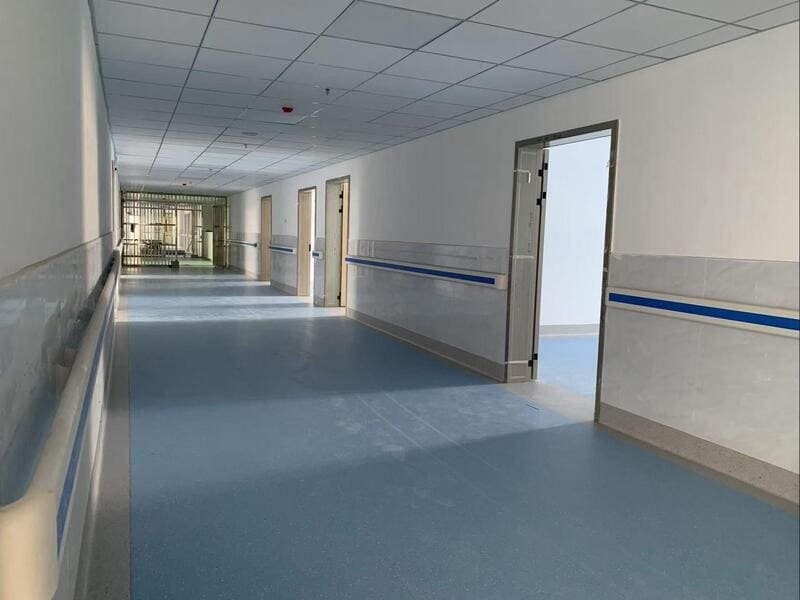
Les revêtements muraux en PVC offrent les meilleures performances en matière d'hygiène, de résistance aux chocs et d'économies à long terme, ce qui en fait le choix idéal pour la décoration murale des hôpitaux modernes.
Les établissements de santé fonctionnent sous une pression intense. En tant que directeur des installations, fort de nombreuses années d’expérience pratique sur des chantiers de construction, je constate de mes propres yeux à quel point l’environnement hospitalier détruit les cloisons de qualité médiocre. Une circulation piétonne intense 24 heures sur 24, 7 jours sur 7, les chocs constants causés par les brancards lourds et l’utilisation incessante de produits de nettoyage chimiques agressifs finissent par détruire les cloisons en plaques de plâtre standard et la peinture au latex en l’espace de quelques mois. De plus, les réglementations sanitaires strictes exigent que les surfaces intérieures des zones de soins aux patients empêchent la colonisation par des agents pathogènes dangereux. Les matériaux traditionnels à base de fibre de verre et de plaques de plâtre ne résistent tout simplement pas à ces conditions exigeantes. Ce guide technique complet explique pourquoi les revêtements en polychlorure de vinyle (PVC) de qualité professionnelle sont devenus le choix privilégié pour remplacer les matériaux traditionnels défaillants. Nous aborderons les avantages mécaniques, les paramètres de conformité aux normes, les coûts réels d’installation et les techniques de mise en œuvre précises qui garantissent un succès opérationnel à long terme.
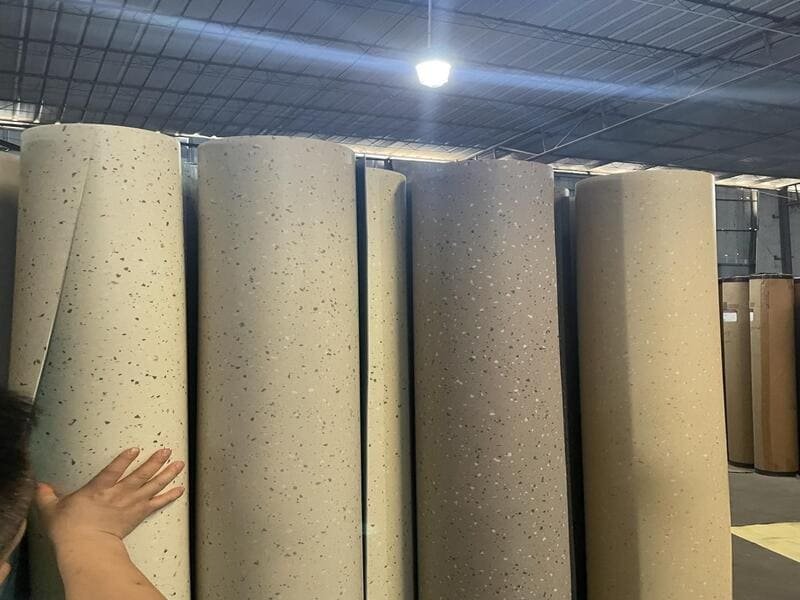
Avant de vous lancer dans votre prochain projet de rénovation hospitalière, vous devez bien comprendre en quoi le choix des matériaux des murs influe à la fois sur les taux de prévention des infections et sur votre budget annuel d'entretien. Voyons ensemble pourquoi les cloisons intérieures traditionnelles ne font pas l'affaire dans les établissements de santé.
Pourquoi les matériaux traditionnels de décoration murale intérieure ne conviennent-ils pas aux environnements hospitaliers à forte fréquentation ?
Les cloisons intérieures traditionnelles présentent des défauts : la couche de peinture poreuse se fissure et les joints de mortier abritent des agents pathogènes dangereux, tandis que les plaques de plâtre, fragiles, se brisent sous l'impact d'équipements lourds.
| Type de matériau | Porosité superficielle | Résistance aux chocs | Nettoyabilité chimique | Risque d'échec |
|---|---|---|---|---|
| Plaques de plâtre standard + peinture | Élevé (poreux) | Très faible | Mauvais (se décolle facilement) | Risques structurels et biologiques élevés |
| Carreaux de céramique | Moyen (joints) | Moyen (fragile) | Modéré (taches de coulis) | Risque élevé d'accumulation bactérienne |
| Panneaux en fibre de verre (FRP) | Faible | Modéré | Modéré (dégradation des articulations) | Risques liés à la séparation des articulations |
Les responsables des établissements hospitaliers sont régulièrement confrontés à d'énormes problèmes opérationnels, car les matériaux de construction classiques ne résistent pas aux environnements médicaux. Les surfaces murales poreuses et les microfissures présentes dans la peinture au latex classique abritent des agents pathogènes mortels tels que le SARM et C. diff. Lorsqu’un chariot de restauration lourd ou un lit d’hôpital motorisé érafle un mur peint, il met à nu l’âme en plâtre, ce qui crée un terrain propice au développement de moisissures. Cette dégradation structurelle entraîne des coûts d’entretien élevés dus à des cycles incessants de rapiéçage et de repeinture. Chaque cycle de réparation entraîne des temps d’arrêt coûteux, car les chambres des patients ou les couloirs doivent être fermés pour permettre la ventilation. De plus, les établissements sont soumis à une forte pression réglementaire lorsque les murs défaillants ne satisfont pas aux inspections strictes de santé publique ou aux codes de construction.
Analyse détaillée des performances techniques des matériaux traditionnels de décoration murale
Vulnérabilités structurelles face aux aléas médicaux quotidiens
Les plaques de plâtre traditionnelles ont une faible densité qui ne leur permet pas d'absorber l'énergie mécanique. Lorsqu'un objet heurte leur surface, la force localisée brise complètement le noyau interne en gypse. Les carreaux de céramique résistent aux rayures légères, mais ils sont fragiles, ce qui signifie que les chocs violents provoquent des fissures et la formation d'arêtes vives.
Risques biologiques liés à la dégradation des matériaux
La peinture écaillée et les rayures profondes créent des cavités microscopiques. Ces zones accumulent de l'humidité et des matières organiques lors des nettoyages courants, ce qui favorise la prolifération rapide de biofilms. Une fois que les bactéries se sont installées dans ces défauts de surface, les lingettes désinfectantes classiques ne parviennent plus à les éliminer efficacement.
La compréhension de ces défaillances structurelles explique pourquoi les établissements de santé ont besoin de matériaux de pointe. Examinons les principaux avantages du PVC qui en font la solution idéale pour répondre à ces enjeux.
Quels sont les principaux avantages qui font du PVC le matériau idéal pour la décoration murale des hôpitaux en matière de prévention des infections ?
Le PVC est le matériau idéal pour la décoration murale des hôpitaux, car sa surface non poreuse et résistante aux produits chimiques permet une pose sans joint, ce qui empêche toute prolifération d'agents pathogènes.
| Mesure de la performance | Cahier des charges pour les revêtements muraux en PVC | Avantage opérationnel dans les hôpitaux |
|---|---|---|
| Taux d'absorption de l'eau | 0,001 TP3T (composé non poreux) | Aucune infiltration de liquide, empêche la formation de moisissures |
| Résistance chimique | Aucune altération sous l'effet de l'eau de Javel ou du peroxyde | Convient à la désinfection médicale quotidienne |
| Classe de sécurité incendie | ASTM E84 Classe A / EN 13501-1 B-s1,d0 | Protection maximale contre les flammes et la fumée |
| Durée de vie utile | Plus de 15 ans d'utilisation intensive | Élimine les coûts de rénovation récurrents |
Nos revêtements muraux en PVC ultra-résistants résolvent ces problèmes structurels courants grâce à une science des matériaux de pointe. Leur surface non poreuse empêche totalement la prolifération bactérienne, fongique et virale, car aucune humidité ne peut pénétrer la matrice polymère rigide. Lors de la pose, nos équipes utilisent des techniques de thermoformage des angles et des joints soudés à chaud pour éliminer les interstices où pourraient se nicher la saleté ou les microbes. Ce matériau offre une résistance chimique exceptionnelle, ce qui lui permet de résister à des désinfectants de qualité médicale tels que l'eau de Javel concentrée et le peroxyde d'hydrogène, sans décoloration ni dégradation du matériau.
Pourquoi la résistance mécanique des matériaux permet de réduire les coûts d'exploitation à long terme
Ingénierie avancée en matière de résistance aux chocs
Les panneaux en PVC à usage commercial intègrent des modificateurs de résistance aux chocs spécifiques qui répartissent l'énergie physique concentrée sur l'ensemble de la chaîne polymère. Cette structure souple empêche la formation d'entailles profondes, de bosses et de fissures superficielles en cas de choc avec des engins lourds à roues.
Analyse du retour sur investissement à long terme
Dans les couloirs très fréquentés des hôpitaux, la peinture standard doit être rafraîchie tous les 12 à 18 mois. Le revêtement mural en PVC rigide nécessite un investissement initial plus élevé en matériaux, mais il permet d'éviter les coûts de main-d'œuvre, les coûts liés à la peinture et les coûts liés à la fermeture des salles pendant plus de quinze ans.
Les performances exceptionnelles doivent aller de pair avec les objectifs esthétiques. Voyons comment les produits modernes en PVC contribuent à créer un environnement propice à la guérison des patients.
Comment les revêtements muraux en PVC peuvent-ils créer un environnement apaisant et propice à la guérison, tout en facilitant l'orientation dans les hôpitaux ?
Les revêtements muraux modernes en PVC intègrent des couches d'impression biophiliques de pointe et des palettes de couleurs variées afin de réduire le stress des patients tout en guidant efficacement la circulation des visiteurs.
| Élément de conception | Spécifications visuelles du PVC | Objectif médical fonctionnel |
|---|---|---|
| Textures biophiliques | Veines de bois naturelles, motifs de pierre douce | Réduit l'anxiété des patients et abaisse leur tension artérielle |
| Panneaux à code couleur | Tons pastel unis (bleu, vert, jaune) | Identifie des services cliniques spécifiques |
| Superposition acoustique | Socle d'atténuation acoustique avec support en mousse | Réduit le bruit ambiant dans les couloirs pour favoriser le repos |
De nombreux prescripteurs adhèrent à l’idée reçue selon laquelle les panneaux en PVC auraient un aspect industriel, stérile ou peu esthétique. Les techniques de fabrication modernes nous permettent d’imprimer des motifs biophiliques en haute définition, notamment des veines de bois naturelles, des textures de pierre douces et des tons terreux apaisants qui contribuent à réduire l’anxiété des patients. Nous pouvons utiliser des couleurs spécifiques et des motifs distinctifs sur différents panneaux en PVC pour mettre en place des systèmes visuels d’aide à l’orientation. Par exemple, les installateurs peuvent utiliser des tons verts doux en pédiatrie et des nuances de bleu clair dans les unités de soins intensifs afin de guider les visiteurs sans créer de confusion au niveau de la signalétique. De plus, des options spécialisées de PVC à revêtement acoustique contribuent à atténuer le bruit ambiant, réduisant ainsi le bruit dans les couloirs pour permettre aux patients de se reposer.
Allier la psychologie visuelle aux performances des matériaux à usage intensif
Les bienfaits du design biophilique dans les espaces cliniques
Des études médicales montrent que les éléments visuels naturels accélèrent le processus de guérison des patients. Grâce à des techniques de fabrication de pointe, les matériaux naturels sont reproduits sur des feuilles de vinyle résistantes, vous offrant ainsi la beauté du bois sans les inconvénients d'hygiène liés au bois véritable.
Dispositions stratégiques des couleurs pour des installations complexes
Les grands centres médicaux utilisent des bandes de couleur ou des panneaux muraux couvrant toute la surface pour baliser clairement les parcours. Ce repère visuel simple permet de réduire la confusion chez les visiteurs et de diminuer le stress du personnel circulant dans les zones d'urgence.
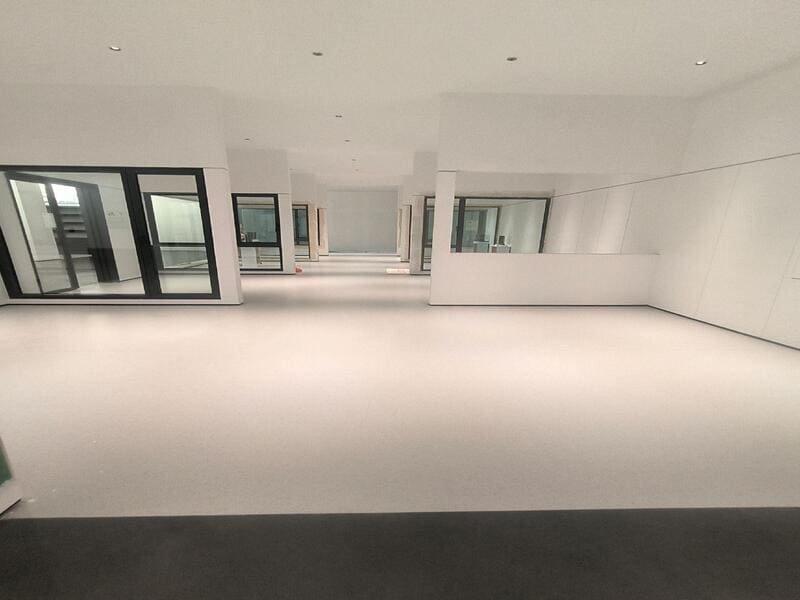
Pour choisir le matériau le plus adapté, il faut comparer directement toutes les options. Comparons le PVC à d'autres revêtements muraux couramment utilisés dans les établissements de santé commerciaux.
Comment le revêtement mural en PVC se compare-t-il à la peinture époxy, au FRP et aux carreaux de céramique ?
Le revêtement mural en PVC surpasse les autres matériaux en offrant une surface sans joint qui résiste mieux aux chocs que la peinture, ne présente pas les joints sales caractéristiques du carrelage et offre une stabilité chimique supérieure à celle du FRP.
| Caractéristiques de performance | Panneaux en PVC rigide | Peinture époxy | Fibre de verre (FRP) | Carreaux de céramique |
|---|---|---|---|---|
| Méthode d'étanchéification des joints | Soudage à chaud | Aucun (base sans couture) | Bandes de finition en plastique | Coulis à base de ciment |
| Résistance aux chocs | Exceptionnel | Minime | Modéré | Fragiles (copeaux) |
| Effort de nettoyage | Très faible | Faible (s'use) | Moyen | Élevé (joints) |
| Durée de vie totale | 15 ans et plus | 1 à 2 ans | 5-7 ans | 10 ans et plus |
Examinons de plus près les différences physiques entre ces options. La peinture époxy s’écaille facilement lorsqu’elle est heurtée par du matériel, exposant ainsi le mur sous-jacent. Les carreaux de céramique sont résistants, mais reposent sur des joints de ciment qui absorbent les liquides sales et sont difficiles à désinfecter. Les panneaux renforcés de fibre de verre (FRP) utilisent des bandes de jonction en plastique qui se détachent souvent du mur, créant ainsi des recoins cachés où des bactéries dangereuses peuvent se multiplier. Les plaques de PVC rigide utilisent une technologie de soudage à chaud pour créer une surface unique et continue sur toute la surface du mur.
Comparaison approfondie des matériaux et compromis techniques
Le danger des joints de carrelage traditionnels
Le coulis de ciment est intrinsèquement poreux et absorbe l'humidité par capillarité. Même lorsqu'il est imperméabilisé, un lavage répété avec des solutions acides ou alcalines détruit la couche d'imperméabilisation, exposant ainsi le coulis à l'état brut à une contamination biologique.
Bandes de finition en FRP ou joints en PVC soudés à chaud ?
Les installations en FRP reposent sur des caches de joints mécaniques en plastique. Avec le temps, les chocs provoqués par les lits d'hôpital finissent par déloger ces caches, alors que les joints en PVC soudés à chaud fusionnent les panneaux de manière permanente au niveau moléculaire.
Les différents services hospitaliers sont exposés à des risques variés. Passons en revue les propriétés spécifiques que doivent présenter les matériaux utilisés dans chaque service clinique.
Quelles sont les spécifications relatives au PVC requises pour les différentes zones fonctionnelles d'un hôpital ?
Les salles d'opération nécessitent un revêtement en PVC antistatique et ultra-lisse, tandis que les couloirs très fréquentés requièrent des panneaux épais associés à des cornières de protection robustes pour résister aux chocs.
| Zone hospitalière fonctionnelle | Épaisseur de PVC recommandée | Propriété requise du matériau de base | Méthode de finition des joints |
|---|---|---|---|
| Salles d'opération / Unités de soins intensifs | 2,0 mm — 2,5 mm | Surface antistatique et ultra-lisse | Sans soudure, soudé à chaud |
| Principaux axes | 2,5 mm — 3,0 mm | Haute résistance aux chocs, résistant aux rayures | Soudé avec des protections d'angle |
| Chambres des patients | 1,5 mm — 2,0 mm | Motif biophilique, faibles émissions de COV | Soudé sans soudure / Assortiment de couleurs |
| Salles de bains et pièces humides | 2,0 mm | 100% : étanche, résistant à la moisissure | Thermoformé et scellé au silicone |
Une seule épaisseur ou un seul type de matériau ne peut pas convenir à tous les espaces d’un établissement médical. Les blocs opératoires et les unités de soins intensifs nécessitent un revêtement en PVC ultra-hygiénique et antistatique afin d’empêcher la poussière en suspension dans l’air de se déposer sur les murs à proximité des appareils électroniques sensibles. Les couloirs principaux très fréquentés nécessitent des panneaux en PVC épais associés à des cornières de protection renforcées et résistantes afin d’absorber les chocs réguliers causés par les chariots de ravitaillement lourds. Dans les chambres de patients standard, l’accent est mis sur l’esthétique, avec l’utilisation d’imprimés biophiliques apaisants certifiés à faible teneur en COV afin de garantir une qualité de l’air intérieur sûre. Pour les sanitaires publics et les zones de douche humides, nous utilisons des plaques de PVC imperméables 100% dotées de barrières anti-humidité étanches afin d’empêcher l’eau de s’infiltrer dans les structures murales adjacentes.
Adéquation des matériaux techniques pour les zones hospitalières
Exigences essentielles pour les salles blanches et les blocs opératoires
Les blocs opératoires nécessitent des murs capables de résister à des nettoyages quotidiens intensifs à l'aide de produits chimiques. Le PVC doit présenter une surface parfaitement lisse afin que les outils de nettoyage puissent entrer pleinement en contact avec celle-ci, sans laisser le moindre résidu chimique.
Gestion à fort impact dans les axes à forte circulation
Les couloirs sont constamment soumis à des frottements causés par le passage du matériel. La pose d'une feuille de PVC plus épaisse permet d'éviter que les rayures profondes ne transpercent la couche de matériau, préservant ainsi intégralement la barrière anti-humidité.
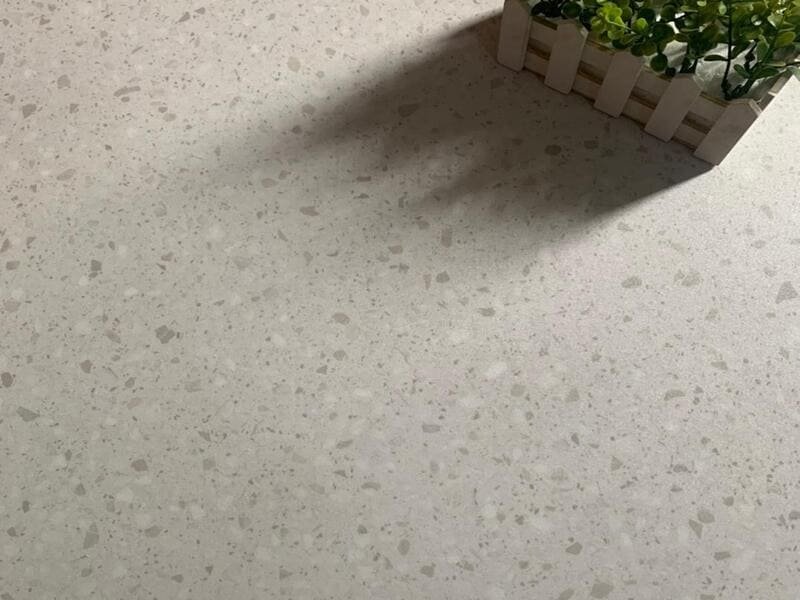
Le choix du matériau approprié n'est qu'une première étape. Examinons maintenant les méthodes de pose précises à respecter pour garantir une adhérence durable et fiable.
Quelles sont les bonnes pratiques d'installation et les exigences relatives au support pour les panneaux muraux en PVC à usage intensif ?
Pour garantir la réussite de la pose du PVC, il est indispensable de disposer d'un support parfaitement plat et sec, de procéder à un thermoformage de précision au niveau des angles structurels et d'assurer une soudure thermique homogène des joints.
- Préparation du substrat (plat, sec, propre)
- Application de la colle (couverture totale)
- Positionnement des panneaux et laminage à l'air
- Thermoformage des angles et soudage à chaud
En tant que responsable des installations, je sais qu’une mauvaise préparation des murs est à l’origine de la plupart des défaillances sur chantier. Les installateurs doivent s’assurer que le support mural est parfaitement plat, structurellement sec et exempt de poussière avant d’appliquer un adhésif acrylique haute résistance. Nous utilisons des techniques d’application à la truelle à couverture totale pour garantir qu’aucune bulle d’air ne subsiste derrière les panneaux. Nos équipes de chantier utilisent des pistolets chauffants spécialisés pour thermoformer les angles intérieurs et extérieurs directement sur place, créant ainsi un courbure lisse et continue au lieu d’utiliser des moulures d’angle en plastique peu hygiéniques. Enfin, nous utilisons des baguettes de soudure en PVC assorties pour souder ensemble tous les joints entre les panneaux, créant ainsi une finition murale homogène.
Protocoles d'installation étape par étape pour le PVC à usage commercial
Méthodes d'essai des substrats critiques
Nous utilisons des humidimètres numériques pour vérifier que les murs de support en béton ou en plâtre présentent une teneur en humidité inférieure à 4% avant d'appliquer tout adhésif. Des taux d'humidité élevés altèrent les colles acryliques spécialisées, ce qui provoque l'apparition de bulles et de cloques sur les panneaux au fil du temps.
Techniques de soudage à chaud de précision
Les poseurs doivent rainurer proprement les joints des panneaux avant de faire passer la baguette de soudure en vinyle dans une buse automatique « Speed Tip » chauffée à exactement 350 °C. Une fois refroidie, l'excédent de baguette doit être coupé à ras à l'aide d'un couteau à spatule bien aiguisé afin d'obtenir une surface parfaitement plane.
Les projets modernes doivent également trouver un équilibre entre la durabilité et les normes environnementales. Examinons les indicateurs de durabilité des revêtements muraux modernes en PVC.
En quoi les revêtements muraux modernes en PVC recyclables contribuent-ils au mouvement en faveur d'hôpitaux écologiques ?
Les revêtements muraux modernes en PVC répondent aux normes de construction respectueuses de l'environnement grâce à l'utilisation de polymères entièrement recyclables et à l'obtention de certifications garantissant une faible teneur en COV, afin de préserver la qualité de l'air intérieur.
| Norme de développement durable | Type de certification | Un réel bénéfice pour l'environnement |
|---|---|---|
| Qualité de l'air intérieur | GreenGuard Gold / FloorScore | Émissions chimiques extrêmement faibles pendant l'utilisation |
| Cycle de vie du produit | EPD selon la norme ISO 14025 | Impact environnemental faible avéré |
| Teneur en métaux lourds | Conforme au règlement REACH | Sans plomb, sans cadmium ni stabilisants toxiques |
Le mouvement en faveur des hôpitaux écologiques modernes accorde une grande importance à la salubrité de l’environnement intérieur. Les matériaux de décoration murale en PVC de dernière génération sont conçus dans un souci de durabilité, en utilisant des stabilisants sans métaux lourds et des bases polymères entièrement recyclables. Ces produits sont certifiés conformes à des normes strictes en matière de faibles émissions de COV, telles que GreenGuard Gold, ce qui garantit qu’ils ne dégageront pas de gaz chimiques nocifs dans les zones de soins aux patients. De plus, leur extrême durabilité réduit la nécessité de les remplacer fréquemment, ce qui diminue l'empreinte carbone totale et la production de déchets de votre établissement tout au long de sa durée de vie opérationnelle.
Certifications environnementales et valeur écologique à long terme
Comprendre l'impact de la certification « faible teneur en COV »
Les normes GreenGuard Gold garantissent que les matériaux peuvent être utilisés en toute sécurité dans des environnements sensibles tels que les écoles et les hôpitaux. Nos formulations spécialisées à base de PVC ne contiennent pas de plastifiants à base de phtalates, ce qui permet de préserver la pureté et la salubrité de l'air intérieur pour les patients en convalescence.
Programme d'économie circulaire et de recyclage des matériaux
Lorsqu'une partie d'un bâtiment est finalement rénovée, les anciennes feuilles de vinyle peuvent être broyées et transformées en nouveaux produits industriels. Ce cycle de recyclage permet d'éviter que les déchets de construction ne finissent dans les décharges locales.
Résumons les points essentiels et définissons les prochaines étapes de votre futur projet de rénovation des locaux.
Conclusion
Les revêtements muraux en PVC offrent les meilleures performances en matière d'hygiène, de résistance aux chocs et d'économies à long terme, ce qui en fait le choix idéal pour les projets de décoration murale dans les hôpitaux modernes.
Vous avez besoin d'échantillons techniques ou d'un devis pour un projet ?
Si vous envisagez de rénover un établissement de santé ou de concevoir une nouvelle clinique, n’hésitez pas à m’envoyer directement un message privé. Je vous apporterai des conseils d’expert sur le choix des matériaux, les options d’épaisseur sur mesure et les consignes d’installation professionnelles adaptées à votre projet spécifique.