


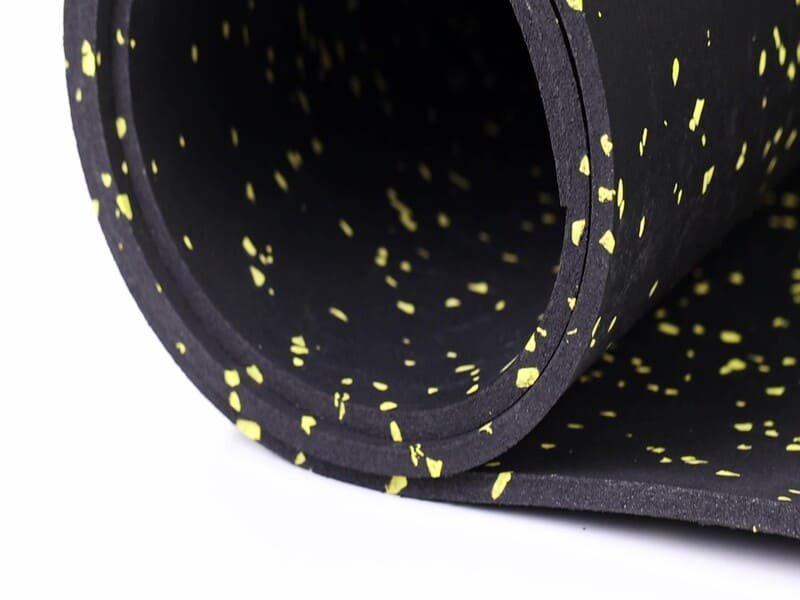
Les revêtements de sol en caoutchouc noir développent un voile blanc principalement en raison d'un processus naturel appelé floraison de la cire de paraffine, au cours duquel les cires internes migrent vers la surface pour se protéger des UV. D'autres causes sont les dépôts minéraux de l'eau dure, les résidus de savon des nettoyants inappropriés ou les restes de poussière de construction lors de la phase d'installation.
En tant qu'ingénieur R&D ayant passé des années dans des usines de fabrication de caoutchouc, je vois souvent des clients paniquer lorsque leurs tapis de gymnastique d'un noir profond - comparés à d'autres solutions telles que les tapis d'entraînement - ne sont plus utilisables. caoutchouc noir vs EPDM revêtement de sol moucheté-devenir gris ou crayeux. Ce phénomène n'est pas un défaut du produit mais une réaction biologique du matériau. Au cours de la production, nous ajoutons des cires de paraffine spécifiques au composé de caoutchouc pour agir comme un "antiozonant". Cette cire est conçue pour se déplacer lentement vers la surface afin de créer une barrière protectrice contre l'ozone et l'oxygène, ce qui empêche le caoutchouc de se fissurer ou de devenir cassant au fil du temps. Toutefois, lorsque des facteurs environnementaux tels que la température ou l'humidité fluctuent rapidement, ce processus s'accélère, ce qui entraîne l'apparition d'une pellicule blanche épaisse et inesthétique. Il est important de comprendre que si ce phénomène ressemble à une défaillance du matériau, il s'agit en fait d'une protection du caoutchouc par lui-même. En déterminant si votre voile est dû à une efflorescence de cire, à un dépôt d'eau dure ou à un résidu chimique, vous pouvez appliquer la solution technique appropriée pour restaurer cet aspect haut de gamme.
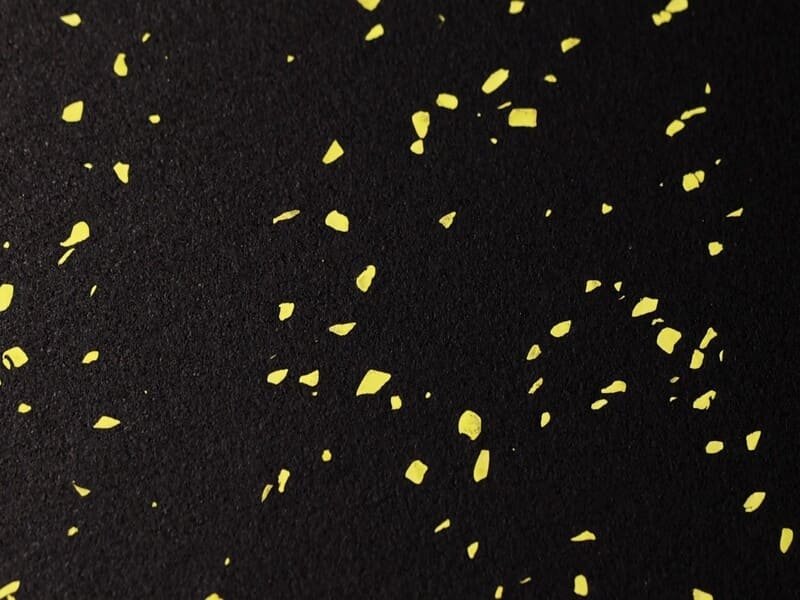
Cette pellicule blanche est un obstacle technique courant, mais vous pouvez la réparer complètement si vous suivez les bonnes étapes de restauration.
L'efflorescence de la cire de paraffine est-elle la seule raison de la décoloration de votre sol ?
L'efflorescence de la cire de paraffine est la cause la plus fréquente, mais les dépôts minéraux de l'eau dure et les résidus de nettoyage à pH élevé créent également un aspect blanc et trouble similaire sur les surfaces en caoutchouc.
| Cause de la brume blanche | Caractéristiques physiques | Origine primaire |
|---|---|---|
| Paraffine Blooming | Film cireux, huileux ou "poussiéreux". | Additifs de fabrication interne |
| Dépôts d'eau dure | Taches croûteuses, blanches ou en forme d'anneau | Calcium/magnésium dans l'eau du robinet |
| Résidus de nettoyage | Traces collantes ou ternes | Savons ou décapants pour sols à pH élevé |
| Installation Poussière | Poudre grise fine et libre | Sous-plancher en béton ou éraflures |
Lorsque j'analyse ces problèmes en laboratoire, j'utilise un simple "test de frottement". Si la poudre blanche s'enlève facilement mais revient au bout de quelques jours, il s'agit très certainement d'une efflorescence de cire. Si les taches sont tenaces et rugueuses au toucher, vous avez probablement affaire à des minéraux d'eau dure. De nombreux utilisateurs commettent l'erreur d'utiliser du vinaigre ou de l'eau de Javel pour résoudre ce problème. D'après mon expérience, les nettoyants acides ou alcalins puissants peuvent en fait endommager les liaisons SBR (caoutchouc styrène-butadiène) ou provoquer une réaction de la cire, qui devient alors encore plus visible. Nous devons utiliser une approche ciblée qui tient compte de la chimie spécifique du résidu. Par exemple, la cire nécessite une action dégraissante douce, tandis que les minéraux ont besoin d'un agent chélateur. L'utilisation du mauvais produit chimique est le moyen le plus rapide de transformer un problème de surface temporaire en une dégradation permanente du matériau.
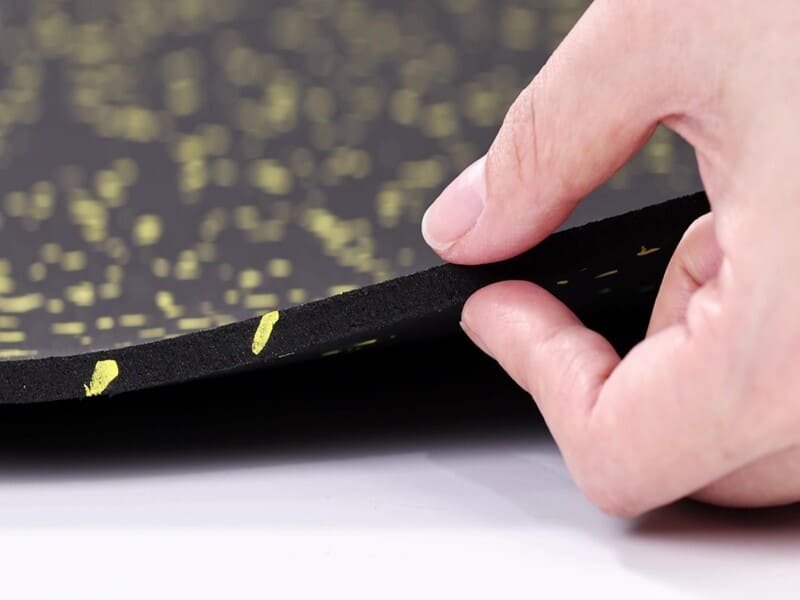
Comprendre le "pourquoi" nous permet d'éviter la panique, alors passons au "comment" de la restauration professionnelle.
Comment éliminer efficacement le voile blanc et restaurer le lustre noir ?
Pour réparer le voile, il faut utiliser un nettoyant à pH neutre et un système de rinçage à deux bacs pour décaper la cire de surface sans endommager le caoutchouc, puis un produit de scellement spécifique.
Le processus de restauration technique
| Étape | Action | Outils/matériels requis |
|---|---|---|
| Phase 1 | Nettoyage et dégraissage en profondeur | Nettoyant à pH neutre, brosse douce, aspirateur à eau |
| Phase 2 | Rinçage à deux bacs | Deux seaux, des serpillières en microfibres propres, de l'eau fraîche |
| Phase 3 | Conditionnement et étanchéité | Scellant pour sol en caoutchouc à base d'eau, applicateur |
Au cours de mes années de conseil technique, j'ai constaté que la phase 2 est celle où la plupart des gens échouent. Si vous n'utilisez qu'un seul seau, vous ne faites que répandre la cire dissoute sur le sol. La méthode des "deux seaux" est une norme dans la gestion professionnelle des installations. Un seau contient la solution de nettoyage et l'autre de l'eau propre pour rincer la serpillière. Cette méthode garantit que la paraffine est réellement soulevée et éliminée de la surface poreuse du caoutchouc. Une fois que le sol est sec et "nu", il est très terne. C'est le moment d'appliquer un vitrificateur à base d'eau de haute qualité. Je recommande toujours un enduit de finition mat ou satiné pour les gymnases. Ce produit agit comme une barrière secondaire, "bloquant" la cire interne restante à l'intérieur du caoutchouc et offrant une surface lisse qui est beaucoup plus facile à nettoyer quotidiennement. Ce processus fait passer le sol d'un casse-tête nécessitant beaucoup d'entretien à une surface de qualité professionnelle.
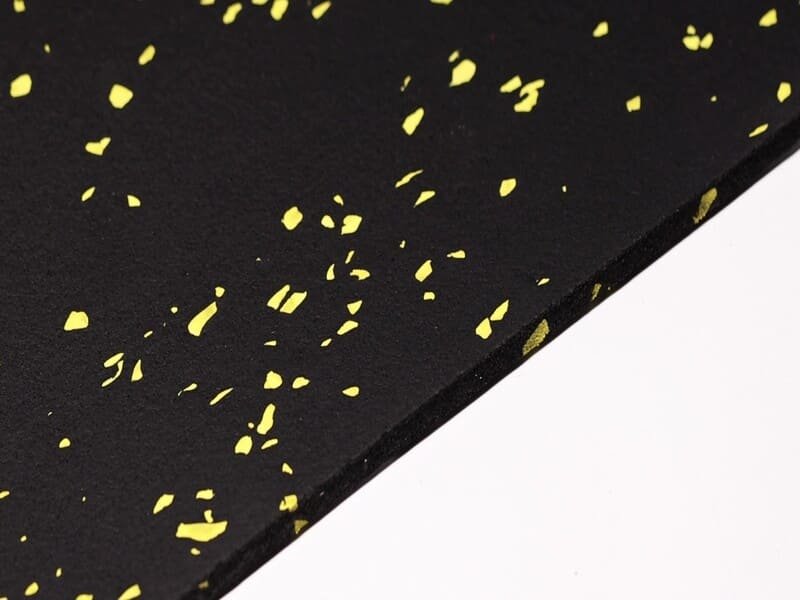
Un nettoyage en profondeur n'est que la moitié de la bataille ; la véritable valeur réside dans la prévention de la réapparition de la brume.
Quelles sont les meilleures pratiques pour l'entretien à long terme du caoutchouc noir ?
La meilleure façon de prévenir le voile est de maintenir un environnement stable et d'utiliser uniquement des produits de nettoyage au pH neutre qui ne laissent pas de film savonneux et n'attirent pas la poussière.
Normes d'entretien et de prévention
| Fréquence des tâches | Action | Objectif technique |
|---|---|---|
| Quotidiennement | Serpillière sèche en microfibre | Éliminer les grains abrasifs et la poussière de surface |
| Hebdomadaire | Vadrouille humide avec un nettoyant de pH 7-8 | Neutralise la sueur et les huiles légères |
| Mensuel | Brossage en profondeur avec l'auto-récureuse | Extraire la saleté incrustée dans les pores |
| Annuel | Renouveler l'application du conditionneur de surface | Maintien de la barrière UV et de la profondeur des couleurs |
J'ai travaillé un jour avec le propriétaire d'un gymnase commercial qui utilisait du WD-40 pour rendre ses sols "brillants". C'est un désastre pour le caoutchouc. Les produits à base de pétrole comme le WD-40 ou les savons à base d'huile ramollissent le caoutchouc et finissent par le dilater et le déformer. En tant qu'ingénieur, mon conseil est simple : restez neutre. Si vous êtes dans une salle de sport à domicile, un simple nettoyage manuel avec une brosse douce suffit. Pour les installations plus importantes, je recommande l'utilisation d'une autolaveuse équipée d'un tampon rouge. Elle fournit l'agitation mécanique nécessaire pour que les pores du caoutchouc restent clairs. Vous devez également essayer de maintenir la température de votre gymnase stable. Les fortes variations de chaleur font "respirer" le caoutchouc, ce qui fait remonter la cire à la surface. Si vous maîtrisez la chimie de votre seau à franges et le climat de votre salle, vos sols resteront noirs et brillants pendant des années.
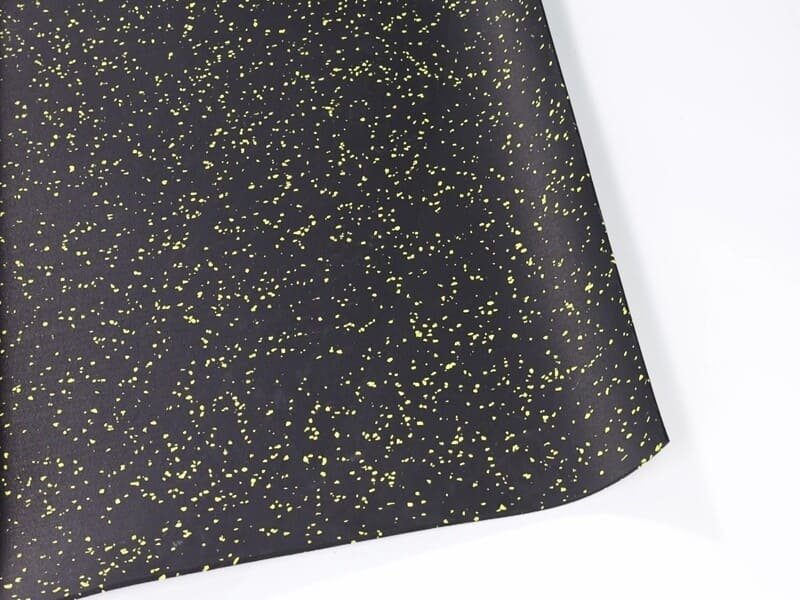
Le voile blanc est une partie gérable de la possession d'un caoutchouc de haute qualité, à condition que vous traitiez le matériau avec le respect que sa chimie exige.
Conclusion
La réparation d'un voile blanc nécessite un nettoyage, un rinçage et une vitrification. Utilisez des produits chimiques neutres pour protéger votre investissement et conserver l'aspect neuf de votre revêtement de sol en caoutchouc noir.
Si vous êtes aux prises avec un voile blanc persistant ou si vous avez besoin de nettoyants de qualité professionnelle pour votre établissement, envoyez-moi un message privé pour obtenir un plan d'entretien personnalisé !