


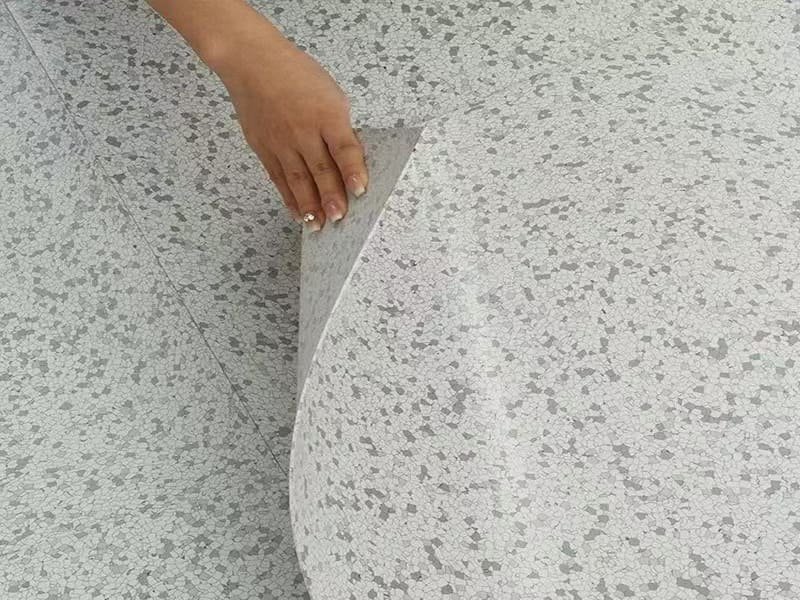
When a vinyl flooring design is discontinued mid-project, replacing the exact product gets harder, but it is not always impossible. Confirm the product status with the manufacturer, check remaining stock, and review compatible options before you patch or replace the floor.
I work in vinyl flooring production, and I support custom and bulk orders where product changes can hit a project at any time. The scene is familiar. You are halfway through the install, or your contractor says, "We are two boxes short, and this color is discontinued." Manufacturers may retire or revise a collection when designs, demand, and production plans change, and the timing is different for each manufacturer and product line. A retail site may say "discontinued" while boxes still sit in a warehouse. This guide gives you a clear plan:
- What to do in the first 24 hours
- How to confirm the real product status
- Where to look for leftover stock
- Which workarounds are safe to use
- How to sort out cost and keep your records
- How to avoid the same problem next time
The first day matters most, so let’s start there.
What Should I Do in the First 24 Hours After Learning a Vinyl Design Is Discontinued?
Pause the install until the product status and your options are clear. Recount the exact shortage, and save your carton labels and order papers. Weigh the cost of delay against the risk of installing a mismatched product.
The first day is for control, not for buying. Do these three things before you spend more money.
Recount the Exact Shortage
Measure only the floor that is still open. Divide that area by the square feet per carton on the label. Then add an allowance based on your layout, plank size, and cutting plan. Do not use a panic number.
Confirm the Real Status
"Discontinued" can mean different things. Ask the manufacturer or seller which case applies to you, because each case leads to a different next step.
| Product Status | Ce que cela signifie | Prochaine étape |
|---|---|---|
| Temporarily out of stock | Still sold, but not on hand | Ask for a restock date and wait or reserve |
| Discontinued, stock at distributor | Old model, but boxes remain | Ask for a stock transfer |
| Discontinued, replacement offered | Maker names a new model | Check the replacement against your floor and your project needs |
| Discontinued, no replacement | No official substitute | Plan a patch, a custom run, or a redesign |
A replacement model that the manufacturer recommends does not automatically meet your project needs. Check it against the original spec, your acceptance standards, and your contract. This matters most for schools, gyms, healthcare spaces, and other jobs with set performance or certification rules.
Pause Work and Audit Site Waste
Every extra row with a doubtful match may need to be removed later. Idle workers also add labor cost, so decide how long to pause based on how fast you can get answers. While the crew waits, sort your off-cuts and planks with clean ends. They can often cover small gaps, such as the edge under a toe kick.
Once you know the true status and the exact number, you can start the search.
Where Can I Find Discontinued Vinyl Flooring Stock?
Start with the manufacturer and its regional reps. Then check distributors, liquidators, closeout sites, and local installers. Always compare the product code, batch information, and a physical sample before you buy.
I call this "ghost stock." The product is gone from the shelf, but it may still exist in the supply chain.
Go to the Source
Store staff usually see only their own system. Call the manufacturer, ask for the regional sales rep, and ask about distributor warehouses. For a large project, ask if a custom run is possible. Minimum order quantities can be high, so this route fits big jobs best.
Check Secondary Markets
Liquidators, overstock yards, and closeout sites sometimes hold single pallets. Local installers and builders may also have leftovers from past jobs. Ask in trade groups, and ask how the boxes were stored.
Check Batch and Visual Consistency
Products with the same model or color name may look different between production batches. Surface texture, gloss, and the printed pattern can all vary, and room lighting changes how you see them. Before you buy more, compare the product code and batch information, then hold a physical sample next to your installed floor in the room’s own light. A close look does not prove the products are technically compatible, so confirm the structure and thickness too.
| Source | Questions à poser | Risque principal |
|---|---|---|
| Manufacturer / regional rep | Remaining stock or approved replacement | Lead time or minimum order |
| Distributor warehouse | Available quantity and batch details | Limited stock |
| Liquidator / closeout seller | Product code, condition, and batch | Limited quantity or mismatch |
| Installer leftovers | Exact model, quantity, and storage condition | Not enough stock or unknown condition |
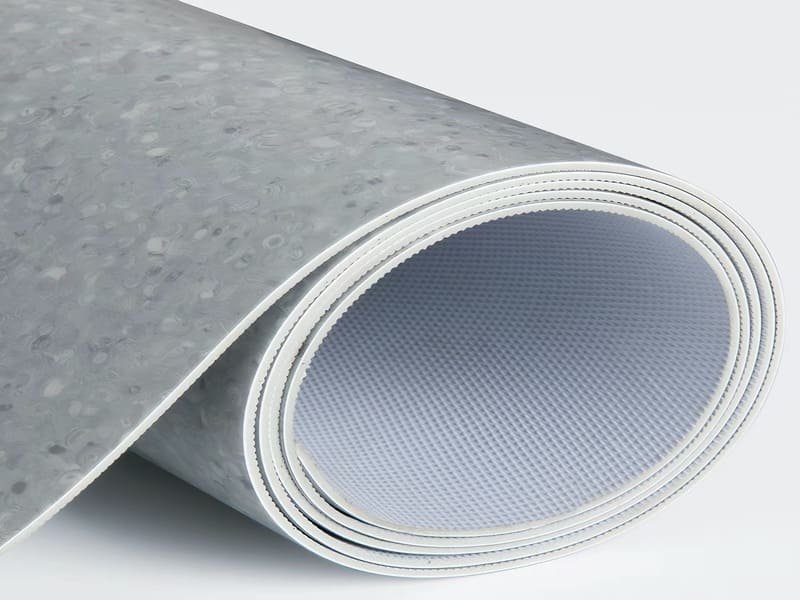
If every search comes back empty, you still have options that do not mean tearing out the floor.
How Can I Finish the Floor If I Can’t Find Another Box?
Use a hidden-area swap, a natural transition, or a deliberate design feature. Each option works only if the products are compatible in structure, thickness, and install method, so check those details before you cut or glue anything.
A good workaround looks planned, not forced. I have seen a shortage turn into a feature that customers liked more than the first plan. The technical check comes first, though.
The Borrow and Shift Trick
This means moving matching planks from low-view areas, such as the inside of a closet, a pantry, or the space behind a refrigerator, into the main room. Then you fill the hidden spots with a close or neutral match. It can work when the floor is a compatible floating system and the planks come out without real damage. Taking up click-lock planks may mean lifting them row by row from the end of the install, and the locking edges can break. Check the maker’s guide on taking up planks, check the edge condition, and make sure you have enough material to restore both areas. It is usually not practical for glued-down LVT or sheet vinyl.
Use Natural Transitions
Doorways, hallways, and the edge of an open-plan zone give you a clean place to switch to a second color or material. Before you pick the second product, check the items below.
| Vérifier ceci | Pourquoi c'est important |
|---|---|
| Install method (floating or glue-down) | Floating and glue-down products can be used in separate zones when the products, base, transitions, and install details suit them. Follow each maker’s install guide. |
| Total thickness and finished height | A height gap creates a trip edge |
| Lock type or adhesive needs | Edges and joints must fit the system |
| Surface texture and gloss | Different finishes can clash |
| Project performance needs (slip, wear, fire, warranty) | Commercial jobs may require them |
Pivot to a Feature Design
A contrasting border, a threshold accent strip, or a faux-rug inlay in a different LVT pattern can make the change look chosen. Use the same checklist above for any border or inlay product.
A smart patch can save the floor, but it does not answer the money question.
Who Pays When a Vinyl Flooring Design Is Discontinued Mid-Project?
It depends on the confirmed order, the contract terms, when the product was discontinued, and local law. Collect your records first, then review who agreed to supply what, and by when.
Money talks go better when you bring facts and papers. I can’t give legal advice, and your contract and local law decide the result.
Who Dropped the Ball?
Timing matters. If the product was already discontinued before your quote, that is a different case from a supplier who accepted your order and then could not deliver. If your contractor under-counted the quantity, the agreement may make the contractor responsible. Read the order confirmation, the delivery promise, and any cancel or substitute terms.
Save Your Evidence
Keep these items in one folder:
- Quote and order confirmation
- Payment records
- Product code and batch labels (take photos)
- Delivery promises and dates
- Any discontinuation notice
- Remaining stock counts
- All written messages with the contractor and supplier
Return and Exchange Policies
Return eligibility depends on the seller’s written policy, your order terms, and local law. Before you buy a substitute, ask whether the old material can be returned, whether restocking or transport fees apply, and how special-order products are handled.
Contractor Communication
Redesign or re-laying means extra labor. Ask for a written change order with the new scope, price, and timeline before work restarts.
| Situation | Who May Be Responsible | Your Best Move |
|---|---|---|
| Contractor miscount | Check the agreement | Ask for a written fix or credit |
| Supplier cannot deliver a confirmed order | Review delivery and cancel terms | Ask for options in writing |
| Product discontinued before your quote | Review what was disclosed | Check the quote and order papers |
| Redesign labor | Set by agreement | Sign a change order |
Sometimes the numbers point to a harder choice, and that choice is next.
When Should I Rip Up the Floor and Start Over?
Replace the whole floor when a patch will sit in your main sightline, or when the patch plus extra labor costs about the same as new material. Full replacement lowers the risk of a visible mismatch, but it adds removal and reinstall costs.
I only suggest this when both the numbers and the look point to it.
Run the Cost-Benefit Check
Do not compare only material cost and looks. Add removal work, base repair, furniture moving, any lost business time, and your contract deadline. A bad patch in a main room can lower the look of the space, but removal can also damage the base or nearby areas.
| Facteur | Correctif | Remplacement intégral |
|---|---|---|
| Material cost | Faible | Haut |
| Labor cost | Medium (extra cuts, redesign) | High (removal and new install) |
| Look | Depends on location | Cohérent |
| Risque | Visible mismatch | Lower mismatch risk, higher removal and reinstall cost |
| Schedule | Short delay | Longer delay |
Repurpose the Leftovers
You do not have to waste the vinyl you already bought. Use it first on other floor areas that fit the product’s technical needs, such as a small powder room, a laundry room, or a rental unit. If you want to use it on a wall, ask the manufacturer first about approved uses, the install system, and base needs, because many floor products are not approved for walls.
Once you know the worst case, you can plan so you never face it again.
How Can I Avoid Running Short on Vinyl Flooring Next Time?
Work out your allowance from the layout and cutting plan, confirm enough compatible material before work starts, and keep labeled spare boxes for future repairs. Do not use one fixed waste percentage for every project.
Two ideas get mixed up here, so keep them apart.
Installation Allowance
This is the extra material you need to finish the job. It depends on the room layout, plank or roll size, the cutting plan, and the manufacturer’s guide. Complex layouts like herringbone or diagonal need more than simple straight runs, but the right number comes from your plan, not from a fixed rule.
Stock de grenier
This is separate material you keep for future repairs. If a collection looks short-run or likely to change, think about keeping extra cartons for this purpose. Label each carton with the room, the date, and the batch number. Store them flat in the original boxes, in a dry space with steady room temperature, and follow the manufacturer’s storage guide.
Confirm Supply Before Work Starts
Before demolition or install, confirm that enough compatible material is available to finish the planned job, including your cutting allowance. If deliveries come in phases, check the remaining supply, the delivery dates, and product continuity before work begins. Check every carton for the correct product code and, where it applies, batch or lot information. Keep batch details the same within one visible install area when you can, and follow the manufacturer’s guide if you must use more than one batch.
| Règle | Action | Bénéfice |
|---|---|---|
| Installation allowance | Calculate from layout and cutting plan | Fits the real job |
| Attic stock | Keep labeled spare cartons, store flat | Easier future repairs |
| Confirm supply | Check quantity, delivery dates, and batch info first | No mid-project surprise |
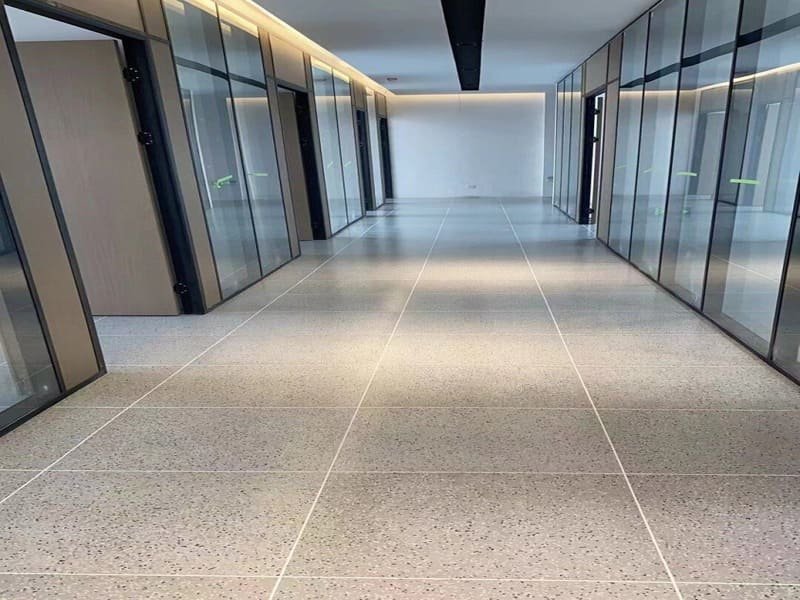
A clear plan makes your next project calmer, and it makes the final step simple.
Conclusion
A discontinued design hurts, but a quick pause, a status check, smart sourcing, and a compatible workaround can still give you a floor you like.
If you are stuck with a discontinued vinyl design right now, send me a DM. Tell me the product name, the batch number, and how much you still need. I will help you review your options, from leftover stock to a custom match, so you can finish with confidence.