


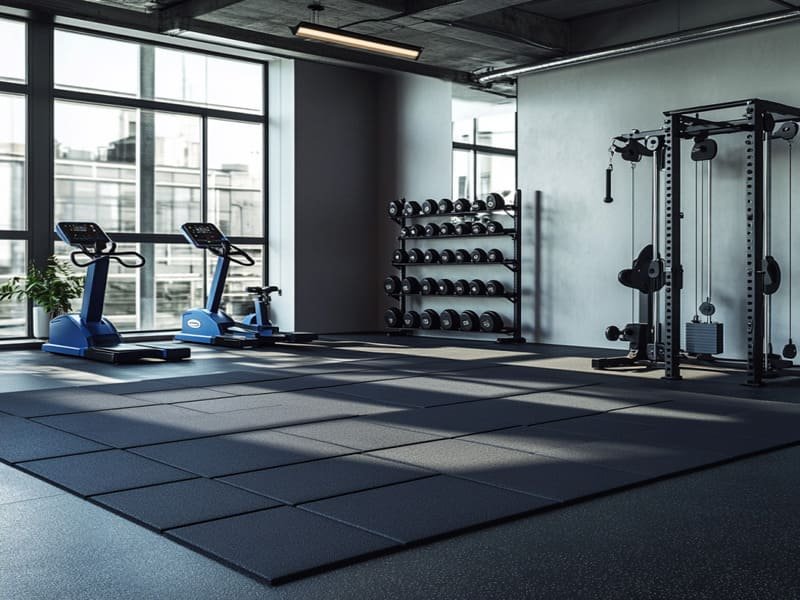
Yes, if you are installing over concrete in a basement or garage, you absolutely need a vapor barrier to prevent mold and adhesive failure. However, if you are installing over a wood subfloor on an upper level, you typically should skip the barrier to allow the wood to breathe and prevent rotting.
In my 15 years as a contractor building home gyms, I have seen too many "dream gyms" turn into nightmares because of this single detail. The core issue is presión hidrostática. Concrete is porous, acting like a hard sponge that wicks moisture from the ground up. Even if your basement floor feels bone-dry to the touch right now, moisture vapor is constantly moving through it.
When you lay down dense rubber flooring, you are effectively capping that moisture. Without a vapor barrier, that trapped moisture has nowhere to go. It accumulates between the cool concrete and the rubber, creating a "greenhouse effect." This environment is perfect for mold growth and bacteria. I have pulled up mats that were only down for six months, and the smell of mildew was overwhelming. It’s not just about the smell; the moisture can break down the binders in the rubber and turn flooring adhesive back into a useless sludge.
Now that we understand the basic "why," we need to look at your specific situation.
Does Your Subfloor Material Dictate the Moisture Strategy?

Your subfloor is the single most important factor: Concrete requires a 6-mil polyethylene barrier to block rising ground moisture, whereas wood subfloors generally prohibit the use of non-breathable plastic to avoid trapping ambient moisture and causing rot.
When I inspect a job site, the first thing I check is the subfloor material. This decision is binary and critical.
- Concrete (Basement/Garage): The moisture source is the earth itself. The concrete will "sweat" vapor indefinitely. Here, the vapor barrier protects your investment (the rubber) from the house.
- Wood Subfloors (Plywood/OSB): Wood is organic; it expands and contracts with humidity. If you trap moisture against wood with a plastic sheet, you risk dry rot. I once worked on a second-floor gym where the owner used a heavy plastic liner over plywood "just to be safe." A year later, the plywood was black with rot. For wood, you want a breathable barrier like Kraft paper, or often nothing at all.
| Tipo de subsuelo | Vapor Barrier Needed? | Material recomendado |
|---|---|---|
| Concrete (Basement) | YES | 6-mil Polyethylene Sheeting |
| Concrete (Garage) | YES | 6-mil Polyethylene or Vapor-Proof Glue |
| Madera (contrachapado/OSB) | NO | None or Breathable Kraft Paper |
| Existing Tile/Vinyl | Maybe | Check Grout Sealer |
The DIY Moisture Test: How to Know for Sure
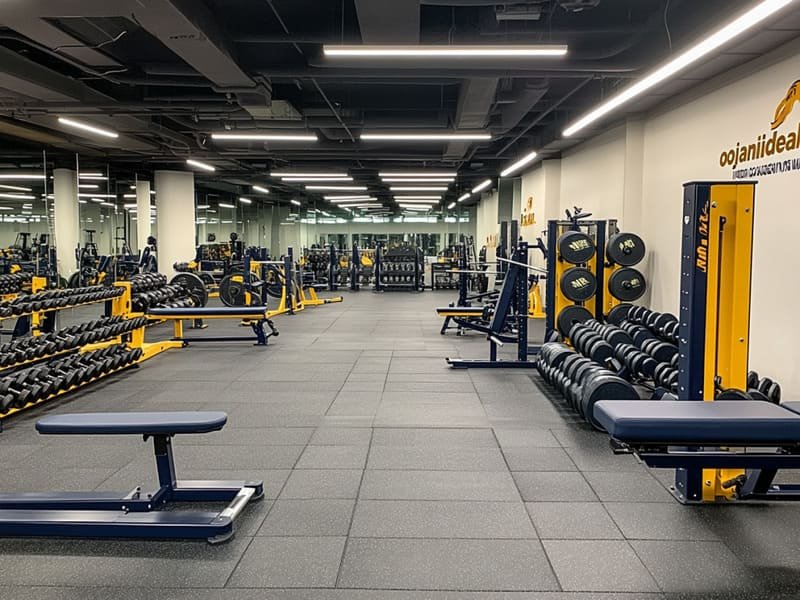
Before you rush to buy materials, you might be thinking, "My concrete looks completely dry. Do I really need this?" If you want to be 100% certain before skipping the barrier, perform this simple test (based on ASTM D4263 standards).
The Plastic Sheet Test:
- Cut a 2×2 foot square of clear plastic sheeting (even a heavy-duty trash bag works for this test).
- Tape all four edges completely down to your concrete floor using duct tape. Make sure the seal is airtight.
- Wait 24 to 48 hours.
- Inspect. Peel up the plastic.
- Is the concrete underneath darker than the surrounding area?
- Are there water droplets on the underside of the plastic?
If the answer is YES to either, you have significant hydrostatic pressure, and installing rubber without a barrier will guarantee mold issues.
Does the Type of Rubber Flooring Impact Moisture Risks?
Understanding your subfloor is step one, but we also need to consider the type of rubber flooring you chose, as some are more forgiving than others.
Baldosas encajables are more prone to letting surface liquid seep down to the subfloor compared to rolled rubber, meaning a vapor barrier serves a dual purpose: blocking rising moisture from below and stopping spilled sweat or water from above.
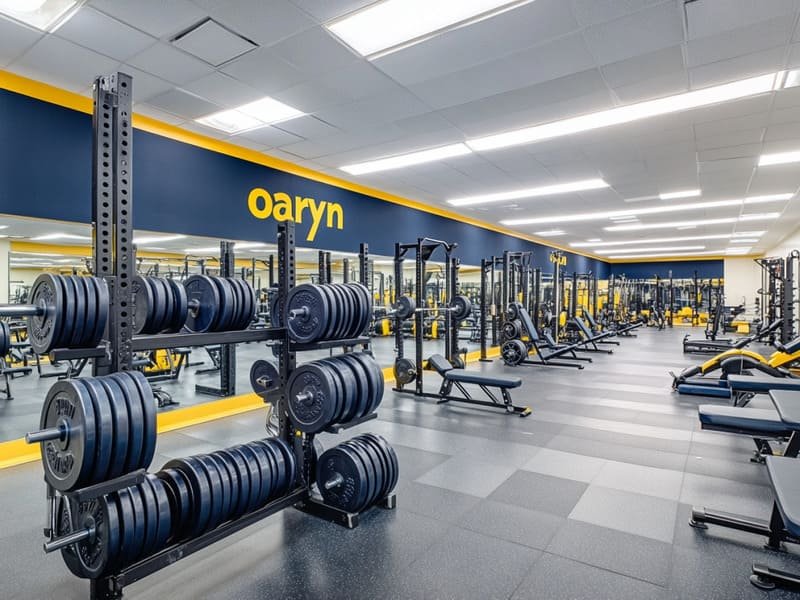
- Baldosas encajables: Every "puzzle piece" connection is a gap. If you spill a protein shake, that liquid goes right through the seams. A vapor barrier acts as a "catch-all" to protect the subfloor.
- Rolled Rubber: Has far fewer seams, keeping surface spills on top. However, because it is heavier and denser, it forms a tighter seal against the concrete, making the trap for bottom-up moisture even worse if you skip the barrier.
- Horse Stall Mats: These are often made of recycled, porous rubber. I recommend a barrier under stall mats not just for moisture, but to block the strong "sulfur" rubber smell from permeating the concrete.
How Should You Install a Vapor Barrier Based on Your Method?
We have covered the material, but the way you attach that material to the floor—glue or gravity—will make or break your vapor barrier plan.
1. Loose Lay or Floating Floor
If you are holding the floor down with gravity or double-sided tape, your life is easy.
- Method: Buy rolls of 6-mil poly.
- Process: Overlap the seams by 6 inches, tape them with waterproof tape, and run the plastic 3 inches up the wall. Lay the rubber right on top.
2. Full Glue Down
This is the most common installation mistake I fix. A client calls me saying their floor is "bubbling." I go to the site and find they tried to glue rubber mats directly to a plastic sheet.
Crucial Rule: Glue does not stick to polyethylene plastic. It will peel right off.
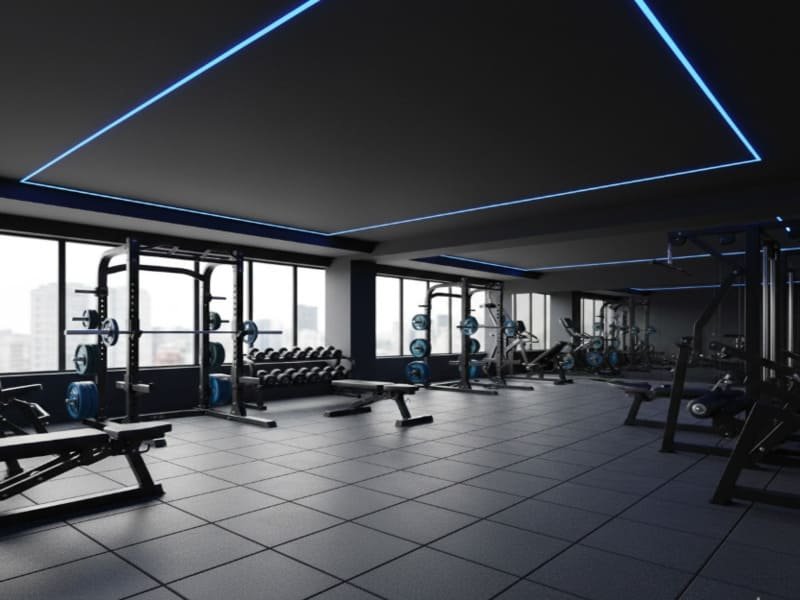
If you want a professional, permanent glued-down floor, you cannot use a plastic sheet. Instead, you need to apply a liquid vapor barrier (often an epoxy-based primer) to the concrete first. This seals the concrete pores. Once that cures, you spread your adhesive on top of the sealed surface.
| Install Method | Compatible Barrier | Error común |
|---|---|---|
| Loose Lay | 6-mil Poly Sheet | Forgetting to tape the seams. |
| Cinta adhesiva de doble cara | 6-mil Poly Sheet | Taping rubber directly to damp concrete. |
| Full Glue Down | Liquid Membrane / Epoxy | Trying to glue rubber to a plastic sheet. |
What Are the Consequences of Ignoring Moisture Mitigation?
Skipping a vapor barrier on concrete usually leads to costly mold remediation, a permanent musty odor in your gym, and the immediate voiding of your manufacturer’s warranty.
I want to be blunt about the risks because the cost of fixing this is ten times the cost of preventing it.
- Mold & Mildew: It starts as a smell, then becomes a health hazard as spores multiply under your feet.
- Efflorescence: As moisture pushes through concrete, it brings salts with it. I have seen these salty crystals build up enough pressure to actually lift tiles or cause bumps in rolled rubber.
- Voided Warranty: Almost every major rubber flooring manufacturer has a clause that says: "Warranty void if installed on concrete without documented moisture testing or barrier."
Conclusión
Spending $50 on a simple 6-mil vapor barrier today is cheaper than spending thousands on mold remediation tomorrow. Always test your concrete using the plastic sheet method, choose the barrier that matches your installation method (sheet for loose lay, liquid for glue-down), and protect your gym from the ground up.
If you are unsure about which specific barrier fits your project, or if you want to compare samples of our commercial-grade rubber flooring and compatible underlayments, contact my team today for a free consultation or a sample kit. We are here to help you build it right the first time.