


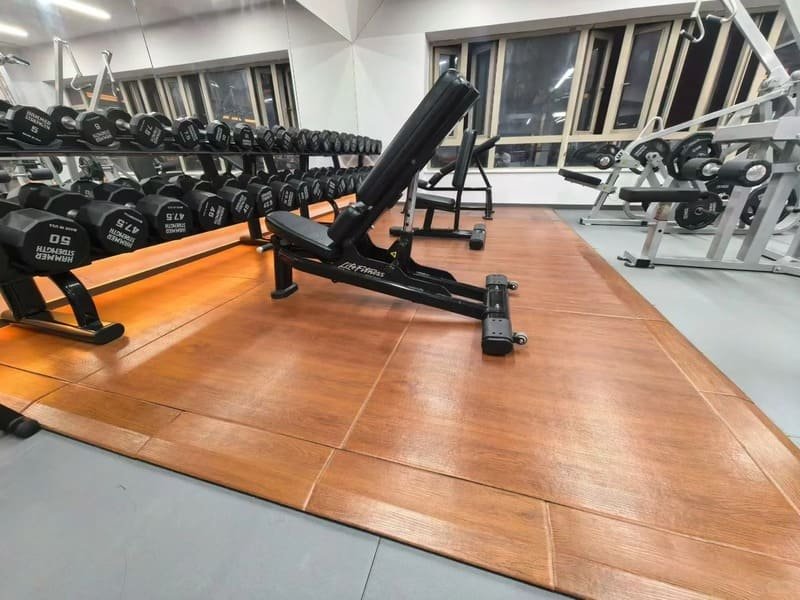
Flooring underlayment is a critical functional layer installed between the subfloor and the finish material. It acts as a primary defense against moisture, manages impact noise (IIC), and provides the necessary compressive strength to support locking joints, ensuring your floor does not fail prematurely.
I treat underlayment as an engineering component, not just a "pad." Think of your floor like an iceberg; the surface is only a small part of the story. Most failures happen underneath. If you choose an underlayment that is too soft, the vertical deflection will snap your Luxury Vinyl Plank (LVP) or SPC locking systems. If the vapor barrier is insufficient over concrete, moisture will rot your investment from the bottom up. I see these failures in the lab every week. This guide breaks down the technical data you actually need to pick the right base for a professional, long-term result.
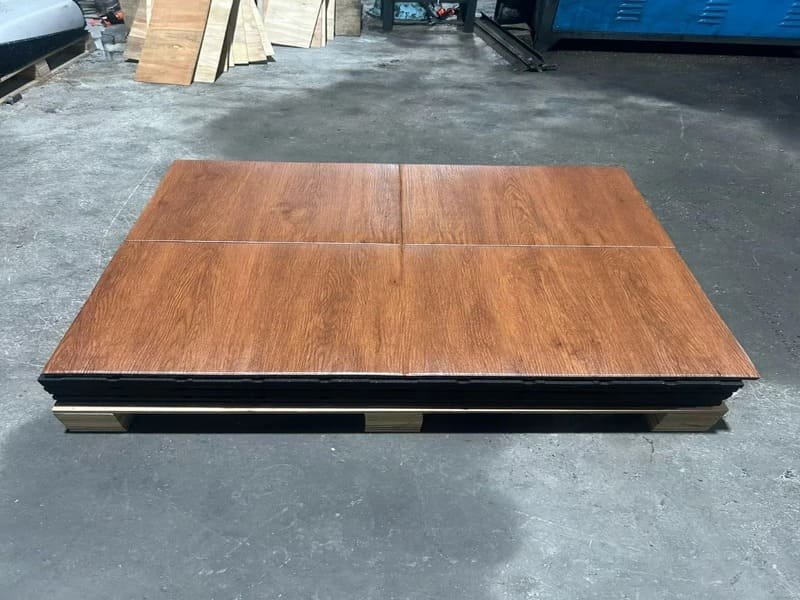
The following details explain how each material performs under real-world stress.
What Does Underlayment Actually Do for Your Floor’s Performance?
Underlayment is a multifunctional barrier designed to block moisture, dampen footstep vibration, level minor subfloor grit, and provide thermal resistance (R-value). Each property directly impacts whether a floor feels solid and quiet or hollow and cold.
| Función | Métrica técnica | Beneficios en el mundo real |
|---|---|---|
| Acoustic Control | IIC / STC Ratings | Stops the "click-clack" sound of footsteps. |
| Protección contra la humedad | Calificación Perm | Blocks subfloor dampness from causing mold. |
| Confort térmico | R-Value | Keeps the floor surface from feeling like ice. |
| Apoyo estructural | Compression Strength | Prevents joints from snapping under heavy furniture. |
In the QC lab, we focus heavily on the Impact Insulation Class (IIC). This isn’t about general noise; it’s about the energy of a dropped object or a heavy footstep traveling through the structure. If you are in a condo, an IIC of 55+ is usually the baseline for peace with your neighbors. We also test the "R-Value"—the material’s resistance to heat flow. A high R-value felt or cork pad is the difference between a freezing kitchen floor and a comfortable one. For installers, the "crush strength" is just as vital. A high-density foam prevents small pieces of grit on a concrete slab from "telegraphing" through and showing up as bumps on your beautiful new vinyl.
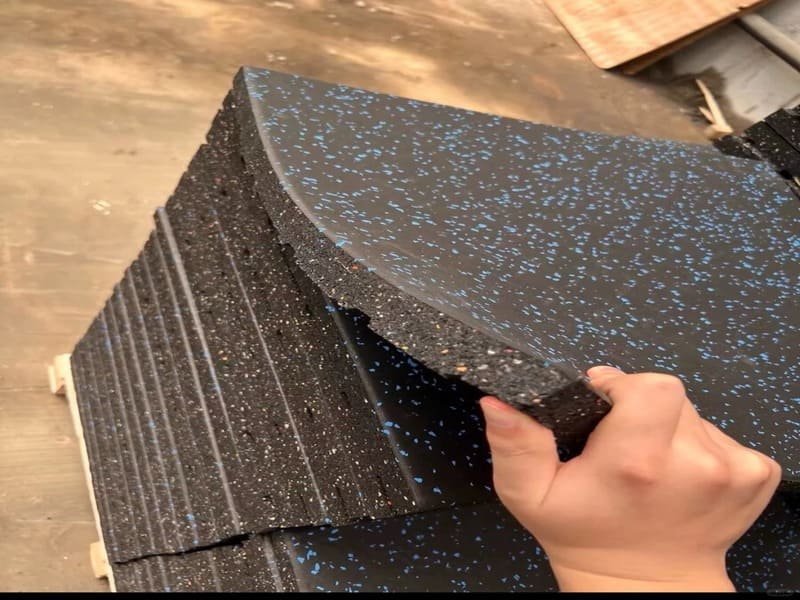
While the functions are universal, the chemical makeup of the material changes everything.
Which Material Type Is Best for Your Specific Project?
The selection depends on your flooring chemistry: IXPE foam is the standard for waterproof LVP/SPC, Cork is the premium choice for thermal insulation and sustainability, while Rubber provides the highest density for maximum sound reduction.
Technical Comparison of Material Properties
| Tipo de material | Precios | Sound Rating | El mejor caso de uso |
|---|---|---|---|
| Standard PE Foam | $ | Bajo | Budget laminate in dry areas. |
| IXPE Foam | $$ | Alta | Professional LVP and SPC projects. |
| Corcho natural | $$$ | Medio-Alto | Hardwood and eco-friendly homes. |
| Goma triturada | $$$ | Superior | High-traffic gyms and luxury condos. |
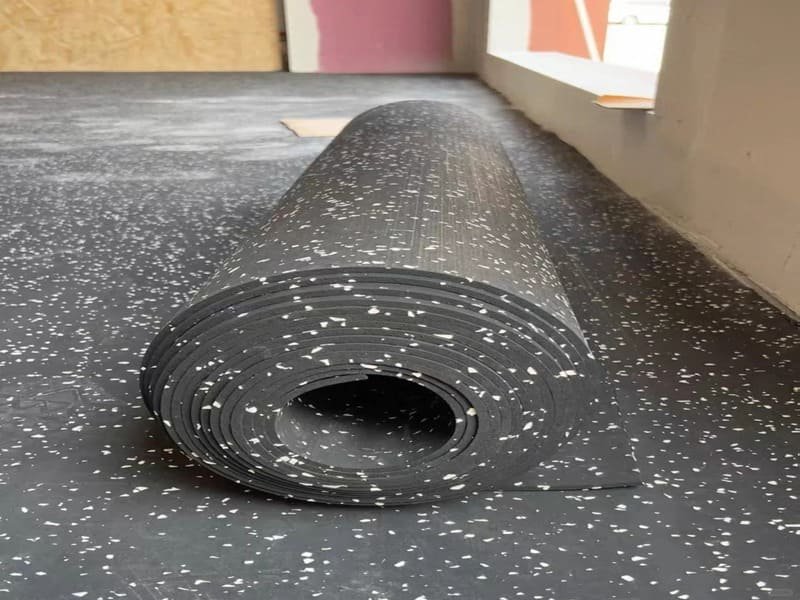
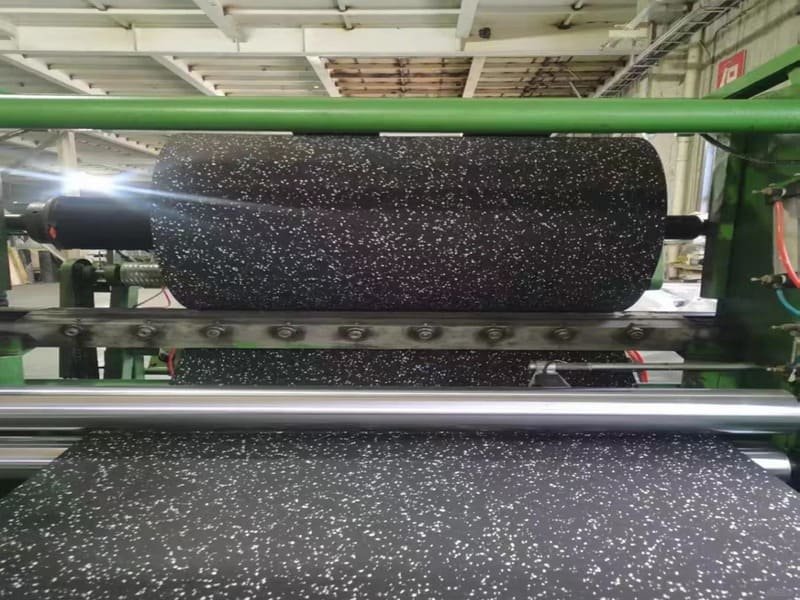
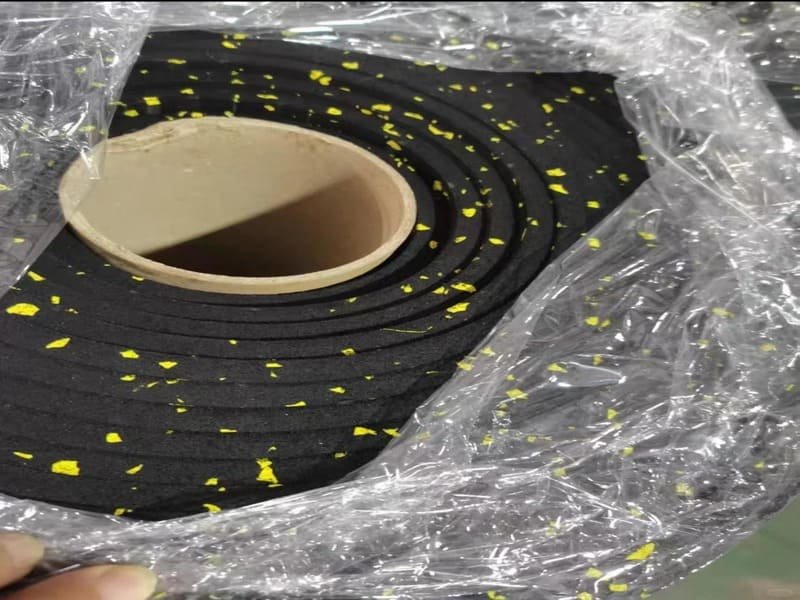
From a manufacturing perspective, density is the only metric that matters for longevity. Standard Polyethylene (PE) foam is air-filled and cheap, but it often flattens within two years, leaving your floor hollow. I recommend Cross-linked Polyethylene (IXPE). Its closed-cell structure is waterproof and holds its shape under a heavy bed or desk. Cork is a natural alternative that contains suberin, which resists mold, though it requires a separate poly-film on concrete. Rubber is my "heavyweight" recommendation. Made from recycled tires, it is nearly impossible to compress, making it perfect for SPC floors that need a rock-solid foundation. Consejo profesional: If your floor has a pre-attached pad, do not add another cushioned layer. It creates too much "bounce," which is the fastest way to break your floor’s warranty and its joints.
Material choice is only half the battle; you must match it to the chemistry of your subfloor.
How Do You Match Underlayment to Your Subfloor and Room?
You must match the base to the subfloor: Concrete slabs require a 6-mil vapor barrier to block rising dampness, while wood subfloors need breathable materials like felt or cork to prevent trapping moisture that causes wood rot.
| Escenario | Recommended Underlayment | Requisito clave |
|---|---|---|
| Basement (Concrete) | IXPE with Vapor Barrier | Must be 100% waterproof. |
| Second Floor (Wood) | High-Density Felt | Focus on sound dampening for below. |
| Radiant Heat | Low R-Value Foam/Film | Must allow heat to transfer quickly. |
When I inspect a floor that has buckled or "cupped," 90% of the time it’s a moisture issue from a concrete slab. Concrete is a sponge. If you use a basic pad without a vapor barrier (measured by a low "Perm Rating"), moisture will sit against the bottom of your planks and cause mold. On wood subfloors, the rules change. Wood is organic and needs to breathe. If you "shrink-wrap" a plywood subfloor with plastic, you risk trapping moisture in the joists. In these cases, a breathable felt or cork is superior. For second-floor bedrooms, I prioritize IIC ratings. You want a 3mm high-density rubber or felt to ensure that a child playing upstairs doesn’t sound like a drum set to the people in the living room.
Beyond the material, the installation technique is where most people fail.
What Are the Most Common Mistakes During Selection and Installation?
The most frequent errors are choosing a pad that is too thick (over 3mm for click-floors), which causes joint separation, and failing to seal the seams with moisture-resistant tape, which breaks the vapor seal.
Critical Specs for Quality Control
| Especificación | Alcance del objetivo | Por qué es importante |
|---|---|---|
| Espesor máximo | 2mm – 3mm | Prevents "joint flex" and snapping. |
| Compression Strength | > 25 psi | Required for heavy furniture on SPC floors. |
| Certificación | FloorScore / Greenguard | Ensures no toxic chemical off-gassing. |
A common myth is that "thicker is more comfortable." In the lab, we see that pads over 3mm create a "trampoline effect" under floating floors. When you walk, the floor moves down too far, putting massive leverage on the thin locking tongue. Eventually, it snaps. Always check your flooring manufacturer’s spec sheet; using a pad they didn’t approve will void your warranty. Another failure point is the seams. Even the best waterproof IXPE is useless if you don’t overlap the edges and seal them with 6-mil poly tape. Think of it like a raincoat—if the zipper is open, you’re still getting wet. Also, for SPC (Stone Plastic Composite), you need a very high-density, low-compression pad to support that heavy, rigid core.
Getting the foundation right is the only way to ensure your floor lasts as long as the house.
Conclusión
The right underlayment is a small cost that protects your total investment from moisture, noise, and structural failure.
Want to get the technical specs right?
Choosing between different densities and vapor ratings can be confusing for large-scale projects. If you are looking for high-performance underlayment for a gym, office, or home, my team at LaiYin can provide the exact lab-tested data you need. Feel free to contact us to discuss your subfloor requirements, request a kit de muestras gratuito, or get a straightforward quote for your project. We’re here to help you build on a solid foundation.