


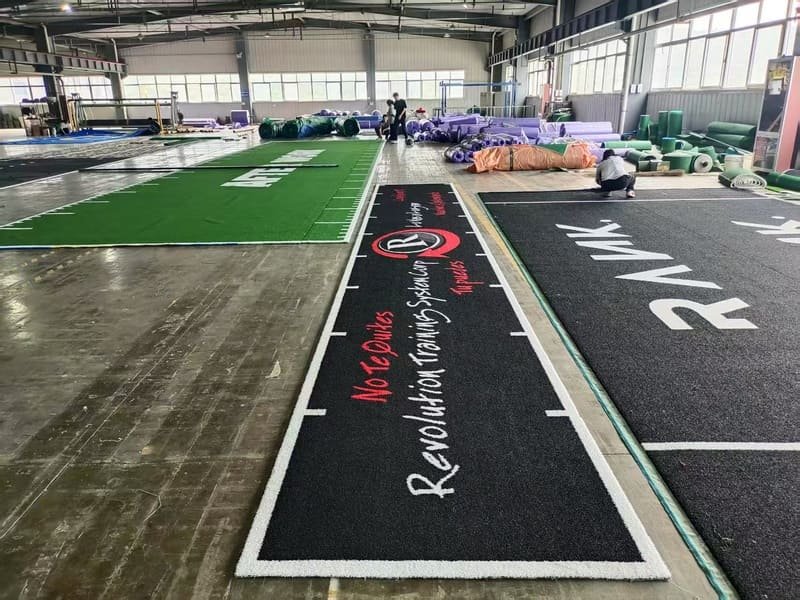
A specialized gym track optimizes friction for sled work and provides necessary energy return for sprints, significantly reducing injury risks while clearly defining safe training zones. It transforms your flooring from a passive surface into an active performance tool that protects both your athletes and your subfloor.
The Engineering Behind Performance Flooring
In my 15 years as a Quality Control Specialist in performance flooring manufacturing, I have inspected countless facilities. I often see gym owners treating flooring as an afterthought, only to face replacement costs within a year. A gym track is not just a strip of green turf; it is a calculated engineering solution. In modern fitness facility design, the floor dictates the function. Whether you run a high-traffic commercial CrossFit box or a boutique studio, the ground under your athletes’ feet must handle specific physical stresses.
Standard rubber tiles are designed for vertical compression—dropping a barbell. They are not built for the horizontal shear forces generated by a 100kg sled push. When you force a sled across standard rubber, you create excessive friction. This not only makes the exercise unnaturally difficult but also destroys the floor by causing tiles to buckle and separate. My daily inspections focus on these failure points. I look for wear patterns that indicate the wrong material choice. Investing in a proper track means you are investing in the biomechanics of your users. You are providing a surface that works con the athlete, not against them.
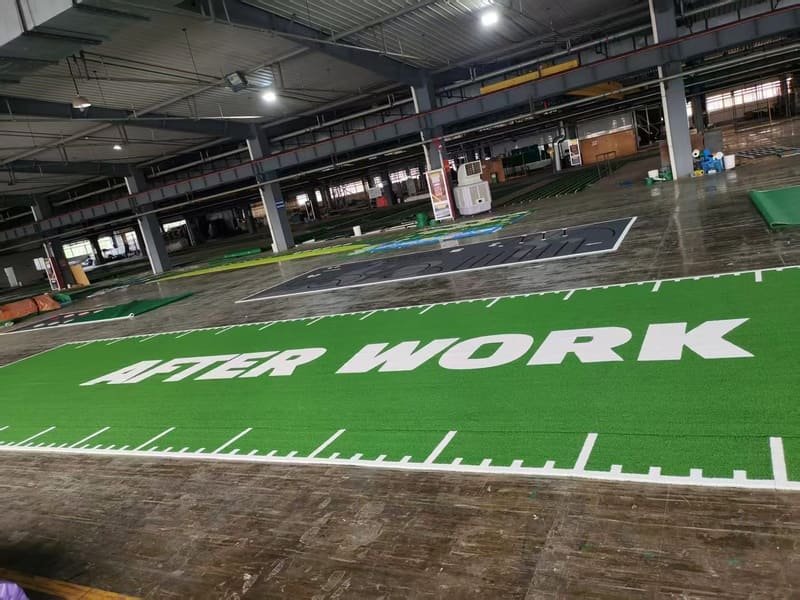
Now that we understand the fundamental necessity of a track, we must examine the specific technical advantages it offers over standard flooring.
How Do Gym Tracks Enhance Athlete Performance and Safety?
Gym tracks provide consistent glide coefficients for sled work and engineered energy return for sprinting, which significantly lowers the impact on joints compared to concrete or standard rubber. These specialized surfaces create a safer environment by physically separating high-velocity movements from static lifting zones.
The Physics of Friction and Energy Return
To understand why a track is safer, we need to look at the physics of movement. In our lab, we test materials for "Glide Coefficient" and "Shock Absorption." A dedicated Sled Track, typically made from short-pile Polyethylene (PE) or texturized Nylon, is engineered to balance grip and glide. If the surface is too grippy (like rubber tiles), the athlete risks lower back strain while pushing. If it is too slippery, they risk hyperextension. A proper track allows for a smooth, consistent drive phase.
For sprinting, the requirements change. We look for "Energy Return." A vulcanized rubber sprint track acts like a stiff spring. It absorbs the initial impact to protect the ankle and knee but returns that energy to propel the sprinter forward. Concrete returns energy but has zero shock absorption, leading to shin splints. Soft lifting mats absorb all the energy, killing speed. A specialized track hits the sweet spot.
Performance Comparison: Standard vs. Specialized
| Característica | Standard Rubber Tiles | Specialized Sled Turf | Vulcanized Sprint Track |
|---|---|---|---|
| Función principal | Vertical Impact (Weight Drop) | Horizontal Drag (Sleds) | Speed & Agility |
| Nivel de fricción | High (Stops movement) | Optimized (Controlled Glide) | High Grip (Traction) |
| Shear Resistance | Low (Tiles separate) | High (Resists tearing) | Muy alta |
| Prevención de lesiones | Good for impact, bad for drag | Prevents "Turf Burn" | Reduces Shin Splints |
| Uso ideal | Free Weights Area | Empujones/Tirones de trineo | Sprints, Plyometrics |
Zoning for Safety
Beyond the material science, a track serves a critical operational function: Flow Management. In my experience visiting busy gyms, collisions are a major liability. A visually distinct track delineates a "Movement Zone." It signals to other members that this area is for high-speed traffic, keeping them clear of heavy sleds and sprinters.
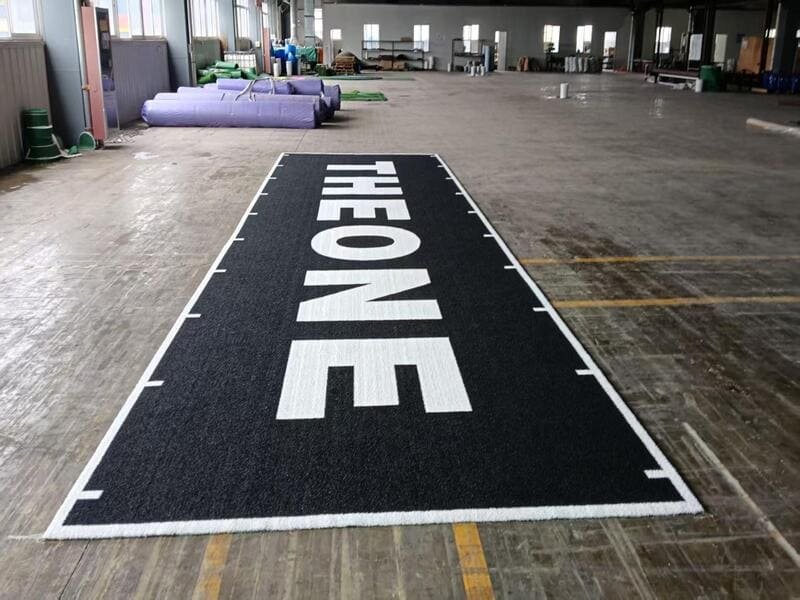
Understanding the performance benefits is only half the battle; the longevity of your track depends entirely on how it is installed.
What Are the Critical Installation Steps to Prevent Failure?
A fail-proof installation requires a clean, level subfloor with a maximum deviation of 3mm over 3 meters, and the use of a two-component polyurethane adhesive for heavy-use areas. Ignoring these protocols leads to bubbling, seam separation, and safety hazards within months.
The Engineer’s Guide to Installation
I have seen high-quality tracks fail in six months solely due to poor installation. The most common error is neglecting subfloor preparation. Before we even unroll a track for inspection, we check the base. The concrete must be fully cured, dry, and level. If there is moisture trapped in the concrete, it will eventually rise, attacking the adhesive bond and causing bubbles in your turf or rubber. We recommend a moisture test before any application.
Fixation Methods: Glue vs. Tape
The fixation method must match the intensity of use. For commercial gyms where heavy sleds (100kg+) are used, you debe use a full glue-down method. We specify high-quality two-component polyurethane adhesive (2-part PU glue). This creates a permanent, rigid bond that resists lateral shear forces. Double-sided tape is insufficient for this; under the pressure of a sled drive, the tape will yield, causing the turf to ripple. This ripple becomes a major tripping hazard.
Seaming and Finishing
Seams are the weakest point of any floor. For turf, we use a specialized joint tape with PU glue underneath. The trick, which many installers miss, is to brush the grass fibers upright before pressing the seam. If fibers get trapped in the glue line, the seam becomes visible and weak. Finally, transition strips are non-negotiable. If your track is 15mm high and your rubber floor is 10mm, that 5mm difference is a trip hazard. A proper aluminum or rubber ramp edge solves this.
Comparación de métodos de instalación
| Método | Idoneidad | Durabilidad | Shear Resistance | Coste |
|---|---|---|---|---|
| Pegado completo | Heavy Sled Work / Commercial | Permanent (10+ Years) | Excelente | High (Labor intensive) |
| Cinta adhesiva de doble cara | Agility Drills / Light Use | Temporary (1-2 Years) | Bajo a medio | Bajo |
| Velcro | Temporary Events | Muy bajo | Bajo | Medio |
Proper installation secures the track, but selecting the right material specifications determines how it feels and lasts.
How Does Material Science Determine the Lifespan of Your Track?
The lifespan of a track depends on fiber density, material composition (Polyethylene vs. Nylon), and stitch rate; high-density non-infill systems offer superior durability and cleanliness for indoor gyms compared to standard landscaping grass. Choosing the correct specification ensures the track handles daily abuse without degradation.
Analyzing Material Composition
As a QC specialist, I test fibers for tensile strength and UV stability. Not all "artificial grass" is the same. Landscaping grass often uses long, sparse fibers designed to look like a lawn. For a gym, this is terrible. It requires rubber/sand infill to stand up, which creates a mess indoors.
Sled Tracks: PE vs. Nylon
For sled tracks, we look for High-Density, Non-Infill systems.
- Polietileno (PE): This is the most common material. It is softer, causing less "turf burn" on skin during burpees. It is durable enough for most commercial gyms.
- Nylon: This is the gold standard for durability. It has a higher melting point and resists crushing better than PE. However, it is more abrasive. If your athletes do a lot of floor work, Nylon might be too rough unless texturized specifically for gyms.
The Importance of Density
Don’t just look at the weight (Face Weight); look at the Tasa de puntadas. A high-quality gym turf should have a stitch rate of over 60,000 stitches per square meter. This density supports the sled rails effectively. If the density is too low, the sled sinks into the backing, increasing resistance unpredictably and wearing out the fibers at the root.
Maintenance Considerations
Material choice dictates maintenance. A high-density turf prevents debris from sinking deep into the pile, making it easy to vacuum. Rubber tracks are non-porous and can be mopped with pH-neutral cleaners. Avoid harsh solvents, as they can break down the binding agents in rubber tracks over time.
Material Specification Breakdown
| Característica | Landscaping Grass | Commercial Gym Turf (PE) | Premium Gym Turf (Nylon) |
|---|---|---|---|
| Altura de la pila | 30 mm - 40 mm | 15 mm - 20 mm | 12 mm - 15 mm |
| Infill Needed? | Yes (Sand/Rubber) | No (High Density) | No |
| Touch/Feel | Suave | Smooth/Soft | Stiff/Abrasive |
| Durabilidad | Low (for walking) | High (for sleds) | Extremo |
| Mantenimiento | High (messy) | Bajo | Bajo |
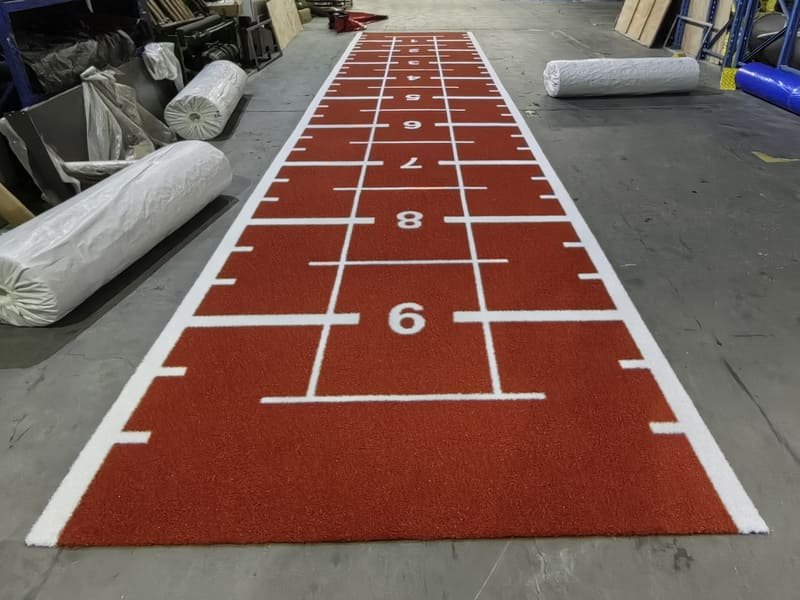
Understanding these technical details ensures you get a product that performs for years, not just months.
Conclusión
A gym track is a long-term investment in your facility’s safety and performance capabilities. By prioritizing the right materials—such as high-density PE for sleds or vulcanized rubber for sprints—and adhering to strict glue-down installation protocols, you build a training zone that withstands years of abuse.
Ready to upgrade your space?
En PISO MF, we don’t just sell flooring; we engineer performance solutions. If you are unsure which specs match your facility’s needs, contact our engineering team today for a free consultation and a sample kit to feel the quality yourself.