


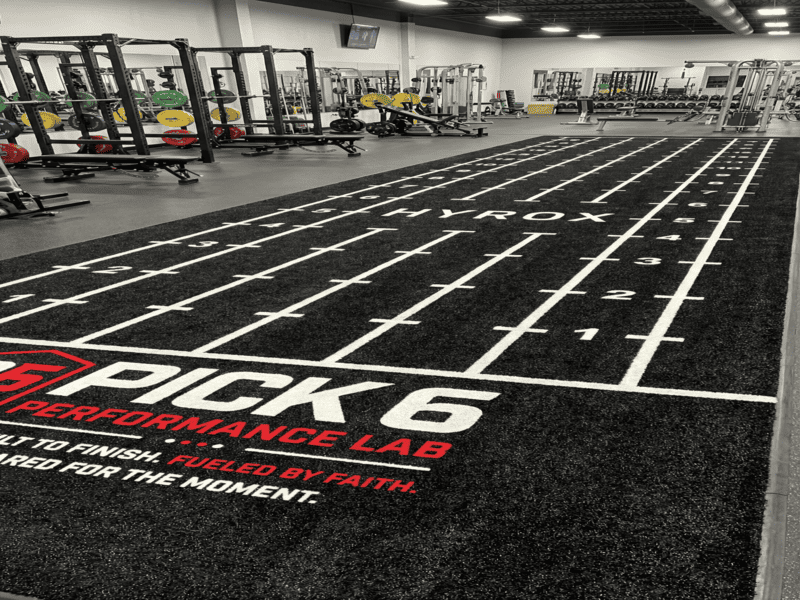
Yes, gym turf can grow mold or mildew in shady areas, but the turf fibers themselves are not the food source. Growth occurs when moisture and organic debris like dust or sweat stay trapped in the turf without sunlight to dry them out or kill spores.
In my years of managing custom flooring projects, I have seen many beautiful "green" gym designs turn into a maintenance nightmare because of shade. The problem is not the plastic. High-quality polyethylene or polypropylene fibers are inorganic. They do not rot. However, sunlight acts as a natural disinfectant. When you take away UV rays, you create a cool, damp environment. I often tell my clients that shade plus moisture equals a biological playground. If your turf stays wet for more than 48 hours, mold spores will find a home in the dust or skin cells trapped between the blades. You must focus on drainage and airflow to keep these areas safe and smelling fresh.

If you want your turf to last, you need to understand the science behind these risks and how to stay ahead of them through better installation and care.
What is the Science Behind Mold Growth on Gym Turf?
Mold grows on gym turf because of organic buildup, not the synthetic grass itself. While the plastic fibers are inorganic, items like sweat, spilled drinks, and dust provide the "food" that mold needs to thrive when combined with a lack of sunlight and persistent moisture.
When we look at the engineering of synthetic turf, we see that the backing and the blades are built to be tough. But in my experience, the space between those blades acts like a filter. It catches everything from hair to spilled protein shakes. In a sunny area, the sun dries this out and kills many bacteria. In a shady corner, that moisture stays. This creates what I call the "Goldilocks Zone" where temperature and dampness are perfect for spores. I once handled a project where an indoor gym had no ventilation in its turf corner. Within months, the organic debris turned into a thin layer of "soil" that allowed mildew to spread. You have to realize that the turf is just the stage; the organic dirt is the actor performing the mold show.
| Característica | Shady Area Gym Turf | Sunny Area Gym Turf |
|---|---|---|
| Tiempo de secado | Slow (High Risk) | Fast (Low Risk) |
| Protección UV | Less Critical | Essential (to prevent fading) |
| Cleaning Frequency | Weekly/Bi-weekly | Bi-weekly/Monthly |
| Infill Recommendation | Antimicrobial Coated | Standard/Cooling Infill |
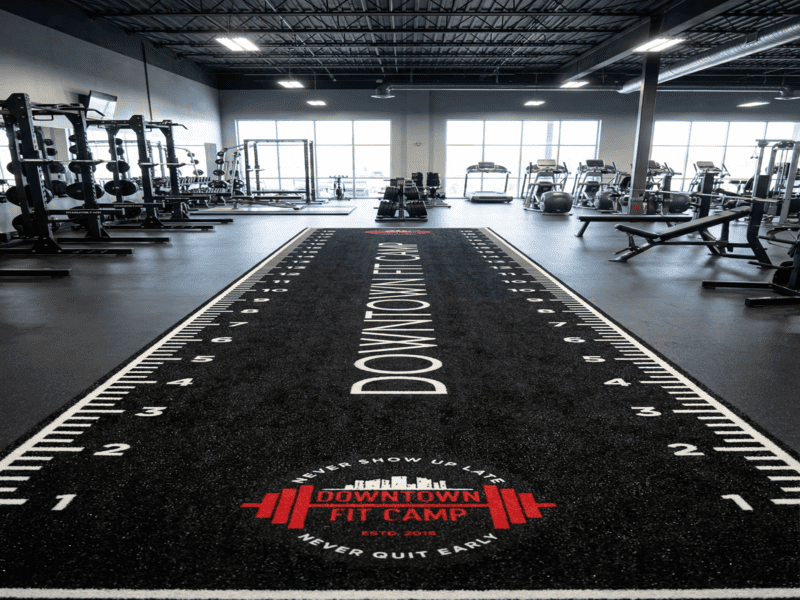
The lack of natural light means you must work harder to keep the surface dry and clean to prevent these health hazards.
What are the Top Risk Factors for Shaded Gym Turf?
The main risk factors include poor sub-base drainage, high humidity, and the use of standard infills that trap moisture. Without proper airflow or a base that allows water to move away quickly, shady turf areas will inevitably collect stagnant water and promote growth.
In my practice, I find that the biggest mistake is the installation base. If you put turf over flat concrete in a shady garage, the water has nowhere to go. It sits under the backing and stays cold. This leads to that classic "musty" smell. Another factor is the infill. I always suggest antimicrobial acrylic-coated sand for shady spots. Standard crumb rubber or raw sand can hold onto moisture and organic bits more easily. Also, if a gym is walled-in or has low ceilings, the air just sits there. I have seen many gym owners ignore their "shady corners" until members start sneezing. Neglecting a regular brushing routine allows organic mats to form, which act like a sponge for water.
| Factor de riesgo | Impact on Mold | Solución recomendada |
|---|---|---|
| Drenaje deficiente | Muy alta | Use a crushed stone base or drainage tiles |
| Low Airflow | Alta | Install industrial fans or improve HVAC |
| Organic Debris | Alta | Weekly vacuuming and deep cleaning |
| Standard Infill | Medio | Switch to antimicrobial coated infill |

Ignoring these factors will lead to a buildup of odors and bacteria that can eventually ruin your investment and member health.
How Can You Detect and Remove Mold From Your Turf?
Detect mold by checking for a musty scent, dark fuzzy patches at the base of the blades, or a slimy texture. To remove it, use a vacuum to pull out debris, then apply a mixture of white vinegar and water or a specialized turf-safe enzymatic cleaner.
I tell my customers to trust their nose first. If a corner of your gym smells like an old basement, you have a problem. Visually, you should look for discoloration in the infill or spots that look like soot. To fix it, you do not need harsh bleach. In fact, heavy bleach can damage the turf backing and ruin the color. I recommend a step-by-step recovery. First, vacuum the area to get the loose dirt out. Then, use an enzymatic cleaner because it "eats" the organic food that the mold is living on. Use a power brush to move the infill around and let the air get deep into the pile. If the mold is deep in the sub-base, you might need a professional "turf scrub" to save the installation.
| Cleaning Step | Tool Needed | Propósito |
|---|---|---|
| Retirada de escombros | Industrial Vacuum | Remove organic food sources |
| Sanitization | Vinegar or Enzymatic Cleaner | Kill spores without damaging fibers |
| Agitation | Power Brush / Stiff Broom | Break up mats and aerate the pile |
| Secado | High-speed Fans | Ensure no moisture remains trapped |
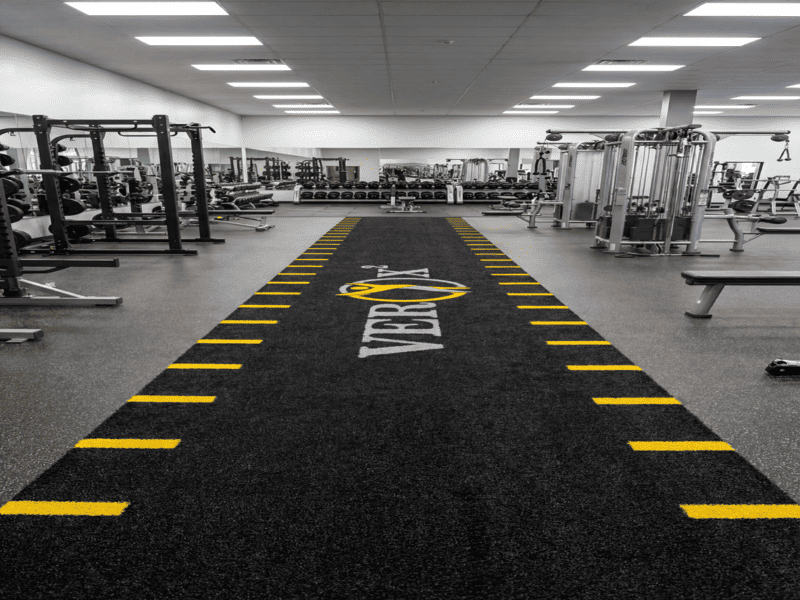
Maintaining a strict cleaning schedule in shaded areas is the only way to guarantee a safe workout environment for your athletes.
Conclusión
Mold is a moisture management problem, not a turf material problem. By focusing on drainage, airflow, and hygiene, your shaded gym turf will remain high-performing for years.
If you are planning a gym project and need expert advice on selecting the right antimicrobial turf or designing a drainage system that works, feel free to send me a private message. I can help you customize a solution that stays fresh and clean no matter the location!