


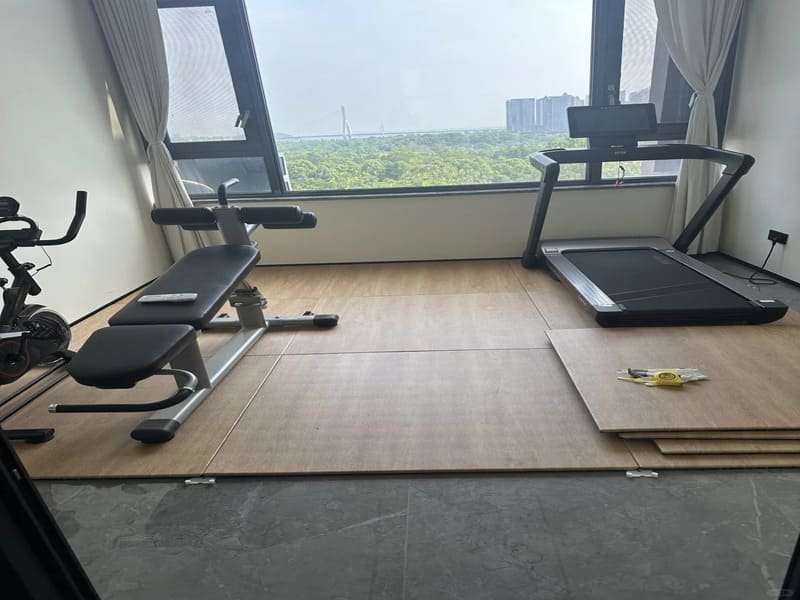
Rubber mats alone cannot solve downstairs noise complaints because they primarily address surface impact rather than structural decoupling. While rubber dampens high-frequency noise, it lacks the specialized air-cell structure required to stop low-frequency energy from vibrating through rigid concrete or wood-joist floor slabs to the neighbors below.
As a production manager who has overseen the vulcanization of thousands of tons of rubber, I see people buy 8mm mats expecting a miracle. They think "soft" underfoot equals "quiet" downstairs. This is a technical error. In our testing lab, we see that solid rubber—while durable—is actually an efficient conductor of vibration. To stop a neighbor from complaining, you have to do more than just put a barrier on the floor. You have to break the physical connection between your equipment and the building’s skeleton. I will explain why your current setup is failing and how a manufacturing-led "system" approach actually fixes it.
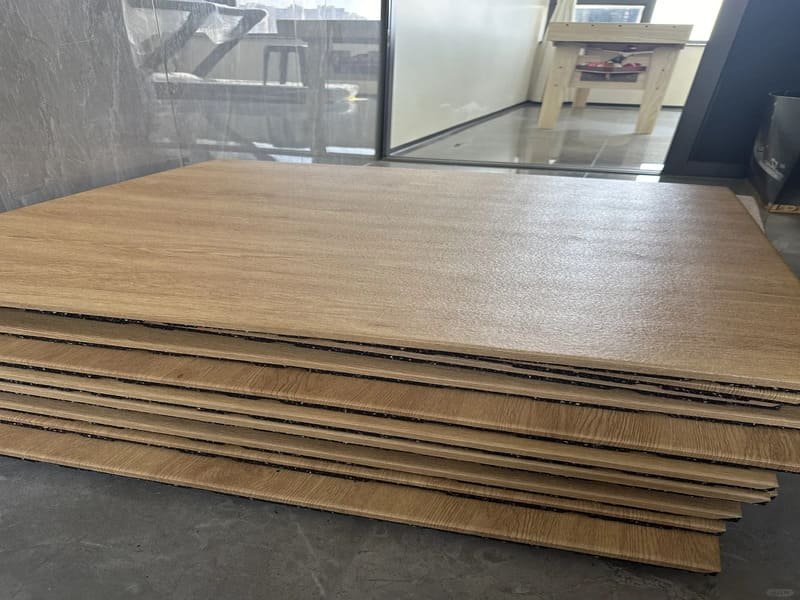
The physics of sound is cold and hard. If you do not respect the difference between sound types, you are just throwing money at the wrong material.
Is there a difference between impact noise and airborne noise?
Impact noise is kinetic energy traveling through the building’s solid structure, while airborne noise travels through the air. Rubber is a high-density material that excels at protecting the subfloor from scratches, but it is too rigid to isolate the heavy, low-frequency thuds of a treadmill or dropped weights.
From a manufacturing standpoint, density is a double-edged sword. We produce high-density recycled rubber because it lasts for ten years under heavy power racks. However, high density means the molecules are packed tight. When you drop a 50lb dumbbell, that energy does not just disappear. It moves through the rubber and hits your subfloor like a hammer. This is structure-borne sound. Airborne noise—like a coach shouting or music playing—is blocked by mass. But impact noise requires "compliance" or "spring." Most standard rubber mats are simply too "hard" (Shore A durometer of 60+) to provide the necessary spring to stop vibrations from entering the floor joists.
| Noise Category | Common Sources | Acoustic Strategy |
|---|---|---|
| Impact (Structure) | Deadlifts, Running, Kids Jumping | Decoupling & Deflection |
| En el aire | TV, Music, Loud Talking | Mass & Airtight Sealing |
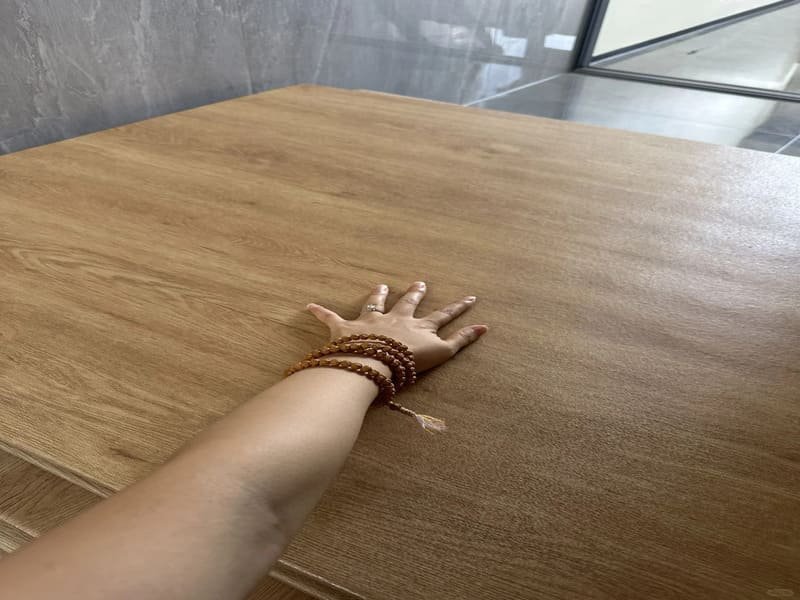
Many customers think that buying a thicker mat is the logical next step. But as someone who manages the production of these materials, I can tell you that more of the same material rarely solves the core problem.
Why does the "bottoming out" effect ruin your soundproofing?
The "bottoming out" effect occurs when the weight of equipment fully compresses the rubber’s internal air pockets. Once compressed, the rubber becomes a solid bridge. It loses its ability to dampen energy and instead transmits 100% of the vibration directly into the building’s structure.
When we design gym flooring, we calculate the "static load." A heavy treadmill or a squat rack creates massive pressure on small contact points. If you use a soft foam or a thin 5mm rubber mat, the weight of the machine squashes the material until it is flat. At this point, the material is "acoustically dead." It no longer acts as a shock absorber. This is why your neighbor still hears every step you take on a treadmill. The motor’s high-speed vibration bypasses the compressed mat. Furthermore, if you are on a wooden floor, the subfloor acts like a drum skin. The rubber mat is just the drumstick. To stop the sound, you have to stop the "stick" from hitting the "skin."
Performance Characteristics by Load
- Static Load (Treadmill feet): Causes rapid compression and "bottoming out" in soft mats.
- Dynamic Load (Jumping/Weights): Requires high-rebound materials to dissipate energy.
- Vibration Load (Motors): Requires specialized decoupling to break the frequency path.
This is where the frustration starts for most apartment dwellers. They buy the "pro" mat but get the same old complaints.
How does the "Sandwich Method" create a 100% solution?
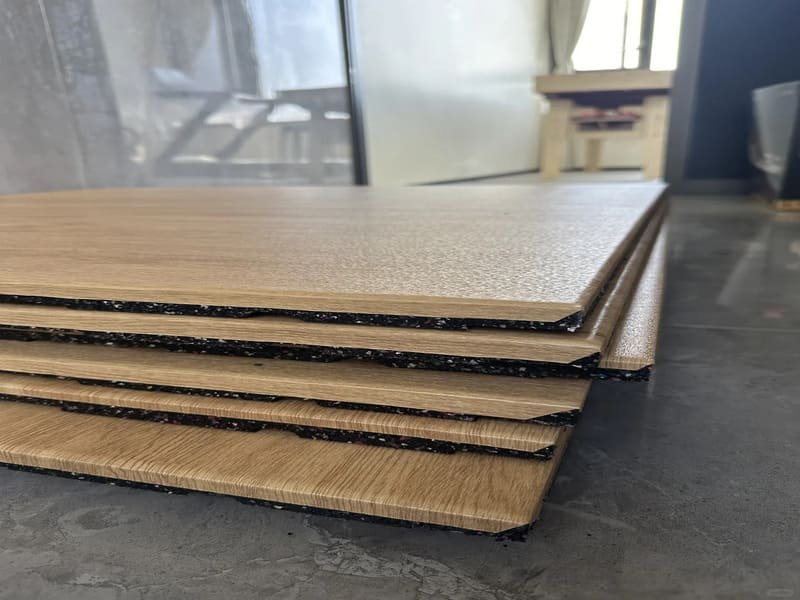
The "Sandwich Method" is a multi-layered engineering approach that uses different material densities to trap and dissipate sound. By layering high-density rubber over a low-density acoustic underlayment, you create a "decoupled" system that prevents vibrations from reaching the structural floor.
In professional gym fit-outs, we never use just one material. We use a system. We start with a 10mm rubber wear layer for durability and grip. Underneath, we install a "dimpled" rubber underlayment or a high-performance foam. These dimples create actual air gaps between your floor and the rubber. Since sound travels poorly from solid to air, the vibration dies in those gaps. This is "decoupling." If the noise is still too high, we add a layer of Mass Loaded Vinyl (MLV). This adds the heavy mass needed to block airborne noise without adding 3 inches of height. This "sandwich" handles the impact, the vibration, and the sound all at once.
The Professional Layering Stack
| Capa | Material Choice | Technical Goal |
|---|---|---|
| Top (Wear) | 10mm Vulcanized Rubber | Impact Protection & Grip |
| Middle (Core) | 5mm-10mm Closed-cell Foam | Decoupling (The Air Gap) |
| Base (Barrier) | 2lb Mass Loaded Vinyl | Sound Transmission Block |
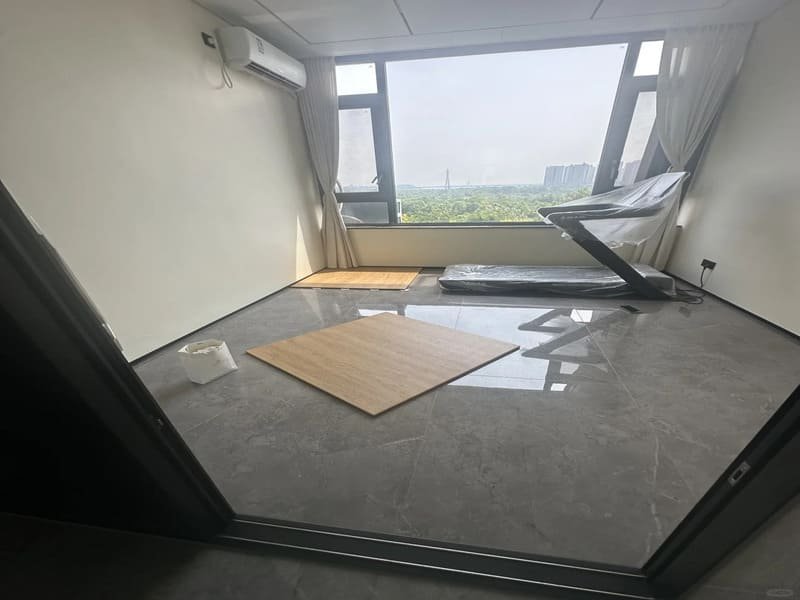
Choosing the right system depends entirely on your specific activity. You cannot treat a yoga studio the same way you treat a deadlift platform.
Does the material mix matter more than the thickness?
Yes, the material mix is critical because solid rubber is a poor isolator of low-frequency sound. A 15mm composite tile made of rubber bonded to a foam base will outperform a 30mm solid rubber block every time due to its superior IIC (Impact Insulation Class) rating.
I often see buyers fall into the "thickness trap." They think 20mm of solid recycled rubber is better than 10mm. But solid rubber is a conductor. In our factory, we produce composite tiles where we bond a high-density top to a low-density "waffle" bottom. This waffle bottom is the secret. It allows the floor to "breathe" and flex under impact. If you are doing high-impact HIIT workouts, you need that flex. If you are using heavy machinery, you need the stability of the rubber but the isolation of the foam. Check the IIC rating of your flooring. A standard rubber mat might have an IIC of 45. A professional system will be 60 or higher. That difference is what keeps your neighbors happy.
Application Guide for Real-World Scenarios
- Home Gym/Apartment: Avoid solid stall mats; use "dual-density" acoustic tiles.
- Treadmills: Use 20mm thick "pedestal" mats specifically designed for motor vibration.
- Kids Play Areas: EVA foam is great for voices, but add a thin rubber top for durability and impact.
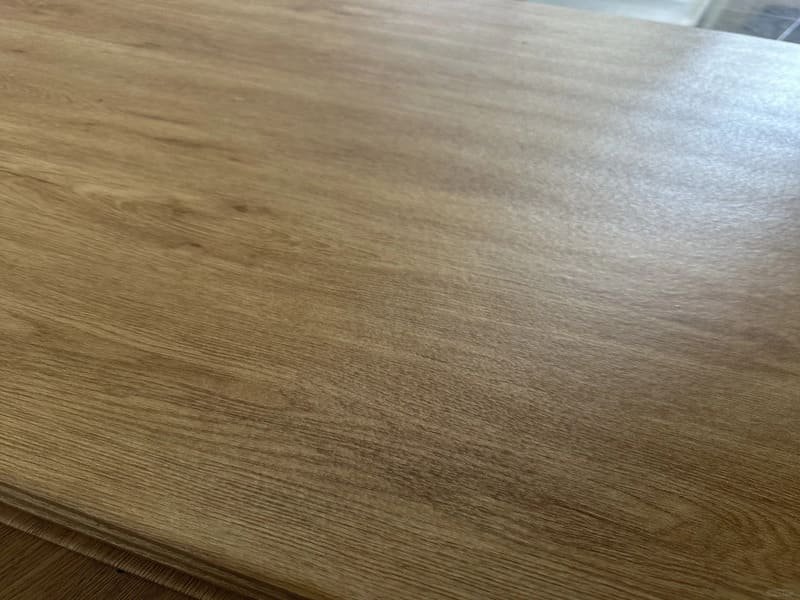
Remember that the goal is not just a "soft floor." The goal is a "broken path" for the energy to follow.
Conclusión
Rubber protects your floor, but a system of layers protects your relationship with your neighbors.
If you are struggling with a specific noise complaint or need help designing a custom flooring solution for your project, send me a private message! As a production manager, I can help you find the right material mix for your specific subfloor and application.