


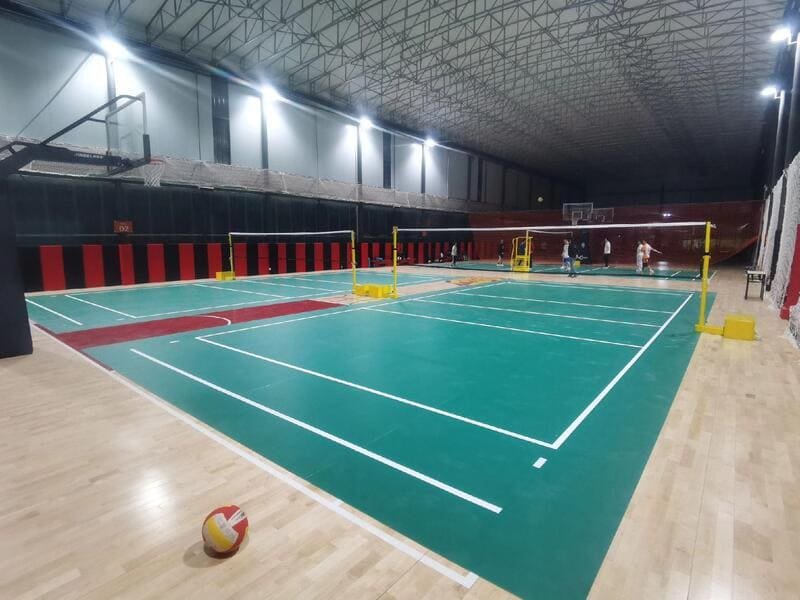
Imagínate esto: una tubería reventada, una bebida derramada o unas patas embarradas que atraviesan tu salón, y tu suelo sale completamente ileso. He visto a demasiados propietarios tener que lidiar con suelos de madera deformados o laminados hinchados tras un solo percance con el agua. Por eso quiero explicarte todo lo que hay que saber sobre los suelos de PVC impermeables: qué son, cómo funcionan y por qué podrían ser el cambio más inteligente que hagas en tu hogar este año.
El suelo de PVC impermeable es un suelo vinílico multicapa compuesto por un núcleo rígido, una capa con diseño impreso y una capa protectora resistente al desgaste que impide totalmente el paso del agua. Resiste mejor la humedad, los arañazos y el desgaste diario que la madera o el laminado.
En esta guía, analizaré la tecnología que hay detrás de los suelos de PVC impermeables, sus ventajas y sus limitaciones reales, las estancias más adecuadas para instalarlos, cómo se comparan con otros tipos de suelos y qué hay que tener en cuenta antes de comprarlos. He trabajado directamente en la fabricación y la optimización del diseño de suelos de PVC, por lo que te proporcionaré los detalles técnicos que realmente necesitas, no solo argumentos de marketing.
Antes de pasar a las tablas comparativas y a las listas de verificación para compradores, empecemos por lo básico. Entender cómo se fabrica este suelo te ayudará a comprender por qué se comporta de la forma en que lo hace.
¿Qué es exactamente el suelo de PVC impermeable?
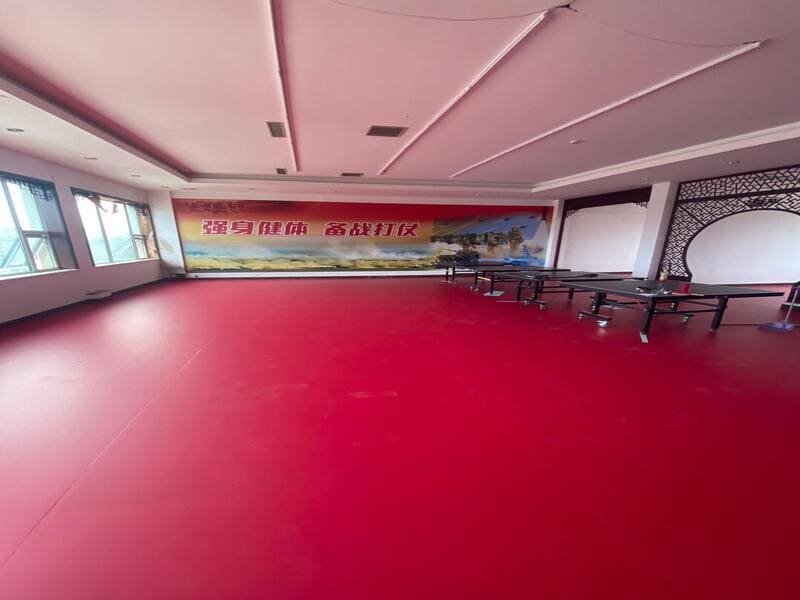
El suelo de PVC (cloruro de polivinilo) es un revestimiento sintético fabricado a partir de resina de vinilo, que se presenta en forma de lamas, baldosas o láminas, con un núcleo rígido o flexible que lo hace totalmente impermeable.
| Formulario | Estructura | Uso común |
|---|---|---|
| LVP (tablillas de vinilo de lujo) | En forma de tablón, con sistema de encaje a presión o para encolar | Salones, dormitorios |
| LVT (Luxury Vinyl Tile) | Con forma de baldosa, imita la piedra o la cerámica | Baños, cocinas |
| Láminas de vinilo | Láminas enrolladas de gran tamaño, con menos uniones | Espacios comerciales y zonas húmedas |
El núcleo es donde se lleva a cabo la verdadera ingeniería. SPC (compuesto de piedra y plástico) utiliza un núcleo a base de piedra caliza, por lo que es extremadamente rígido y resistente a las abolladuras, lo que lo hace ideal para suelos comerciales con mucho tránsito. WPC (compuesto de madera y plástico) utiliza un núcleo de espuma mezclado con partículas de madera, lo que le confiere un tacto más suave al pisarlo y una mejor absorción acústica para dormitorios y espacios tranquilos. Su impermeabilidad se debe a su estructura en capas: una capa de desgaste en la parte superior, una película de vinilo estampada que aporta el diseño, un núcleo rígido o de espuma en el centro y una capa base adherida en la parte inferior. Dado que el núcleo en sí es de plástico y no de madera, el agua simplemente no puede penetrar ni provocar hinchazón.
Ahora que ya entiendes cómo funciona, hablemos de por qué es importante para tu día a día en casa.
¿Por qué elegir suelos de PVC impermeables?
Los suelos de PVC impermeables resuelven cinco problemas habituales relacionados con los suelos: daños causados por el agua, escasa durabilidad, elevado coste, alto mantenimiento y escasa comodidad al pisarlos.
He comprobado de primera mano cómo una capa de desgaste más gruesa influye en el rendimiento en la vida cotidiana. Una capa de desgaste de 12 mil funciona bien para un uso residencial ligero, pero si tienes perros o niños, siempre recomiendo una de 20 mil o más: resiste mucho más tiempo los arañazos de las garras y las ruedas de los juguetes.
- Protección del agua 100%: el núcleo rígido no absorbe la humedad, por lo que no se deformará ni se combará ni siquiera bajo el agua estancada
- Durabilidad: la capa de desgaste resiste los arañazos provocados por mascotas, muebles y el tránsito diario de personas
- Lujo asequible: la impresión en alta resolución reproduce con fidelidad las vetas de la madera auténtica y la piedra natural a un coste muy reducido
- Requiere poco mantenimiento: no es necesario encerar, lijar ni aplicar selladores
- Confort: más cálido y silencioso al pisarlo que las baldosas cerámicas, sobre todo si tiene un núcleo de WPC
Estas ventajas son reales, pero también creo que te mereces conocer la situación tal y como es antes de comprar. Veamos cuáles son las ventajas y los inconvenientes.
¿Cuáles son las desventajas de los suelos de PVC impermeables?
El suelo de PVC no es de madera auténtica, requiere un subsuelo nivelado y, si se elige un producto de baja calidad, puede plantear problemas relacionados con la calidad del aire interior o con la pérdida de color.
Siempre les digo lo mismo a los desarrolladores de productos y a los propietarios: la honestidad en cuanto a los materiales genera confianza. Los suelos de PVC pueden aportar valor a una vivienda, pero no aumentan el valor de reventa como lo hace la madera maciza, ya que algunos compradores siguen asociando la madera con acabados de gama alta. El PVC rígido también necesita un subsuelo correctamente nivelado: las pequeñas imperfecciones pueden «marcarse» en la superficie si la base no está bien preparada. En cuanto a la calidad del aire, recomiendo comprobar que cuente con la certificación FloorScore® o Greenguard Gold, que garantiza bajas emisiones de COV y una desgasificación más segura. La luz solar directa es otro factor a tener en cuenta; los rayos UV pueden decolorar el suelo con el tiempo, por lo que sugiero instalar ventanas de bajo emisivo o persianas en las habitaciones orientadas al sol.
Saber en qué aspectos fallan los suelos de PVC te ayuda a planificar mejor. A continuación, veamos exactamente en qué zonas de tu casa funcionan mejor.
¿En qué estancias queda mejor el suelo de PVC impermeable?
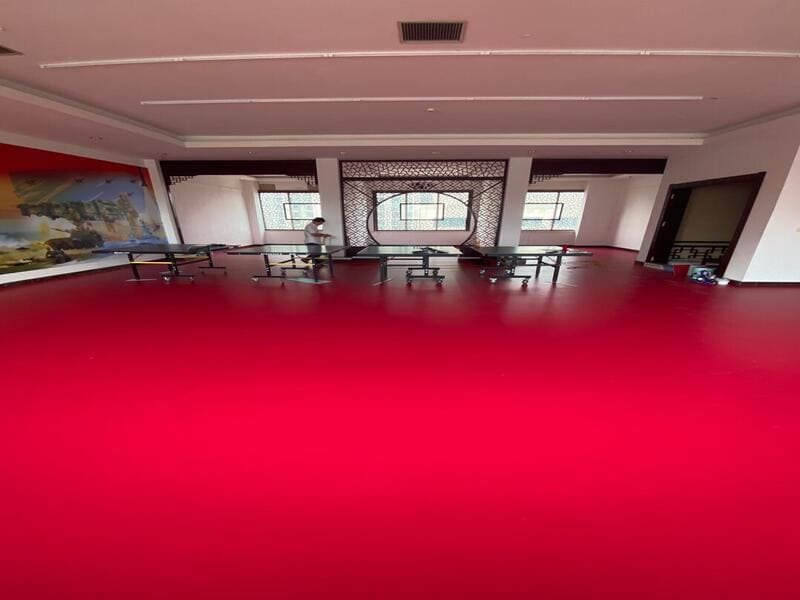
Los suelos de PVC impermeables ofrecen un rendimiento óptimo en zonas con mucha humedad y mucho tránsito, como baños, cocinas, sótanos y entradas.
| Tipo de zona | Habitaciones recomendadas |
|---|---|
| Alta humedad | Baños, cocinas, lavaderos, sótanos |
| Con mucho tráfico | Entradas, vestíbulos, salones |
| Zonas para mascotas y niños | Salas de juegos, comedores |
| Utilizar con precaución | Espacios al aire libre, porches sin climatizar |
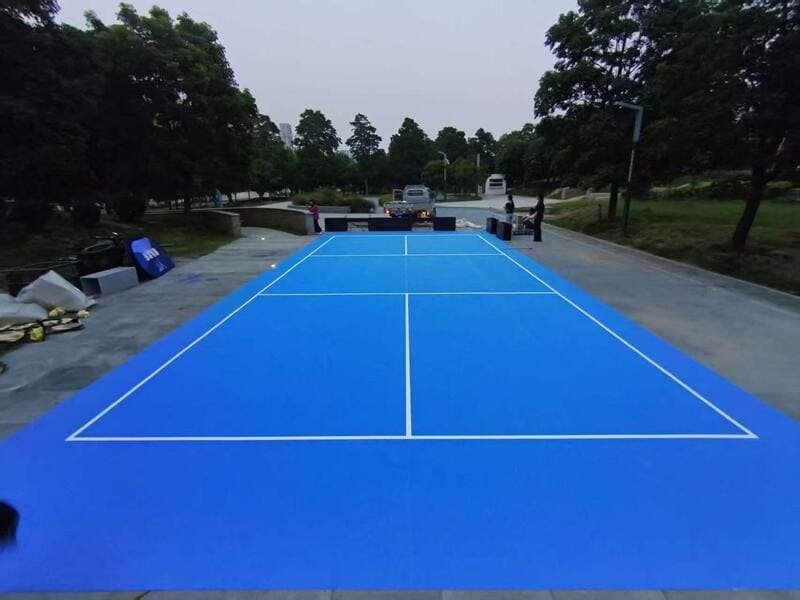
Los espacios al aire libre y las terrazas acristaladas sin climatizar son las dos zonas en las que suelo desaconsejar su uso, ya que los cambios extremos de temperatura y la exposición directa a los rayos UV pueden afectar al material con el paso del tiempo. En el resto de estancias de una vivienda típica, los suelos de PVC resisten bien.
Una vez que sepas dónde instalarlo, la siguiente pregunta es cómo se compara con otros tipos de suelos.
¿En qué se diferencian los suelos de PVC impermeables de otras opciones?
En comparación con la madera maciza, el laminado y las baldosas cerámicas, los suelos de PVC impermeables ofrecen el mejor equilibrio entre resistencia al agua, precio y facilidad de instalación por uno mismo.
| Característica | PVC impermeable (LVP/SPC) | Madera dura | Laminado | Cerámica/Porcelana |
|---|---|---|---|---|
| Resistencia al agua | 100% Impermeable | Pobre | Resistente al agua, como mucho | 100% Impermeable |
| Precio (producto + instalación) | Moderado | Alta | Bajo a moderado | Alta |
| Resistencia a los arañazos | Alta | Bajo/Moderado | Alta | Alta |
| Fácil de hacer uno mismo | Alta (bloqueo por clic) | Bajo | Alta | Bajo |
| Confort bajo los pies | Medio-blando | Cálido/Suave | Medio | Frío/Duro |
Esta tabla muestra por qué tantos propietarios están cambiando de suelo. Las baldosas de cerámica igualan al PVC en resistencia al agua, pero son más caras, dan más sensación de frío y son más difíciles de instalar por uno mismo. El suelo laminado es barato y fácil de instalar por uno mismo, pero deja de ser eficaz en cuanto entra agua por debajo.
Una vez que hayas decidido que el suelo de PVC es lo que más te conviene, el siguiente paso es averiguar cómo instalarlo.
¿Deberías instalar tú mismo el suelo de PVC impermeable o contratar a un profesional?
La instalación flotante con sistema de encaje a presión es ideal para el bricolaje, mientras que la instalación con pegamento resulta más adecuada para grandes espacios comerciales o residenciales con mucho tránsito.
Desde el punto de vista de la fabricación, el método de instalación debe ajustarse a las necesidades de la estancia, y no solo al presupuesto del propietario. Las lamas con sistema de encaje a presión (flotantes) se unen entre sí sin necesidad de adhesivo, lo que las convierte en la opción de bricolaje más popular para dormitorios y salones. La instalación con encolado fija la lama directamente al subsuelo, lo que proporciona mayor estabilidad para espacios comerciales o estancias con cargas rodantes pesadas, como oficinas o cocinas con carros de isla.
Antes de cualquier instalación, hay dos pasos fundamentales: nivelar el subsuelo y comprobar la humedad. Un subsuelo irregular provoca que se marquen las irregularidades del suelo, mientras que un exceso de humedad en el subsuelo puede afectar a la capa base con el paso del tiempo. A diferencia de la madera maciza, la mayoría de los productos de PVC rígido no requieren largos periodos de aclimatación, ya que el núcleo no se expande ni se contrae con la humedad como lo hace la madera. En cuanto al coste, hay que tener en cuenta que los precios de los materiales oscilan entre lo económico y lo medio por pie cuadrado, a lo que hay que añadir un coste moderado por la mano de obra profesional, dependiendo del tamaño de la estancia y de la preparación necesaria del subsuelo.
Una instalación correcta es la mitad del trabajo. La otra mitad consiste en mantener tu nuevo suelo en buen estado durante años.
¿Cómo se mantiene el suelo de PVC impermeable?
Barrear con regularidad, fregar con un paño húmedo y un limpiador de pH neutro, y tomar medidas preventivas como utilizar protectores para los muebles, hacen que los suelos de PVC impermeables mantengan su aspecto nuevo durante años.
El mantenimiento es el aspecto en el que los suelos de PVC realmente superan a los de madera. Para el cuidado diario y semanal, barre o pase la aspiradora sin el accesorio de cepillo giratorio y, a continuación, pase una fregona húmeda según sea necesario. Utiliza únicamente productos de limpieza de pH neutro: la lejía, el amoniaco y las mopas de vapor pueden dañar la capa de desgaste o aflojar las juntas con el tiempo, aunque el suelo en sí sea impermeable. Como cuidado preventivo, recomiendo colocar almohadillas de fieltro bajo las patas de los muebles, felpudos en las entradas para retener la suciedad y recortar regularmente las uñas de las mascotas para reducir los arañazos en la superficie.
Si sigues una rutina de cuidado adecuada, tu suelo debería mantener un buen estado durante todo el periodo de garantía. Veamos qué aspectos debes tener en cuenta antes de comprarlo.
¿Qué debes comprobar antes de comprar un suelo de PVC impermeable?
Antes de comprar un suelo de PVC impermeable, comprueba el grosor de la capa de desgaste, el tipo de núcleo, la capa base, las certificaciones y las condiciones de la garantía.
- Espesor de la capa de desgaste: 12 mil para uso residencial ligero; 20+ mil para mascotas o tráfico intenso
- Tipo de núcleo: SPC para mayor rigidez y durabilidad, WPC para mayor comodidad y absorción acústica
- Capa base fijada: ahorra tiempo y dinero durante la instalación
- Certificaciones ecológicas: busca el sello FloorScore® o la indicación «sin ftalatos»
- Detalles de la garantía: comprueba si cubre los problemas estructurales, los daños causados por el agua o ambos por separado
Esta lista de verificación recoge las mismas preguntas que me plantean los desarrolladores de productos que buscan suelos de PVC para proyectos a medida: el grosor, el material del núcleo y la certificación son siempre lo primero, ya que influyen directamente en el rendimiento a largo plazo.
Conclusión
Los suelos de PVC impermeables te ofrecen una protección real, un bajo mantenimiento y una excelente relación calidad-precio, lo que los convierte en una de las inversiones más inteligentes en suelos modernos.
Preguntas frecuentes
¿Los suelos de PVC impermeables son realmente 100% impermeables o solo resistentes al agua?
Los suelos de PVC verdaderamente impermeables utilizan un núcleo rígido de SPC o WPC que no absorbe agua en absoluto, a diferencia del laminado, que solo es resistente al agua en la superficie y puede hincharse si el agua se acumula en las juntas.
¿Puedo instalar un suelo de PVC impermeable sobre un suelo de baldosas antiguo?
Sí, siempre y cuando la superficie de las baldosas esté lisa, limpia y libre de juntas anchas o grietas; de lo contrario, con el paso del tiempo las imperfecciones podrían notarse a través del nuevo suelo.
¿Qué grosor debe tener la capa de desgaste en una vivienda con perros grandes?
Recomiendo un grosor de 20 mil o superior para hogares con perros grandes o muy activos, ya que las capas de desgaste más finas, de unos 12 mil, son más adecuadas para un tráfico peatonal ligero sin mascotas.
¿Los suelos de PVC impermeables necesitan una junta de dilatación como los de madera maciza?
La mayoría de los productos de PVC con sistema de encaje a presión necesitan un pequeño espacio de dilatación a lo largo de las paredes para permitir pequeños movimientos debidos a las variaciones de temperatura, aunque el núcleo en sí no se hinche con la humedad como ocurre con la madera.
¿Cuál es la diferencia real entre los núcleos de SPC y los de WPC para una cocina?
El SPC es más rígido y resistente a las abolladuras, por lo que soporta mejor el peso de los electrodomésticos pesados de cocina y los objetos que se caen, mientras que el WPC resulta más suave al pisarlo, aunque puede comprimirse ligeramente bajo cargas puntuales muy pesadas.
Sobre el autor
Me dedico a la fabricación a medida y a granel de suelos de PVC impermeables, y cuento con experiencia práctica en la formulación de la base, el diseño de la capa de desgaste y la optimización del diseño para proyectos residenciales y comerciales. Mi trayectoria profesional abarca los procesos de producción, la selección de materiales y el asesoramiento técnico a clientes que buscan soluciones de suelos de PVC a medida para diferentes sectores y aplicaciones.
Si estás valorando la posibilidad de instalar suelos de PVC impermeables para un proyecto, un pedido a medida o una compra al por mayor, no dudes en enviarme un mensaje: estaré encantado de comentarte las especificaciones, las opciones de materiales y qué es lo que mejor se adapta a tu espacio.