


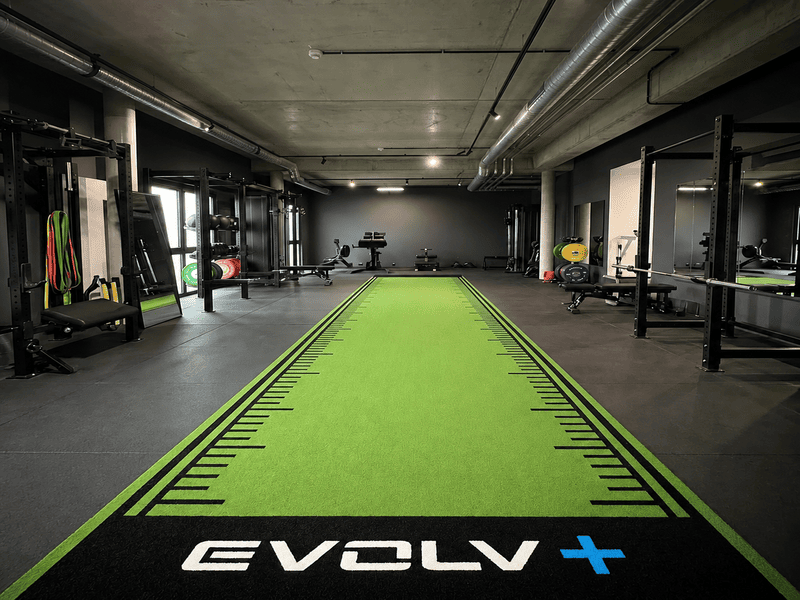
Usted reduce el desperdicio en los pedidos de césped personalizado mediante el uso de un trazado CAD preciso, la personalización de rollos directa de fábrica y el mechón de líneas o logotipos directamente en el soporte durante la fabricación. Estas opciones estratégicas eliminan los pesados cortes en obra, reducen los índices de desechos por debajo de 5% y ahorran importantes costes de material.
Los proyectos de césped a medida para gimnasios suelen sufrir importantes pérdidas presupuestarias porque los compradores no tienen en cuenta los límites de la materia prima. Cuando se compra césped a medida, no sólo se compran metros cuadrados totales, sino dimensiones fijas de rollo que deben ajustarse a la distribución del suelo. Si una habitación tiene 5 metros de ancho y el rollo de fábrica viene en una anchura estándar de 2 o 4 metros, se enfrenta a un problema automático de desperdicio. Muchos compradores añaden ciegamente un margen de seguridad de 15% a sus pedidos para evitar que falte, lo que supone un despilfarro y crea pesados desechos que hay que pagar para tirar. Como especialista en proyectos, veo que una mala planificación provoca costes elevados, mientras que un enfoque técnico de fabricación resuelve el problema antes de que el césped salga de la fábrica.
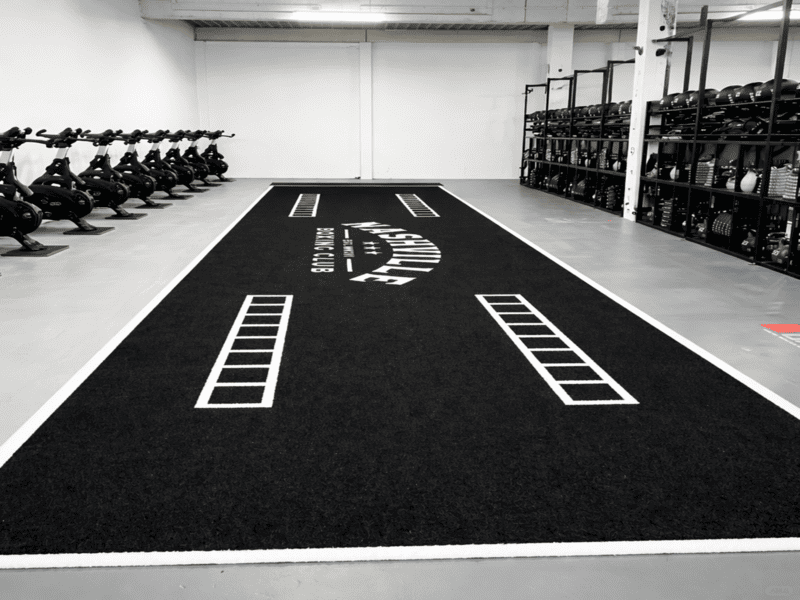
Necesita un plan claro desde el principio para evitar costes elevados, así que veamos las principales razones por las que se produce el despilfarro de césped personalizado y cómo puede evitarlo.
¿Por qué se producen residuos de césped personalizados en las distribuciones de pisos?
El desperdicio de césped se debe a las anchuras fijas de los rollos de fábrica, a la incorrecta coincidencia de la dirección de la pila y a las complejas distribuciones de las habitaciones que requieren grandes recortes. Si no se ajustan las dimensiones de la sala a los tamaños de los rollos en bruto, se crean desechos innecesarios.
| Factor Residuos | Causa principal | Impacto operativo |
|---|---|---|
| Anchos de rollo fijos | Los tamaños estándar de las máquinas de 2 ó 4 m no se adaptan a las zonas únicas del gimnasio | El material sobrante debe cortarse y tirarse |
| Dirección de la pila (grano) | Las fibras del césped se inclinan en una dirección y reflejan la luz de forma única | Los retales no se pueden girar ni unir lateralmente |
| Diseños complejos | Los pilares, las paredes en ángulo y los espacios en forma de T requieren grandes recortes. | Mayor tasa de rechazo y más líneas de unión |
Cuando trabajo en planos de suelos de gimnasios personalizados, la mayor trampa es siempre la dirección del pelo. Las fibras de césped se insertan en el soporte en un ángulo específico durante la producción. Si cogemos un trozo de un lado de la sala, lo giramos 90 grados e intentamos utilizarlo para rellenar un hueco, parecerá de un color totalmente distinto debido a cómo incide la luz en las fibras. Este error arruina el aspecto de su instalación. Además, los espacios irregulares con zonas funcionales o pilares generan grandes desperdicios si se utilizan rollos estándar. Para solucionarlo, hay que buscar opciones de ingeniería avanzada, como mechones a medida y disposiciones específicas de los rollos para que el uso del material sea ajustado y muy eficiente.
Cómo influye la forma de las habitaciones en el desperdicio de material
Los espacios irregulares, como las zonas de cruce en forma de T o las habitaciones con grandes pilares estructurales, crean problemas de trazado. Si no planifica las líneas de juntas antes de la producción, los instaladores realizarán cortes aleatorios in situ, lo que destruye material valioso y eleva el coste total del proyecto.
Pasemos al primer paso práctico para solucionar estos problemas, que es la medición de precisión.
¿Cómo utilizar la medición de precisión para acabar con el despilfarro de césped?
Para medir con precisión, cree un plano CAD detallado, tenga en cuenta un estricto margen de recorte de 5 cm y calcule todas las disposiciones de los rollos basándose en una única dirección continua de la pila. Este paso garantiza que el pedido de rollos tenga la forma física exacta en lugar de una superficie total aleatoria.
| Paso de medición | Acción requerida | Reducción de residuos prevista |
|---|---|---|
| Cartografía CAD | Dibuje cada pared, pilar y zona en una cuadrícula digital clara | Ahorra 5-8% mostrando el ajuste real |
| Margen de recorte | Añadir exactamente 2 a 3 pulgadas sólo en los bordes del perímetro | Evita errores masivos en los pedidos |
| Alineación continua del grano | Planifique cada tira de rollo para que discurra exactamente en la misma dirección | Elimina las piezas de desecho inútiles e incomparables |
En mi experiencia práctica, una simple cinta métrica no es suficiente para una instalación de gimnasio comercial. Siempre aconsejo a mis clientes que me envíen un archivo CAD formal o un plano muy detallado. Cuando trazamos una pista de trineo o una zona de sprint funcional, colocamos los rollos de 2 o 4 metros de ancho directamente sobre el plano. Esto nos permite ver exactamente dónde irán las costuras antes de empezar la producción. Hay que añadir un pequeño margen perimetral de 5 a 7 cm porque los muros de hormigón nunca son perfectamente rectos, pero es mucho mejor que hacer conjeturas y añadir 15% material extra.
El valor de los diagramas visuales de costura
Un plano visual de la disposición de los rollos o un diagrama de cierre muestra al instalador exactamente dónde colocar cada rollo. Esto elimina todas las conjeturas en el lugar de trabajo y garantiza que ningún instalador corte un rollo principal por error, manteniendo el desperdicio de material al mínimo absoluto.
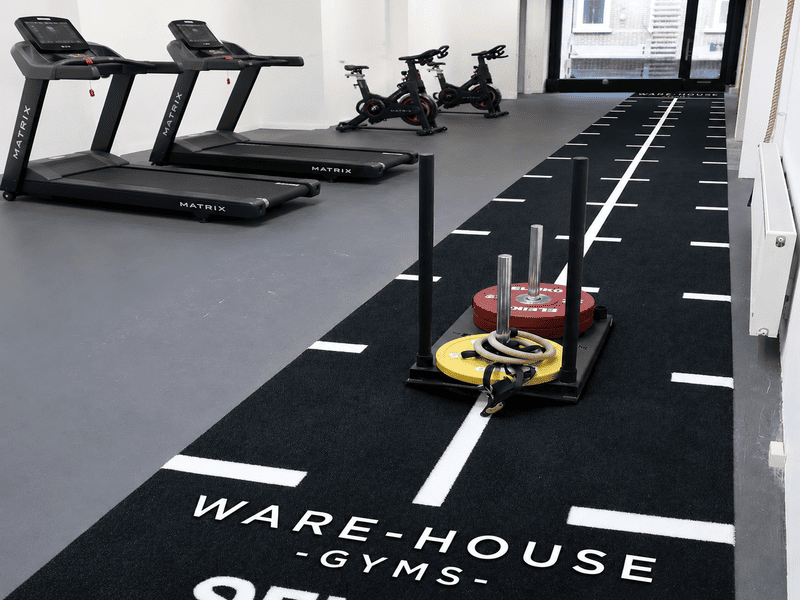
Ahora que dispone de las medidas exactas, puede utilizar estrategias de pedido avanzadas con su socio de fábrica.
¿Qué estrategias directas de fábrica minimizan los residuos de césped personalizado?
Las estrategias de fabricación directa incluyen el pedido de rollos de longitud personalizada, la inserción de marcas funcionales directamente en el soporte durante la producción y la compra de todos los materiales en un único lote teñido. Estas opciones de fabricación eliminan la necesidad de realizar pesados cortes y empalmes in situ.
| Estrategia de fábrica | Cómo funciona | Beneficio financiero |
|---|---|---|
| Rollos de longitud personalizada | Los rollos se cortan en fábrica a la longitud exacta de la habitación (por ejemplo, 14,5 m en lugar de 20 m) | Elimina por completo los residuos de los extremos de los rollos |
| Marcas en el eje | Las líneas, pistas y logotipos se incorporan durante la fabricación | Ahorra mano de obra y evita cortar secciones de césped |
| Producción de un solo lote de tintura | Todos los hilos se colorean y se mechonean en una sola pasada de fábrica. | Cero residuos por desajustes de color |
Cuando trabaja directamente con un fabricante como nosotros, no tiene por qué aceptar rollos maestros estándar. Si su pista de sprint mide 14,5 metros, podemos ajustar nuestra línea de producción para que sus rollos acaben exactamente a 14,5 metros más un pequeño borde de recorte. Si compra a un distribuidor local, puede que tenga que comprar un rollo estándar de 20 metros y tirar 5,5 metros de césped caro. Y lo que es aún mejor, podemos insertar líneas de agilidad blancas, números y logotipos de marcas directamente en el soporte de césped negro o verde. Esto significa que su instalador no necesita cortar secciones de su césped principal para pegar las líneas blancas, lo que reduce significativamente su tasa de desechos.
Control de calidad de un solo lote de tintura
Los lotes de hilo cocidos en momentos diferentes pueden presentar pequeños cambios de color. Al pasar todo su pedido personalizado por nuestra planta de fabricación en un solo lote, garantizamos una coincidencia total de color en todos los rollos, lo que evita el desperdicio de rollos rechazados que no coinciden in situ.
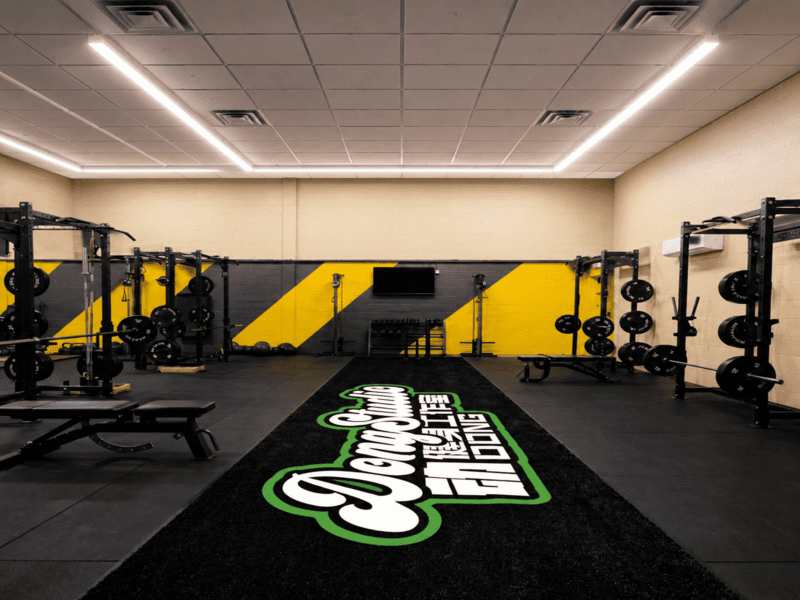
Una vez que su pedido a medida llega a sus instalaciones, debe seguir unas estrictas normas de instalación para reducir los residuos.
¿Qué prácticas de instalación reducen los restos de césped in situ?
Las prácticas de instalación, como la aclimatación en seco durante 24 horas, la colocación de las juntas en zonas poco transitadas y el uso de cortadoras profesionales de bucles, reducen la cantidad de restos de césped. Un manejo adecuado de la obra evita daños accidentales y garantiza cortes limpios que preservan el material.
| Protocolo de instalación | Acción técnica | Material Safety Benefit |
|---|---|---|
| Aclimatación en seco | Desenrolle el césped en el suelo durante 24 horas antes de cortarlo | Evita la contracción o el desplazamiento tras los cortes |
| Colocación estratégica de las costuras | Colocar juntas bajo los carriles de equipamiento o a lo largo de zonas de poco uso | Permite aprovechar al máximo los recortes laterales |
| Uso profesional de herramientas | Utilice cuchillas para césped de alta resistencia y cortadores de hileras de bucle específicos. | Elimina los bordes deshilachados y los rollos estropeados |
Cuando el césped personalizado llega a su gimnasio, está muy apretado y sometido a una gran tensión. Si el instalador lo corta inmediatamente después de desenrollarlo, el soporte se encogerá al relajarse, lo que dejará rollos cortos y grandes huecos. Siempre digo a los jefes de proyecto que dejen reposar el césped en el suelo durante al menos 24 horas. Al hacer los cortes, los instaladores deben utilizar cuchillas adecuadas que se deslicen entre las hileras de hilo. Los cortes bruscos con cuchillas baratas estropean los mechones del borde, obligando a cortar otra hilera de hilo y desperdiciando material bueno.
Gestión inteligente de las costuras en el campo
Al planificar las ubicaciones de las juntas en torno a las configuraciones del equipo pesado o las trayectorias estructurales, puede utilizar cortes laterales estrechos para terminar zonas de bordes más pequeños. Esta colocación inteligente mantiene un alto nivel de piezas de desecho utilizables y un bajo nivel de residuos finales.
Incluso con los mejores planes, te quedará una pequeña cantidad de material de desecho, así que veamos cómo utilizarlo.
¿Cómo se pueden aprovechar los inevitables restos de césped para obtener un valor añadido?
Puede utilizar los inevitables restos de césped convirtiéndolos en alfombrillas para equipos pesados, cubiertas de cajas de plástico o pequeños kits de muestras para tiendas. Esta mentalidad de "upcycling" le garantiza que obtendrá valor de cada centímetro cuadrado de su pedido personalizado.
| Tamaño de la chatarra | Aplicación del Upcycling | Beneficios prácticos |
|---|---|---|
| Tiras grandes (1m+ de longitud) | Bordes de pista de trineo o colchonetas de calentamiento | Crea zonas de entrenamiento móviles |
| Piezas medianas (0,5m - 1m) | Colchonetas pesadas para mancuernas o tapas de cajas de plyo | Protege los suelos y acolcha los equipos |
| Residuos pequeños (menos de 0,5 m) | Posavasos, felpudos o muestras para mostrador | Reduce el volumen de basura a cero |
Una tasa de desechos de 2% a 5% es normal en trabajos complejos debido a los ángulos de las paredes. En lugar de tirar estos trozos a la basura, puede convertirlos en beneficios. Los trozos medianos de caucho vulcanizado de alta densidad o de césped empenachado constituyen excelentes alfombrillas protectoras bajo pesadas pesas rusas o mancuernas. También puedes pegarlos en la parte superior de las cajas de madera para proporcionar a los atletas una superficie de aterrizaje acolchada y antideslizante. Así te ahorras tener que comprar por separado el acolchado de caucho y demuestras a tus clientes que tu empresa se preocupa por las prácticas sostenibles.
Aumentar la reputación de la marca mediante el reciclaje
Utilizar el material de césped sobrante para fabricar pequeñas alfombrillas o felpudos demuestra a tus clientes que te preocupas por el medio ambiente. Convierte la basura potencial en una inteligente historia de marketing para tu negocio de fitness.
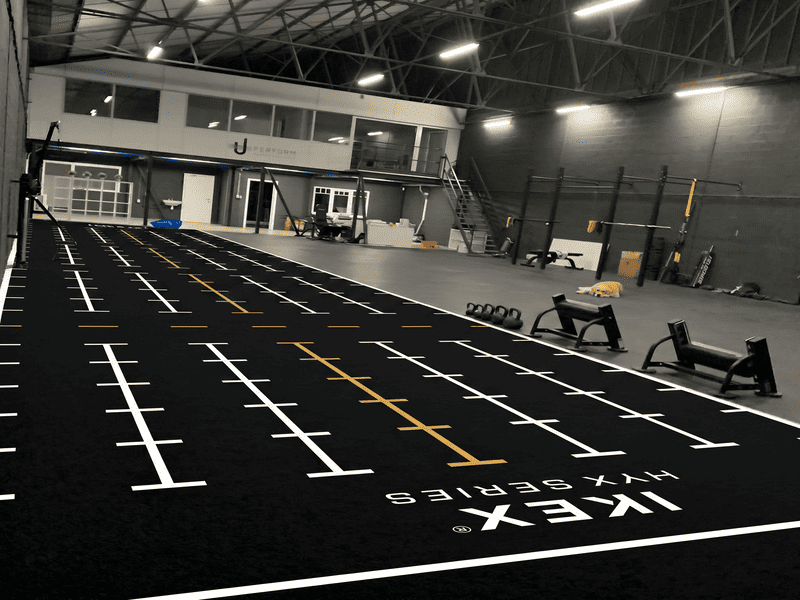
Antes de enviar su próxima hoja de especificaciones personalizadas a la fábrica, utilice nuestra rápida lista de comprobación marco que figura a continuación.
Lista de control: El marco de pedido de césped personalizado Zero-Waste
Revise estos puntos críticos de verificación técnica antes de confirmar su orden de fabricación:
- Verifique si las dimensiones de su habitación coinciden eficazmente con las anchuras estándar de fábrica de 2 ó 4 metros.
- Confirme que la dirección de la fibra de la pila es exactamente la misma en cada sección del rollo.
- Envíe un archivo CAD completo o un plano de planta detallado a nuestro equipo de fábrica para una doble verificación.
- Utilice un margen de recorte perimetral estricto de 3% a 5% en lugar de hacer una suposición suelta de 15% de área total.
- Pregunte a nuestro equipo de fábrica sobre la posibilidad de empenachar sus líneas funcionales, marcas o logotipos de marca directamente en el césped durante la producción.
Conclusión
Reducir el desperdicio de césped personalizado requiere un mapeo CAD preciso previo al pedido, una optimización directa de la bobina en fábrica y métodos de corte correctos in situ para ahorrar su presupuesto.
Si desea eliminar el costoso desperdicio de material y obtener un plano exacto de distribución de rollos para su gimnasio comercial o instalación deportiva, envíeme ahora un mensaje privado con las dimensiones de su suelo o un dibujo CAD. Construyamos juntos su suelo de entrenamiento de alto rendimiento de forma eficiente.