


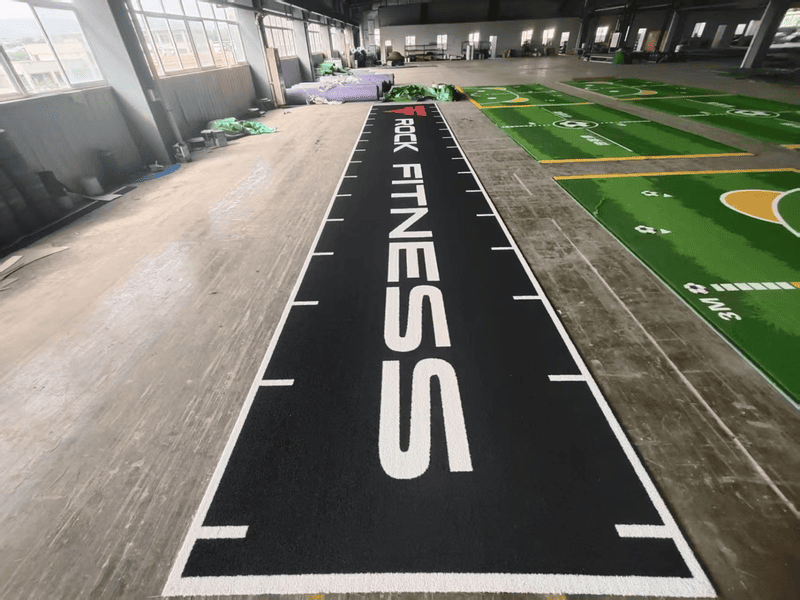
Para limpiar el césped sin dañar el soporte, utilice agua fría, un cepillo de plástico suave y productos de limpieza con pH neutro. Evite los rastrillos metálicos, la lejía y los limpiadores de vapor de alta temperatura. Estos sencillos pasos protegen el revestimiento secundario -el "pegamento" que sujeta las fibras- y garantizan que los orificios de drenaje permanezcan limpios y funcionales.
El césped artificial no es sólo "hierba de plástico"; es un sistema de capas en el que el soporte actúa como base. Si lo trata como si fuera un suelo de hormigón, lo más probable es que se produzca una delaminación, es decir, que las fibras de césped empiecen a desprenderse porque el soporte adhesivo se ha ablandado o agrietado. La mayoría de los daños se deben a dos factores: el calor y los productos químicos agresivos. Cuando el soporte se calienta demasiado o entra en contacto con un disolvente como la gasolina, pierde su integridad estructural. Mi objetivo aquí es mostrarte cómo mantener una superficie limpia y de alto rendimiento dando prioridad a la "seguridad mecánica" y a la compatibilidad química. Si proteges el soporte, el resto del césped se cuida solo.
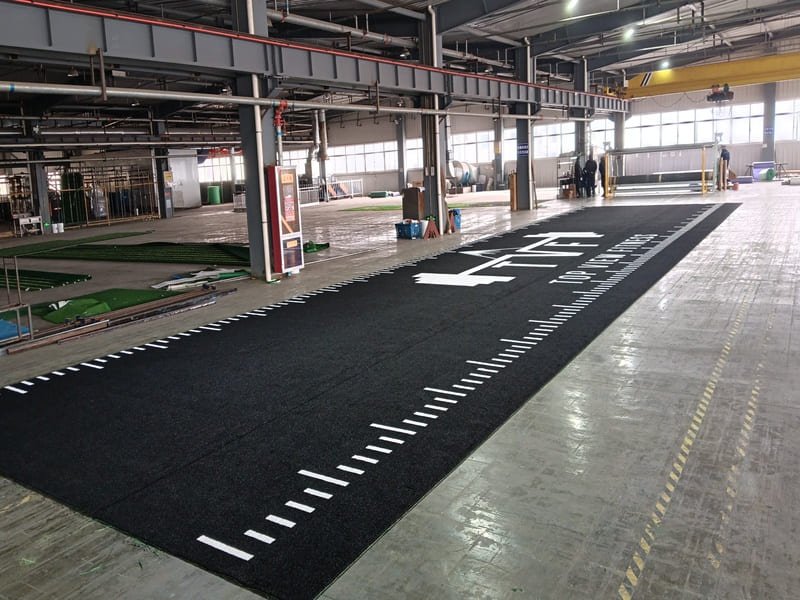
Antes de coger cualquier material, tienes que saber exactamente qué es seguro tocar en la superficie de tu gimnasio o campo.
¿Qué hay que hacer y qué no hay que hacer para respaldar con seguridad?
La regla de oro es evitar cualquier cosa que pueda perforar o fundir el soporte. Utilice herramientas de plástico en lugar de metal y mantenga la temperatura del agua tibia. En la tabla siguiente se enumeran los errores más comunes que provocan fallos permanentes en el césped y lo que debes hacer en su lugar.
| Característica | Prácticas seguras (Do) | Prácticas peligrosas | Por qué es importante |
|---|---|---|---|
| Herramientas | Rastrillos de hojas de plástico / Cepillos de nylon | Rastrillos de jardín metálicos / Cepillos de alambre | El metal araña y desgarra la piel del soporte |
| Limpiadores | Jabón suave para vajilla / Limpiadores enzimáticos | Lejía / Ácido / Productos derivados del petróleo | Los productos químicos agresivos disuelven los enlaces poliméricos |
| Agua | Agua fría o templada | Fregonas de vapor / Agua hirviendo | El calor elevado provoca la contracción permanente del soporte |
| Presión | Boquilla de abanico ancho (Low PSI) | Boquilla de chorro puntiagudo (High PSI) | Demasiada presión inyecta agua entre las capas |
En un entorno de producción, unimos los mechones de hierba al soporte utilizando Sistemas de soporte de poliuretano o látex. Estos materiales son resistentes, pero sensibles a los cambios de temperatura. Un limpiador de vapor puede acabar con las bacterias, pero el vapor a 100 °C hará que el soporte se ondule, creando "ondas" en el suelo que nunca podrá volver a aplanar. Del mismo modo, los desengrasantes "industriales" suelen contener disolventes que vuelven quebradizo el soporte. Antes de empezar, compruebe siempre que la etiqueta indique "pH neutro" o "Turf-Safe". Si no estás seguro, una gotita de jabón suave en un cubo de agua fría es casi siempre la apuesta más segura.
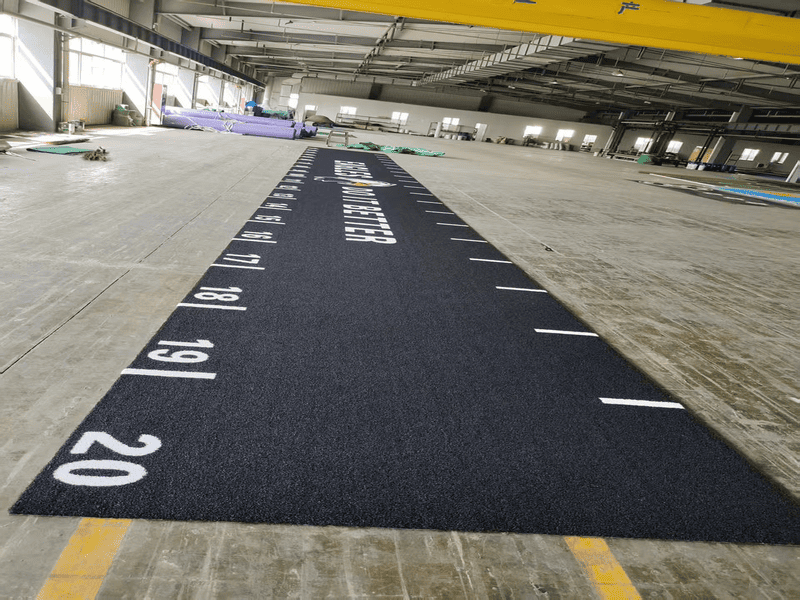
Conocer las herramientas es el primer paso. El segundo paso es saber cómo solucionar los problemas específicos que se producen en un centro de trabajo.
¿Cómo eliminar manchas específicas sin dañar los cimientos?
Trate las manchas en función de su composición química: utilice hielo para los sólidos pegajosos, enzimas para los derrames biológicos y una mezcla de vinagre y agua para el moho. Prueba siempre la solución limpiadora en un pequeño rincón oculto del césped para asegurarte de que no decolora las fibras ni reblandece el soporte.
| Tipo de mancha | Tratamiento recomendado | Acción a evitar |
|---|---|---|
| Sudor y bebidas derramadas | Jabón de pH neutro + Aclarado con agua | Dejar que se seque en una costra salada |
| Residuos de mascotas / Sangre | Limpiadores enzimáticos | Usar lejía (hace que las fibras se vuelvan quebradizas) |
| Goma / Residuos de cinta adhesiva | Cubitos de hielo (congelar y retirar) | Goo-Gone o disolventes de petróleo |
| Moho | 50/50 Vinagre blanco y agua | Fungicidas industriales (demasiado ácidos) |
En los gimnasios muy frecuentados, las "manchas de proteínas" -como el sudor- son el mayor quebradero de cabeza. Éstas necesitan enzimas para "comerse" las bacterias atrapadas cerca del soporte. Si te limitas a rociar un limpiador de superficies, el olor quedará atrapado en los agujeros de drenaje. Para las cosas pegajosas como la cinta deportiva o el chicle, aléjate de los "quitapegamentos". Esos productos están diseñados para disolver el pegamento, y tu soporte está esencialmente unido por un pegamento especializado. En su lugar, congela el chicle con un cubito de hielo hasta que esté duro como una roca y, a continuación, rómpelo. Es una solución mecánica que no supone ningún riesgo químico para la base del césped.
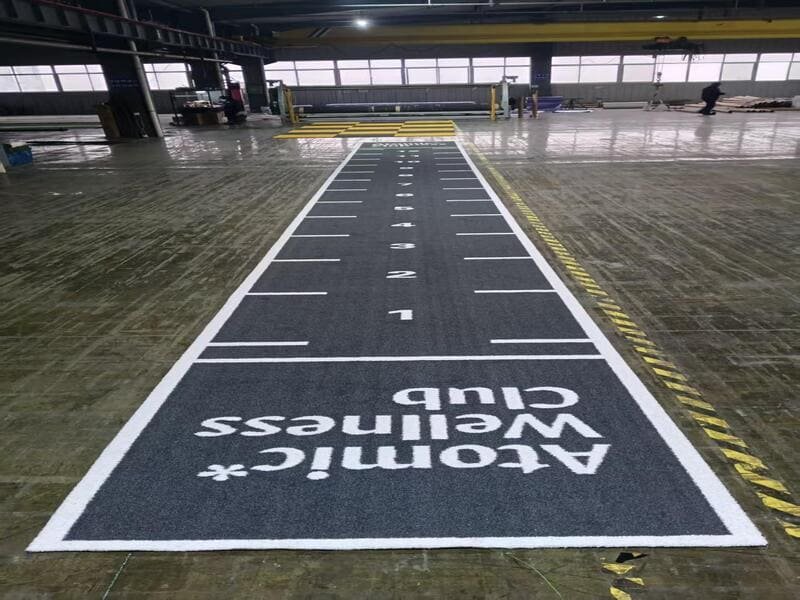
A veces no basta con una simple manguera, pero hay que tener cuidado si decides subir de nivel tu equipo.
¿Se puede utilizar un limpiador a presión de forma segura en césped sintético?
Sí, puede utilizar un limpiador a presión si no supera los 1500 PSI y mantiene la boquilla a una distancia mínima de 12 pulgadas de la superficie. Debe utilizar una boquilla de abanico ancho de 40 grados (normalmente la blanca). Esto distribuye la fuerza para que el agua no "taladre" el soporte y cause delaminación.
| Factor | Especificaciones técnicas | Margen de seguridad |
|---|---|---|
| Presión | Máximo 1500 PSI | Evita el desgarro de la capa de soporte primaria |
| Distancia | 12 - 18 pulgadas | Permite que el agua fluya, no que se corte |
| Ángulo de la punta | Punta de ventilador de 40 grados | Distribuye el impacto entre las fibras |
| Secado | 2 - 4 Horas (Secado al aire) | Garantiza que la humedad no se asiente en el subsuelo |
He visto muchos céspedes con "calvas" porque alguien ha acercado demasiado una hidrolimpiadora. El chorro de agua puede actuar como un cuchillo, cortando los mechones. Cuando utilice un limpiador a presión, mantenga la vara en constante movimiento. No deje que el chorro se concentre en un punto durante más de un segundo. El objetivo es "enjuagar", no "fregar". Si ves que el agua se acumula y no drena, es posible que los orificios de drenaje estén obstruidos con polvo fino. Un chorro suave y en ángulo de una hidrolimpiadora puede ayudar a desatascarlos, pero nunca dispares directamente a quemarropa.
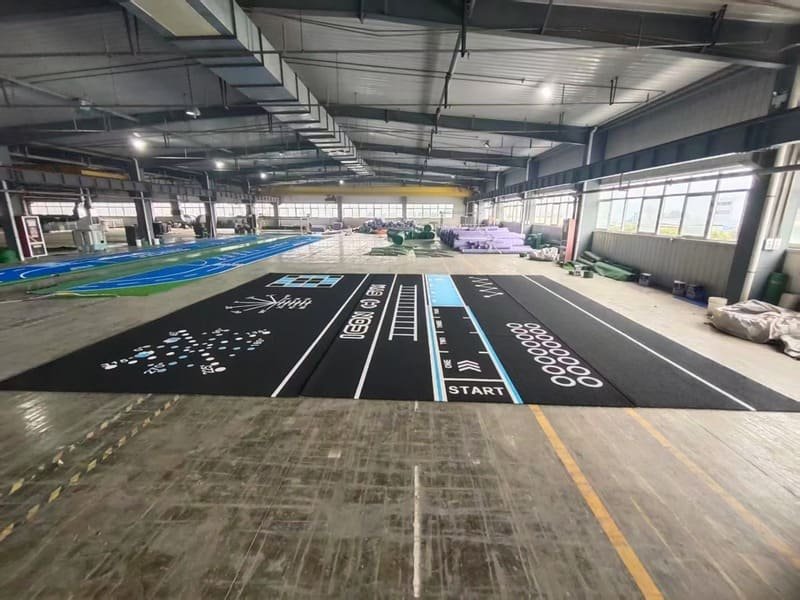
Una rutina constante y sencilla es la mejor manera de evitar la necesidad de una limpieza agresiva más adelante.Para el mantenimiento rutinario, muchos propietarios de instalaciones también se preguntan si pueden aspire el césped del gimnasio sin dañarlo antes de pasar al aclarado o a una limpieza más profunda.
¿Cuál es el programa de mantenimiento ideal para mantener la integridad a largo plazo?
Una rutina saludable implica un aclarado semanal para eliminar las sales, un cepillado mensual para mantener las fibras en posición vertical y un remojo enzimático en profundidad cada dos años. Esto evita que la materia orgánica se convierta en "cieno", que puede obstruir el drenaje y atrapar la humedad contra el soporte, provocando finalmente la putrefacción.
| Frecuencia | Tarea | Beneficio clave |
|---|---|---|
| Semanal | Aclarado con agua ligera | Elimina las sales del sudor y el polvo fino |
| Mensualmente | Cepillado cruzado sintético | Mantiene las fibras en posición vertical para proteger el soporte |
| Cada dos años | Limpieza profunda con enzimas | Elimina las bacterias en el relleno y el soporte |
| Según sea necesario | Tratamiento puntual | Evita que los pequeños derrames se conviertan en permanentes |
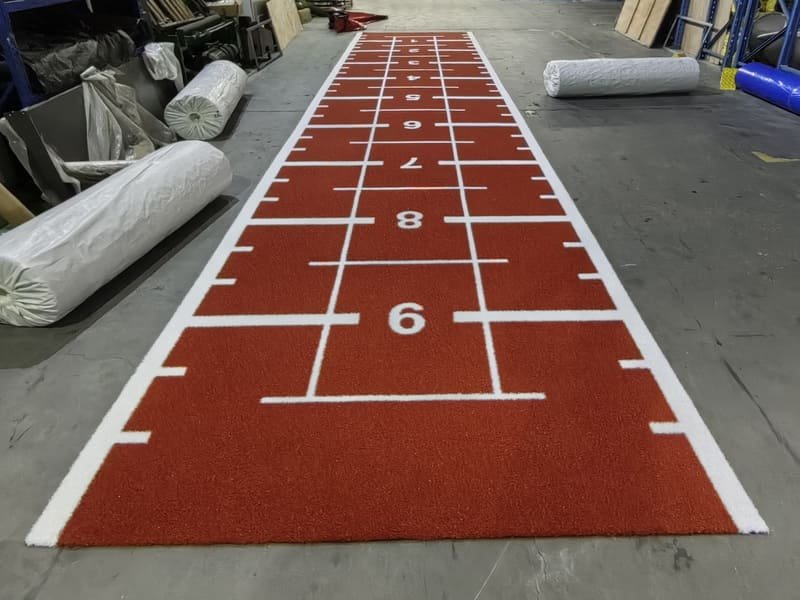
En la fábrica, hemos comprobado que el césped con fibras planas y "aplastadas" desgasta 40% más rápidamente. Cuando el césped está plano, cada pisada golpea directamente el soporte. Con un cepillado cruzado (cepillado a contrapelo) una vez al mes, las fibras se levantan y actúan como amortiguadores. Este sencillo hábito añade años a la vida del soporte. Además, una limpieza a fondo bianual con un desinfectante apto para céspedes mantiene los orificios de drenaje libres de biopelículas. Después de cualquier limpieza importante, deja que la zona se seque al aire completamente antes de volver a utilizar equipos pesados o de empezar un entrenamiento de alta intensidad.
Conclusión
Proteja la base y el césped durará. Utiliza agua fría, jabones neutros y herramientas de plástico blando para mantener el césped fuerte.
Lista de comprobación del resumen rápido:
- Hazlo: Pruebe primero en una esquina, use enzimas para los olores, use rastrillos de plástico.
- No lo hagas: Use lejía, utilice mopas de vapor o cepillos de cerdas metálicas.
- Consejo de seguridad: Mantenga la presión del agua por debajo de 1500 PSI y la temperatura por debajo de 60°C.
Si tiene alguna pregunta sobre materiales de césped específicos o necesita asesoramiento sobre una instalación personalizada, no dude en enviarme un mensaje privado.