


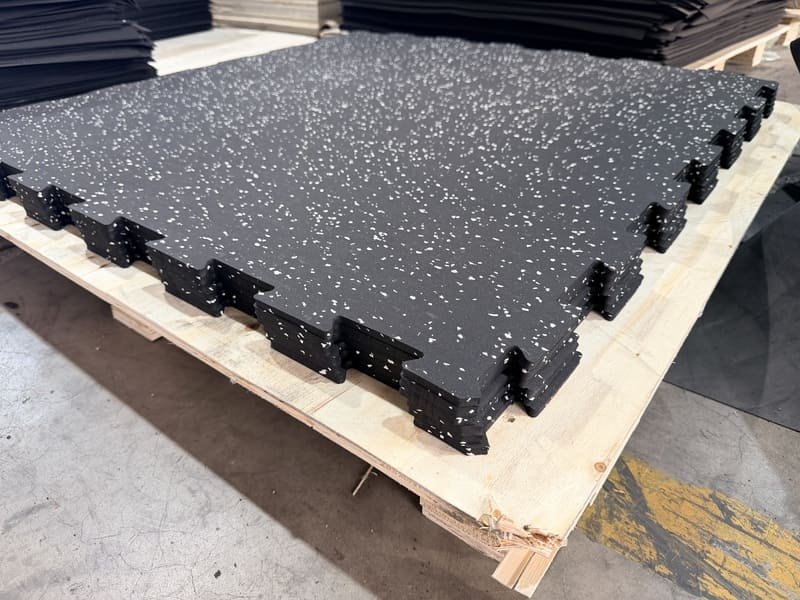
El mejor suelo de caucho para gimnasios con tacones altos son los rollos de caucho vulcanizado de alta densidad. Estas superficies deben ofrecer una dureza Shore A de 60-80 para evitar los pinchazos de los tacones de aguja y mantener al mismo tiempo una absorción de impactos superior. Un acabado no poroso y de alta densidad garantiza la máxima estabilidad y durabilidad a largo plazo frente a la presión de puntos extremos.
Los tacones altos concentran una inmensa cantidad de presión -a menudo superior a 2.000 PSI- en una superficie diminuta. Las losetas de caucho reciclado estándar utilizadas en las salas de musculación suelen ser demasiado porosas y blandas para esta aplicación específica. Si la densidad del caucho es inferior a 950 kg/m³, la punta del talón se hundirá en el material, creando un "bloqueo mecánico" que provoca torceduras de tobillo o desgarros de la superficie. Para solucionarlo, las especificaciones técnicas deben priorizar la "elasticidad puntual" sobre la "elasticidad de área". Esto significa que el suelo debe comprimirse ligeramente bajo el talón para proteger las articulaciones, pero permanecer lo suficientemente firme para evitar que el zapato toque fondo o desestabilice al bailarín. El caucho vulcanizado es el estándar profesional porque el proceso de unión a alta temperatura elimina las bolsas de aire que se encuentran en el caucho para migas más barato, haciéndolo prácticamente a prueba de pinchazos para tacones de aguja y de salón.
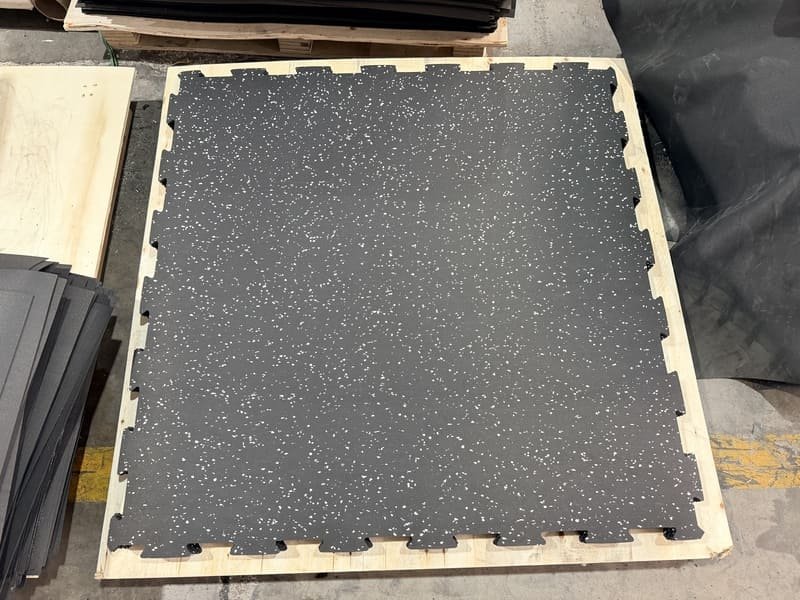
Seleccionar el material adecuado requiere comparar grados técnicos específicos y comprender la relación coste-rendimiento para entornos de estudio comerciales.
¿Qué calidades de material ofrecen las mejores prestaciones para los tacones altos?
Las planchas de caucho vulcanizado y las alfombrillas de ultra alta densidad son las principales opciones para suelos compatibles con tacones. Los rollos vulcanizados ofrecen un acabado sin juntas, mientras que los sistemas de enclavamiento de alta densidad proporcionan flexibilidad modular. La mejor opción siguen siendo las planchas de caucho no poroso que resisten las rozaduras y perforaciones permanentes de las puntas de tacón de plástico o metal.
| Calidad del material | Nivel de rendimiento | Lo mejor para | Ventaja técnica |
|---|---|---|---|
| Rollo vulcanizado | Profesional | Estudios Pro Dance | Superficie termosellada de alta densidad |
| Alfombrilla de alta densidad | Comercial | Gimnasios polivalentes | Reducción superior de la fuerza |
| Hoja de celdas cerradas | Boutique Premium | Estudios de lujo | No poroso y resistente a las rozaduras |
| Compuesto híbrido | Multifuncional | Zonas de tráfico intenso | Durabilidad homogénea de la capa de desgaste |
Diferenciación e ingeniería de materiales técnicos
Hay que centrarse en la calidad del aglutinante y el proceso de fabricación. Las gomas de gama baja utilizan adhesivos de baja calidad que permiten que los gránulos se suelten bajo la fuerza de cizallamiento lateral del pivote de un estilete. Los rollos vulcanizados de calidad profesional utilizan calor a alta presión para crear un enlace molecular único y sólido. Un material de "célula cerrada" es esencial en este sector porque impide que el sudor, los aceites y las rozaduras del plástico penetren en la superficie. En un estudio de danza con mucho tráfico de tacones de aguja, un suelo poroso atrapará bacterias y olores en cuestión de semanas. Elegir un material con un alto índice de "resistencia a la indentación" garantiza que el suelo se mantenga liso, plano y seguro para coreografías profesionales durante un ciclo de vida de diez años.
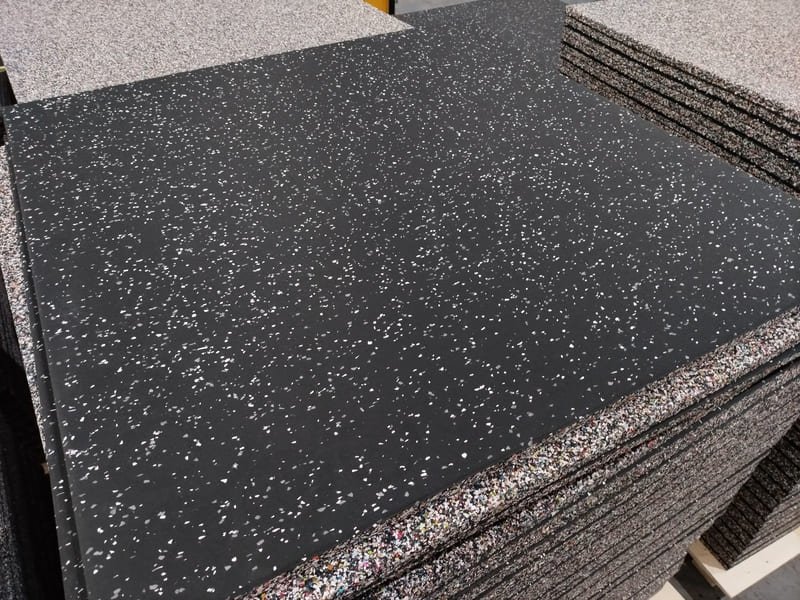
El coste de estos materiales varía considerablemente en función de la densidad y el grosor, lo que repercute directamente en el presupuesto total del proyecto.
¿Cuánto cuesta el suelo de caucho para estudios de tacones?
Los suelos de caucho de calidad profesional para tacones suelen oscilar entre $6 y $18 por pie cuadrado. Los rollos vulcanizados de alta densidad son el estándar de gama media a $8-$16 instalados, mientras que los sistemas híbridos con una base de caucho y una capa superior de alto rendimiento representan el nivel superior a $13-$23 por pie cuadrado.
| Material para suelos | Precio por m2 | Coste de instalación (medio) | Presupuesto total Est. |
|---|---|---|---|
| Caucho vulcanizado | $6 - $12 | $2 - $4 | $8 - $16 |
| Baldosas de alta densidad | $4 - $8 | $1 - $2 | $5 - $10 |
| Sistemas híbridos | $10 - $18 | $3 - $5 | $13 - $23 |
| Colchonetas estándar | $2 - $5 | $1 - $2 | $3 - $7 (No Rec.) |
Presupuesto para durabilidad comercial e instalación
El coste inicial del material es sólo una parte de la ecuación financiera. En un estudio con tacones, una instalación "suelta" o "con cinta adhesiva" fallará debido a la intensa fuerza horizontal de los pivotes de danza. Es obligatorio utilizar un adhesivo de poliuretano en toda la superficie, lo que supone un gasto adicional de entre 1,00 y 1,50 euros por metro cuadrado en material y mano de obra. Además, el caucho de alta densidad es pesado, a menudo pesa más de 2 libras por pie cuadrado con un grosor de 8 mm, lo que repercute en la logística. Aunque las losetas de alta densidad son más fáciles de instalar, tienen costuras en las que pueden engancharse los tacones. Para un retorno de la inversión a largo plazo, un rollo vulcanizado es más rentable que una esterilla de gimnasio barata que requiere sustitución cada 12 meses debido al desgaste de la superficie y a problemas de higiene.
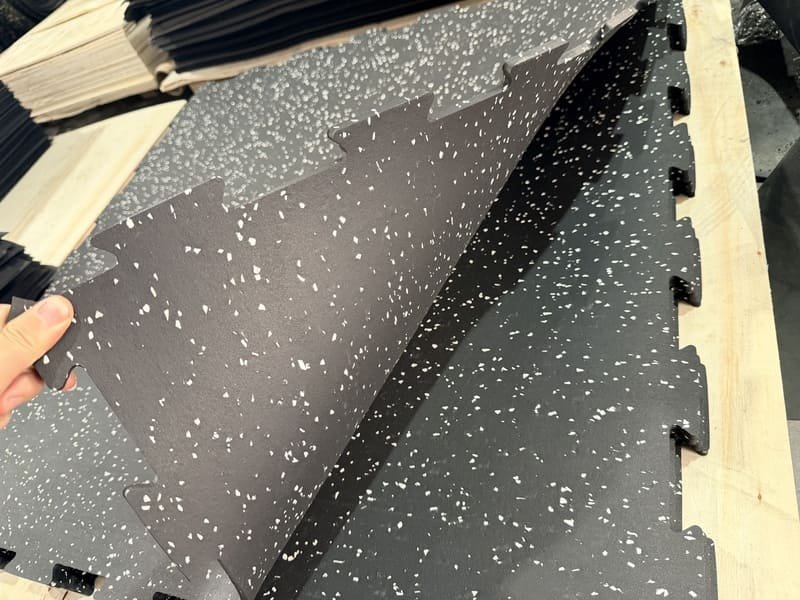
Los propietarios de estudios suelen comparar el caucho con las superficies de danza tradicionales, como la madera dura o el vinilo de PVC, para encontrar el mejor equilibrio entre seguridad y estética.
¿Cómo se compara el caucho con la madera dura o el vinilo para bailar con tacones?
El caucho amortigua mejor los golpes y el ruido que la madera dura o el PVC. La madera dura es tradicional, pero se abolla con facilidad y requiere costosos retoques. El caucho de alta densidad ofrece una superficie antideslizante y de bajo mantenimiento que protege las articulaciones de los bailarines del alto impacto del fitness con tacones de aguja.
| Característica | Goma de alta densidad | Madera dura | Vinilo de alto rendimiento (Marley) |
|---|---|---|---|
| Resistencia a la perforación | Excelente (Vulcanizado) | Moderado (abolladuras) | Alta |
| Absorción de impactos | Alta | Baja (a menos que sea de muelles) | Medio |
| Mantenimiento | Bajo (sólo fregona) | Alta (Arena/Cera) | Moderado |
| Acústica | Silencio | Alto/Eco | Moderado |
Compromisos de rendimiento en el revestimiento de estudios
Los suelos de madera son propensos a "ahuecarse" y rayarse cuando se someten a puntas de tacón metálicas o de plástico duro. Acabar un suelo de madera puede costar $3-$5 por pie cuadrado cada pocos años. Por el contrario, caucho de alta densidad es homogénea, lo que significa que las propiedades son constantes en todo el grosor de la esterilla. Los suelos de PVC para gimnasios son habituales, pero a menudo carecen del coeficiente de fricción necesario para los tacones; pueden resultar peligrosamente resbaladizos cuando el sudor golpea la superficie. Un sistema híbrido, que utiliza una capa inferior de caucho de alta densidad con una capa superior de vinilo, ofrece la resistencia del caucho con la estética de la madera. Sin embargo, para los gimnasios especializados en los que la durabilidad es la prioridad, el caucho vulcanizado puro sigue siendo la opción más resistente para absorber el impacto vertical de los movimientos de los tacones de aguja.
Evitar los errores más comunes de instalación y selección es fundamental para garantizar que el suelo no se convierta en un riesgo para la seguridad.
¿Cuáles son los principales errores que hay que evitar al comprar suelos para tacones?
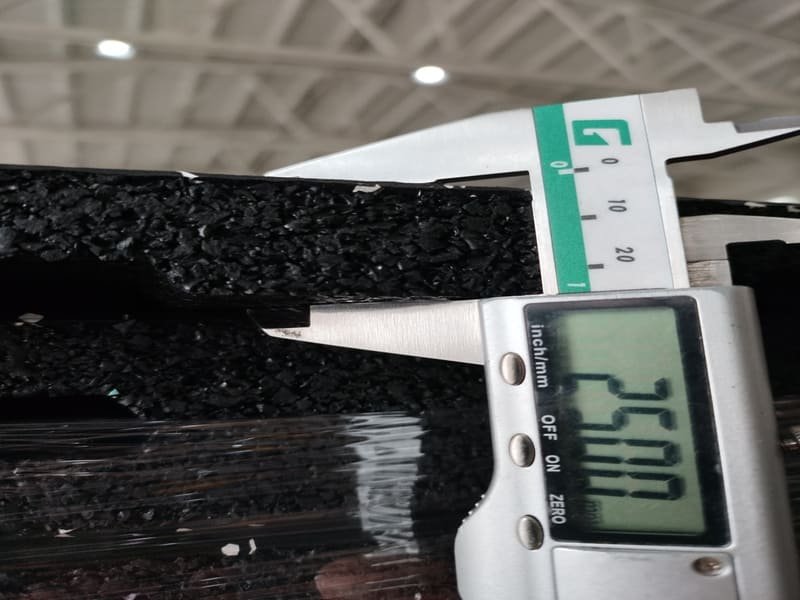
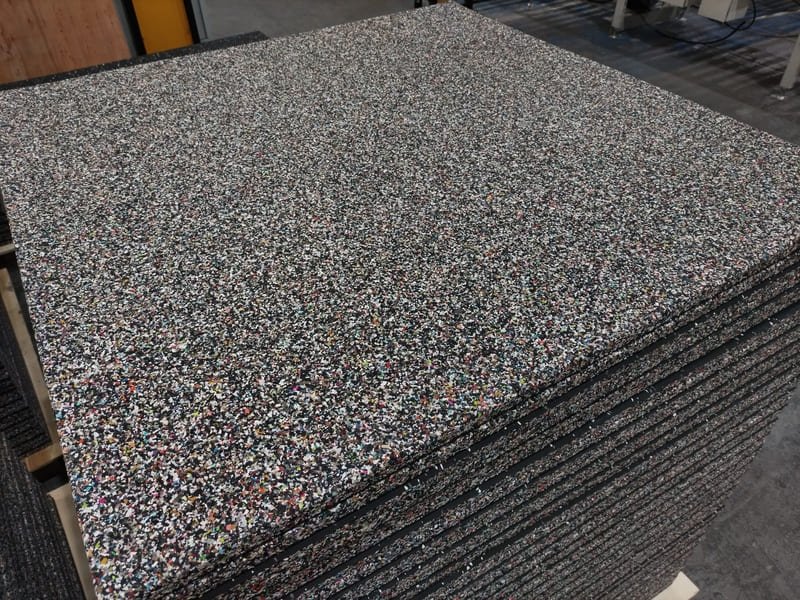
Evite el caucho reciclado con gránulos grandes, ya que carece de la integridad estructural necesaria para resistir los pinchazos. No utilice nunca alfombras de más de 15 mm de grosor, ya que un "aplastamiento" excesivo provoca inestabilidad en los tobillos de los bailarines con tacones. Evite siempre la espuma EVA y las instalaciones sueltas, que pueden provocar tropiezos y desplazamientos de la superficie.
Seguridad y problemas técnicos
El error más común es elegir el grosor incorrecto del suelo de caucho para un gimnasioEspecialmente para bailarinas con tacones. Aunque las colchonetas de 20 mm o 30 mm son estupendas para dejar caer pesadas mancuernas, son peligrosas para los tacones. El desplazamiento de la goma bajo un tacón de 10 cm crea una superficie irregular que aumenta significativamente el riesgo de lesiones del LCA y del tobillo. Otro punto de fallo es el "hueco de la costura". En las baldosas entrelazadas más baratas, la precisión del corte suele ser baja, dejando huecos donde un tacón de aguja puede engancharse fácilmente, desgarrando la baldosa o haciendo tropezar al usuario. Para cualquier aplicación profesional, utilice únicamente rollos con adhesivo totalmente extendido para crear una superficie monolítica que impida la penetración de líquidos y el enganche mecánico.
Conclusión
Invierta en rollos de caucho vulcanizado de alta densidad para una máxima resistencia a los pinchazos y seguridad de las articulaciones. Utilice un adhesivo de extensión completa para evitar desplazamientos y garantizar un entorno seguro y de alto rendimiento en todas las clases de fitness con tacones.
Si necesita una consulta técnica sobre la selección de densidades o un presupuesto directo de caucho vulcanizado de calidad profesional, póngase en contacto conmigo hoy mismo para obtener un plan de pavimentación personalizado.