


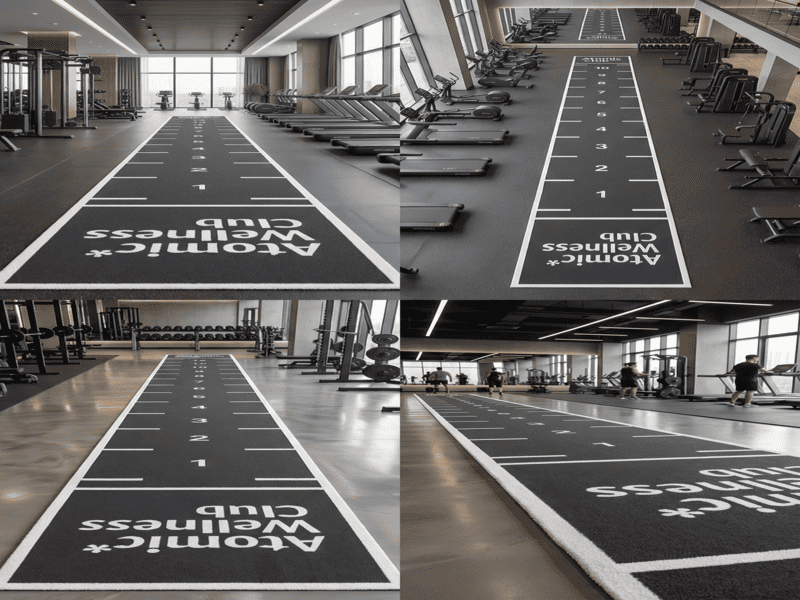
La elección del relleno de césped determina el coeficiente de fricción y la velocidad de degradación de las fibras. Una elección equivocada puede reducir la vida útil de su suelo en 50% y duplicar sus costes de mantenimiento, lo que la convierte en la "pequeña" decisión más cara que tomará el propietario de un gimnasio.
La mayoría de los propietarios de gimnasios se fijan en el césped, pero el relleno es el motor bajo el capó. En el laboratorio, utilizamos pruebas mecánicas Lisport para ver cómo los trineos destruyen las fibras. Los datos son claros: el uso de arena barata y abrasiva "sierra" las fibras sintéticas en sólo 18 meses. Esta es la "trampa 80%", en la que la mayoría de las instalaciones priorizan el ahorro inicial y acaban con césped "fundido" o calvo demasiado pronto. Si la fricción es demasiado alta, el calor de un trineo puede alcanzar los 80 ºC, que es la zona de peligro para el polietileno. No sólo está comprando moqueta verde; está comprando un entorno con fricción controlada.
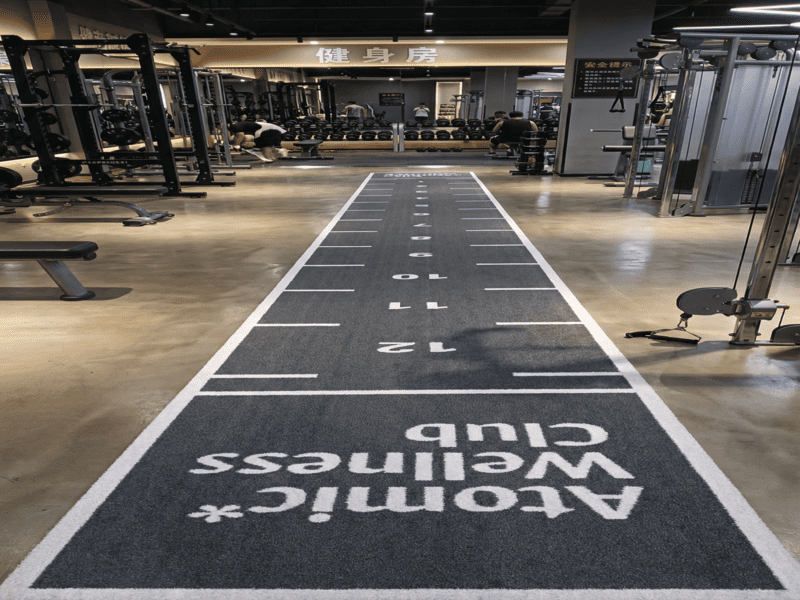
Los costes ocultos de la fricción son exactamente los que determinarán su ROI a largo plazo.
¿Por qué el relleno es el "motor oculto" del césped de su gimnasio?
El relleno proporciona el soporte estructural para cada brizna de hierba, controlando directamente el "agarre" para los sprints y el "deslizamiento" para los trineos. Sin el material adecuado, las fibras se colapsan bajo la fuerza horizontal, provocando un apelmazamiento permanente y una pérdida total de rendimiento.
La arena de sílice en bruto es el error más común en la industria. Es barata, pero sus partículas son angulosas y afiladas. Esto crea un "efecto lija" cada vez que un trineo pasa sobre ella. La acumulación de calor por esta fricción provoca el "acristalamiento", en el que la superficie del césped se endurece y pierde su textura. He visto a innumerables propietarios de gimnasios gastar miles de euros en césped de primera calidad sólo para arruinarlo con $100 de arena equivocada. El objetivo es encontrar el equilibrio entre un trineo pesado que se mueva suavemente y un atleta que tenga suficiente tracción para empujar sin resbalar.
La física de cómo interactúan estos materiales determina si su suelo dura dos años o diez.
¿Cómo funcionan la fricción y la mecánica del desgaste?
La fricción es la resistencia al movimiento, y el desgaste es la pérdida física de masa de fibra. Un relleno incorrecto aumenta el Coeficiente de Fricción (CoF) hasta un punto en el que la fuerza mecánica de cizallamiento supera la resistencia a la rotura de las láminas de césped.
Para ver el impacto en el mundo real, mira estos datos de rendimiento:
El coste real de las opciones de relleno
| Característica | Arena de sílice (barata) | Caucho SBR (estándar) | EPDM/Sin relleno (Premium) |
|---|---|---|---|
| Coeficiente de fricción | Muy alto (arenoso) | Alto (Grabby) | Consistente (Suave) |
| Vida útil de la fibra | 2-3 años | 4-6 años | Más de 8 años |
| El "coste oculto | Le cuesta $5-8/m² en sustitución anticipada | Costes de limpieza elevados | Mayor coste inicial, menor coste total de propiedad |
| Sensación de trineo | Como empujar sobre grava | Alta tracción, alto calor | Deslizamiento uniforme |
Cuando la fricción es demasiado alta, el desgaste se acelera. Las pruebas de laboratorio demuestran que los sistemas rellenos de arena llegan a la "fibrilación" (rotura de fibras) a los 10.000 ciclos, mientras que los sistemas sin relleno de alta densidad alcanzan fácilmente los 50.000 ciclos. Seleccionar un material que equilibre agarre y deslizamiento es una estrategia económica. También es importante tener en cuenta cómo el peso del trineo y la técnica aceleran el desgasteya que la carga técnica repercute directamente en la integridad a largo plazo de las fibras.
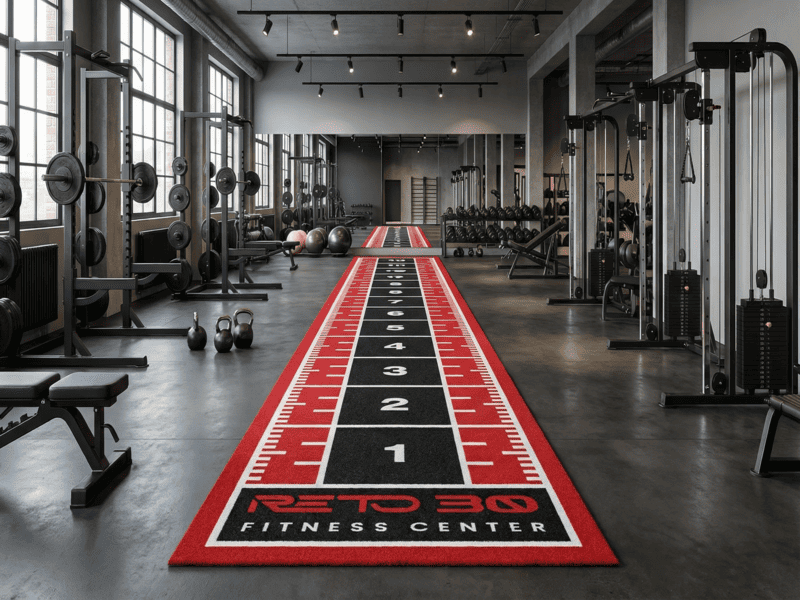
El material que elijas es el factor más importante en esta ecuación.
¿Qué material de relleno es mejor para su gimnasio?
La arena de sílice es la opción más perjudicial; el caucho SBR es el estándar para el agarre; pero para los gimnasios comerciales modernos, la "Recomendación Absoluta" es el Césped de Alta Densidad sin Relleno con una capa de paja texturizada.
La "Recomendación Absoluta":
Si tienes que elegir uno, omita el relleno suelto y opte por un monofilamento texturizado de alta densidad (sin relleno). Esta es la realidad:
- La visión del sector: La mayoría de los propietarios de gimnasios fracasan en el mantenimiento. El relleno suelto migra a los bordes, dejando la pista de trineo desnuda y desprotegida.
- El peaje financiero: Ahorrar $1.000 en arena hoy se traduce en una factura de sustitución de $5.000 en 24 meses.
- La diferencia de rendimiento: El césped sin relleno utiliza una densa capa de fibras rizadas para sostener las cuchillas. Es más limpio, no requiere "rellenos" y proporciona el deslizamiento de trineo más uniforme del mercado.
Elegir la opción adecuada cambia la experiencia de todos los presentes.
¿Cómo afecta la elección del relleno a la experiencia del deportista?
El relleno determina el "cizallamiento de la superficie", que es la diferencia entre un sprint limpio y un tobillo torcido. También controla el calor generado durante el trabajo en el suelo, lo que influye directamente en la frecuencia de las quemaduras en el césped.
Cuando un trineo de 100 kg parece de 200 kg un día y de 150 kg al siguiente, se trata de un problema de compactación del relleno. El relleno endurecido aumenta la superficie de fricción, creando una resistencia "espasmódica" que tensa los tendones de Aquiles. Las superficies rellenas de arena aumentan la abrasión de la piel en 40% en comparación con el césped sin relleno. Si en su gimnasio se practican burpees o planchas, un relleno de alta abrasión es un inconveniente. Necesita una "fricción predecible", un deslizamiento constante que permita al atleta centrarse en su potencia de salida en lugar de en la resistencia del suelo.
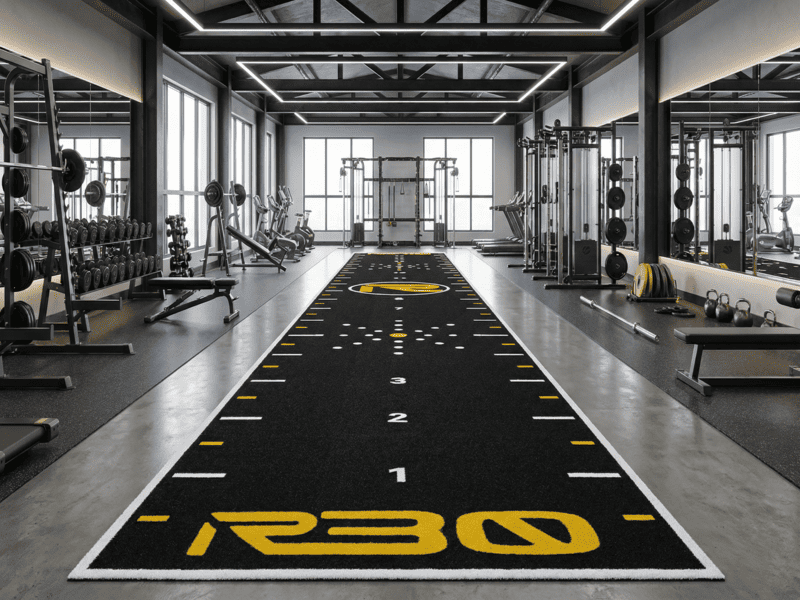
Incluso la mejor superficie fracasará sin unos conocimientos básicos de mantenimiento.
¿Por qué es fundamental el mantenimiento para controlar el desgaste?
El mantenimiento evita la "canalización", en la que los trineos empujan el relleno fuera de las zonas de mayor tránsito. Sin un cepillado regular, el soporte de césped expuesto se agrietará, provocando un fallo total del suelo.
Los gimnasios suelen sustituir el césped porque se rompe el soporte, no porque la hierba haya desaparecido.
La realidad del mantenimiento
| Acción | Impacto en la fricción | Impacto en la esperanza de vida |
|---|---|---|
| Cepillado semanal | Mantiene la fricción uniforme | Añade 2-3 años a la vida |
| Relleno | Evita el aplastamiento de la fibra | Evita el "acristalamiento" |
| Ignorarlo | Crea "zonas muertas | Sustitución prematura ($$$) |
El verdadero coste de la negligencia es alto. Las pistas de trineo se quedan calvas en 12 meses si no se vuelve a colocar el relleno en la pista. Esta es la razón por la que el césped sin relleno está ganando el mercado: elimina el punto de fallo de mantenimiento que arruina el 80% de los suelos de gimnasios comerciales.
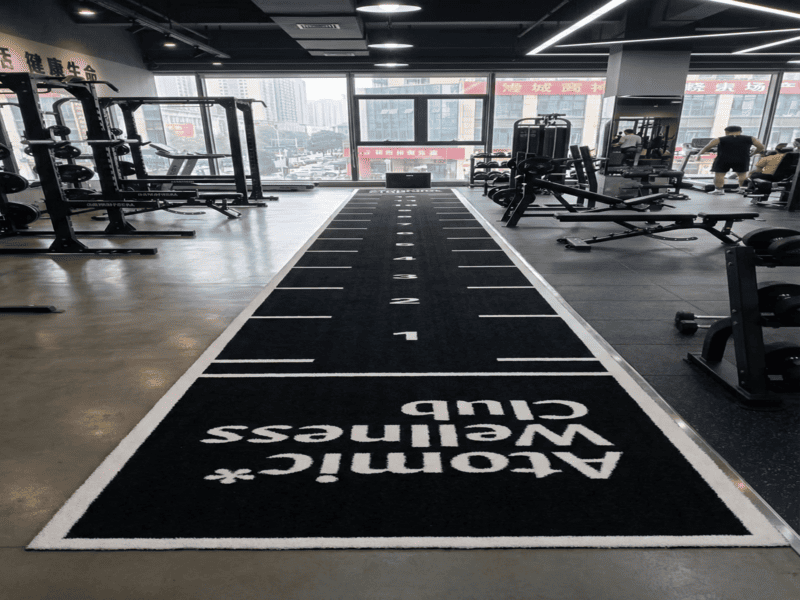
Las zonas muy transitadas, como las pistas de trineo, son las que requieren más atención.
¿Cómo manejar las pistas de trineo y las zonas de mucho tráfico?
Las pistas de trineo son la "zona de la muerte" del césped. Para evitar un desgaste prematuro, debe utilizar fibra de alta densidad (mínimo 50.000 puntadas/m²) o una pista especializada sin relleno que resista el cizallamiento horizontal extremo.
La migración del relleno se produce en sólo 50 empujes del trineo. Una vez que el relleno se desplaza, los patines metálicos del trineo actúan como cuchillos sobre el soporte. Los propietarios suelen pensar que el problema es la hierba, pero lo primero que falla es el soporte. Para cualquier carril de trineo comercial, recomiendo un monofilamento texturizado con soporte secundario reforzado. Esto asegura que su trineo de "100kg" se sienta igual todos los días, independientemente de donde se encuentre en la pista.

El último paso es adaptar el césped a tu estilo de entrenamiento específico.
¿Cómo adaptar el relleno a su estilo de entrenamiento?
Adapte su superficie a su actividad de mayor impacto: Alta estabilidad para Strongman, baja abrasión para HIIT y alta consistencia para Rendimiento Profesional.
Estrategia de selección final
| Modalidad de gimnasia | La elección del experto | ¿Por qué? |
|---|---|---|
| Strongman / Trineos Pesados | Relleno de caucho (SBR) | Máxima tracción y amortiguación |
| HIIT / Fitness funcional | Sin relleno (paja) | La elección de oro: Limpio y de bajo consumo |
| Deportes profesionales / Agilidad | Relleno EPDM | Mayor estabilidad y seguridad del tobillo |
El verdadero coste de propiedad es (Precio inicial + Mantenimiento) / Años de uso. Al hacer los cálculos, las opciones premium sin relleno o EPDM son casi siempre más baratas porque duran 2 ó 3 veces más que las alternativas rellenas de arena.
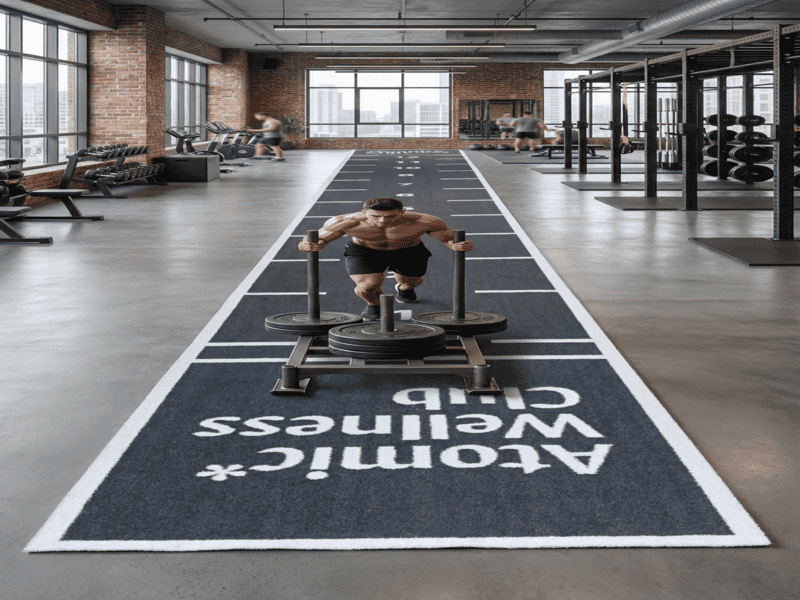
Invertir en calidad hoy evita tener que reconstruir todo el suelo mañana.
Conclusión
Dar prioridad a las superficies de baja abrasión y alta densidad para maximizar el retorno de la inversión y la seguridad de los atletas.
No deje que una elección "barata" le cueste una reconstrucción total del suelo. Si necesita calcular el ROI de sus instalaciones o desea una evaluación de durabilidad personalizada, envíeme un mensaje privado.