


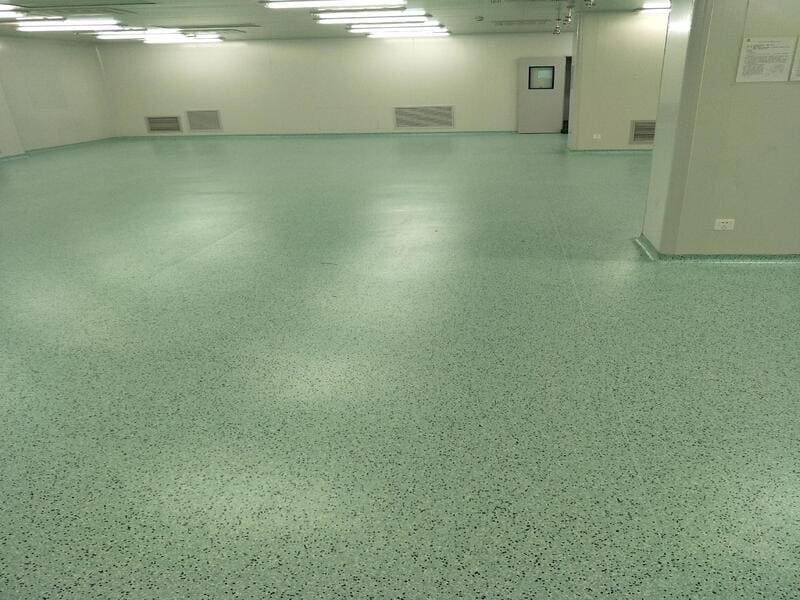
Bei Vinylböden treten Farbabweichungen auf, die auf geringfügige Unterschiede bei Pigmentierung, Druck und Produktionschargen sowie auf äußere Einflüsse wie Sonneneinstrahlung und Feuchtigkeit nach der Verlegung zurückzuführen sind. Diese Abweichungen sind größtenteils normal und bedeuten nicht, dass der Bodenbelag fehlerhaft ist.
Wenn Sie gerade eine neue Packung Vinylbodenbelag geöffnet haben und der Farbton etwas von der letzten Charge abweicht, sind Sie nicht allein. Das ist eine der häufigsten Fragen, die mir von Kunden und Produktteams gestellt werden. Als Produktionsleiter, der täglich mit Vinylbodenbelägen arbeitet, beobachte ich dieses Problem von der Rohstoffphase bis hin zur fertigen Rolle. Farbabweichungen können durch die Druckschicht, die Nutzschicht, die Harzcharge oder sogar durch den Raum verursacht werden, in dem der Bodenbelag nach der Verlegung verlegt wird. Einige dieser Ursachen lassen sich leicht beheben. Bei anderen muss genauer geprüft werden, wie und wo der Bodenbelag verwendet wird.
Bevor Sie sich Sorgen machen, dass etwas schiefgelaufen sein könnte, ist es hilfreich, die tatsächlichen Ursachen dieses Problems zu kennen. Lassen Sie uns einmal genauer betrachten, was normal ist, was nicht und wie Sie den Unterschied schnell erkennen können.
Sind Farbabweichungen bei Vinylböden normal?
Ja, geringfügige Farbabweichungen zwischen den einzelnen Chargen sind bei der Herstellung von Vinylböden normal und zu erwarten. Ein Problem entsteht erst dann, wenn die Veränderung plötzlich oder ungleichmäßig auftritt oder mit Abblättern, Rissen oder einem starken chemischen Geruch einhergeht.
Was gilt als normale Schwankung?
In meinem Werk wird bei jedem Produktionsdurchlauf eine frische Mischung aus PVC-Harz, Weichmacher und Pigment verwendet. Selbst bei strenger Kontrolle kommt es zwischen den Chargen zu geringfügigen Farbabweichungen. Dies ist in der gesamten Bodenbelagsbranche üblich und nicht nur in einer einzigen Fabrik der Fall. Normale Abweichungen zeigen sich in der Regel erst bei genauer Betrachtung als leichter Farbunterschied und nicht als deutliche Diskrepanz, die man schon vom anderen Ende des Raums aus bemerkt.
| Typ | Zeichen | Ursache |
|---|---|---|
| Normal | Leichte Farbtonabweichung zwischen den Feldern | Neue Pigment- oder Harzcharge |
| Anormal | Fleckige oder fleckartige Färbung | Fehler beim Mischen oder Aushärten |
| Anormal | Vergilbung mit Geruch | Chemische Reaktion oder Hitzeschaden |
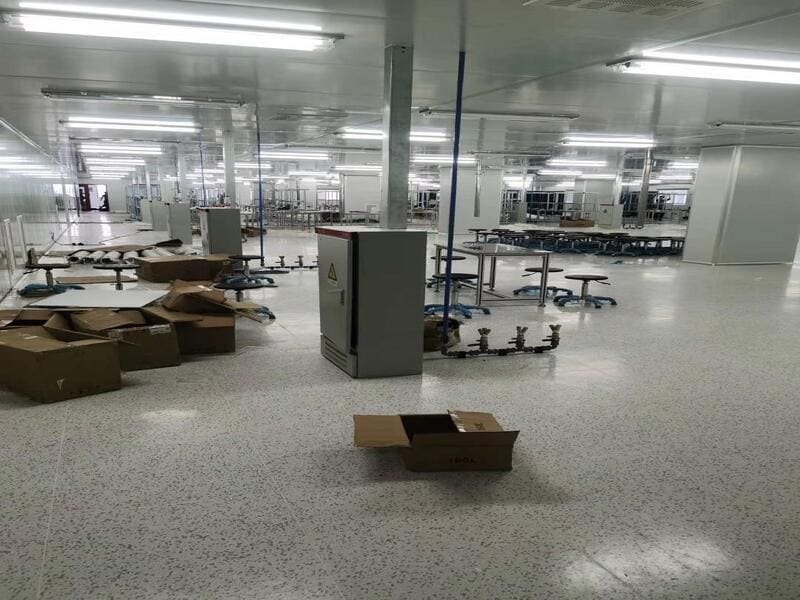
Wenn Sie diesen Unterschied kennen, sparen Sie Zeit und Nerven. Sobald Sie eine normale Farbverschiebung von einem echten Defekt unterscheiden können, besteht der nächste Schritt darin, zu verstehen, wo diese Farbveränderungen tatsächlich beginnen.
Welche Faktoren im Herstellungsprozess führen zu Farbabweichungen vor dem Einbau?
Farbabweichungen vor der Verlegung sind meist auf unterschiedliche Produktionschargen, die Pigmentmischung, Unterschiede bei der Druckfolie und die Stärke der Nutzschicht zurückzuführen. Diese Schritte finden im Werk statt, lange bevor der Bodenbelag bei Ihnen vor Ort eintrifft.
Chargen- und Pigmentunterschiede
Jede Rolle Vinylbodenbelag durchläuft die Schritte Mischen, Kalandrieren, Bedrucken und Beschichten der Nutzschicht. Die Pigmentverteilung kann von Charge zu Charge leicht variieren, selbst bei gleicher Rezeptur, da auch bei den Rohstofflieferanten geringfügige Abweichungen auftreten. Die Druckfolie, die das Holz- oder Steinmuster trägt, wird in großen Rollen hergestellt und im Laufe der Zeit zugeschnitten, sodass sich die ersten und letzten Abschnitte derselben Rolle bei starker Beleuchtung etwas unterschiedlich ansehen können.
Auswirkungen auf die Nutzschicht
Die Nutzschicht liegt obenauf und schützt den Druck. Eine dickere oder dünnere Nutzschicht kann die Lichtdurchlässigkeit beeinflussen, was wiederum dazu führt, dass die darunterliegende Farbe für das Auge anders wirkt.
| Fertigungsphase | Häufiger Farbeffekt |
|---|---|
| Mischen von Harz und Pigmenten | Leichte Farbabweichungen von Charge zu Charge |
| Druckfolie | Muster und Farbverlauf über die Rolle hinweg |
| Verschleißschicht | Je nach Dicke wirkt der Look heller oder intensiver |
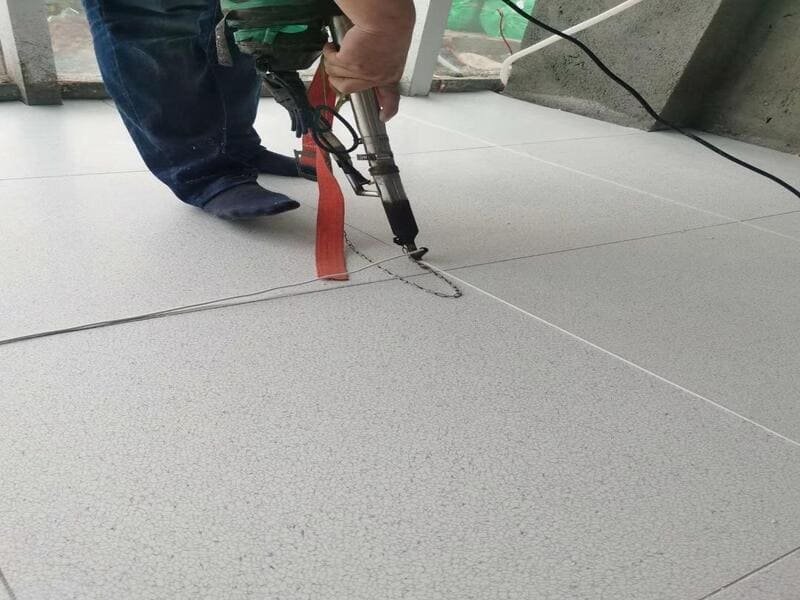
Diese Unterschiede auf Werksebene sind nur ein Teil des Ganzen. Sobald der Bodenbelag verlegt ist, beginnt die Umgebung eine eigene Rolle bei der Farbveränderung zu spielen.
Welche Umgebungsfaktoren führen nach der Installation zu Farbabweichungen?
Nach der Verlegung sind UV-Licht, Feuchtigkeit, alkalische Reaktionen durch Beton, Chemikalien in Klebstoffen oder Gummimatten sowie aggressive Reinigungsmittel die Hauptursachen für Farbveränderungen bei Vinylböden.
Sonnenlicht, Feuchtigkeit und Kontakt mit Chemikalien
Durch UV-Strahlung wird das Pigment mit der Zeit abgebaut, sodass Bereiche in der Nähe von Fenstern oder Glastüren schneller ausbleichen als der Rest des Raums. Aus einem Betonunterboden aufsteigende Feuchtigkeit kann alkalische Salze in das Vinyl transportieren und so zu einer langsamen Farbveränderung oder einem weißen Schleier führen. Matten mit Gummirücken und manche Klebstoffe enthalten Weichmacher oder Antioxidantien, die in die Vinyloberfläche wandern und gelbe oder dunkle Flecken hinterlassen – ein Problem, das wir in der Branche als „Weichmacherwanderung“ bezeichnen. Starke oder ungeeignete Reinigungsmittel können ebenfalls Pigmente ablösen oder Rückstände hinterlassen, die das Erscheinungsbild der Oberfläche verändern.
| Umweltthema | Typisches Ergebnis |
|---|---|
| UV-Belastung | Verblassen in Fensternähe |
| Feuchtigkeit/alkalische Reaktion | Abschleifen oder Mattieren |
| Gummimatte/Klebefläche | Gelber oder dunkler Fleck |
| Aggressive Reinigungsmittel | Stumpfe oder ausgebleichte Stellen |
Diese Ursachen zu kennen, ist zwar hilfreich, aber die eigentliche Kunst besteht darin, auf den jeweiligen Bereich zu zeigen und genau zu sagen, um welche Ursache es sich handelt. Schauen wir uns eine einfache Methode zur Diagnose an.
Wie lassen sich Farbprobleme bei Vinylböden diagnostizieren?
Die meisten Farbprobleme bei Vinylböden lassen sich diagnostizieren, indem man prüft, wo die Veränderung auftritt. Eine neue Verpackung, die anders aussieht, deutet auf ein Chargenproblem hin. Verblassen in Fensternähe deutet auf UV-Einwirkung hin. Flecken unter Matten deuten auf eine chemische Reaktion hin. Farbverlust an den Rändern deutet auf Feuchtigkeit hin.
Einfache standortbasierte Überprüfung
Ich rate meinen Kunden immer, sich zuerst die Stelle anzusehen, an der sich die Farbe verändert hat, bevor sie irgendetwas anderes überprüfen. Dieser eine Schritt erspart einem das meiste Rätselraten.
| Ort der Farbveränderung | Wahrscheinliche Ursache |
|---|---|
| Neue Verpackung vs. alte Verpackung | Chargenunterschied |
| In der Nähe eines Fensters oder einer Glastür | UV-Ausbleichen |
| Unter Teppichen oder Gummimatten | Reaktion zwischen Chemikalien und Weichmachern |
| Kanten und Nähte | Feuchtigkeit aus dem Unterboden |
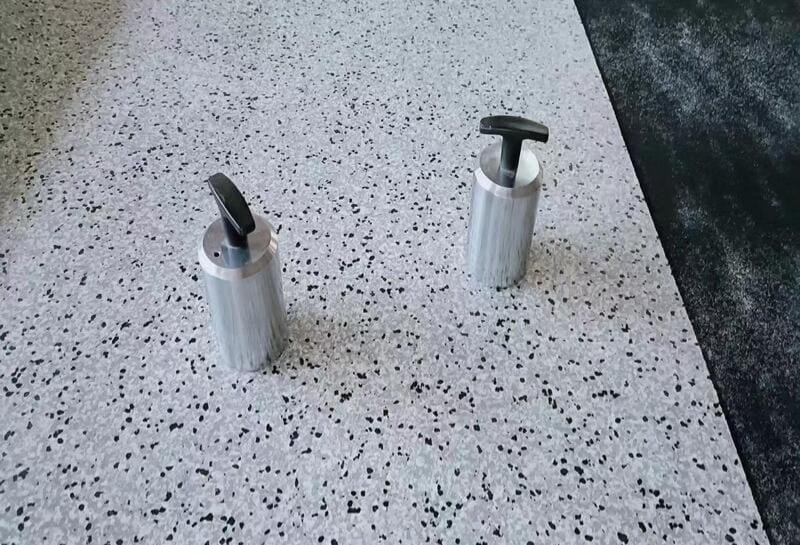
Sobald Sie die eigentliche Ursache kennen, sind Sie viel besser in der Lage, eine Wiederholung zu verhindern oder das Problem bei Ihrem nächsten Projekt ganz zu vermeiden.
Wie lassen sich Farbabweichungen bei Vinylböden vermeiden?
Sie können Farbabweichungen bei Vinylböden verringern, indem Sie vor der Verlegung die Chargennummern überprüfen, Kartons aus verschiedenen Lieferungen mischen, direkte Sonneneinstrahlung vermeiden und Reinigungsmittel sowie Matten verwenden, die für Vinyl geeignet sind.
Praktische Schritte für Produktteams
Was die Verlegung und das Projekt angeht, empfehle ich einige Vorgehensweisen, die einen echten Unterschied machen. Erstens: Notieren und überprüfen Sie stets die Chargennummern, damit die Verleger vorausschauend planen können. Zweitens: Verlegen Sie Dielen oder Fliesen aus verschiedenen Kartons über den gesamten Raum verteilt, anstatt einen Karton nach dem anderen zu verlegen – so werden kleine Farbunterschiede besser verteilt. Drittens sollten Sie in Räumen mit starker Sonneneinstrahlung Vorhänge, Folien oder UV-beständige Beschichtungen verwenden. Viertens sollten Sie ausschließlich Klebstoffe, Unterlagsmatten und Reinigungsmittel verwenden, die als vinylverträglich gekennzeichnet sind, da sich so die meisten Probleme mit chemischen Verfärbungen vermeiden lassen.
| Prävention Schritt | Warum es hilft |
|---|---|
| Chargennummern überprüfen | Verhindert, dass der Farbton in einem Bereich nicht passt |
| Kartons bei der Installation mischen | Verteilt kleine Farbverschiebungen |
| Sonnenlicht regulieren | Verlangsamt das Ausbleichen durch UV-Strahlung |
| Verwenden Sie geeignete Matten/Reinigungsmittel | Verhindert chemische Verfärbungen |
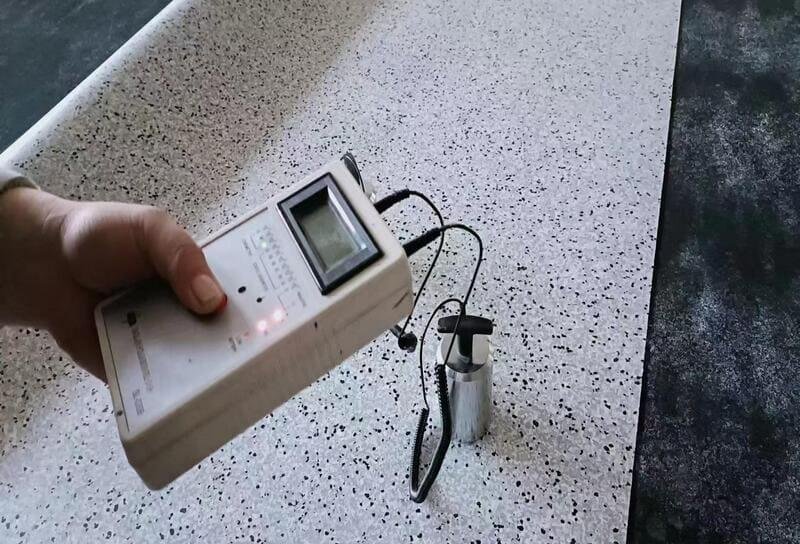
Wenn diese Maßnahmen umgesetzt sind, geht die Zahl der Beschwerden bezüglich der Farbwiedergabe meist deutlich zurück. Dennoch tauchen einige Fragen immer wieder auf, daher wollen wir sie gleich klären.
FAQs
Sind Farbabweichungen ein Mangel?
In der Regel nicht. Geringe Farbabweichungen zwischen den einzelnen Chargen sind bei der Herstellung von Vinylböden normal und gelten nach den meisten Toleranzstandards der Branche nicht als Herstellungsfehler.
Lassen sich vergilbte Vinylböden wiederherstellen?
Eine leichte Vergilbung durch UV-Strahlung oder die Migration von Weichmachern lässt sich manchmal durch eine gründliche Reinigung und die Entfernung der Ursache, wie beispielsweise einer Gummimatte, verringern; ein tiefgreifender Pigmentabbau durch langfristige Sonneneinstrahlung ist jedoch in der Regel dauerhaft.
Wie kann ich einen Garantieanspruch geltend machen?
Machen Sie deutliche Fotos, auf denen die Chargennummer, der betroffene Bereich und der umliegende Raum zu sehen sind, und wenden Sie sich dann mit dem Kaufdatum und den Installationsdetails an Ihren Lieferanten, damit dieser die Angaben mit den Chargenunterlagen abgleichen kann.
Schlussfolgerung
Farbabweichungen bei Vinylböden sind meist auf normale Chargenschwankungen oder Umwelteinflüsse zurückzuführen und stellen keinen Mangel dar; sie lassen sich durch einfache Überprüfungen beheben.
Meine Rolle
Ich arbeite als Produktionsleiter in der Herstellung von Vinylbodenbelägen und bin für alle Schritte zuständig – von der Mischung der Rohstoffe bis hin zu den abschließenden Qualitätskontrollen bei Sonderanfertigungen und Großaufträgen. Im Laufe der Jahre habe ich Produktteams aus verschiedenen Branchen bei der Materialauswahl, der Chargenkontrolle und der technischen Beratung in der Entwurfsphase unterstützt und ihnen so geholfen, Farb- und Leistungsprobleme zu vermeiden, noch bevor die Produktion überhaupt beginnt.
Haben Sie bei Ihrem Vinylbodenprojekt Probleme mit Farbabweichungen oder benötigen Sie Hilfe bei der Auswahl der richtigen Charge und der richtigen Materialspezifikation für Ihre nächste Bestellung? Schick mir eine Nachricht und ich werde dir dabei helfen, der Sache auf den Grund zu gehen.