


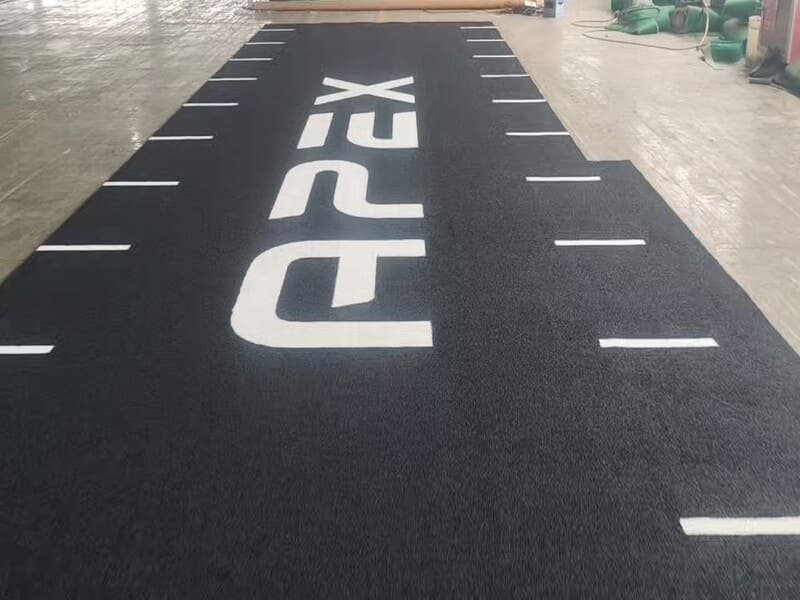
Um den Turnhallenrasen für seitliche Beweglichkeitsübungen sicherer zu machen, müssen Sie ein Gleichgewicht zwischen Oberflächentraktion und Aufpralldämpfung herstellen. Durch die Wahl von kürzerem, hochdichtem, nicht verfülltem Rasen in Kombination mit einem hochwertigen Stoßdämpfer verringern Sie die Rotationsscherkräfte, die bei Schnittbewegungen häufig zu Knöchel- und Kniebänderverletzungen führen.
Seitliche Beweglichkeitsübungen unterscheiden sich von linearen Sprints, da sie ein hohes Drehmoment erzeugen. Wenn ein Sportler seinen Fuß aufstellt, um die Richtung zu ändern, muss die Oberfläche genügend Grip bieten, um ein Ausrutschen zu verhindern, aber nicht so viel, dass der Schuh in der Grasnarbe einrastet. Dieses "Einrasten" führt dazu, dass der Fuß stehen bleibt, während sich der Körper weiterbewegt, was massive Scherkräfte auf das Knie ausübt. Als Ingenieur sehe ich, dass viele Anlagen Langflor-Rasen für Sportarten wie Fußball verwenden. Das ist ein Fehler für Indoor-Agility. Für den Einsatz im Fitnessstudio konzentrieren wir uns auf kürzere Fasern, die den Fuß näher an der stabilen Basis halten. Dadurch wird die Hebelwirkung auf den Knöchel minimiert. Die richtige Konstruktion der Rasenunterlage und die Einbindung eines hochdichten Schaumstoffpolsters sind der Schlüssel zum effektiven Umgang mit diesen Kräften.
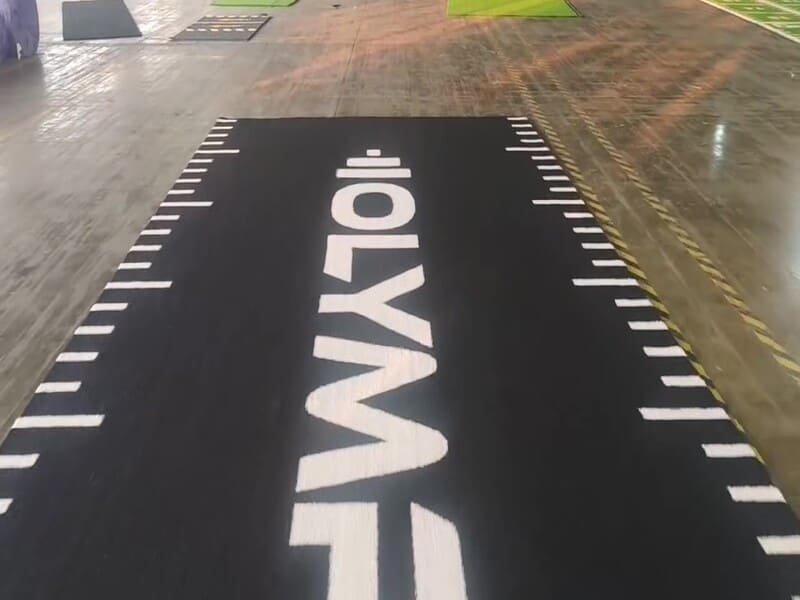
Ich verbringe meine Tage damit, zu testen, wie verschiedene Materialien mit diesen Kräften umgehen. Eine sicherere Umwelt beginnt mit der richtigen Spezifikation, die Sie unten sehen können:
Was sind die wichtigsten Rasenspezifikationen für die Beweglichkeitssicherheit?
Um die Sicherheit zu optimieren, wählen Sie einen kurzen, hochverdichteten, nicht verfüllten Rasen mit einer hohen Büschelbindungsstärke. So bleibt die Oberfläche auch bei schnellen Richtungswechseln flach und stabil und sorgt für eine gleichmäßige "Freigabe", die Verletzungen beim Aufsetzen des Fußes und übermäßige Gelenkbelastungen verhindert.
| Spezifikation | Warum es für die Agilität wichtig ist | Technische Auswirkungen |
|---|---|---|
| Faser Höhe | Niedrig (15mm - 25mm) | Reduziert die Hebelwirkung auf die Knöchel. |
| Büschelbindung | Hoch (> 8 lbs) | Verhindert das Reißen bei Scherung. |
| Faser-Typ | Texturiert (gekräuselt) | Sorgt für Halt, ohne zu "klemmen". |
| Infill | Keine (Nicht-Infill) | Eliminiert das Verschieben/Rutschen der Oberfläche. |
Texturierte Fasern sind unerlässlich. Wir verwenden ein Kräuselverfahren während der Herstellung, um dem Garn ein "Gedächtnis" zu verleihen, so dass es auch bei starkem Fußverkehr aufrecht bleibt. Dies sorgt für die nötige Reibung beim Starten und Stoppen, ohne den harten Griff einer geraden Faser. Rasen ohne Einstreuung ist hier der goldene Standard, denn Sand oder Gummigranulat können sich unter den Füßen verschieben und Unebenheiten verursachen, die das Risiko eines verstauchten Knöchels erhöhen. Durch das Entfernen der Füllung schaffen wir eine vorhersehbare, einheitliche Oberfläche. Meine Erfahrung in der Herstellung zeigt, dass eine hochdichte Tuftingstruktur der einzige Weg ist, um sicherzustellen, dass sich der Rasen nicht verknotet", wenn ein Sportler seitlich abdrückt.
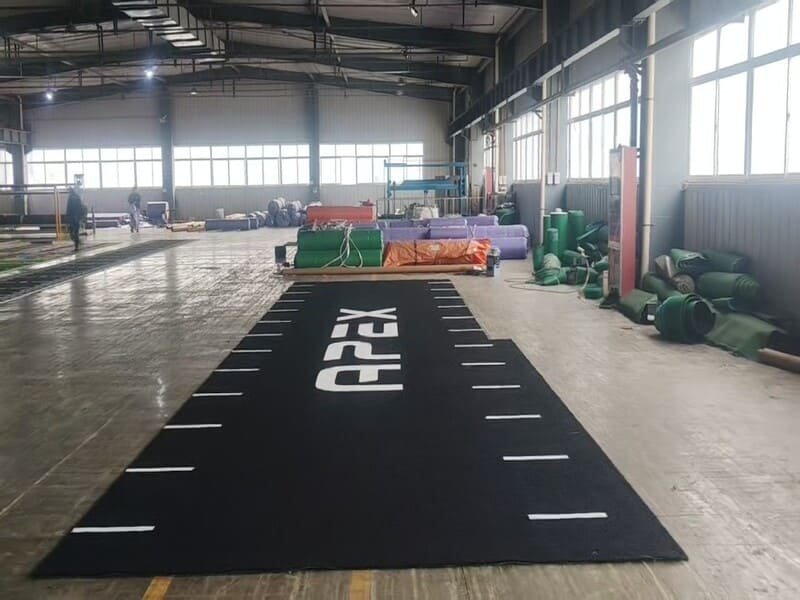
Der Aufbau des Unterbodens ist genauso wichtig wie der Rasen selbst. Sehen wir uns also an, wie die Unterlage als verstecktes Sicherheitsnetz für Ihre Sportler wirkt.
Warum ist die Unterspannbahn das unsichtbare Sicherheitsnetz für Fugen?
Ein hochdichter Stoßdämpfer reduziert die "G-Kräfte", die beim schnellen Abbremsen auftreten. Durch die Absorption der Energie schützt es die Gelenke vor dem harten Untergrund und sorgt dafür, dass jede Landung bei einer seitlichen Übung abgefedert und stabil ist, was vorzeitige Ermüdung und Verletzungen verhindert.
| Komponente | Funktion | Nutzen für den Athleten |
|---|---|---|
| Stoßdämpfer | Kraftreduzierung | Weniger Belastung für Knie/Hüfte. |
| Rückendeckung | Dimensionsstabilität | Keine Oberflächenfalten/-stöße. |
| Unterboden | Nivellierung | Beseitigt "tote Punkte". |
Wir verwenden Schaumstoffpolster mit hoher Dichte, um die Energierückgabe bei jedem Schritt zu steuern. Wenn Sie den Rasen direkt auf Beton verlegen, müssen die Gelenke Ihrer Sportler den gesamten Aufprall bei einem schnellen Stopp absorbieren. Mit der Zeit führt dies zu Verletzungen durch wiederholte Belastungen. Ein geeignetes Stoßdämpfungssystem wirkt wie ein sekundäres mechanisches System, das den Aufprall dämpft, bevor er den Knochen erreicht. Wenn ich bei der Gestaltung von Anlagen berate, betone ich immer, dass das Polster eine gleichmäßige Dichte über den gesamten Bereich aufweisen muss. Jede Abweichung im Polster führt zu "weichen" oder "harten" Stellen, also genau zu den Stellen, an denen die Sportler bei Hochgeschwindigkeitsübungen stolpern. Das Ziel ist eine einheitliche Oberfläche, die sich fest genug anfühlt, um Kraft zu erzeugen, aber weich genug, um den Körper zu schonen.
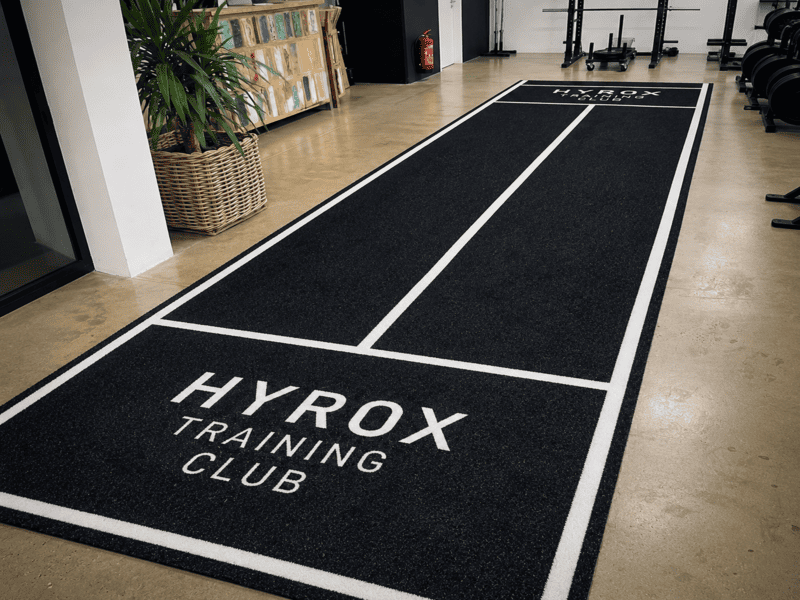
Von Ihrer Wartungsroutine hängt es ab, wie gut diese Sicherheitsmerkmale auf lange Sicht funktionieren, daher sollten wir uns ansehen, wie Sie Ihre Investition schützen können.
Wie sorgen Instandhaltungsstrategien für dauerhafte Sicherheit?
Eine konsequente Pflege, einschließlich regelmäßigem Bürsten und Reinigen der Oberfläche, bewahrt den Traktionskoeffizienten. Indem Sie Staub und chemische Ablagerungen entfernen, sorgen Sie dafür, dass die Rasenfasern wie vorgesehen funktionieren, und verhindern, dass die Oberfläche mit der Zeit zu rutschig oder gefährlich griffig wird.
| Wartung Aufgabe | Frequenz | Auswirkungen auf die Sicherheit |
|---|---|---|
| Cross-Brushing | Wöchentlich | Hält die Fasern aufrecht. |
| Tiefenreinigung | Monatlich | Entfernt glitschigen Schweiß/Staub. |
| Reibungsprüfung | Vierteljährlich | Sorgt für gleichmäßigen Halt. |
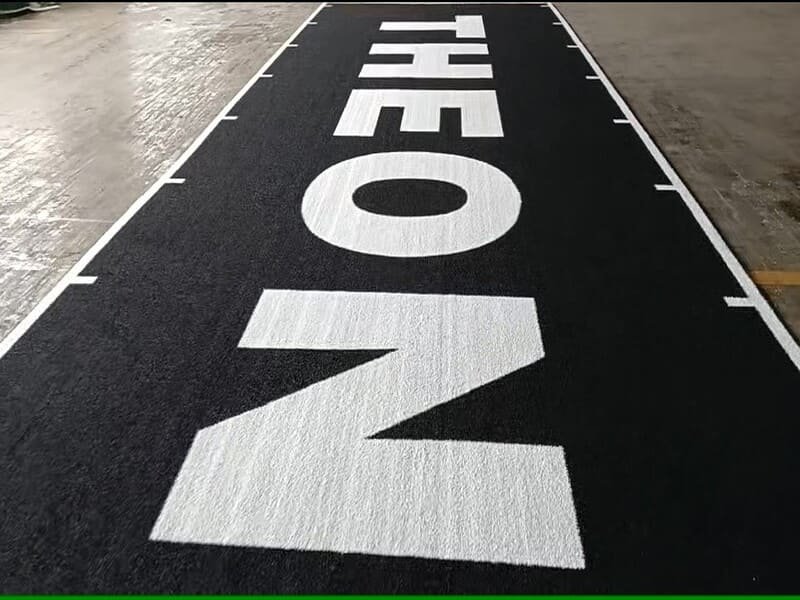
Die Pflege ist oft der am meisten übersehene Teil der Sicherheit im Fitnessstudio. Wenn sich Schmutz, Schweiß oder sogar Reinigungsmittel auf dem Rasen ablagern, verändern sie die Art und Weise, wie ein Schuh mit den Fasern interagiert. Wenn die Oberfläche "gummiartig" wird, wird der Griff zu aggressiv, was gefährlich ist. Wenn sie staubig wird, wird sie glitschig. Ich rate meinen Kunden, eine einfache, strukturierte Bürste zu verwenden, damit die Fasern nicht verfilzen. Wenn die Fasern verfilzen, verliert die Oberfläche ihre beabsichtigte Struktur, und der Sportler verliert den Halt. Sie sollten auch auf die von Ihnen verwendeten Reinigungsmittel achten; einige Chemikalien hinterlassen Rückstände, die wie ein Schmiermittel wirken. Testen Sie immer zuerst einen kleinen Bereich, um sicherzustellen, dass die Oberfläche für Ihre Sportler berechenbar bleibt.
Eine sorgfältige Planung der Einrichtung und regelmäßige Kontrollen helfen Ihnen, einen hohen Sicherheitsstandard aufrechtzuerhalten. Sehen wir uns also an, wie die Umgebung den Athleten schützt.
Wie verhindert die strategische Gestaltung von Anlagen Kollisionsrisiken?
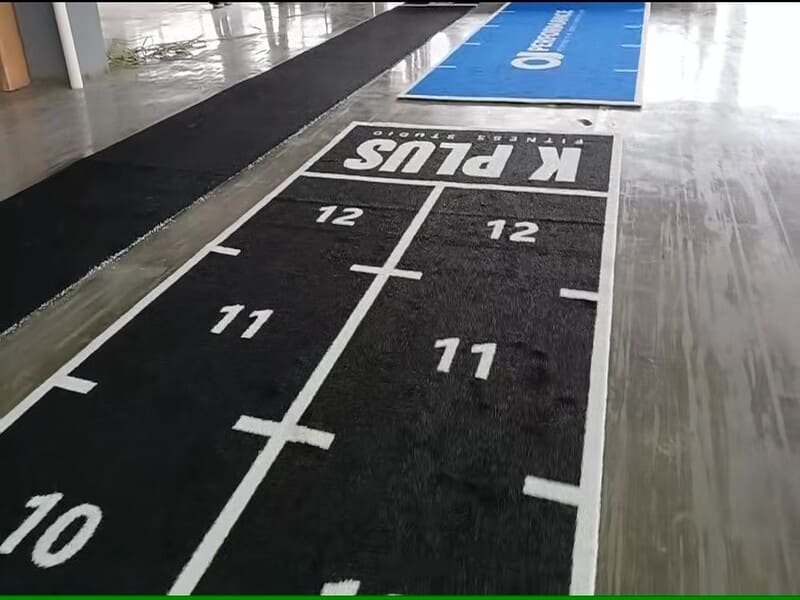
Ein strategischer Aufbau, einschließlich Sicherheitsschürzen und farblich gekennzeichneter Bewegungszonen, verhindert gefährliche Überschreitungen. Indem Sie die Grenzen klar markieren und eine Übergangszone einrichten, schützen Sie die Sportler davor, den Rasen zu verlassen und auf hartem Beton zu landen, was eine der Hauptursachen für Verletzungen durch plötzliche Stöße ist.
| Layout-Funktion | Zweck | Sicherheit Ergebnis |
|---|---|---|
| Sicherheitsschürze | Gedämpfter Übergang | Verhindert Betonschlag. |
| Farbkodierung | Visuelle Trennung | Reduziert das Kollisionsrisiko. |
| Freizonen | Pufferraum | Ermöglicht ein sicheres Abbremsen. |
Ich habe viele großartige Rasenanlagen gesehen, die durch eine schlechte Gestaltung ruiniert wurden. Wenn Ihr Rasen abrupt an einer harten Wand oder einem Betonboden endet, haben Sie eine Falle geschaffen. Athleten, die seitliche Sprünge ausführen, sind oft schneller, als sie beabsichtigen. Wenn sie das Gleichgewicht verlieren und über die Kante treten, ist der Übergang von einer gepolsterten Oberfläche zu hartem Beton ein Rezept für einen gebrochenen Knöchel. Wir empfehlen immer, eine "Sicherheitsschürze" oder eine Pufferzone um den Rasen herum einzurichten. Verwenden Sie verschiedene Farben, um die Bahnen abzugrenzen, da dies den Athleten hilft, geistig zu verfolgen, wo sie sich befinden, ohne nach unten zu schauen. Dieser Entwurfsschritt ist eine einfache Möglichkeit, Erkenntnisse aus der Fertigung zu nutzen, um eine reale Herausforderung für das Benutzerdesign zu lösen.
Schlussfolgerung
Die Sicherheit von Kunstrasen ergibt sich aus der Ausgewogenheit der Materialeigenschaften, der richtigen Polsterung und der regelmäßigen Pflege. Investieren Sie in Qualität, um die langfristige Gesundheit der Gelenke und die Leistung Ihrer Sportler zu schützen.
Benötigen Sie fachkundige Beratung bei der Optimierung des Layouts Ihres Sportplatzes oder bei der Auswahl des richtigen Materials für Ihre Anlage? Schicken Sie mir eine private Nachricht, und lassen Sie uns besprechen, wie wir eine sicherere Trainingsumgebung für Ihre Sportler schaffen können.