


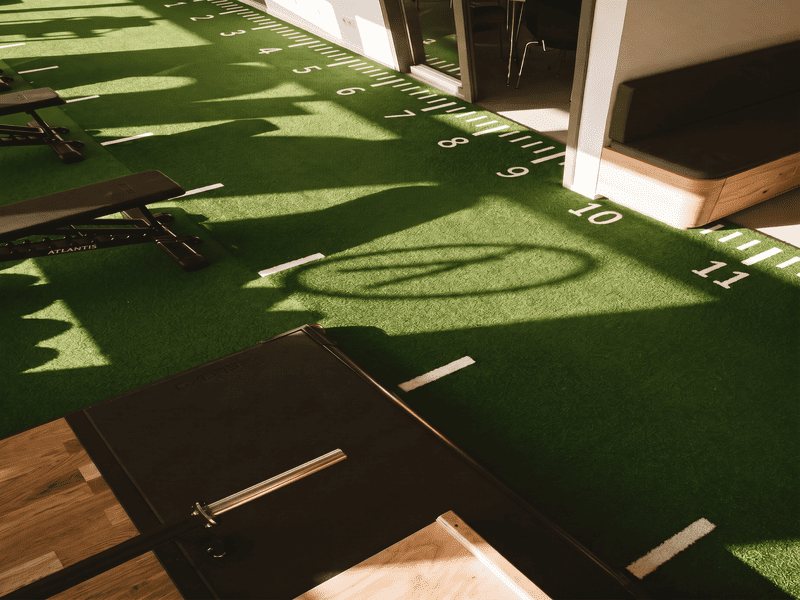
Wenn die Haut schnell an den synthetischen Fasern reibt, kann es zu Reibungsverbrennungen kommen. Durch die Wahl von Polyethylen-Materialien und das Tragen von Schutzkleidung lässt sich dieses Risiko jedoch wirksam vermeiden. Diese Schürfwunden entstehen bei schnellen Bewegungen wie Schlittenfahren oder Sprints, bei denen die Reibung genug Hitze erzeugt, um die Hautoberfläche zu beschädigen.
Reibungsverbrennungen sind nicht nur ein kleines Ärgernis, sondern ein Sicherheitsrisiko, das auf die Wechselwirkung zwischen Haut und synthetischen Polymeren zurückzuführen ist. Wenn ein Sportler ausrutscht oder fällt, wandelt sich die Bewegungsenergie in Wärmeenergie um. Wenn der Rasen aus minderwertigen, steifen Fasern besteht, staut sich diese Wärme sofort und schert die oberste Hautschicht ein. Aus diesem Grund ist das Verständnis der technischen Spezifikationen Ihres Fitnessstudio-Bodenbelags der erste Schritt zum Schutz Ihrer Mitglieder. Ich habe Hunderte von Chargen getestet, bei denen der Unterschied von nur wenigen Mikrometern in der Faserdicke die "Abbrandrate" bei Falltests erheblich veränderte.
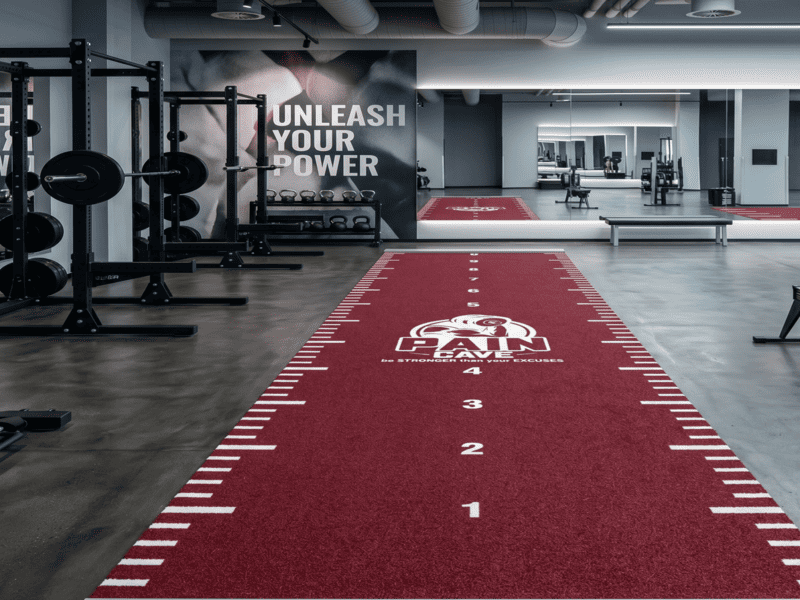
Wir müssen uns mit den spezifischen Materialien und Trainingsgewohnheiten befassen, um diese Verletzungen in Ihrer Einrichtung zu verhindern.
Warum führt die Wissenschaft der synthetischen Fasern zu Hautabschürfungen?
Die Hauptursache ist der Reibungskoeffizient zwischen menschlicher Haut und synthetischen Harzen wie Nylon oder Polypropylen, der bei Kontakt schnell Hitze erzeugt.
| Faser-Typ | Reibungskoeffizient | Schmelzpunkt | Auswirkungen auf die Haut |
|---|---|---|---|
| Polyethylen (PE) | Niedrig | ~120°C | Weich, wenig brennbar |
| Polypropylen (PP) | Mittel | ~160°C | Abrasiv, mittleres Risiko |
| Nylon | Hoch | ~220°C | Sehr steif, hohes Verbrennungsrisiko |
In der Fabrik messen wir die Steifigkeit der Faser mit einer Maßeinheit namens Denier. Wenn eine Faser zu steif ist, biegt sie sich nicht, wenn die Haut auf sie trifft, sondern schabt. Die meisten Reibungsverbrennungen entstehen, weil die Faser zu steif ist oder die Form der Faser - wie ein "Diamant" oder ein "C-förmiger" Querschnitt - scharfe Kanten aufweist, die eher auf Widerstandsfähigkeit als auf Hautkomfort ausgelegt sind. Auch die Füllung spielt eine Rolle. Unterschiedliche Raseneinstreumaterialien beeinflussen die Reibung und den Verschleiß der Oberflächeund Sandfüllungen können sich bei schnellen Bewegungen auf der Haut scheuernd anfühlen. Wir haben festgestellt, dass Rasen ohne Einstreuung mit einer hochdichten Strohschicht viel sicherer für die funktionelle Fitness ist, weil er ein "Kissen" bietet, das die Energie einer Rutschpartie absorbiert.
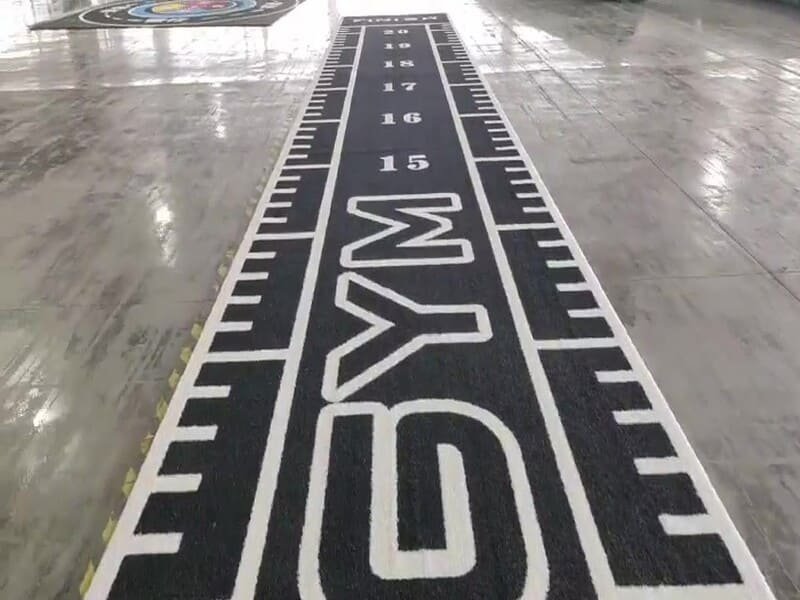
Auch die von Ihnen verwendeten Geräte und die Umgebung Ihres Fitnessstudios können das Verhalten des Rasens beeinflussen.
Was sind die häufigsten Szenarien für Rasenverbrennungen in der Turnhalle?
Reibungsverbrennungen treten vor allem bei Schlittenfahrten, Burpees und Beweglichkeitsübungen auf, bei denen Knie, Schienbeine oder Ellbogen direkt und mit hoher Geschwindigkeit mit dem Boden in Berührung kommen.
Spezifische Hochrisikobewegungen
- Schlittentraining: Beim Schieben eines schweren Schlittens gehen die Sportler oft tief in die Knie. Wenn ein Knie während der Bewegung die Grasnarbe berührt, erhöht die schwere Last den Druck und die Verbrennungstiefe.
- Bodengebundenes HIIT: Bei Übungen wie Bergsteigen oder Planken kommt es zu wiederholtem Reiben. Selbst kleine Bewegungen können über einen längeren Zeitraum hinweg "Mikroabschürfungen" verursachen.
- Agilität und Sprints: Plötzliche Stopps oder Stürze bei Pendelfahrten erzeugen die größte Hitze.
Ich habe einmal in einem Fitnessstudio gearbeitet, das bei schweren Trainingseinheiten eine hohe Verletzungsrate aufwies. Wir stellten fest, dass die Luftfeuchtigkeit in der Sporthalle zu hoch war. Hohe Luftfeuchtigkeit macht die Haut "klebriger", was die Griffigkeit und Reibung auf dem Rasen erhöht. Indem wir einfach die Luftzirkulation verbesserten und den Sportlern beibrachten, ihre Schienbeine vom Rasen fernzuhalten, konnten wir die Zahl der Verletzungen um die Hälfte reduzieren.
Dies veranlasst uns, die Auswahl des richtigen Rasens für die richtige Anwendung zu überdenken.
Wie können Käufer einen "hautfreundlichen" Turnhallenrasen für ihre Einrichtung auswählen?
Käufer sollten Rasen aus hochdichtem Polyethylen (PE) mit einer integrierten Strohschicht und einer vulkanisierten Gummiauflage bevorzugen, um maximale Weichheit und Stoßdämpfung zu gewährleisten.
Technische Spezifikationen für die Sicherheit
| Merkmal | Optimale Wahl | Warum es wichtig ist |
|---|---|---|
| Material | 100% Polyethylen | PE ist von Natur aus weicher und hat einen geringeren Reibungswiderstand als Nylon. |
| Höhe des Stapels | 12mm bis 15mm | Kurz genug für die Stabilität, lang genug für die Flexibilität der Fasern. |
| Strohschicht | Texturiertes Nylon/PP | Wirkt wie eine Sekundärfeder, die verhindert, dass die Faser flach liegt. |
| Rückendeckung | Mehrschichtiges Polyurethan | Verhindert das Verrutschen des Rasens und sorgt für eine bessere Stoßdämpfung. |
Aus technischer Sicht muss ein "hautfreundlicher" Kunstrasen einen speziellen Abriebtest bestehen. Wir achten auf eine hohe "Maschenzahl". Wenn die Fasern dicht beieinander liegen, bleibt die Haut oben auf den Fasern, anstatt zwischen ihnen zu versinken, wo die raueren Basismaterialien zu finden sind. Ich sage meinen Kunden immer, dass sie die Grasnarbe mit dem inneren Unterarm fühlen sollen, nicht mit der Hand. Ihre Handfläche ist hart, aber Ihr Unterarm ist eher wie die Haut an Ihren Schienbeinen oder Knien. Wenn sich der Belag dort kratzig anfühlt, werden sich die Sportler daran verbrennen.
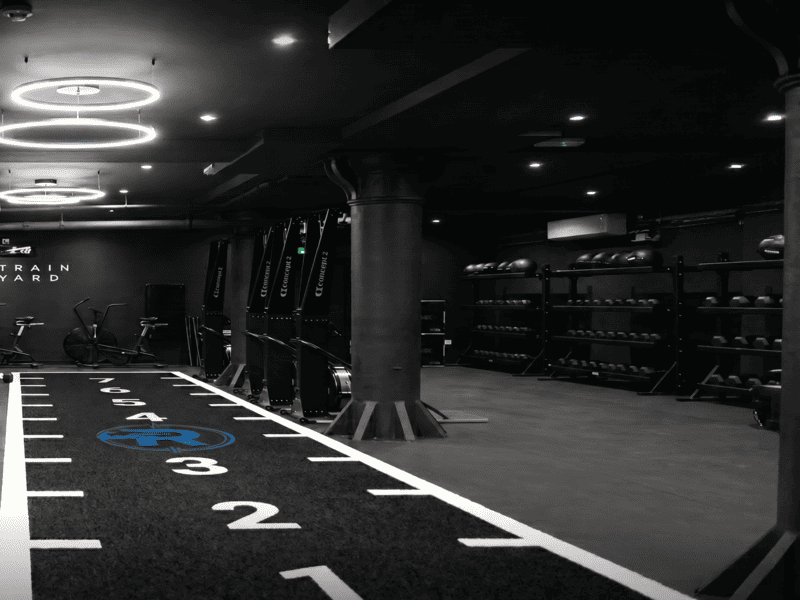
Sobald Sie das richtige Terrain gefunden haben, brauchen Sie eine Strategie, um die täglichen Risiken zu bewältigen.
Welche bewährten Strategien gibt es, um das Risiko von Reibungsverbrennungen zu verringern?
Nach bewährten Strategien für Verringerung von Reibungsverbrennungen auf Turnhallenrasen-wie z. B. Kompressionskleidung, Cremes gegen Scheuerstellen und die richtige Pflege des Rasens - können das Verletzungsrisiko erheblich senken.
A. Schutzausrüstung und Kleidung
Tragen Sie lange Leggings oder Kompressionsärmel. Diese wirken wie ein "Schutzschild". Wenn es zu Reibung kommt, nimmt der Stoff die Hitze auf und nicht Ihre Haut. Ich empfehle für diese Kleidung hochdichte Polyestermischungen, da sie auf Kunstrasen gut gleiten. Spezielle Rasensocken mit gepolsterten Knöcheln helfen auch bei seitlichen Bewegungen.
B. Ausbildung und Wartung
Überprüfen Sie Ihre Schlitten auf Grate oder scharfe Metallkanten. Eine scharfe Kante an einem Schlitten kann die Rasenfasern zerreißen, so dass sie zerklüftet werden und mehr Abrieb verursachen. Halten Sie außerdem den Rasen sauber. Staub und Schmutz wirken wie Streugut. Eine gesaugte und leicht gebürstete Rasenfläche bleibt glatter und sicherer. Nach meiner Erfahrung ist ein gut gepflegter 3 Jahre alter Rasen oft sicherer als ein schmutziger 1 Jahr alter Rasen.
Wenn sich ein Mitglied eine Verbrennung zuzieht, müssen Sie wissen, wie man sie sofort behandelt, um Komplikationen zu vermeiden.
Wie sollten Sie bei einer Rasenverbrennung sofortige Erste Hilfe leisten?
Reinigen Sie die Wunde sofort mit milder Seife und Wasser, tragen Sie eine antibiotische Salbe auf und verwenden Sie einen Hydrogel-Verband, um die Stelle feucht zu halten, damit sie schneller heilt.
Schritt-für-Schritt-Protokoll zur Wiederherstellung
- Bewässerung: Spülen Sie den Bereich aus, um winzige Kunststofffasern und Schmutz zu entfernen. Dies ist wichtig, um Infektionen zu vermeiden.
- Kühlung: Verwenden Sie eine kalte Kompresse, um die Hauttemperatur zu senken und die Verbrennung des Gewebes zu stoppen.
- Feuchtes Heilen: Lassen Sie niemals zu, dass ein Brandfleck "auslüftet" und sich ein harter Schorf bildet. Ein harter Schorf reißt und blutet, wenn Sie sich bewegen. Verwenden Sie ein Hydrogel oder ein spezielles Brandwundenpflaster, um die Stelle flexibel zu halten.
In unseren Testlabors haben wir festgestellt, dass Wunden, die mit feuchtigkeitsundurchlässigen Verbänden behandelt wurden, 40% schneller heilen als solche, die offen liegen. Für Sportler bedeutet dies, dass sie innerhalb von Tagen statt Wochen wieder ins Fitnessstudio gehen können. Halten Sie in Ihrer Erste-Hilfe-Station immer ein spezielles Set mit nicht klebenden Pads bereit, da normale Gaze an der Wunde kleben bleibt und beim Entfernen Schmerzen verursacht.
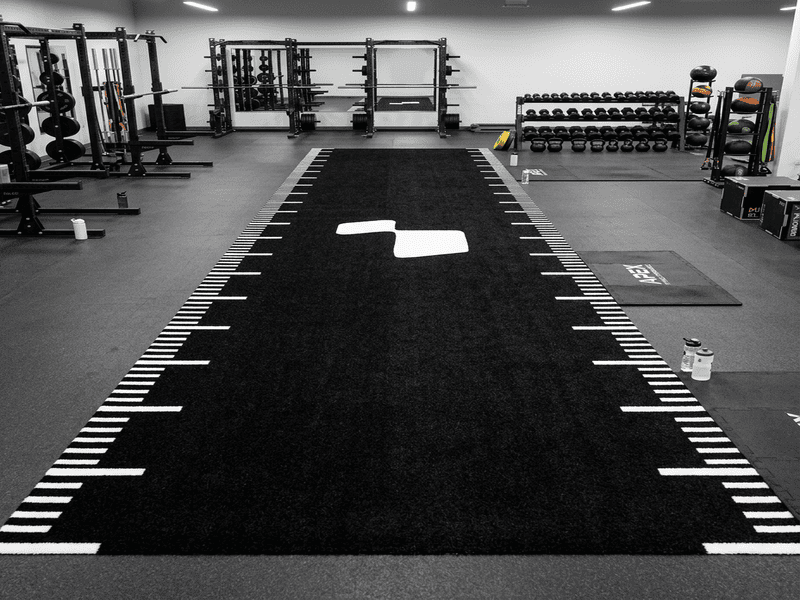
Dieses Wissen hilft uns, die häufigsten Fragen von Fitnessstudiobesitzern und Sportlern zu beantworten.
FAQ: Häufige Bedenken zur Sicherheit von Turnhallenrasen
Ist Turnhallenrasen abrasiver als Rasen im Freien? Ja. Naturrasen enthält Feuchtigkeit und bricht unter Druck weg, wodurch Energie absorbiert wird. Kunstrasen ist verankert und besteht aus Kunststoff, der mehr Wärme erzeugt. Hochwertiger PE-Turnrasen ist jedoch so konzipiert, dass er die Weichheit von Naturrasen so gut wie möglich nachahmt.
Wirkt sich die Farbe des Rasens auf die Reibung aus? Die Farbe hat keinen Einfluss auf den Reibungskoeffizienten, wohl aber auf die Wärmeentwicklung. Dunklere Beläge können in sonnigen Bereichen einer Turnhalle mehr Licht absorbieren, wodurch die Fasern etwas weicher werden, sich aber möglicherweise heißer anfühlen.
Kann ich normales Verbandszeug verwenden? Es ist besser, "nicht haftende" Verbände zu verwenden. Ein normaler Verband klebt an der Flüssigkeit, die aus einer Reibungsverbrennung austritt, und ist daher sehr schmerzhaft zu wechseln.
Wie lange dauert es bis zur Heilung? Bei einer leichten Verbrennung dauert es 3 bis 7 Tage. Eine tiefe Abschürfung, bei der die Haut roh ist, kann bis zu zwei Wochen dauern. Die oben erwähnte feuchte Heilungsmethode ist der beste Weg, um dies zu beschleunigen.
Schlussfolgerung
Reibungsverbrennungen lassen sich durch kluge Materialwahl und geeignete Ausrüstung vermeiden.
Wenn Sie ein Fitnessstudiobetreiber sind, der seine Anlage mit einem hochleistungsfähigen, abriebarmen Rasen ausstatten möchte, oder wenn Sie eine technische Beratung darüber benötigen, welche Faserdichte für Ihre spezifischen Trainingsprogramme geeignet ist, wenden Sie sich bitte direkt an mich, um ein individuelles Angebot oder ein technisches Datenblatt zu erhalten.