


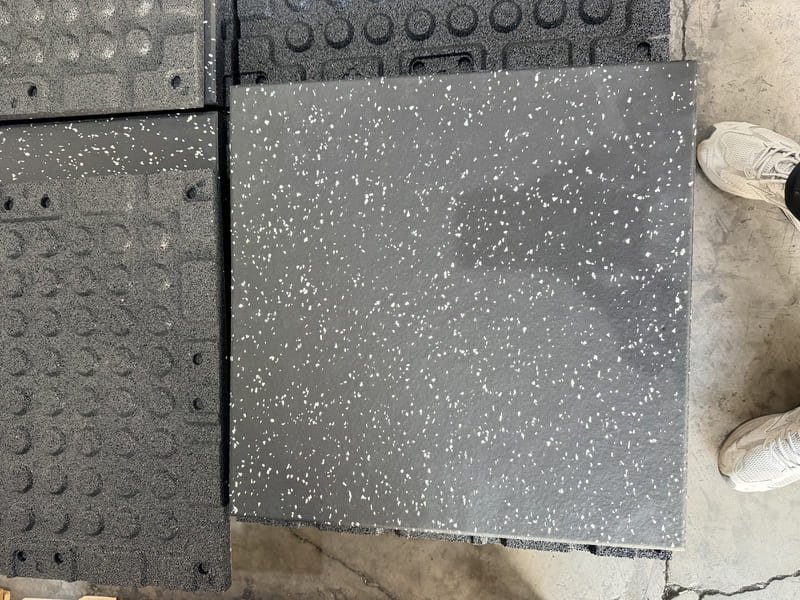
Um Gummiböden zu vergleichen, müssen Sie das Verhältnis von Kraftreduzierung zu vertikaler Verformung bewerten. Ein leistungsstarker Vergleich erfordert die Überprüfung der Materialdichte (Zielwert 1.200+ kg/m³ für die Energierückgabe) und die Überprüfung der ASTM F2772-Testberichte, um ein Gleichgewicht zwischen Fugensicherheit und Oberflächenstabilität herzustellen.
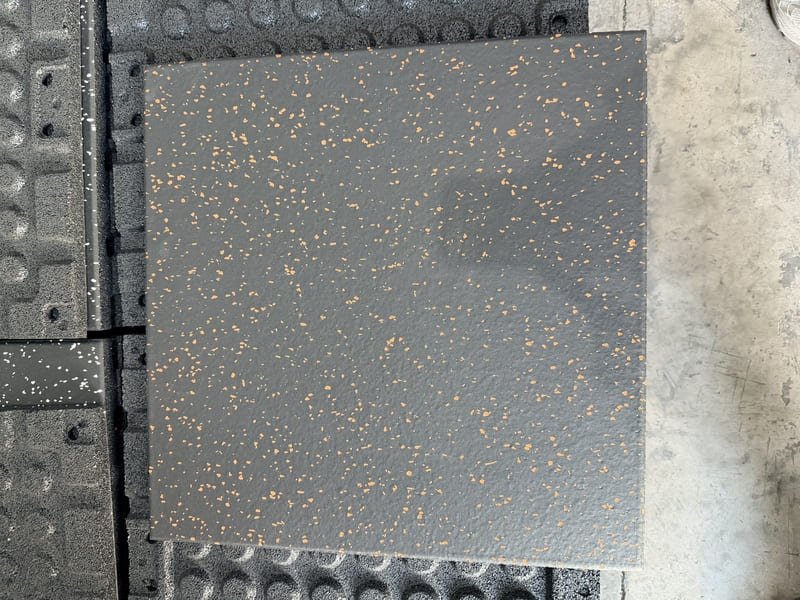
"Weichheit" ist ein trügerischer Maßstab für Gummibodenbeläge. Viele Käufer drücken eine Probe zusammen und gehen davon aus, dass sie bequem ist, weil sie sich leicht zusammendrücken lässt. In Wirklichkeit bedeutet dieses "Quetschen" oft einen hohen Energieverlust. Wenn der Fuß eines Sportlers auf den Boden auftrifft, sollte sich der Gummi wie eine abgestimmte Feder verhalten, nicht wie ein Schwamm. Ein effektiver Vergleich setzt voraus, dass man die Effizienz der Energierückgabe versteht. Vulkanisierter Kautschuk bietet mit seiner vernetzten Molekularstruktur eine bissige" Reaktion, indem er die kinetische Energie an den Benutzer zurückgibt. Im Gegensatz dazu hat herkömmlicher recycelter Krümelgummi interne Lufttaschen, die die Energie in Form von Wärme ableiten - perfekt, um den Aufprall eines fallen gelassenen Gewichts zu dämpfen, aber schlecht für eine Sprintstrecke. Um zwei Produkte effektiv zu vergleichen, sollten Sie nicht nur die Dicke, sondern auch die Shore-A-Härte und das spezifische Herstellungsverfahren für die Verbindung der Polymere berücksichtigen.
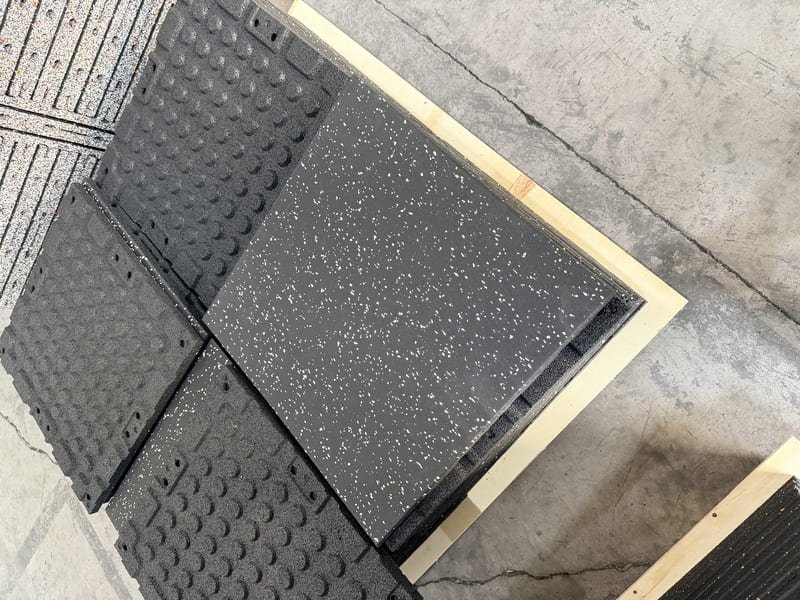
Das folgende Schema liefert die genaue Logik, die erforderlich ist, um vom "Raten" zur Auswahl einer Oberfläche zu gelangen, die die sportliche Biomechanik wirklich unterstützt.
Was ist der schrittweise Rahmen für den Vergleich von Gummiböden?
Der Rahmen für den professionellen Vergleich umfasst fünf Schritte: 1. Überprüfung der Kraftreduzierung (%) für die Stoßdämpfung; 2. Überprüfung der vertikalen Verformung (mm) für die Fußstabilität; 3. Identifizierung der Materialstruktur (vulkanisiert vs. krümelig); 4. Anpassung des Rebounds an die jeweilige Sportart; und 5. Verlangen Sie ASTM F2772-Laborergebnisse von Dritten.
Die technische Logik
Der Vergleich von zwei Stichproben ohne Daten ist ein Glücksspiel. Die erste zu prüfende Kennzahl ist die Kraftreduzierung. Sie gibt Aufschluss darüber, wie viel Aufprall absorbiert wird. Der entscheidende zweite Schritt ist jedoch die vertikale Verformung. Wenn ein Boden 50% des Aufpralls absorbiert, aber 5 mm unter den Füßen einsinkt, ist er für Beweglichkeitsübungen instabil. Ein zu weicher Boden erzeugt einen "Marshmallow-Effekt", der zur Ermüdung der Knöchel führt. Hochwertige Sportböden sind so konstruiert, dass sie die Energie gezielt innerhalb des Verformungsfensters von 0,5 mm bis 2 mm zurückgeben, um bei explosiven Bewegungen maximale Stabilität zu gewährleisten.
Checkliste für den Leistungsvergleich
| Schritt | Zu bewertender Faktor | Ideale Reichweite für hohe Leistung |
|---|---|---|
| 1 | Kraftreduzierung | 10-35% (Allgemein) / 35-50% (Hohe Schlagfestigkeit) |
| 2 | Vertikale Verformung | 0,5mm bis 2,0mm (stabil) / >3,5mm (instabil) |
| 3 | Dichte | 1.200kg/m³+ für Beweglichkeit / <1.000kg/m³ für Gewichte |
| 4 | Einhaltung der Normen | ASTM F2772 Klassen 1 bis 4 |
| 5 | Bauwesen | Vulkanisiert (Schnelle Rückkehr) vs. Krümel (Schock-Kill) |
Wenn ein Anbieter diese spezifischen Zahlenwerte nicht angeben kann, handelt es sich bei dem Produkt wahrscheinlich um eine einfache Industriematte. Die Verwendung dieses datengesteuerten Ansatzes macht das Rätselraten überflüssig und stellt sicher, dass der Boden die Bewegungen des Sportlers unterstützt, anstatt sie zu behindern.
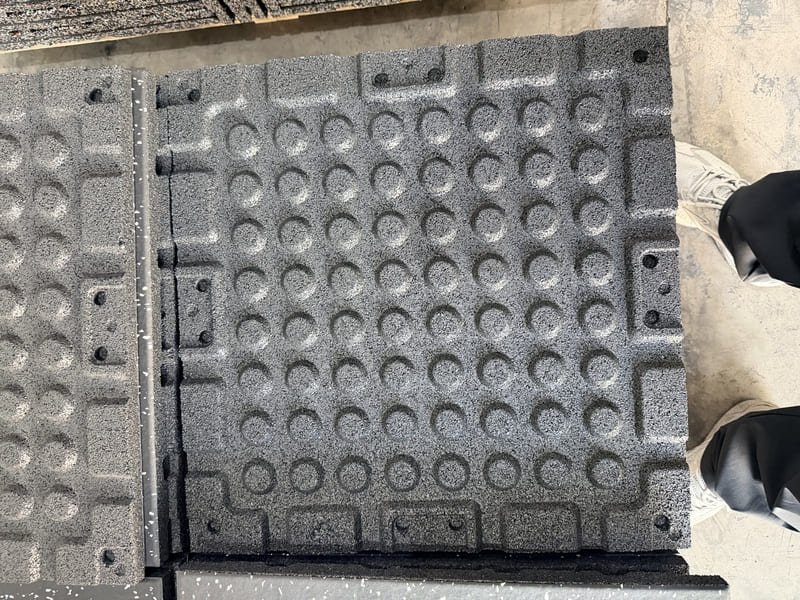
Um das richtige Profil auszuwählen, muss man verstehen, wie sich diese Kennzahlen auf bestimmte reale Schulungsszenarien anwenden lassen.
Wie wählt man zwischen zwei Mustern, die auf realen Bedürfnissen basieren?
Bei der Auswahl zwischen den verschiedenen Mustern geht es darum, das "Energieprofil" auf die jeweilige Aktivität abzustimmen. Hochdichtes vulkanisiertes Gummi ist aufgrund seiner hohen Energierückgabe der Gewinner für Sprint und Agilität, während dickes, poröses Krümelgummi für schweres Heben besser geeignet ist, da es Stöße und Vibrationen "abtötet".
Praktische Auswahllogik
Sie haben die Wahl zwischen einer 10 mm dicken Fliese aus vulkanisiertem Neugummi und einer 15 mm dicken Fliese aus recyceltem Krümelgummi. Die vulkanisierte Fliese fühlt sich "steif" an, hat aber eine Energierückgabe von fast 65%. Der Krümelgummi fühlt sich "dämpfend" an, gibt aber nur 35% der Energie zurück. Für Beweglichkeit und plyometrische Übungen sollten Sie die vulkanisierte Variante wählen. Die hohe Dichte verhindert, dass Energie in Form von Wärme verloren geht. Dies verringert die Muskelermüdung, da der Boden den Fuß wieder nach oben "drückt". Für schweres Kreuzheben wählen Sie die krümelige Gummimischung. Die Luftzwischenräume zwischen den Gummigranulaten wirken wie winzige Stoßdämpfer, die den Betonunterboden bei hohen Aufprallgeschwindigkeiten vor Rissen schützen.
Zusammenfassung des Leistungsziels
| Performance-Ziel | Priorität | Beste Materialwahl |
|---|---|---|
| Explosive Kraft | Maximale Energierückgabe | Hochdichtes vulkanisiertes EPDM |
| Akustik/Schutz | Maximale Schockabsorption | Dickes poröses Krümelgummi |
| Vielseitig einsetzbar | Ausgewogener Rebound | Zweischichtige Systeme (hartes Verdeck/weicher Boden) |
Dicker ist nicht immer besser. Ein 8 mm dicker Boden mit hoher Dichte bietet oft eine bessere Energierückgabe und Haltbarkeit als eine 20 mm dicke, minderwertige Matte, die bei Belastung nachgibt. Beurteilen Sie immer, wie das Material auf die spezifische kinetische Kraft der beabsichtigten Sportart reagiert, und nicht nur seine Dicke.
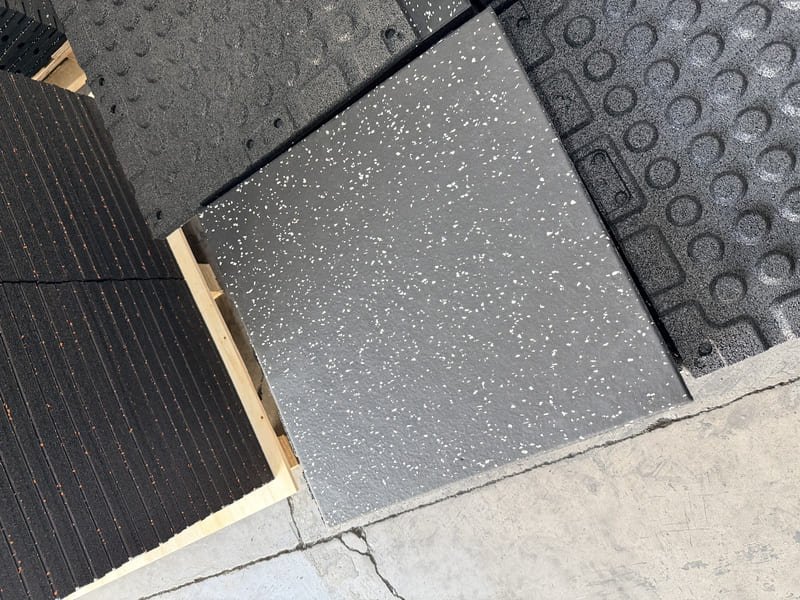
Das Ignorieren der technischen Unterschiede zwischen diesen Materialien führt häufig zu den häufigsten Kauffehlern in der Branche.
Was sind die häufigsten Fehler, die man beim Vergleich von Rebounds vermeiden sollte?
Die häufigsten Fehler sind die Annahme, dass Weichheit gleich Leistung ist, die Verwendung des "Ballabsprungs" zur Beurteilung der Energierückgabe des Sportlers und die Vernachlässigung des Unterbodens. Diese Fehler führen zu Böden, die entweder gefährlich instabil sind oder sich beim Training "tot" und hart anfühlen.
Fallstricke bei der Auswahl vermeiden
Der "Ballsprungtest" ist eine gängige, aber fehlerhafte Vergleichsmethode. Ein Ball reagiert auf die Oberflächenspannung, aber der Fuß eines Sportlers dringt tiefer in das Gummi ein. An dieser Stelle wird die Hysterese (Energieverlust) zum entscheidenden Faktor. Wenn der Belag eine "langsame Rückfederung" aufweist, d. h. nicht sofort zurückfedert, fühlt es sich an, als würde man in Sand laufen. Außerdem hat eine dünne Matte auf Beton eine viel höhere Energierückgabe (und Stöße) als die gleiche Matte auf einem Sperrholzunterboden. Das System ist nur so gut wie sein Untergrund. Bei langfristiger Nutzung im Fitnessstudio hängt die Leistung der Oberfläche auch vom Schutz vor vermeidbaren Schäden ab, wie z. B. Geräteflecken auf Gummiböden.
Checkliste für kritische Fehler
- Die "Weichheits"-Falle: Weiche Böden zwingen die kleinen stabilisierenden Muskeln im Fuß, härter zu arbeiten. Dies führt zu einer schnelleren Ermüdung und einem erhöhten Risiko für Schienbeinschmerz.
- Vernachlässigung der Dichte: Böden mit geringer Dichte verlieren mit der Zeit ihre "Sprungkraft", da die Luftpolster zusammenfallen. Vulkanisierter Kautschuk mit hoher Dichte behält sein Energierückgabeprofil über Jahre hinweg bei, wenn er ordnungsgemäß gewartet und frei von Problemen gehalten wird wie Schweiß-Salz-Ablagerungen auf Gummiböden.
- Ignorieren des Unterbodens: Die Verlegemethode und das Trägermaterial beeinflussen den wahrgenommenen Rückprall eines Gummibelags erheblich.
Das Ziel ist eine Oberfläche, die steif und dennoch elastisch ist. Er sollte die Gelenke schützen, ohne die Kraft des Schritts zu beeinträchtigen. Durch die Vermeidung dieser Fehler wird sichergestellt, dass sich die Investition in den Bodenbelag in einer besseren Leistung und weniger Verletzungen niederschlägt.
Schlussfolgerung
Vergleichen Sie Gummiböden anhand der ASTM-Daten zur Kraftreduzierung und vertikalen Verformung, um das Energierückgabeprofil des Bodens an die spezifischen Aufprallwerte Ihrer Sportart anzupassen.
Checkliste für den Schnellvergleich vor dem Kauf:
- Kraftreduzierung: 10%-50% (passend zu Ihrer Aufprallstärke)
- Vertikale Verformung: Unter 3,5 mm (wichtig für die Stabilität)
- Dichte des Materials: 1.200kg/m³ für Energie / 900kg/m³ für Feuchtwerk
- Konstruktion: Vulkanisiert (Feder) vs. Krümel (Absorption)
- Unterboden: Ist die Verlegeart (geklebt oder lose) für den Untergrund optimiert?
Brauchen Sie Hilfe bei der Analyse eines technischen Datenblatts oder bei der Entscheidung zwischen zwei Mustern? Senden Sie mir eine E-Mail für eine professionelle Analyse Ihrer Bodenbelagsspezifikationen, um sicherzustellen, dass Sie die Leistung erhalten, die Ihre Einrichtung verdient.