


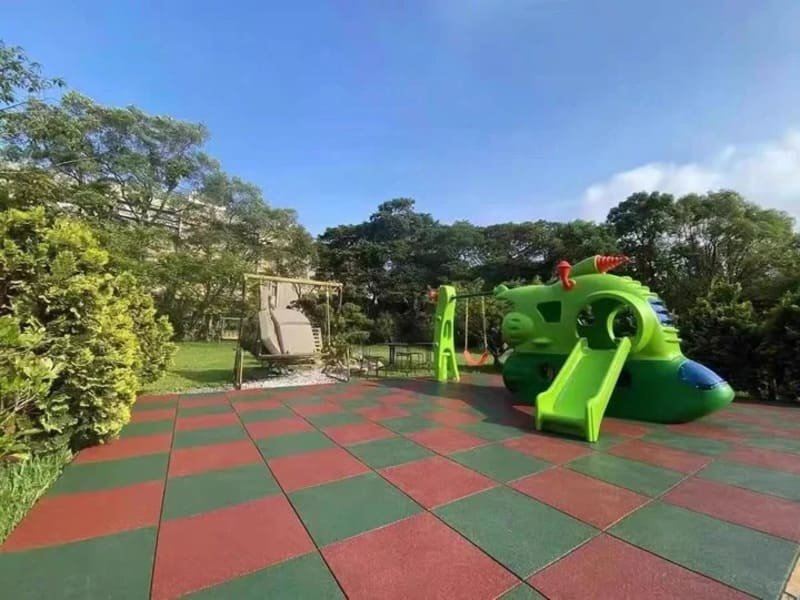
Kautschuk ist die erste Wahl für Sporthallenböden im Freien, da er das höchste Maß an Stoßdämpfung, Wetterbeständigkeit und Rutschsicherheit bietet. Im Gegensatz zu Schaumstoff oder Kunststoff behält er seine strukturelle Integrität unter schweren Gewichtsbelastungen und extremen Temperaturschwankungen, die in Außenbereichen üblich sind.
Die Einrichtung eines professionellen Fitnessstudios im Freien bedeutet einen ständigen Kampf gegen UV-Strahlen, Feuchtigkeit und Temperaturschwankungen. Die meisten Standard-Fitnessmatten versagen, weil ihnen die chemischen Stabilisatoren fehlen, die notwendig sind, um zu verhindern, dass sie in der Sonne zerbröckeln oder im Regen schimmeln. Wenn Sie Ihr Training nach draußen verlegen, wird der Boden zu einer technischen Komponente, die sowohl Ihre Geräte als auch den Unterboden schützen muss. Hochwertige Gummifliesen bilden eine dauerhafte Barriere, die die Energie von herunterfallenden Gewichten ableitet und gleichzeitig das Wasser abfließen lässt. In diesem Leitfaden werden die spezifischen Materialchemie-, Entwässerungsdesign- und Dichteanforderungen erläutert, die Sie benötigen, um sicherzustellen, dass Ihre Investition im Freien jahrelang hält.
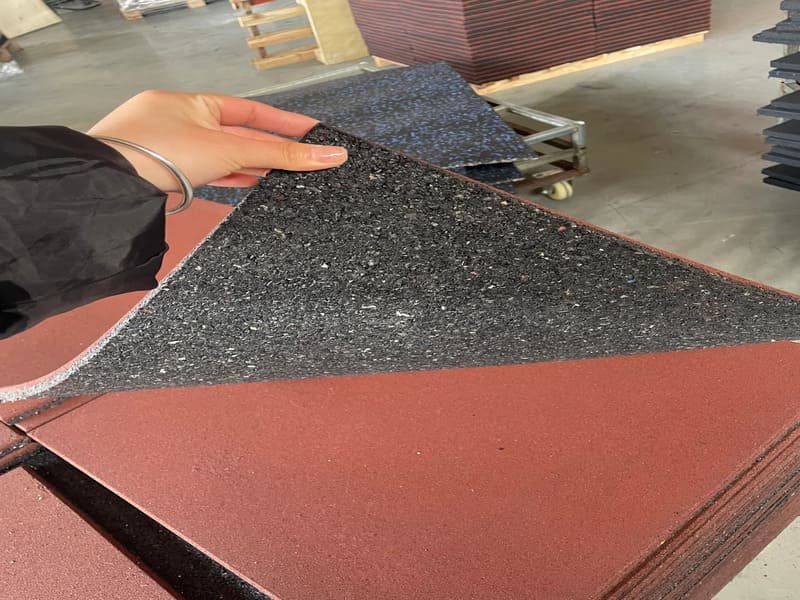
Der Erfolg bei einer Aufstellung im Freien hängt ganz davon ab, ob das Material die Umgebung übersteht, wenn Sie es nicht benutzen.
Warum sind Gummifliesen das "Top-Material" für den Außeneinsatz?
Gummiplatten bieten eine einzigartige Kombination aus Aufprallschutz und Umweltverträglichkeit. Sie bieten eine Oberfläche mit hoher Reibung, die auch bei Nässe sicher bleibt, absorbieren die Kraft schwerer fallender Gewichte, um Risse im Beton zu verhindern, und verwenden EPDM-Mischungen, um der Zersetzung durch Hitze und Schnee zu widerstehen.
Wenn Sie eine schwere Kettlebell auf eine Steinterrasse fallen lassen, wird der Stein irgendwann brechen. Kautschuk ist das einzige Material, das dicht genug ist, um diesen Schlag zu überstehen, ohne zu brechen. Für Projekte im Freien reicht der "Standard-SBR"-Recyclinggummi, der in den meisten Fitnessstudios zu Hause zu finden ist, nicht aus. Sie brauchen Fliesen, die mit UV-Stabilisatoren behandelt wurden, um Oxidation zu verhindern. Ohne diese zersetzt die Sonne die Bindemittel und hinterlässt einen unschönen schwarzen Rückstand auf Ihrer Kleidung und Haut. Ich habe schon viele Heimwerkerprojekte gesehen, die sich in einen Haufen grauen Staub verwandelt haben, weil sie Matten für den Innenbereich verwendet haben. Außerdem brauchen Sie ein Material, das sich nicht in eine Schlittschuhbahn verwandelt, wenn es feucht wird; Gummi bleibt auch bei Feuchtigkeit auf der Oberfläche natürlich griffig. Für spezielle Umgebungen sollten Sie wissen Wie man die richtige Gymnastikmatte für den Außenbereich auswählt kann sicherstellen, dass die Oberfläche Ihren spezifischen Sicherheits- und Traktionsanforderungen entspricht.
| Leistungsmetrik | Anforderung für Outdoor | Ergebnis mangelhafter Qualität |
|---|---|---|
| UV-Stabilität | EPDM / UV-Inhibitoren | Kreidung und Abbröckelung der Oberfläche |
| Wasserdurchlässigkeit | Porös oder gerillt | Stehendes Wasser und glatte Stellen |
| Shore A Härte | 65 - 75 | Der Boden fühlt sich "matschig" oder zu spröde an |
| Zugfestigkeit | > 2,8 MPa | Kacheln reißen bei seitlicher Bewegung |
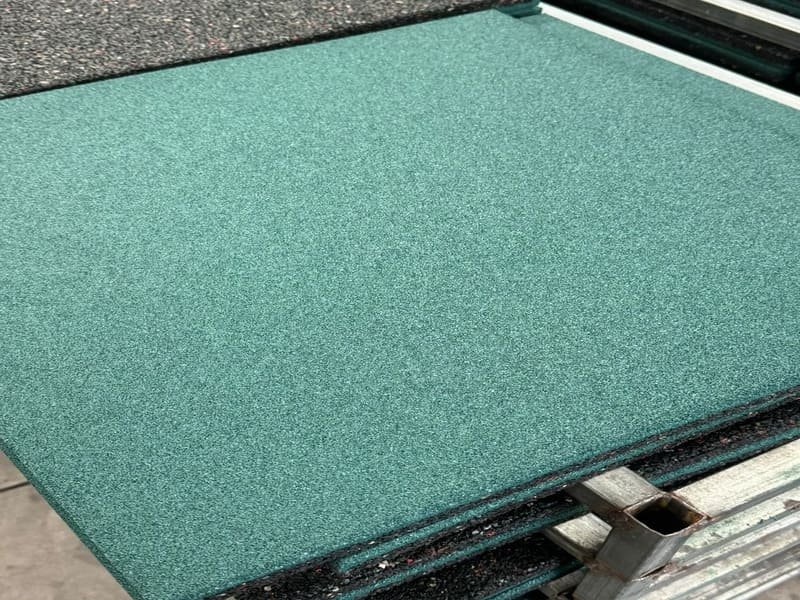
Der strukturelle Aufbau der Fliese ist ebenso wichtig wie das Material selbst, um Schimmelbildung darunter zu verhindern.
Sind alle Arten von Gummifliesen für den Außenbereich geeignet?
Nein. Nur hochdichtes, UV-stabilisiertes Gummi oder Fliesen mit integrierten Entwässerungskanälen sind für die Verwendung im Freien geeignet. Die Verwendung von offenzelligem Schaumstoff oder billigen recycelten Matten führt zu Wasseraufnahme, Fäulnis, starken Gerüchen und schnellem Materialabbau innerhalb einer einzigen Saison.
In der Welt der maßgeschneiderten Bodenbeläge liegt die Wahl meist zwischen recyceltem SBR und reinem EPDM. SBR ist das preisgünstige Arbeitspferd, benötigt aber spezielle Bindemittel, um die Sonne zu überstehen. Virgin EPDM ist die Premium-Option, da es von Natur aus UV-beständig ist und seine Farbbrillanz beibehält. Eine gängige Lösung für Hochleistungssporthallen im Freien ist die zweischichtige Fliese: eine SBR-Basis mit hoher Dichte zur Stoßdämpfung und eine 5 mm dicke EPDM-Nutzschicht als Wetterschutz. Die Hygiene ist hier das größte Risiko; wenn die Fliese Wasser wie ein Schwamm aufsaugt, wird sie riechen. Achten Sie immer auf geschlossenzellige Oberflächen oder Fliesen, die so dicht sind, dass kein Wasser in den Kern des Materials eindringen kann.
Analyse der Materialdichte
| Fliesentyp | Dichte (kg/m³) | Beste Anwendung |
|---|---|---|
| SBR mit niedriger Dichte | < 850 | Yoga, leichtes Cardio, überdachte Terrassen |
| Standard-Verriegelung | 900 - 950 | Stromversorgungsanlagen für Privathaushalte, Hinterhöfe |
| Hochschlagfestes EPDM | 1000+ | Gewerbliche Anlagen, volle Sonneneinstrahlung |
Ich habe einmal einem Kunden geholfen, der leichte Landschaftsmatten für einen Hockergestellbereich verwendete. Nach einem starken Regen verdoppelte sich das Gewicht der Matten aufgrund von Wassereinlagerungen und sie begannen sich zu verziehen, was eine große Stolperfalle darstellte.
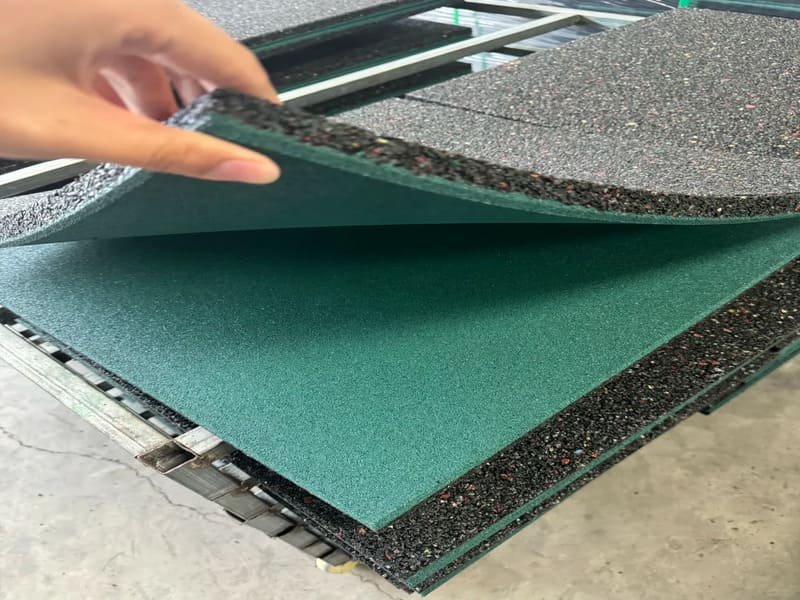
Die Temperatur ist ein weiterer Faktor, der physikalische Veränderungen in den Fliesen verursacht, die Sie bei der Verlegung berücksichtigen müssen.
Wie lösen Sie die häufigsten Probleme im Freien?
Die häufigsten Fehler bei Bodenbelägen für den Außenbereich - Ausbleichen durch UV-Strahlung, Pfützenbildung und thermische Ausdehnung - werden durch die Verwendung von UV-beständigen Polyurethan-Bindemitteln und Entwässerungsdesigns mit Waffelboden gelöst. Dadurch kann das Wasser frei fließen und das Material kann sich ausdehnen, ohne sich zu verformen.
Was unter der Fliese geschieht, ist der Schlüssel zur Langlebigkeit. Wenn Wasser zwischen dem Gummi und dem Beton eingeschlossen wird, bildet es einen Nährboden für Schimmel. Das "Waffelboden"- oder Sockeldesign löst dieses Problem, indem es kleine Kanäle schafft, durch die das Wasser zum nächsten Abfluss fließt. Und dann ist da noch das Problem der Kreidung", das durch die Sonne verursacht wird. Wenn UV-Strahlen die chemischen Bindungen des Gummis aufbrechen, entsteht ein grauer Film auf der Oberfläche. Wir beheben dieses Problem, indem wir aliphatische Bindemittel anstelle der billigeren MDI-Bindemittel verwenden. Bei thermischer Ausdehnung dehnt sich Gummi aus, wenn er heiß wird. Wenn Sie die Platten morgens dicht an der Wand anbringen, werden sie mittags aufplatzen. Eine kleine Dehnungsfuge zu lassen ist ein einfacher, aber wichtiger Schritt, um den Boden flach zu halten.
Technische Lösungen für Außenumgebungen
1. Wasserwirtschaft
Flache Standardfliesen schließen Feuchtigkeit ein. Geformte Rillen auf der Unterseite sind obligatorisch für jede Verlegung auf nicht porösen Oberflächen wie Beton oder Holzdecks.
2. UV-Bindemittelqualität
Reiben Sie mit einem trockenen Tuch über die Fliese. Wenn sofort ein schwarzer Rückstand erscheint, ist das Bindemittel von minderer Qualität und wird einen Sommer mit direkter Sonneneinstrahlung nicht überstehen.
| Schmerzpunkt | Technische Korrektur | Technischer Nutzen |
|---|---|---|
| Eingeschlossene Feuchtigkeit | Rinnen mit Waffelboden | Verhindert Schimmel und Fäulnis |
| Direkte Sonne | Aliphatisches Polyurethan | Verhindert das Abbröckeln der Oberfläche |
| Verschiebbare Kacheln | Dübel/Interlock-System | Erhält eine nahtlose Oberfläche |
Sobald Sie sich mit den technischen Daten vertraut gemacht haben, können Sie Gummi mit anderen gängigen Materialien für den Außenbereich vergleichen.
Wie verhält sich Kautschuk im Vergleich zu Rollrasen oder Kunststofffliesen?
Gummi ist das einzige Material, das die Gelenke wirklich schützt und den Schall beim Gewichtheben dämpft. Rasen ist zwar gut für die Ästhetik und Kunststofffliesen sind leicht zu reinigen, aber keines von beiden kann die Aufprallenergie einer herunterfallenden Hantel absorbieren, ohne den Unterboden zu beschädigen.
Ich sehe oft Leute, die versuchen, mit Plastikfalzfliesen Geld zu sparen. Sie leiten zwar das Wasser gut ab, aber sie haben keinerlei Stoßdämpfung. Wenn ein Gewicht auf Plastik fällt, klingt das wie ein Pistolenschuss und die Fliese zerbricht normalerweise. Rollrasen ist eine weitere beliebte Option, weil er wie ein Profi-Fitnessstudio aussieht. Allerdings ist Rollrasen bekanntermaßen schwer zu reinigen, wenn er schmutzig oder nass wird, und er bietet nur sehr wenig Schutz für Ihre Betonplatte. Gummi ist der "Alleskönner", denn er bietet einen sicheren Aufprallpunkt für Gewichte und lässt sich mit einem einfachen Abspritzen reinigen. Um die besten Ergebnisse zu erzielen, verwenden viele Leute Gummi als Grundlage und legen einen schmalen Streifen Rasen für spezielle Schlittenarbeiten darauf. Wenn Sie diese Mischform in Erwägung ziehen, sollten Sie Folgendes lernen Wie wählt man einen Turnhallenrasen für das Training im Freien aus? ist unerlässlich, um sicherzustellen, dass die Fasern direkter UV-Belastung und den Anforderungen an die Entwässerung standhalten können.
Aufschlüsselung der Materialleistung
- Gummi: Am besten geeignet für schwere Gewichte, Gelenksicherheit und Lärmminderung.
- Rasen: Am besten für Schlittenzüge und Ästhetik, schlecht für Aufprallschutz.
- Kunststoff (PP): Am besten für Entwässerung und leichtes Cardio, schlecht für Gewichte und Sound.
| Kriterien | Gummifliesen | Kunstrasen | Kunststoff (PP)-Fliesen |
|---|---|---|---|
| Aufprallsicherheit | Ausgezeichnet | Niedrig | Mäßig |
| Rauschunterdrückung | Hoch | Mäßig | Niedrig |
| DIY-Installation | Hoch | Mäßig | Sehr hoch |
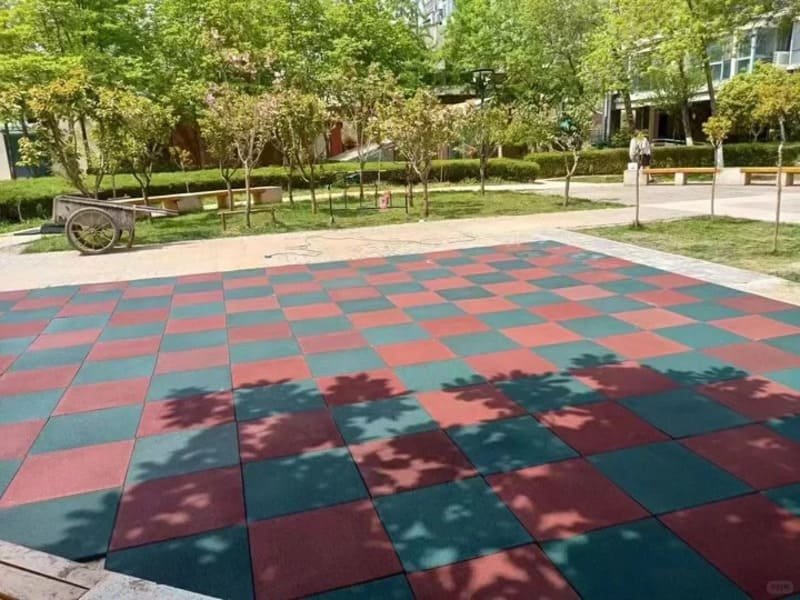
Nur wenn Sie sich auf die technischen Daten auf dem Blatt konzentrieren, können Sie vermeiden, Ihr Budget für einen Boden zu verschwenden, der nicht funktioniert.
Was sollten Sie auf der Checkliste eines Käufers beachten?
Bevorzugen Sie eine Dicke von mindestens 20 mm, eine Dichte von 950 kg/m³ oder mehr und eine nachweislich UV-beständige Beschichtung. Diese Spezifikationen stellen sicher, dass die Fliesen unter schweren Lasten nicht nachgeben oder bei intensiver Sonneneinstrahlung nicht beschädigt werden.
Wenn Sie schwere Kreuzheben machen, werden 10mm oder 15mm Fliesen Ihren Boden nicht schützen. Sie brauchen mindestens 30 mm, um die Energie richtig ableiten zu können. Auch die Dichte ist entscheidend: Fliesen mit geringer Dichte fühlen sich "matschig" an und bilden dort, wo Ihre schweren Racks stehen, dauerhafte Dellen. Schließlich sollten Sie auch das Verbindungssystem berücksichtigen. Für den Außenbereich empfehle ich ineinander greifende "Puzzle"-Fliesen oder quadratisch geschnittene Fliesen mit einem Dübellochsystem. Klebstoffe und Leime versagen im Freien häufig aufgrund von Feuchtigkeit und Temperaturschwankungen, so dass eine mechanische Verbindung auf lange Sicht viel zuverlässiger ist.
Die Checkliste für professionelle Spezifikationen
- Die Dicke: 20 mm für Cardio, 30 mm+ für freie Gewichte.
- Die Dichte: 950 kg/m³ sind der goldene Mittelweg zwischen Haltbarkeit und Komfort.
- Unteres Design: Sie müssen Rillen oder ein Waffelmuster zur Entwässerung aufweisen.
- UV-Bewertung: Stellen Sie sicher, dass die Deckschicht EPDM oder UV-Inhibitoren enthält.
| Ziel-Workout | Empfohlene Schichtdicke | Empfohlene Dichte |
|---|---|---|
| HIIT / Körpergewicht | 15mm - 20mm | 900 kg/m³ |
| Schweres Heben | 30mm - 40mm | 1000 kg/m³ |
| CrossFit im Freien | 25mm - 30mm | 950 kg/m³ |
Bei einer ordnungsgemäßen Wartung geht es weniger um harte Arbeit als vielmehr darum, die Ansammlung von Abrieb zu verhindern.
Wie pflegt man Gummifliesen für den Außenbereich für eine lange Lebensdauer?
Pflegen Sie Ihre Fliesen, indem Sie sie täglich mit einem Laubbläser von Schmutz befreien und sie wöchentlich mit Wasser abspritzen. Vermeiden Sie alle auf Erdöl basierenden oder säurehaltigen Reinigungsmittel, da diese Chemikalien die Gummibindemittel auflösen und die Oberfläche klebrig werden oder abblättern lassen.
Die Pflege des Außenbereichs ist einfacher als die des Innenbereichs, wenn Sie konsequent sind. Staub und Schmutz wirken wie Schmirgelpapier; jedes Mal, wenn Sie den Boden betreten, schleift sich der Sand in das Gummigranulat. Ein Laubbläser ist das beste Mittel, um dies zu verhindern. Für die Reinigung sollten Sie ein pH-neutrales Reinigungsmittel und eine weiche Bürste verwenden. Verwenden Sie niemals einen Hochdruckreiniger mit hoher Konzentration, da er das Granulat aus dem Bindemittel heraussprengen kann. Wenn Sie in einer Gegend mit großer Hitze leben, hilft eine kurze Spülung mit einem Gartenschlauch einmal pro Woche, die Fliesen abzukühlen und Salz- oder Schweißablagerungen zu entfernen, die Flecken verursachen können.
Pflegeschritte für Langlebigkeit
- Täglich: Entfernen Sie Laub und Streugut mit einem Gebläse.
- Wöchentlich: Mit einem Gartenschlauch abspülen, um Salz-/Schweißflecken zu vermeiden.
- Monatlich: Reinigen Sie den Boden gründlich mit einer neutralen Seife und einer weichen Deckbürste.
- Jährlich: Überprüfen Sie den Umfang auf Ausdehnungsprobleme und räumen Sie die Entwässerungswege frei.
Ich habe einmal gesehen, wie ein Benutzer versucht hat, seine Fliesen mit einem scharfen Lösungsmittel von Öl zu befreien. Am nächsten Tag war der Gummi aufgeweicht und begann sich abzulösen - das Lösungsmittel hatte die Fliese von innen nach außen "entklebt".
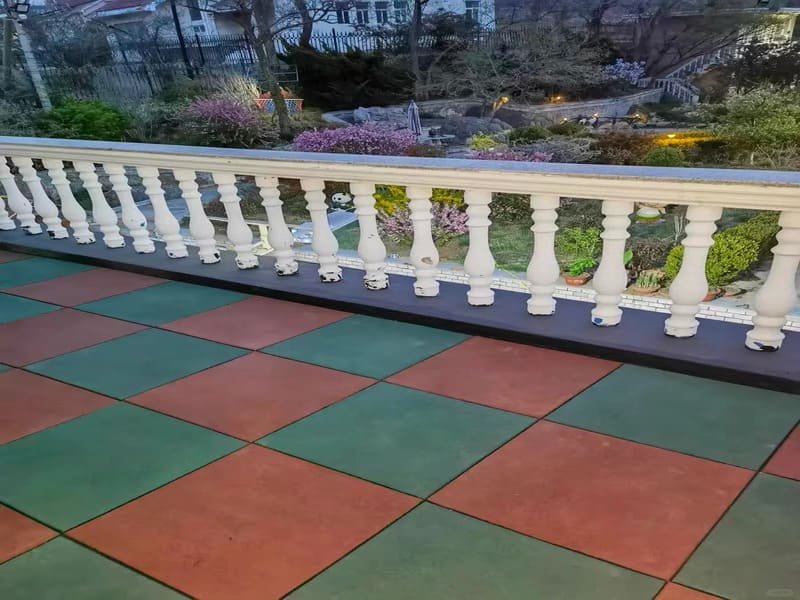
Die Wahl der richtigen Fliese bedeutet, dass Sie Ihre örtlichen Wetterbedingungen mit den technischen Spezifikationen des Materials in Einklang bringen müssen.
Schlussfolgerung
Hochdichte, UV-stabilisierte Gummifliesen mit Drainagekanälen sind die einzige langfristige Lösung für Outdoor-Turnhallen.
Anmerkung des Projektspezialisten:
Wenn Sie ein Fitnessstudio im Freien planen, sollten Sie nicht nur auf den Preis achten. Fragen Sie nach dem UV-Alterungsbericht und den Angaben zur Entwässerungseffizienz. Wenn Sie sich nicht sicher sind, welche Dicke für Ihre spezielle Ausrüstung erforderlich ist, oder wenn Sie sich Sorgen über die Wärmespeicherung in Ihrem Klima machen, Schicken Sie mir eine private Nachricht! Ich kann Ihnen helfen, Ihren Standortplan zu überprüfen und die genaue Dichte und den Bindemitteltyp zu empfehlen, um sicherzustellen, dass Ihr Fitnessstudio auch im nächsten Jahrzehnt in Topform bleibt.