


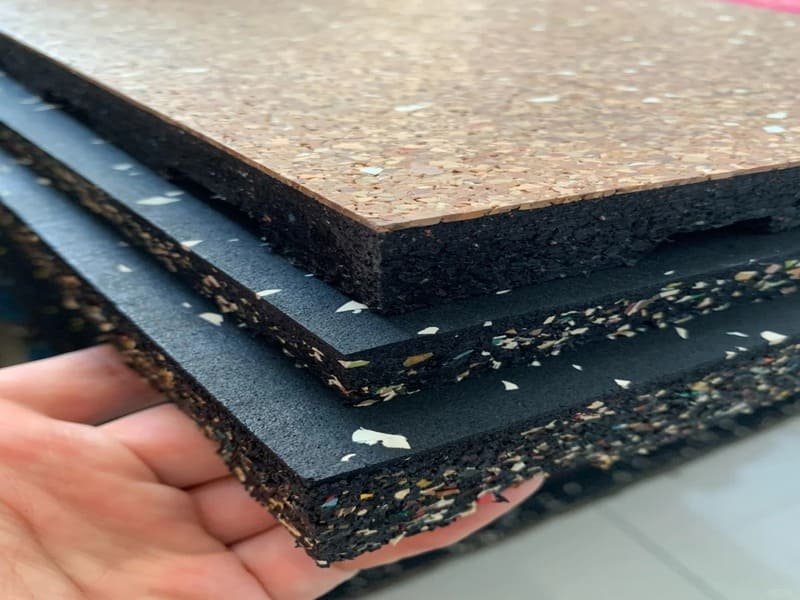
Für Hochleistungseinrichtungen ist die Antwort nicht nur eine Zahl auf einem Datenblatt; es geht darum, die Dichte an die Wirkung anzupassen. Für kommerzielle Krafträume sind 8 mm-10 mm dicke Rollen der Standard für Hygiene und Stabilität. Wenn Sie eine Garage zu Hause ausstatten, in der die Temperaturen schwanken, sind 10 mm dicke Verbundplatten besser geeignet, um die Ausdehnung zu bewältigen, während in speziellen Bereichen für schweres Heben immer mindestens 20 mm vulkanisierter Gummi erforderlich ist, um Ihren Beton zu schützen.
In der Gummiindustrie ist "dicker" eine Marketingfalle, mit der eine geringe Dichte verschleiert werden soll. Ich habe gesehen, wie 12-mm-"Krümel"-Matten unter einem normalen Kreuzheben zusammenbrechen, weil der Käufer die Shore-A-Härte oder die Qualität des Bindemittels nicht überprüft hat. Sie kaufen nicht nur eine Oberfläche, Sie investieren in die Stoßdämpfung. Das Verständnis, warum eine vulkanisierte Matte anders reagiert als eine kaltgepresste Rolle, macht den Unterschied zwischen einer Anlage, die zehn Jahre hält, und einer, die nach vierundzwanzig Monaten komplett ausgetauscht werden muss.
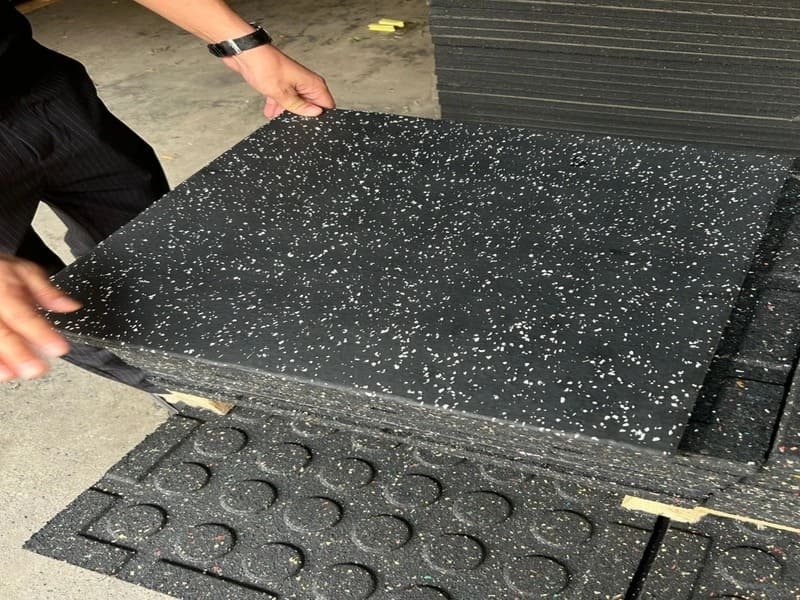
Die Wahl der falschen Spezifikation führt zu Kantenverformungen und dem Geruch alter Reifen", der nie verschwindet. Schauen wir uns die vier echten Optionen an, die Sie haben.
Warum sind Gummiwalzen der nahtlose Leistungsstandard?
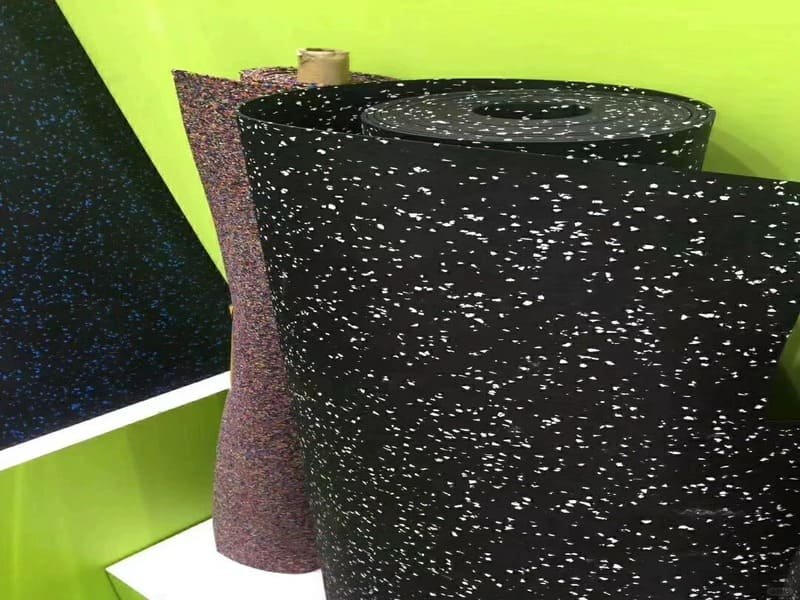
Kautschukrollen sind in gewerblichen Einrichtungen von Vorteil, da sie keine Nähte aufweisen, die Schweiß und Bakterien beherbergen. Sie bieten die gleichmäßigste Dichte (950-1050 kg/m³) über große Flächen und sind damit die einzige Wahl für Einrichtungen, die Wert auf Hygiene und langfristige strukturelle Integrität legen.
Wenn ich in einem kommerziellen Fitnessstudio vor Ort bin, dränge ich wegen der "strukturellen Kontinuität" auf Rollen. Jede Naht ist eine potenzielle Schwachstelle, an der Feuchtigkeit eindringen und den Klebstoff verrotten lassen kann. Durch die Verwendung von 4 Fuß breiten Rollen in Längen von bis zu 50 Fuß schaffen wir eine einheitliche Barriere. Bei der Herstellung werden die Rollen unter massivem Druck produziert, wodurch sie eine viel engere Zellstruktur als modulare Fliesen erhalten. Deshalb verformen sie sich auch nicht, wenn man drei Jahre lang ein Kardiogerät auf ihnen abstellt. Wir verwenden eine vollflächige Polyurethan-Klebemethode, die zwingend erforderlich ist, wenn Sie Schlittenfahrten oder hochintensive Sprints planen - alles andere würde nur verrutschen oder sich zusammenballen.
| Merkmal | Technische Spezifikation |
|---|---|
| Standard-Dichte | 950 - 1050 kg/m³ |
| Typische Dicke | 6mm (Kardio) / 8mm-10mm (Gewichte) |
| Dauerhaftigkeit Standard | ASTM D3389 (abriebfest) |
| Einrichtung | Professionelle Verklebung |
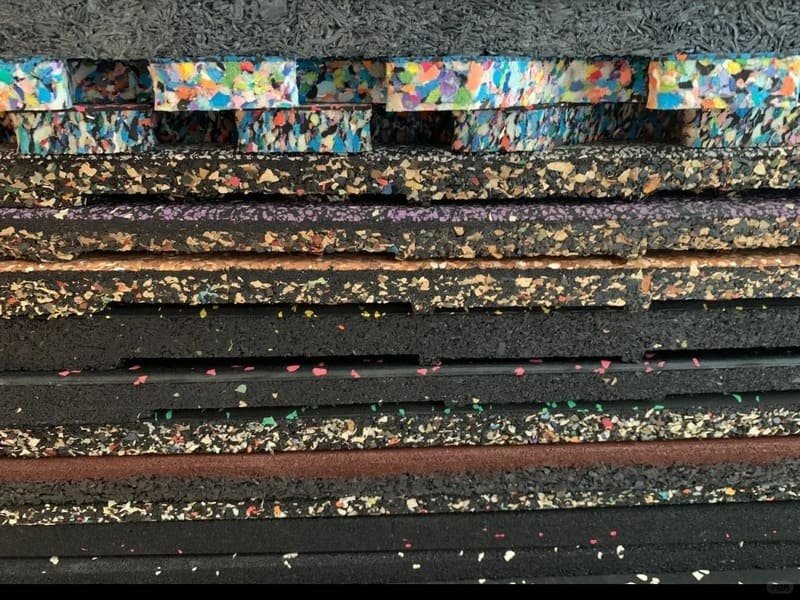
Rollen sind großartig für große offene Räume, aber sie sind nicht die Lösung für jede Umgebung, vor allem, wenn der Unterboden nicht perfekt ist.
Wie bieten Falzziegel Feinwerktechnik?
Falzfliesen sind die ultimative Heimwerkerlösung für nicht klimatisierte Räume wie Garagen. Ihre CNC-geschnittenen Puzzlekanten fungieren als eingebaute Dehnungsfugen, so dass sich der Boden bei Temperaturschwankungen bewegen kann, ohne Blasen zu bilden oder sich zu verziehen, wie es bei Kleberollen der Fall ist.
Für ein Fitnessstudio zu Hause rate ich den Leuten normalerweise, den Kleber wegzulassen und Fliesen zu nehmen. Die meisten Garagen sind nicht temperaturgesteuert, und Gummi dehnt sich aus. Bei Fliesen ist das kein Problem. Die "Verriegelung" hängt ganz von der Präzision des Schnitts ab; wenn die Zähne lose sind, wird der Boden mit der Zeit "kriechen". Ich suche nach Fliesen mit einer Shore-A-Härte von etwa 60-65 - fest genug, um ein Power Rack zu tragen, aber mit genügend Nachgiebigkeit, um bequem auf dem Boden arbeiten zu können. Und das Beste daran? Wenn Sie Öl verschütten oder etwas Scharfes fallen lassen und einen Teil des Bodens beschädigen, müssen Sie nur eine Fliese austauschen, nicht den ganzen Boden.
| Merkmal | Technische Spezifikation |
|---|---|
| Verbindungstyp | Präzisionsgeschnittene Verriegelung |
| Shore A Härte | 60 - 65 (ideales Gleichgewicht) |
| Thermische Stabilität | Hoch (selbsteinstellende Gelenke) |
| DIY-Schwierigkeit | Gering (keine Spezialwerkzeuge) |
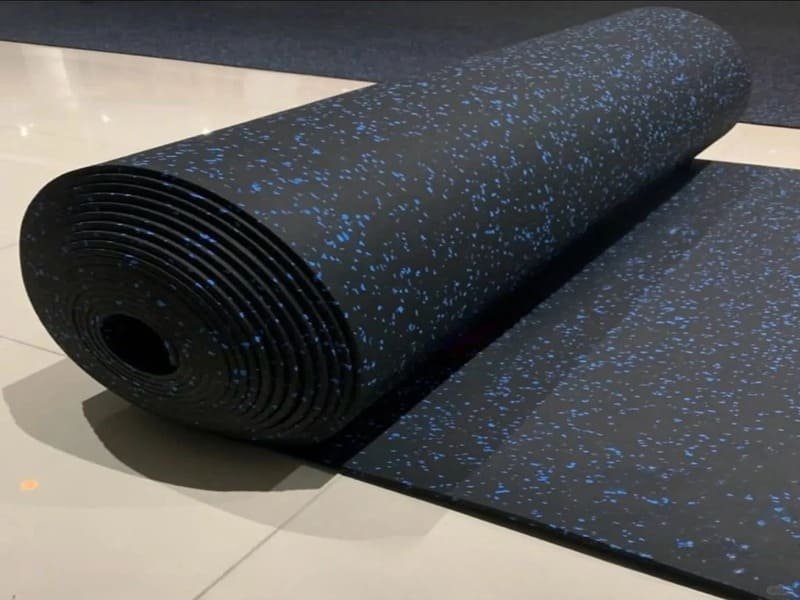
Für den allgemeinen Gebrauch ist Bequemlichkeit in Ordnung, aber wenn man 100 kg und mehr von oben fallen lässt, braucht man Masse.
Warum Heavy-Duty-Matten für maximale Stoßdämpfung?
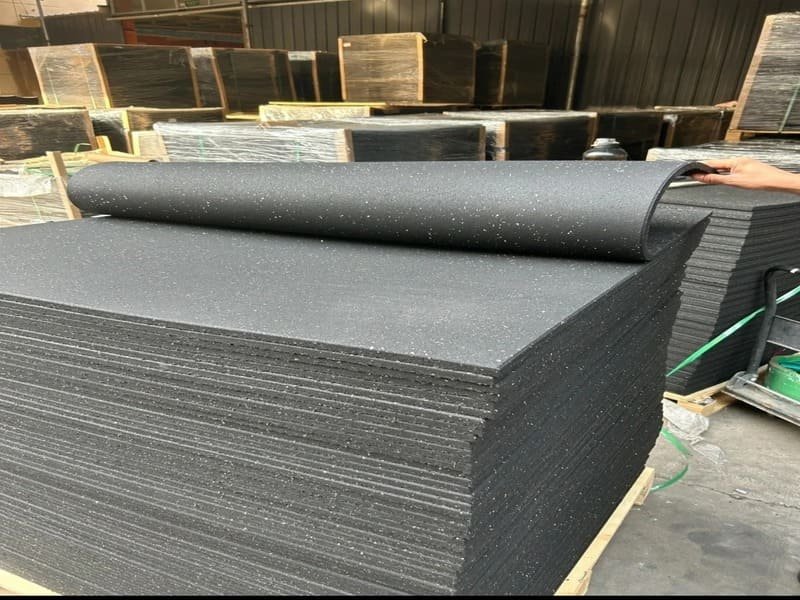
Hochbelastbare Matten sind für "Fallzonen" gebaut. Im Gegensatz zu herkömmlichen Bodenbelägen werden diese 4'x6′ großen Matten vulkanisiert, d. h. unter Hitze und Druck "gekocht", um eine porenfreie, unzerstörbare Platte zu schaffen, die die Energie horizontal ableitet und den darunter liegenden Beton schützt.
Ich habe Deadlift-Plattformen gebaut, bei denen ein normaler Bodenbelag innerhalb eines Monats pulverisiert worden wäre. Sie brauchen hier eine vulkanisierte Matte. Der Unterschied liegt in der Bindung: Anstatt die Krümel einfach nur zusammenzukleben, erzeugt die Vulkanisierung eine chemische Vernetzung. Diese Matten sind 100% wasserdicht und nehmen keine Bakterien oder Pferdeurin auf. Auswahl von welche Art von Stallmatte ist am besten geeignet für Ihre spezifische Umgebung ist entscheidend für die Haltbarkeit unter schwierigen Bedingungen. In einem Fitnessstudio ist eine 20-mm-Matte ein Stoßdämpfer. Wenn die Langhantel aufschlägt, wird die Energie aufgrund der Dichte durch die Matte verteilt, anstatt ein Loch in den Unterboden zu reißen. Sie sind schwer genug (40 kg+), um ohne einen Tropfen Klebstoff zu halten.
| Leistungsmetrik | Vulkanisierte Matte Wert |
|---|---|
| Aufprallkraftreduzierung | >60% (bei 20 mm Dicke) |
| Wasserabsorption | <0,1% (nicht porös) |
| Gewicht pro Matte | 40kg - 45kg (4'x6′) |
| Materielle Bindung | Thermische Vulkanisation |
Wenn das Projekt nach draußen verlagert wird, ändert sich die Chemie erneut. Man kämpft nicht mehr so sehr gegen die Auswirkungen, sondern eher gegen die Sonne.
Was macht Gummipflastersteine zur ersten Wahl für die Haltbarkeit im Freien?
Gummipflastersteine überleben im Freien, weil sie ein zweischichtiges System verwenden: eine UV-beständige EPDM-Deckschicht, die Sonnenfäule verhindert, und eine kanalisierte Unterseite, durch die Wasser sofort abfließen kann. Ohne diesen EPDM-Schutz verwandelt sich herkömmlicher Recycling-Gummi in einem einzigen Sommer in Staub. Kennzeichnung Welche Gummimatte für den Außenbereich ist am besten geeignet? ist wichtig, um vorzeitige Sonnenfäule und Rissbildung zu verhindern.
Ich habe gesehen, wie Dachterrassen ruiniert wurden, weil der Bauunternehmer Matten für den Innenbereich verwendet hat. UV-Licht zerstört normales SBR-Gummi. Für Außenwege oder Spielplätze brauchen Sie EPDM. Das ist ein synthetischer Kautschuk, der in der Sonne nicht "kreidet" oder reißt. Das "Waffel"-Design auf der Unterseite ist ebenso wichtig - es verhindert, dass die Matte in einer Pfütze sitzt. Diese Drainage sorgt dafür, dass die Oberfläche rutschfest bleibt und der Unterboden nicht verrottet.
| Merkmal | Spezifikation für den Außenbereich |
|---|---|
| UV-Beständigkeit | Hoch (EPDM-Deckschicht) |
| Entwässerungsplanung | Kanalisierter/poröser Boden |
| Kritische Fallhöhe | Zertifiziert bis zu 3 Meter |
| Temperaturbereich | -40°C bis +80°C |
Die Hardware ist nur ein Teil des Ganzen. Sie brauchen eine Strategie, welche Spezifikationen wohin gehören.
Die Checkliste des Profis: Was ich tatsächlich installiere
Hören Sie auf, zu sehr über die Dicke nachzudenken, und sehen Sie sich die Anwendung an. Nachfolgend finden Sie den Plan, den ich für meine eigenen Aufträge verwende, um Leistung und Budget in Einklang zu bringen, ohne bei der Sicherheit Abstriche zu machen.
Wir stützen unsere MF-Produkte auf umfassende ASTM-Tests, denn "vertrau mir" ist bei einem kommerziellen Bau nicht haltbar. Ob D2240 für die Härte oder D412 für die Zugfestigkeit, die Daten sagen die Wahrheit. Wenn Sie eine Anlage bauen, verwenden Sie diese Tabelle, um das Zahnrad auf den Schliff abzustimmen.
Leitfaden zur Anwendungsauswahl
| Am besten für | Primärer Typ | Empfohlene Schichtdicke | Bauunternehmer-Tipp |
|---|---|---|---|
| Heim-Fitnessstudio | Falzziegel | 10mm | Überspringen Sie den Klebstoff. Leichter zu bewegen oder zu reinigen. |
| Kommerzielles Fitnessstudio | Gummiwalzen | 8mm (Basis) | Verwenden Sie EPDM-Flecken, um Kratzer und Staub zu verbergen. |
| Kreuzheben Zone | Vulkanisierte Matten | 20mm - 25mm | Legen Sie diese über Ihre Brötchen in den schweren Zonen. |
| Außenterrasse | Gummi-Pflastersteine | 30mm - 45mm | Stellen Sie sicher, dass Ihr Unterboden ein Gefälle von 1% aufweist. |
| Crossfit Box | Gummiwalzen | 10 mm (hohe Dichte) | Kleben Sie es gut fest, sonst reißen die Schlitten es ein. |
Zusammenfassung des Schnellvergleichs
| Typ | Dauerhaftigkeit | DIY-Leichtigkeit | Nahtlosigkeit | Preis (Avg) |
|---|---|---|---|---|
| Rollen | Ausgezeichnet | Niedrig | Hoch | Niedrig - mittel |
| Kacheln | Gut | Hoch | Mittel | Mittel |
| Mats | Extrem | Hoch | Niedrig | Mittel - Hoch |
| Pflastersteine | Hoch | Mittel | Mittel | Hoch |
Nur wenn das Material beim ersten Mal richtig ausgewählt wird, kann ein späterer kostspieliger Abriss vermieden werden.
Schlussfolgerung
Wählen Sie Ihren Boden nach der Dichte und der Umgebung aus, nicht nur nach der Dicke, um sicherzustellen, dass Ihr Unterboden geschützt und Ihre Einrichtung für das nächste Jahrzehnt sicher bleibt.
Benötigen Sie eine zweite Meinung zu Ihren Spezifikationen?
Fordern Sie ein Angebot oder ein kostenloses Musterkit an - halten Sie das Material in Ihren Händen, bevor Sie sich festlegen.