


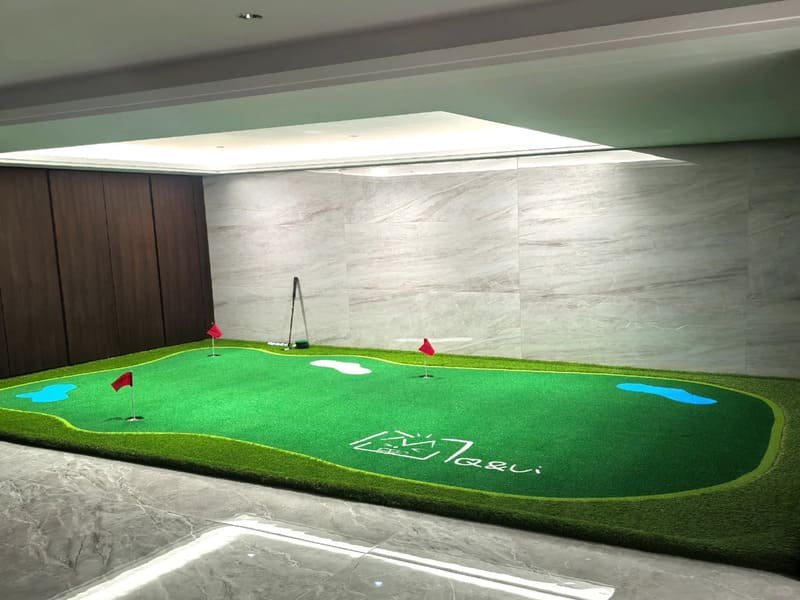
Hören Sie auf zu raten. Ganz gleich, ob Sie einen kaputten Rücken schützen oder den ultimativen Simulator bauen wollen, die Matte ist die wichtigste Komponente Ihrer Anlage. In diesem Leitfaden aus dem Jahr 2026 erkläre ich die technische Realität hinter dem "Rasenschock", zeige die "roten Fahnen" schlechter Produkte auf und gebe Ihnen eine 3-Sekunden-Entscheidungsmatrix an die Hand, mit der Sie sofort die richtige Matte auswählen können.
TL;DR - Die 3-Sekunden-Entscheidungsmatrix
Sie haben keine Zeit für eine vollständige technische Aufschlüsselung? Finden Sie unten Ihr Profil und sehen Sie, was ich empfehle.
| Wenn Sie... | Ihr Hauptrisiko | Die Empfehlung meines Ingenieurs | Warum? |
|---|---|---|---|
| "Der Gelenkschmerzgeplagte" (Probleme mit Ellbogen/Handgelenk, Alter 50+) |
Dauerhafte Schädigung | Fiberbuilt (Borsten-System) | Das einzige System, das den Schock wirklich beseitigt. Es sieht nicht wie Gras aus, aber es spart Ihnen die Kosten für eine Operation. |
| "Der Simulator-Purist" (GCQuad/Trackman, <5 Handicap) |
Schlechte Daten (Fake Spin) | Country Club Elite / Heiliger Gral | Dichte Fasersysteme, die fette Schüsse bestrafen. Sie brauchen eine realistische Verzögerung für genaue Startdaten. |
| "Der Garagen-Bastler" (Budgetbewusst, begrenzter Raum) |
Geldvergeudung | Raw Hitting Strip + DIY-Plattform | Kaufen Sie keine ganze Matte. Kaufen Sie einen professionellen 1×3-Streifen ($150) und schneiden Sie ein Loch in eine Gymnastikmatte für Puzzles. |
| "Der ästhetische Baumeister" (Luxus-Heim-Sim-Zimmer) |
Hässliche Nähte | SigPro Softy / Custom Turf | Kombiniert die stoßdämpfende Wirkung von Schaumstoff mit einem fertigen, hochwertigen Aussehen, das zur Inneneinrichtung passt. |
Einführung: Warum die Matte der "stille Killer" für Ihr Spiel ist
In meinem Labor habe ich gesehen, wie $20.000 Simulatoraufbauten durch ein $100 Stück "grünen Beton" ruiniert wurden. Die Matte ist nicht nur ein Teppich; sie ist eine mechanische Schnittstelle, die darüber entscheidet, ob Sie Ihren Schwung verbessern oder Ihre Gelenke zerstören.
Als Leiter der Qualitätskontrolle bei Golf Matters habe ich täglich mit den Folgen von Fehlentscheidungen zu tun. Ich sehe mikroskopisch kleine Abnutzungserscheinungen an teuren Eisen, die durch abrasives Nylon verursacht werden, und Beschleunigungsmesserdaten, die gefährliche "Spike-Belastungen" an den Handgelenken durch generische Gummibackings zeigen. Am tragischsten ist jedoch, dass ich mit Golfern spreche, die durch den "Golfer's Elbow" (Golferknie) an den Rand gedrängt werden, der allein durch ihre häusliche Einrichtung verursacht wird.
Im Jahr 2026 muss eine hochwertige Schlagmatte zwei gegensätzliche technische Leistungen erbringen: Sie muss fest genug sein, um Ihr Gewicht zu tragen, und gleichzeitig nachgiebig genug, um die kinetische Energie eines Schlägerkopfes zu absorbieren, der sich mit 100 mph bewegt. Standardmatten versagen hier und verursachen den "Bounce-Effekt" - sie verdecken schlechte Schläge und senden Schockwellen in Ihren Arm. Dieser Leitfaden ist eine technische Analyse, die Ihnen hilft, das richtige Werkzeug zu kaufen, Ihren Körper zu schützen und sicherzustellen, dass Ihr Abschlagmonitor die Wahrheit sagt.

2. Die "Roten Fahnen": Was um jeden Preis zu vermeiden ist
Bevor Sie etwas kaufen, müssen Sie wissen, was Sie vermeiden sollten. Wenn Sie diese Begriffe in einem Produktangebot sehen, schließen Sie die Registerkarte sofort. Dies sind Indikatoren für eine schlechte Verarbeitung und Verletzungsgefahr.
Rote Flagge #1: "100% Nylon" ohne Polsterung Details
Wenn eine Auflistung schreit "Durable Nylon", aber Details über die Schaumstoffunterlage oder den Luftspalt auslässt, sollten Sie davonlaufen. Nylon ist zwar strapazierfähig, aber ohne eine ausgeklügelte Unterschicht ist es so, als würde man auf einer mit Teppich ausgelegten Auffahrt aufschlagen.
- Das Ergebnis: Sofortige Schmerzen im Handgelenk und "Rasenbrand" (geschmolzene grüne Rückstände) an der Schlägersohle aufgrund der hohen Reibungshitze.
Rote Flagge #2: Die "Bounce"-Garantie
Hüten Sie sich vor Matten, die versprechen, dass Sie "nie einen dicken Schlag machen". Das bedeutet: "Unsere Matte ist so hart, dass Ihr Schläger abspringt".
- Das Problem: Dadurch wird die Schwungmechanik zerstört. Du lernst, deine Hände zu drehen, weil die Matte dich rettet. Auf echtem Rasen wirst du alles zerhacken. Sie wollen eine Matte, die deinen Schläger packt.
Rote Flagge #3: "Leichtgewicht" (unter 10 lbs)
Sofern es sich nicht um ein spezielles Reiseprodukt handelt, ist Masse Ihr Freund.
- Das Problem: Physik. Wenn die Matte leichter ist als die Aufprallkraft, rutscht sie. Bei Radar-Abschussmonitoren (Trackman/FlightScope) verändert eine rutschende Matte die Geschwindigkeitsberechnungen und ruiniert Ihre Daten.
3. Der "Rasenschock"-Faktor: Die Sicht eines Ingenieurs auf Verletzungen
"Turf Shock" ist die schnelle Verzögerungskraft, die auf Ihre Sehnen übertragen wird, wenn der Schläger auf eine nicht nachgiebige Oberfläche trifft. Um chronischen Verletzungen vorzubeugen, bevorzugen Sie Systeme mit "Divot Action" oder "Gel-Infusion".
Wenn Sie auf einem richtigen Golfplatz ein Divot schlagen, schert der Boden ab und verbraucht Energie. Auf einer billigen Matte bewegt sich der Boden nicht. Diese Energie wird von der Stahlwelle direkt in Ihren Ellbogen zurückgeworfen.
In unserer Testanlage zeigen Kraftmessplatten den Unterschied:
- Hartgummimatten: Die höchste Aufprallkraft tritt auf in 3 Millisekunden (Schock).
- Divot Action Mats: Der Spitzenwert der Aufprallkraft verteilt sich über 15-20 Millisekunden (Drücken).
Dieser Unterschied von 12 Millisekunden ist der Schlüssel zu einem schmerzfreien Golfspiel im Alter von 50 Jahren. Mein Rat: Achten Sie auf die "Shore-A-Härte". Wenn der Hersteller die Schaumstofftechnologie nicht angibt (z. B. "Luftkammer", "Geleinlage"), handelt es sich wahrscheinlich um billigen Altgummi.
4. Genauigkeit und Feedback: Der "Fat Shot"-Test
Ihre Matte muss ehrlich sein. Eine "verzeihende" Matte ist eigentlich eine "liegende" Matte. Für die Simulationsgenauigkeit benötigen Sie ein Fasersystem, das den Schlägerkopf erfasst, um den Widerstandskoeffizienten des echten Bodens zu simulieren.
Ihr Abschlagmonitor kann nur Balldaten lesen. Der Ball reagiert auf das Schlägerblatt, das durch die Interaktion mit der Matte beeinflusst wird.
Die "Low Spin"-Lüge:
Auf einer glatten Matte führt ein "fetter" Schlag dazu, dass der Schläger mit voller Geschwindigkeit, aber höher auf der Schlagfläche, in den Ball gleitet. Dies führt zu einem "Knuckleball mit hohem Start und wenig Spin".
- Ergebnis des Simulators: 280-Yard-Laufwerk.
- Ergebnis im wirklichen Leben: 150-Meter-Brocken.
Die Lösung:
Sie benötigen texturierte Polyethylenfasern, die gestrickt und nicht getuftet sind. Wenn ein Schläger tief eindringt, sollten sich die Fasern um das Hosel wickeln und einen Widerstand erzeugen. Dadurch wird der Schlägerkopf verlangsamt. vor Auswirkung. Die Ballgeschwindigkeit sinkt, und die Flugweite nimmt ab. Das ist gut. Sie zwingt Sie dazu, Ihren Kontakt zu verbessern.
5. Der Trend 2026: Schlagleisten und die "Insert-Strategie"
Kaufen Sie keine 5×5-Fußmatten mehr. Das ist eine Verschwendung von Logistik und Geld. Für Geschäftsinhaber ist es wichtig zu verstehen der Leitfaden für Großhändler zum Verkauf von Sportböden kann ähnliche Einblicke in eine effiziente Bestandsverwaltung bieten. Die klügsten Einkäufer im Jahr 2026 nutzen die "Insert-Strategie" - eine DIY-Plattform mit einem High-End-Handelsstreifen.
Die Herstellung und der Versand einer riesigen 5×5-Matte ist ineffizient. Die Zukunft heißt Modularität.
Die Strategie:
- Die Haltung: Kaufen Sie EVA-Schaumstoffplatten mit einer Dicke von 1 Zoll. Ihre einzige Aufgabe ist es, Ihr Gewicht zu tragen.
- Die Action Zone: Kaufen Sie einen speziellen 1×3 Fuß großen "Hitting Strip" (z. B. Fiberbuilt oder SigPro). Hier kommt es auf die Technik an.
Warum es gewinnt:
- Kosten: ~$250 insgesamt gegenüber $800+ für eine vollständige Matte.
- Langlebigkeit: Ersetzen Sie nur den $150-Streifen, wenn er abgenutzt ist, nicht den gesamten Boden.
- Ergonomie: Sie können die Standhöhe perfekt an die Leiste anpassen, um eine ebene Lage zu gewährleisten.
Profi-Tipp: Vergewissern Sie sich, dass Ihre Standplattform stabil ist. Verwenden Sie doppelseitiges Teppichklebeband, um die Fliesen zu fixieren; wenn Ihre Füße verrutschen, verlieren Sie an Kraft.
6. Anpassen der Matte an den Startmonitor
Nicht alle Matten funktionieren mit allen Computern. Passen Sie das Reflexionsvermögen und die Stabilität der Oberfläche an Ihre Sensortechnologie an.
Für Kameraeinheiten (GC3, GCQuad, Skytrak):
- Das Risiko: Glänzendes, reflektierendes Nylon reflektiert den IR-Blitz und blendet die Kamera.
- Die Lösung: Wählen Sie einen matten Rasen. Dunklere Grüns sind besser. Vermeiden Sie direktes Sonnenlicht auf dem Sensor.
Für Radargeräte (Trackman, FlightScope):
- Das Risiko: Vibration. Wenn eine Lichtmatte beim Aufprall "zittert", kann das Radar diese Bewegung fälschlicherweise als Daten interpretieren.
- Die Lösung: Die Masse ist entscheidend. Befestigen Sie die Matte fest. Vermeiden Sie Matten, die übermäßig viel Schmutz aufwirbeln, den das Radar aufspüren könnte.
7. Unsere Top-Empfehlungen nach Kategorie (Ausgabe 2026)
Auf der Grundlage von Materialanalysen und "Turf Shock"-Bewertungen sind dies die Systeme, denen ich vertraue.
1. Der Gelenkretter: Fiberbuilt Grass Serie
- Die Technik: Einzigartiges "Borsten"-Design, sieht aus wie ein Besenkopf.
- Warum es gewinnt: Kein Schock. Die Borsten fallen vollständig zusammen.
- Am besten geeignet für: Golfer 45+, Wiederherstellung von Verletzungen, Training mit hohem Volumen.
2. Der Realist: Country Club Elite (CCE)
- Die Technik: Äußerst dichte, langflorige Webfaser.
- Warum es gewinnt: Er packt den Schläger. Wenn Sie fett treffen, wissen Sie es. Liefert realistische Spin-Zahlen.
- Am besten geeignet für: Niedrige Handicaps und ernsthaftes Training.
3. Der beste Hybrid: SigPro Softy / Heiliger Gral
- Die Technik: Dünner Rasen über einem speziellen Gel/Weichschaumkern.
- Warum es gewinnt: Ein Gleichgewicht zwischen der "Härte" von CCE und der "Weichheit" von Fiberbuilt. Die "Goldlöckchen"-Option.
- Am besten geeignet für: Der Alleskönner unter den Heimsimulatoren.
Schlussfolgerung
Ihre Matte ist die Grundlage für Ihr Spiel.
Geben Sie nicht $2.000 für einen Abschussmonitor aus, nur um eine Oberfläche zu treffen, die Ihnen wehtut. Wenn Sie Probleme mit den Gelenken haben, sollten Sie den Fiberbuilt. Für die Ausbildung auf Tour-Ebene erhalten Sie das CCE. Für den Wert, bauen Sie eine DIY-Streifen Einrichtung. Im Jahr 2026 gibt es die Technologie, um in geschlossenen Räumen ohne Schmerzen zu üben. Nutzen Sie sie. Für diejenigen, die professionelle Einrichtungen verwalten, ist die Erforschung der Leitfaden für Großhändler zum Profitieren von Fitnessstudio-Böden wird Ihnen helfen, den langfristigen ROI Ihrer Investitionen in Oberflächen zu maximieren.