


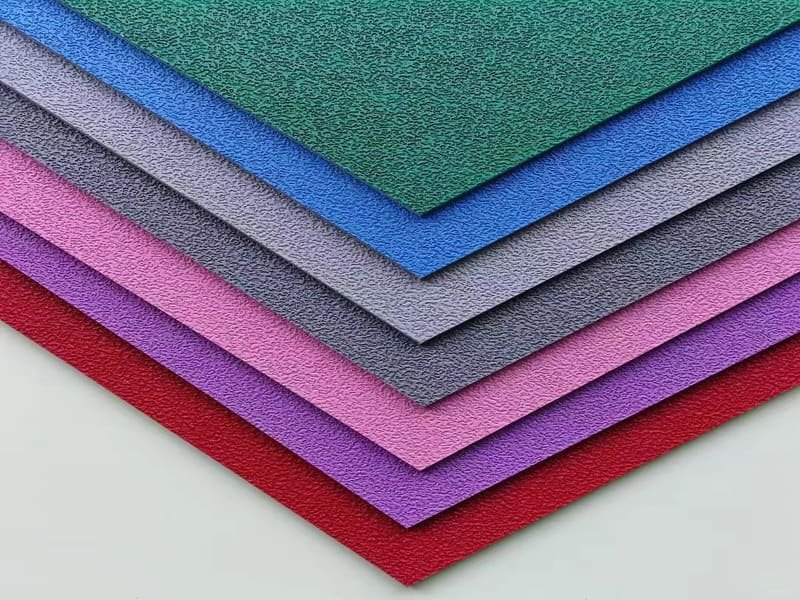
The best sports flooring for multi-purpose gymnasiums depends on your specific activity split. While maple hardwood is standard for basketball, Poured Polyurethane and Premium PVC Vinyl offer the ideal balance of athletic shock absorption and extreme indentation resistance for heavy tables, chairs, and non-sports events.
Choosing the right surface forces facility managers to solve a difficult engineering puzzle. You need a floor that provides enough vertical deformation and force reduction to protect the joints of athletes during high-impact sports. Yet, that same floor must withstand heavy rolling loads, community assemblies, and scraping chairs without getting punctures or permanent dents. As a PVC flooring R&D engineer, I see many projects fail because buyers choose a floor based only on sports performance while ignoring the physical stress of daily community use. We must look at the mechanical differences between area-elastic systems like wood and point-elastic systems like vinyl. This guide will analyze the physical parameters, costs, and lifespans of the top options to help you choose the correct material for your multi-purpose facility.
This detailed breakdown will give you the technical insights needed to make an informed investment.
Why Do You Need to Balance Athletic Performance and Non-Sports Resilience?
You must balance athletic performance and non-sports resilience because multi-purpose floors face two opposite physical forces: the need for shock absorption under light impacts and high indentation resistance under heavy static loads.
| مقياس الأداء | Sports Requirement | Non-Sports Requirement |
|---|---|---|
| Surface Behavior | High shock absorption to protect joints | High surface hardness to resist scratches |
| Load Bearing | High area elasticity for uniform ball bounce | High static load capacity for tables and chairs |
| احتياجات الصيانة | Consistent friction coefficient | High chemical resistance to food and drink spills |
When we design PVC sports flooring, we engineer specific technical properties to meet the EN 14904 standard. This European standard classifies sports floors by their shock absorption properties, known as Force Reduction (P1 to P3). For multi-purpose gyms, a pure area-elastic system like solid maple wood spreads impact over a wide area, which is great for basketball ball bounce but poor for handling heavy point loads. If you place a heavy stage or high heels on un-covered wood, the concentrated force can dent the timber or crack the finish. On the other hand, point-elastic synthetic floors like thick vinyl use a high-density foam backing underneath a tough wear layer. This design absorbs the exact point of impact locally. It provides up to 35% force reduction for safety while maintaining a rolling load capacity of over 1,500 Newtons, which protects the floor from heavy utility equipment. Daily maintenance and long-term lifespan also depend directly on these material properties. Wood requires strict HVAC controls to prevent warping from humidity changes, while synthetics stay stable in almost any environment.
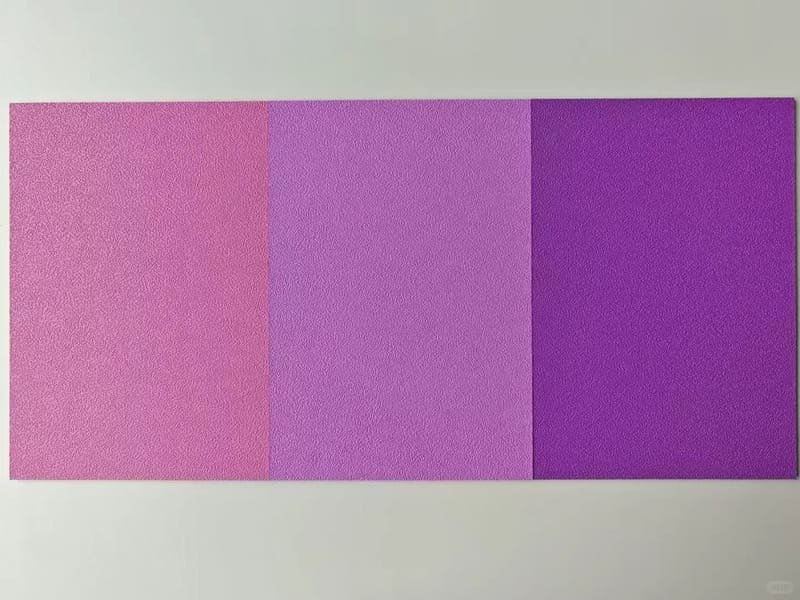
Let us look closely at the top four materials to see how they perform under real-world conditions.
Why Is Solid Maple Hardwood Considered the Traditional Classic?
Solid maple hardwood is the traditional standard for premium sports because it offers excellent natural aesthetics and a highly uniform ball bounce, though it has low natural resistance to moisture and scratches.
| الميزة | Solid Maple Hardwood Specifications |
|---|---|
| التركيب المادي | 20mm thick northern hard maple tongue-and-groove strips over subfloor |
| Sports Performance | Premium ball bounce, excellent grip, and standard shock absorption |
| Multi-Purpose Resilience | Low; easily scratched by chairs and ruined by water spills |
| العمر المتوقع | 38 to 50 years if sanded and refinished every 10 years |
I respect the history of maple hardwood courts, but they pose major risks in a true multi-purpose space. Wood is a natural polymer that absorbs moisture from the air. If your gym does not have 24/7 climate control, the planks will expand and warp during humid months. For non-sports events, you must buy expensive, heavy protective gym floor covers. Deploying these tarps requires significant labor and storage space. The upfront capital cost of wood is the highest in the industry, and you must budget for deep sanding and recoating cycles. It remains the ideal choice only if your facility focuses 80% or more on competitive basketball and volleyball.
If you want a floor that requires no covers and resists heavy water spills, you should look at seamless options.
How Does Pad and Pour Polyurethane Work as a Seamless Workhorse?
Pad and pour polyurethane works as a seamless floor by combining a prefabricated rubber base mat with a liquid polyurethane top coat, creating a tough, waterproof surface with high indentation resistance.
| الممتلكات | Polyurethane Performance Metrics |
|---|---|
| Material Structure | 4mm to 10mm recycled rubber mat sealed with poured liquid polyurethane |
| Seamless Design | 100% joint-free surface that cannot harbor water, dirt, or bacteria |
| Load Capacity | Exceptional resistance to static loads from heavy tables and stages |
| Refurishing Process | Can be recoated with a fresh top layer without tearing up the base mat |
From an engineering perspective, pad and pour polyurethane is incredibly durable. Because the surface has no seams, there are no weak points to tear when workers roll heavy bleachers across the room. If a community event leads to spilled drinks or water tracking from rainy weather, the liquid cannot penetrate the surface. The material easily resists the permanent dents caused by high heels or heavy chair legs. However, the initial installation takes a long time because each layer must cure completely, which creates a long building downtime. It is the best choice for spaces that split their schedule evenly between high-level sports and heavy community banquets.
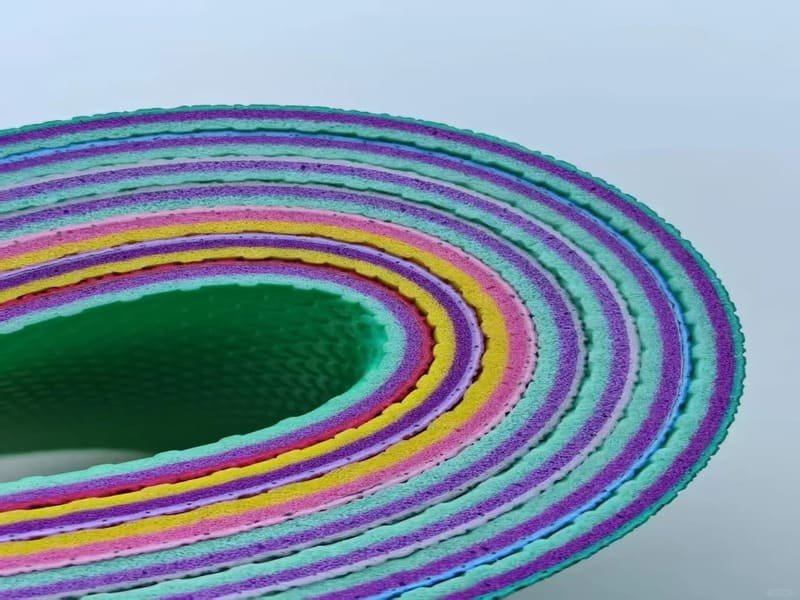
For projects that need similar performance but have a tighter budget and timeline, premium vinyl is the smart choice.
Why Is Premium Point-Elastic PVC Flooring the Smart Value Option?
Premium point-elastic PVC flooring is the smart value because it delivers excellent shock absorption, factory-applied stain resistance, and wood-grain looks at a much lower installation cost than wood or polyurethane.
| Engineering Factor | Premium PVC Vinyl Specification Details |
|---|---|
| طبقات المواد | Pure PVC wear layer, fiberglass stabilization mesh, and closed-cell foam backing |
| سُمك طبقة التآكل | 1.5mm to 2.0mm thickness with polyurethane reinforcement (PUR) |
| طريقة التثبيت | Roll goods glued to concrete with seams fused together by heat welding |
| الأداء الصوتي | Reduces impact noise by 18 to 22 decibels for a quieter gym environment |
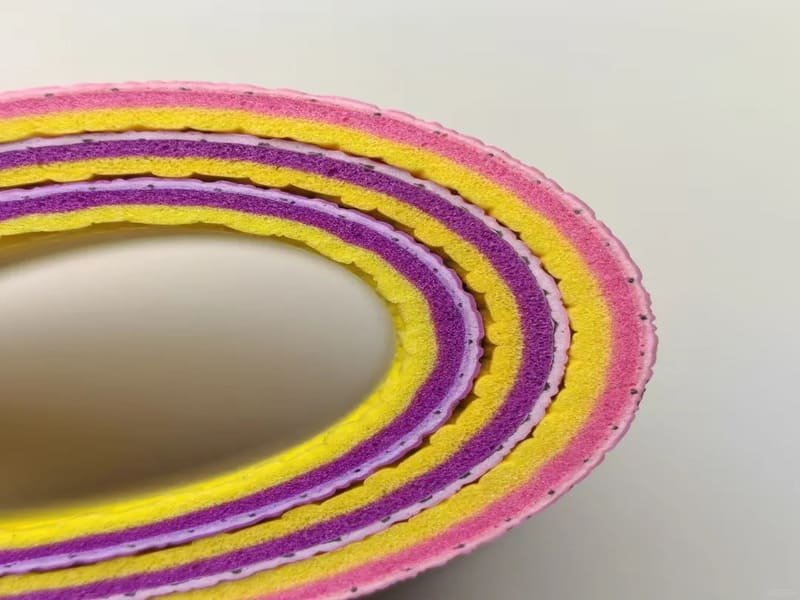
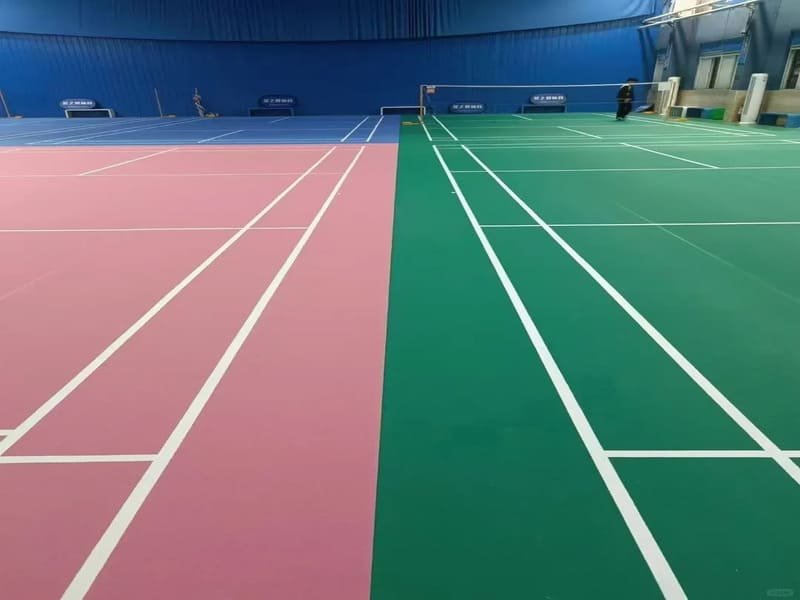
In our R&D lab, we design PVC sports flooring to solve the exact problems faced by schools and community centers. We build the floor with a glass fiber reinforcement layer to ensure total dimensional stability. This means the floor will not expand or shrink when temperature changes occur. The thick closed-cell foam backing provides excellent point-elastic shock absorption, protecting kids and athletes from injuries during falls. The top wear layer features a UV-cured polyurethane coating that resists scuffs, dirt, and stains from food or oil. This eliminates the need for waxing or stripping. The seams are heat-welded using matching vinyl rods, making the entire floor completely hygienic. While sharp metal objects can slice vinyl if handled carelessly, repairing a section is quick and affordable. It is the most practical solution for school gyms and recreation centers.
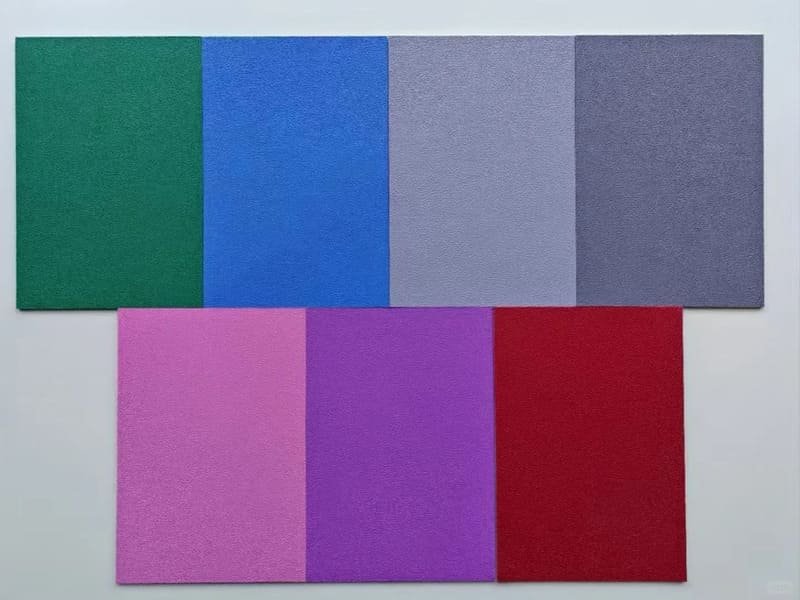
If your facility focuses more on heavy weights and industrial-level abuse, vulcanized rubber is another option.
When Should You Choose Vulcanized Rubber Flooring?
You should choose vulcanized rubber flooring when your multi-purpose space connects directly to a weight room or hosts heavy industrial exhibitions that require maximum durability and impact resistance.
| Performance Category | Vulcanized Rubber Material Data |
|---|---|
| Material Processing | 100% synthetic and natural rubber vulcanized under high heat and pressure |
| قوة الشد | Very high; will not split, crack, or tear under extreme physical stress |
| مقاومة الانزلاق | High friction coefficient in both wet and dry conditions for safety |
| Aesthetic Type | Solid or speckled industrial appearance; no realistic wood-grain options |
Vulcanized rubber is nearly indestructible. You can roll heavy equipment, drop weights, and walk on it with spiked shoes without causing damage. The chemical vulcanization process creates strong molecular bonds that prevent the material from crumbling over time. However, it has serious drawbacks for general multi-purpose gyms. The ball bounce coefficient is lower than wood or PVC, which alters the speed of basketball games. It also has an industrial look and releases a natural rubber smell during the first few months after installation. It fits best in community fieldhouses or fitness-heavy municipal facilities.
Let us compare all four materials side by side to help you see the differences clearly.
Which Material Wins the Head-to-Head Comparison?
No material wins every category, but PVC vinyl and polyurethane offer the highest combined scores for multi-purpose facilities when balancing initial cost, sports performance, and resistance to chairs.
| مواد الأرضيات | التكلفة الأولية | العمر الافتراضي | امتصاص الصدمات | مقاومة المسافة البادئة | مقاومة الماء |
|---|---|---|---|---|---|
| Solid Maple Wood | الأعلى | 40+ Years | متوسط إلى مرتفع | Low (Prone to scratches) | Low (Warps easily) |
| Poured Polyurethane | عالية | 20-30 سنة | High (Point-Elastic) | High (Excellent) | High (100% Waterproof) |
| Premium PVC Vinyl | معتدل | 15-20 سنة | High (Customizable) | متوسط إلى مرتفع | High (Moisture Resistant) |
| مطاط مبركن | معتدل | أكثر من 20 عاماً | منخفضة إلى متوسطة | Highest (Indestructible) | High (Waterproof) |
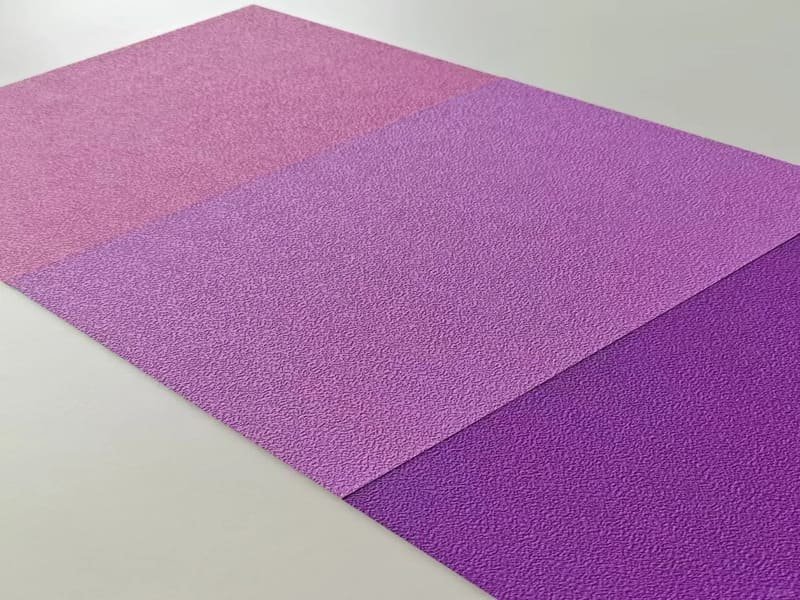
This matrix shows that choosing a floor is about understanding your trade-offs. Maple wood offers long-term value through its long lifespan, but its poor resistance to water and chair damage makes it difficult to manage without protective covers. Poured polyurethane provides incredible seamless protection and high durability, but it requires a larger upfront budget. Premium PVC sports vinyl stands out as the most balanced option. It gives you the look and sports performance of wood, the low maintenance of synthetics, and a cost that fits standard municipal or school budgets.
Beyond the initial purchase price, you must also look at the ongoing operational costs.
What Are the Hidden Maintenance and Lifecycle Costs?
The hidden maintenance and lifecycle costs include the daily labor for cleaning, the purchase price of floor covers for wood, and the expensive long-term sanding or recoating cycles.
| مهمة الصيانة | Hardwood Requirements | PVC Vinyl / Polyurethane Requirements |
|---|---|---|
| Daily Cleansing | Strict dust mopping; zero standing water allowed | Damp mopping or automatic scrubbing machine use |
| معالجة السطح | Annual screen and coat; full sanding every 10 years | Simple automatic washing; no waxing or sealing needed |
| Auxiliary Gear | Must buy and store heavy protective floor tarps | No protective covers needed for general events |
Many buyers look only at the material cost per square meter. This is a mistake. If you buy a maple hardwood floor for a multi-purpose gym, you must spend thousands of dollars on heavy vinyl floor covers. Your staff will spend hours rolling out these covers before every town meeting or school dance, then cleaning and storing them afterward. This increases your ongoing labor budget. Synthetic floors like PVC vinyl and polyurethane do not require covers for standard events. You clean them using a standard automatic scrubbing machine with a mild detergent. They do not require annual chemical coatings or deep sanding cycles. Over a 20-year period, a synthetic floor often saves more money in maintenance labor than its initial purchase price.
Use this quick checklist to guide your final decision based on your specific building conditions.
How to Choose the Right Floor for Your Specific Facility?
To choose the right floor for your facility, use this four-step checklist to match your activity split, maintenance staff capacity, HVAC stability, and 20-year budget reality.
- Step 1: Check your actual activity split. If sports make up more than 80% of your schedule, consider wood. If community events, tables, and chairs make up more than 30% of your schedule, choose polyurethane or PVC vinyl.
- Step 2: Assess your maintenance crew. Do you have a dedicated professional facility team to manage wood coatings, or do you rely on a small staff or volunteers? Synthetics are much more forgiving of basic cleaning routines.
- Step 3: Verify your building HVAC system. Does your gym have a climate control system that runs 24/7/365? If the heating and cooling systems turn off during weekends or summers, avoid hardwood to prevent severe warping.
- Step 4: Calculate your total budget over 20 years. Balance your upfront installation costs against long-term maintenance, refinishing cycles, and the need for protective accessories.
By following this engineering framework, you will avoid choosing a material that fails under your daily operational stress.
الخاتمة
The ideal multi-purpose gym floor balances athletic safety with daily utility resilience, making seamless polyurethane and premium PVC vinyl the most practical choices for modern multi-use facilities.
Direct Message Me: If you are planning the flooring for a school, community center, or commercial gym project, please feel free to send me a direct message! As a PVC sports flooring R&D engineer, I can provide you with free material samples, detailed technical specification sheets, and customized engineering consultation solutions tailored to your specific project budget and traffic patterns. I look forward to connecting with you!