


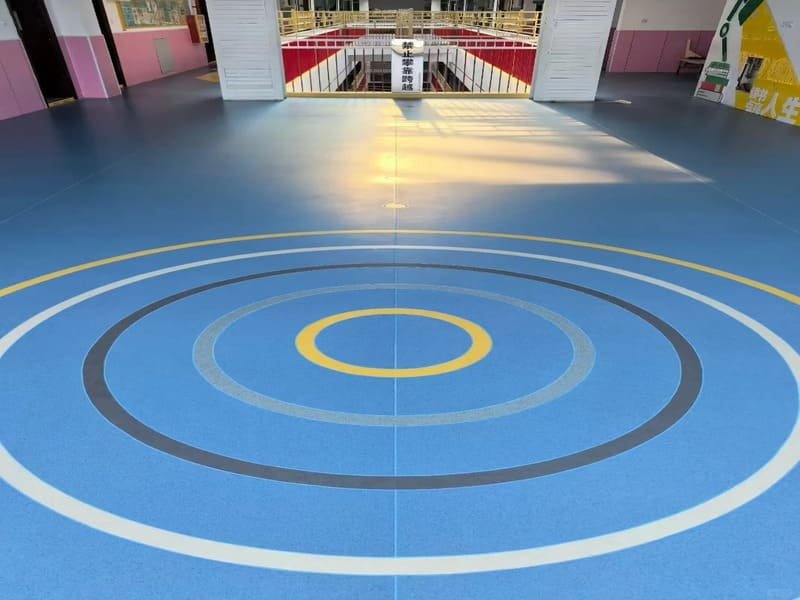
يشكل الإعداد السليم حوالي 80% من عملية تركيب أرضيات PVC الناجحة. فالأرضية التحتية الجافة والمستوية والنظيفة والمتأقلمة مع البيئة المحيطة هي الأساس الحقيقي للحصول على نتيجة سلسة ودائمة.
بعد سنوات من العمل في مجال تركيب الأرضيات، يمكنني أن أؤكد لكم أن معظم مشاكل أرضيات البلاستيك (PVC) لا تنشأ أبدًا عن المادة نفسها. بل تنشأ عما حدث — أو لم يحدث — قبل أن تلامس أول لوح الأرضية. إذا تجاهلت اختبار الرطوبة، فستواجه ظهور فقاعات أو عفن تحت السطح. وتجاهلوا الأرضية التحتية غير المستوية، فكل انخفاض أو شق سيظهر بوضوح عبر الأرضية النهائية. واستعجلوا في خطوة التكييف، وسترون فجوات أو انحناءات بعد أسابيع، بمجرد أن تستقر الغرفة على درجة الحرارة والرطوبة العاديتين. ولا تتعلق أي من هذه المشاكل بسوء الحظ، بل تتعلق بخطوات تم تجاهلها.
في هذا الدليل، سأشرح لك بالتفصيل عملية التحضير الكاملة للتركيب التي أتبعها في كل مشروع، بدءًا من فحص الأرضية التحتية واختبار الرطوبة، وصولاً إلى تأقلم الألواح وتجهيز أدواتك. إذا اتبعت قائمة المراجعة هذه، فستتجنب الأسباب الأكثر شيوعًا لفشل أرضيات PVC وستضمن الحصول على تشطيب يدوم لعقود.
هل المساحة والأرضية التحتية جاهزتان لتركيب أرضيات PVC؟
يجب أن تكون الأرضية التحتية سليمة من الناحية الهيكلية ونظيفة ومصنوعة من مادة متوافقة مثل الخرسانة أو الخشب الرقائقي أو البلاط الموجود بالفعل. لا تقم أبدًا بالتركيب مباشرةً فوق السجاد أو الأرضيات العائمة أو الخشب التالف.
قبل أن أفتح صندوق أرضيات البلاستيك (PVC) حتى، أتجول في الغرفة وأتحقق مما يوجد تحتها. يُعد الخرسانة والطبقة التسوية أكثر القواعد شيوعًا، وعادةً ما تكون مناسبة بعد أن تصلب وتُحكم إغلاقها. كما يمكن استخدام بلاط السيراميك الموجود مسبقًا شريطة أن تكون فواصل البلاط مملوءة وأن يتم إزالة الشحوم من السطح. كما أن الأرضيات التحتية المصنوعة من الخشب الرقائقي والخشب العادي مناسبة أيضًا، ولكن فقط إذا كانت كل لوح مثبتة بإحكام وخالية من أي حركة. ما أتجنبه دائمًا هو التركيب فوق السجاد، أو الأرضيات العائمة، أو الخشب الذي يظهر عليه علامات التعفن أو التلف، لأن أياً من هذه الأسطح لا يوفر قاعدة ثابتة تثبت عليها المادة اللاصقة أو نظام التثبيت بالانزلاق.
| نوع الأرضية السفلية | هل هو مناسب للبلاستيك (PVC)؟ | خطوة تحضيرية أساسية |
|---|---|---|
| الخرسانة / طبقة التسوية | نعم | معالجة السطح، وتغطيته بطبقة التمهيدي |
| البلاط الخزفي الموجود حالياً | نعم | إزالة الشحوم، وتطبيق طبقة رقيقة على فواصل البلاط |
| الخشب الرقائقي / الخشب | نعم | تثبيت الألواح، وتسوية الوصلات |
| السجاد / الأرضيات العائمة | لا يوجد | أزلها بالكامل |
| الخشب التالف | لا يوجد | الإصلاح أم الاستبدال أولاً |
بمجرد التأكد من نوع الأرضية التحتية، أنتقل إلى الفحص الهيكلي. يجب تحديد الألواح المتخلخلة والبلاط المتصدع والألواح غير المستوية وإصلاحها قبل البدء في أي خطوة أخرى. هذا الفحص المبكر يوفر الوقت لاحقًا، لأنه من الأسهل بكثير إصلاح مشكلة هيكلية الآن بدلاً من رفع الأرضية النهائية بعد التركيب.
لماذا يُعد الجفاف الركيزة الأولى في عملية تحضير الأرضية التحتية؟
تؤدي الرطوبة المحبوسة تحت الأرضيات المصنوعة من مادة PVC إلى ظهور الفقاعات ونمو العفن وتلف المادة اللاصقة. يجب أن تظل مستويات الرطوبة أقل من الحد الأقصى المحدد من قبل الشركة المصنعة، والذي عادةً ما يكون أقل من 75% من الرطوبة النسبية، قبل التركيب.
تعد الرطوبة أكبر خطر خفي على الإطلاق في أي مشروع لتركيب أرضيات PVC. لقد رأيت تركيبات كانت مثالية من جميع النواحي تفشل في غضون أشهر لأن الخرسانة الموجودة تحتها كانت لا تزال تطلق الرطوبة. لاختبار ذلك، أستخدم إما اختبار كلوريد الكالسيوم، الذي يقيس انبعاث الرطوبة على مدار 60 إلى 72 ساعة، أو اختبار مسبار الرطوبة النسبية، الذي يقيس الرطوبة في أعماق البلاطة ويميل إلى إعطاء صورة أكثر موثوقية. لإجراء فحص ميداني سريع، أقوم أحيانًا بلصق لوح بلاستيكي على الأرضية طوال الليل؛ فإذا تشكل تكاثف تحتها، فهذه علامة واضحة على أن الأرضية التحتية ليست جاهزة. وعندما تكون القراءات مرتفعة جدًّا، لا أتجاهل المهمة — بل أقوم بتطبيق حاجز بخار الرطوبة أو طبقة أولية من الإيبوكسي مصممة لاحتجاز الرطوبة، مما يتيح لنا المضي قدمًا بأمان دون الانتظار لشهور حتى يجف البلاطة بشكل طبيعي.
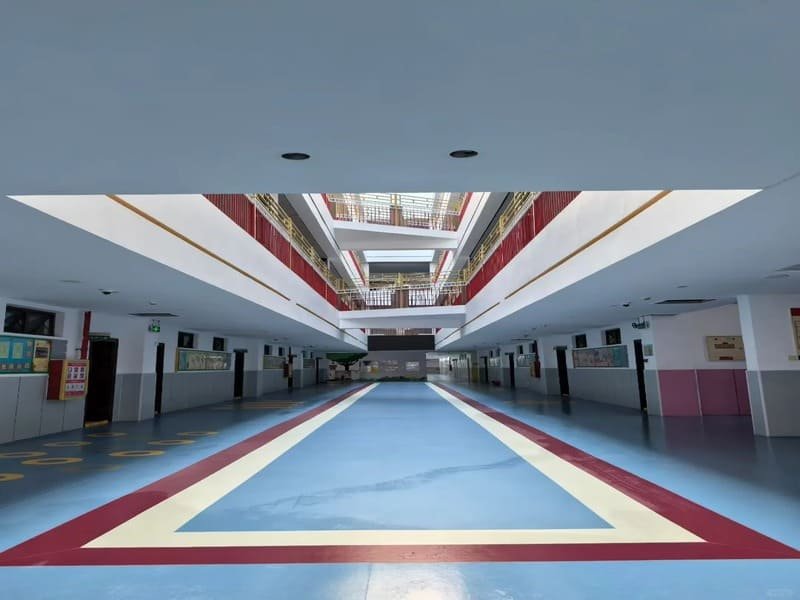
إن إتقان مرحلة التجفيف يضمن سلامة كل ما يأتي بعدها. وبمجرد السيطرة على الرطوبة، فإن الأمر التالي الذي أتحقق منه هو مدى استواء السطح ونعومته فعليًّا.
لماذا يُعد التسوية عاملاً مهمًا في تركيب أرضيات البولي فينيل كلوريد (PVC)؟
أرضيات البولي فينيل كلوريد (PVC) رقيقة ومرنة، لذا فإن أي نتوء أو تشقق أو انخفاض في الأرضية التحتية سيظهر من خلال السطح النهائي. ولا تسمح المعايير الصناعية بوجود تباين يزيد عن 3 ملم على مسافة 2 متر.
يُطلق على هذه الظاهرة اسم «التشويه»، وهي إحدى أكثر الشكاوى شيوعًا التي أسمعها من العملاء الذين حاولوا تخطي مرحلة تسوية الأرضية التحتية. ونظرًا لأن أرضيات البولي فينيل كلوريد (PVC) مرنة بطبيعتها، فإنها تتخذ شكل ما يوجد تحتها. أقوم دائمًا بفحص التسوية باستخدام مسطرة مستقيمة أو مستوى مائي على مسافة 2 متر، وإذا تجاوزت الفجوة تحت الأداة 3 مم، فإن هذا الجزء يحتاج إلى تصحيح قبل المضي قدمًا. بالنسبة للشقوق الصغيرة وخطوط الجص، يكفي استخدام مركب الترميم أو الحافة المدببة. أما بالنسبة للمناطق الأكبر والأكثر تفاوتًا، فأستخدم مركبًا ذاتي التسوية لإنشاء طبقة تسوية ناعمة ومتساوية على كامل الأرضية. أما بالنسبة للأرضيات الخشبية التحتية، فعادةً ما تحتاج النقاط المرتفعة إلى الصقل فقط بدلاً من صب مادة التسوية بالكامل.
| مشكلة التسطيح | الإصلاح الموصى به |
|---|---|
| الشقوق الصغيرة / خطوط الجص | مركب الترميم، حافة رفيعة |
| الخرسانة غير المستوية | مركب التسوية الذاتي |
| البقع البارزة على الخشب | الصنفرة |
إن تسوية السطح أمر لا غنى عنه إذا كنت ترغب في الحصول على لمسة نهائية احترافية — فهي الخطوة التي تحدد ما إذا كانت الأرضية ستبدو متجانسة أم ستكشف عن كل عيب موجود تحتها.
لماذا تعتبر النظافة أمرًا ضروريًا قبل تركيب أرضيات البولي فينيل كلوريد (PVC)؟
يؤثر الغبار والشحوم وبقايا المواد اللاصقة القديمة سلبًا على عملية الالتصاق وقد يتسبب في فشل الالتصاق قبل الأوان. لذا، يجب إجراء تنظيف شامل واستخدام مكنسة كهربائية مزودة بفلتر HEPA وممسحة رطبة قبل التركيب.
قد تبدو النظافة كأنها أبسط خطوة، لكنها الخطوة التي أرى أنها تُتجاهل في أغلب الأحيان عندما تكون الجداول الزمنية ضيقة. فالمادة اللاصقة القديمة، وبقع الطلاء، والشحوم، والشمع، كلها تتراكم بين المادة اللاصقة الجديدة والأرضية التحتية، مما يضعف الترابط بمرور الوقت حتى لو بدت الأرضية في حالة جيدة يوم التركيب. تتمثل خطواتي المعتادة في الكنس أولاً لإزالة الحطام المتناثر، ثم التنظيف بالمكنسة الكهربائية المزودة بفلتر HEPA بشكل شامل، لأن جزيئات الغبار الدقيقة هي التي تعيق فعليًّا الترابط اللاصق على المستوى المجهري. بعد ذلك، أقوم بمسح السطح بممسحة رطبة وأتركه يجف تمامًا قبل تركيب أي لوح خشبي. إن تخطي فترة التجفيف هنا يبطل مفعول جهود التحكم في الرطوبة التي بذلت في الركيزة الأولى، لذا أتعامل مع هذه الخطوة بنفس الدقة.
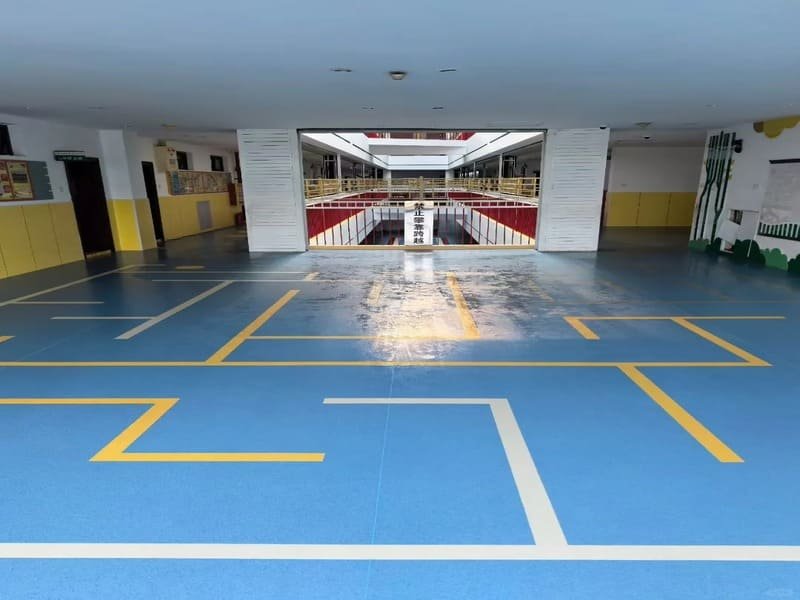
يمنح السطح النظيف نظام اللصق أو نظام التثبيت بالضغط أفضل فرصة ممكنة ليعمل بالطريقة التي صُمم من أجلها. ومن هنا، يتمثل الركن الأخير في إعطاء المادة نفسها الوقت الكافي لتستقر في الغرفة.
لماذا يعتبر التكيّف مع البيئة أمراً لا غنى عنه بالنسبة لأرضيات PVC؟
تحتاج ألواح البولي فينيل كلوريد (PVC) إلى فترة تتراوح بين 24 و48 ساعة لتتكيف مع درجة الحرارة في غرفة التركيب، مع الحفاظ على درجة الحرارة بين 18 درجة مئوية و26 درجة مئوية، وذلك لمنع حدوث تمدد أو انكماش أو ظهور فجوات بين الوصلات بعد التركيب.
تتأثر أرضيات البولي فينيل كلوريد (PVC) بالحرارة والرطوبة حتى بعد تركيبها، ولهذا السبب فإن «التأقلم» هو خطوة لا أسمح للعملاء أبدًا بتخطيها. أقوم بتخزين الألواح في وضع أفقي في الغرفة نفسها التي سيتم تركيبها فيها، وليس في الردهة أو المرآب، لمدة لا تقل عن 24 إلى 48 ساعة قبل البدء في العمل. يجب أن تتراوح درجة حرارة الغرفة بين 18 درجة مئوية و26 درجة مئوية (65 درجة فهرنهايت إلى 79 درجة فهرنهايت) خلال هذه الفترة، وأبقي نظام التدفئة والتهوية وتكييف الهواء (HVAC) قيد التشغيل المستمر قبل التركيب وأثناءه وبعده. تخطي هذه الخطوة هو أحد الأسباب الأكثر شيوعًا التي تجعلني أُستدعى مرة أخرى إلى موقع العمل بعد أشهر — حيث تتوسع الألواح أو تنكمش بعد التركيب لأنها لم تُمنح الفرصة للتكيف مع الظروف الفعلية للغرفة أولاً.
| متطلبات التأقلم | قياسي |
|---|---|
| المدة | 24–48 ساعة |
| درجة حرارة الغرفة | 18 درجة مئوية – 26 درجة مئوية (65 درجة فهرنهايت – 79 درجة فهرنهايت) |
| التدفئة والتهوية وتكييف الهواء | التشغيل المستمر |
| وضعية اللوح الخشبي | يُخزن في وضع مسطح |
بعد معالجة مسائل الجفاف والتسوية والنظافة والتأقلم، تصبح الأرضية التحتية والمواد جاهزة. وتتمثل الخطوة التالية في تكييف أسلوبك وفقًا لنوع مادة الأرضية التحتية التي تعمل عليها.
كيف يتم تجهيز أنواع الأرضيات التحتية المختلفة لتركيب أرضيات PVC؟
يحتاج الخرسانة إلى معالجة كاملة وتغليف محكم، بينما يحتاج البلاط الخزفي إلى إزالة الشحوم وتطبيق طبقة رقيقة من الجص، أما الخشب الرقائقي فيحتاج إلى ألواح مثبتة جيدًا مع وصلات مصقولة — فلكل مادة تسلسلها الخاص في مرحلة التحضير.
لكل مادة من مواد الأرضية التحتية خصائصها الفريدة، ومعاملتها جميعًا بنفس الطريقة هو خطأ شائع أراه حتى بين الفرق ذات الخبرة. يحتاج الخرسانة الجديدة إلى فترة معالجة كاملة، تتراوح عادةً بين 28 و60 يومًا، قبل أن تصبح جاهزة لتركيب الأرضيات، ويجب دائمًا عزل الخرسانة المسامية بطبقة أولية مناسبة للحد من حركة الرطوبة في المستقبل. تحتاج بلاط السيراميك الموجود إلى إزالة الشحوم وتنظيف عميق أولاً، يلي ذلك طلاء خطوط الجص بطبقة رقيقة بحيث يبدو السطح بأكمله كسطح مستوٍ واحد بدلاً من شبكة من الأخاديد الضحلة. أما بالنسبة للأرضيات التحتية المصنوعة من الخشب الرقائقي والخشب، فيجب تثبيت كل لوح غير مثبت لمنع الصرير، وغرس رؤوس البراغي بحيث لا تسبب نتوءات، وصقل الوصلات وملء الفجوات باستخدام حشو الخشب.
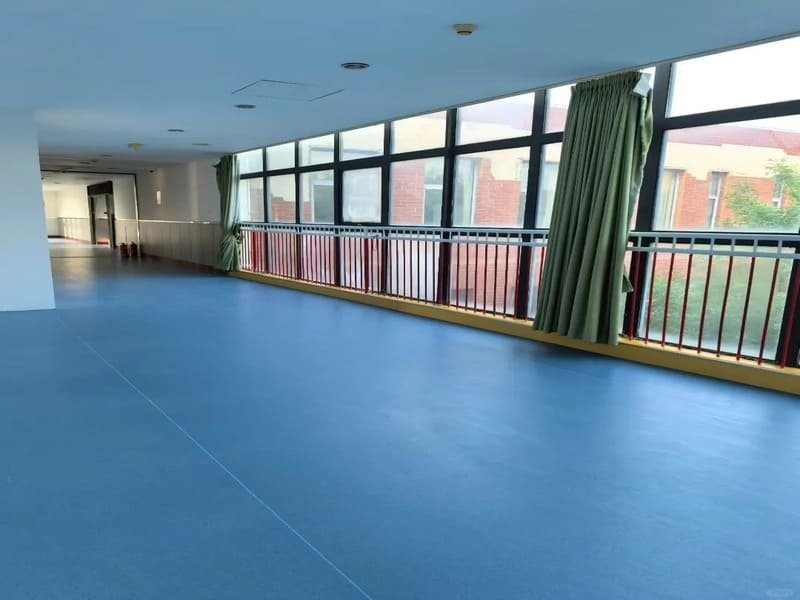
إن ملاءمة طريقة التحضير الخاصة بك مع مادة الأرضية التحتية الفعلية الموجودة أمامك هي ما يميز الأرضية التي تدوم لعقود عن تلك التي تحتاج إلى إصلاح في غضون عام واحد.
ما هي الأدوات والمواد التي تحتاجها قبل البدء في التركيب؟
تشتمل مجموعة الأدوات الكاملة على سكين متعدد الاستخدامات، ومسطرة مستقيمة، وشريط قياس، وخيط طباشير، ومجرفة مسننة، ومطرقة مطاطية، وأسطوانة أرضية سعة 50 كجم، إلى جانب الطبقة التحتية والمادة اللاصقة المناسبتين لنظام PVC الخاص بك.
إن تجهيز الأدوات المناسبة قبل يوم التركيب يوفر ساعات من التوقف عن العمل ويجنب القطع المتسرعة وغير الدقيقة. تتضمن مجموعة أدواتي القياسية سكينًا متعدد الاستخدامات بشفرات جديدة، ومسطرة مستقيمة أو مربع فولاذي، وشريط قياس، وخيط طباشير لرسم نقاط مرجعية، ومجرفة مسننة إذا كنا نقوم بتركيب باستخدام الغراء، ومطرقة مطاطية لأنظمة التثبيت بالانزلاق، وأسطوانة أرضية تزن حوالي 50 كجم (100 رطل) لضغط الألواح بقوة في المادة اللاصقة. وبالإضافة إلى الأدوات، فإن اختيار الملحقات المناسبة لا يقل أهمية: فغالبًا ما تكون الطبقة التحتية مطلوبة للأرضيات ذات نظام القفل بالضغط أو أرضيات SPC، ولكنها ليست مطلوبة دائمًا لأنظمة التثبيت بالغراء، كما يجب أن يتناسب الغراء نفسه مع طريقة التركيب، سواء كان غراءً حساسًا للضغط أو غراءً صلبًا.
إن التحقق من صحة هذه القائمة المرجعية قبل البدء يعني تقليل المقاطعات والحصول على نتيجة نهائية أنظف وأكثر اتساقًا في جميع أنحاء الغرفة.
ما الذي يجب عليك التحقق منه خلال الجولة النهائية في يوم التركيب؟
في يوم التركيب، قم بإزالة الألواح السفلية والأبواب، واترك فجوات تمدد تتراوح بين 5 و8 ملم حول الجدران، واخلط الألواح من صناديق مختلفة لتوحيد الاختلافات الطبيعية في اللون والملمس.
قبل وضع اللوح الأول، أقوم بجولة أخيرة في الغرفة. أزيل الألواح السفلية أو الحواف، إلى جانب أي أبواب أو أجهزة تعترض الطريق، وأقوم بقص إطارات الأبواب إذا تطلب ارتفاع الأرضية الجديدة ذلك. يجب ضبط فجوات التمدد حول الجدران، التي تتراوح عادةً بين 5 و8 ملم، بشكل صحيح للسماح للأرضية بالتحرك بشكل طبيعي مع تغيرات درجة الحرارة، حيث إن أرضيات PVC يمكن أن تتمدد وتتقلص قليلاً حتى بعد التكيّف مع البيئة المحيطة. كما أنني أتبع عادةً خلط الألواح من عدة صناديق مختلفة أثناء العمل، بدلاً من العمل من صندوق واحد في كل مرة، لأن ذلك يمزج الاختلافات الطبيعية في اللون والملمس في جميع أنحاء الغرفة بدلاً من خلق خطوط فاصلة واضحة بين الدفعات.
هذه الجولة النهائية هي فرصتك الأخيرة للتأكد من عدم وجود أي شيء فاتك، ولذلك لا أتخطاها أبدًا، حتى في المهام التي سارت فيها الأمور الأخرى بسلاسة.
ما هي الأسئلة الشائعة حول تجهيز الأرضيات المصنوعة من مادة PVC؟
س: هل يمكنني تركيب أرضية PVC مباشرة فوق أرضية الفينيل أو اللينوليوم القديمة؟
في كثير من الحالات، نعم، شريطة أن يكون السطح الحالي مستوياً ومتماسكاً وخالياً من التلف. ومع ذلك، فإنني أوصي بالتحقق أولاً من أن التفاوت في الاستواء لا يتجاوز 3 مم لكل 2 متر.
س: هل أحتاج إلى طبقة أساسية عند تركيب أرضيات PVC الملصقة بالمادة اللاصقة مقارنةً بأرضيات PVC ذات نظام التثبيت بالانزلاق؟
لا تحتاج أنظمة التثبيت بالغراء عادةً إلى طبقة أساسية، حيث يلتصق المادة اللاصقة مباشرةً بالأرضية التحتية. أما أنظمة التثبيت بالانزلاق وأنظمة SPC، فتحتاج عادةً إلى طبقة أساسية، وذلك لتخفيف الصوت ولتحقيق قدر بسيط من المرونة السطحية.
س: كم من الوقت يجب أن ينتظر بعد عملية التسوية أو التسوية الذاتية قبل أن أتمكن من تركيب أرضيات البولي فينيل كلوريد (PVC)؟
تحتاج معظم مركبات التسوية الذاتية إلى ما لا يقل عن 24 إلى 48 ساعة قبل التركيب، على الرغم من أن ذلك يعتمد على المنتج ومستوى الرطوبة المحيطة — لذا يجب دائمًا مراجعة ورقة بيانات الشركة المصنعة.
س: ماذا يحدث إذا لم أقم بتكييف ألواح البولي فينيل كلوريد (PVC) مع الظروف المحيطة؟
يُعد تجاهل مرحلة التكيّف أحد الأسباب الرئيسية للمشاكل التي تظهر بعد التركيب، بما في ذلك ظهور فجوات بين الألواح، أو حدوث انحناء، أو تجعد الحواف، وذلك مع تكيف الألواح مع ظروف الغرفة بعد التركيب.
الخاتمة
نظيفة، وجافة، ومستوية، ومتأقلمة مع البيئة المحيطة — إذا التزمت بهذه الشروط الأربعة، فستدوم أرضياتك المصنوعة من مادة PVC لعقود طويلة.
إذا كنت تخطط لمشروع تركيب أرضيات من مادة PVC وترغب في الحصول على رأي ثانٍ بشأن حالة الأرضية التحتية، أو اختيار المواد، أو طريقة التركيب، فلا تتردد في إرسال رسالة إليّ مباشرةً. يسعدني مساعدتك في دراسة التفاصيل بعناية قبل البدء في المشروع.