


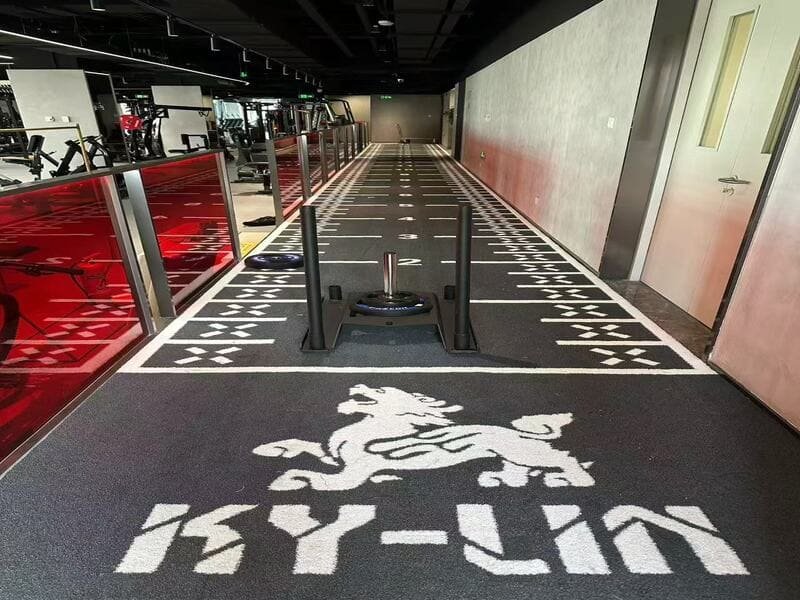
You can vacuum gym turf without damaging it if you use the right equipment and settings. Avoid high-speed beater bars that fray fibers. Instead, use a vacuum with adjustable height and strong suction to remove deep-seated chalk and dust while preserving the turf’s structural integrity.
Deep inside the manufacturing floor, I see how we build gym turf to withstand heavy sled pushes and dropped weights. However, the biggest enemy of turf isn’t a 500-pound sled; it is the accumulation of fine particles like lifting chalk, skin flakes, and outdoor grit. On day one, your turf looks vibrant and clean. By month three, those particles settle at the base of the fibers. Standard sweeping or mopping only cleans the surface. If you do not remove the deep dirt, it acts like sandpaper. Every time an athlete steps on the turf, those particles grind against the synthetic fibers. This process breaks down the blades from the bottom up. As a production manager, I know that maintaining the "tuft bind"—the strength that holds the grass blades to the backing—is vital. Vacuuming is the only way to reach the bottom of the pile, but you must do it correctly to avoid mechanical damage to the primary and secondary backing layers.
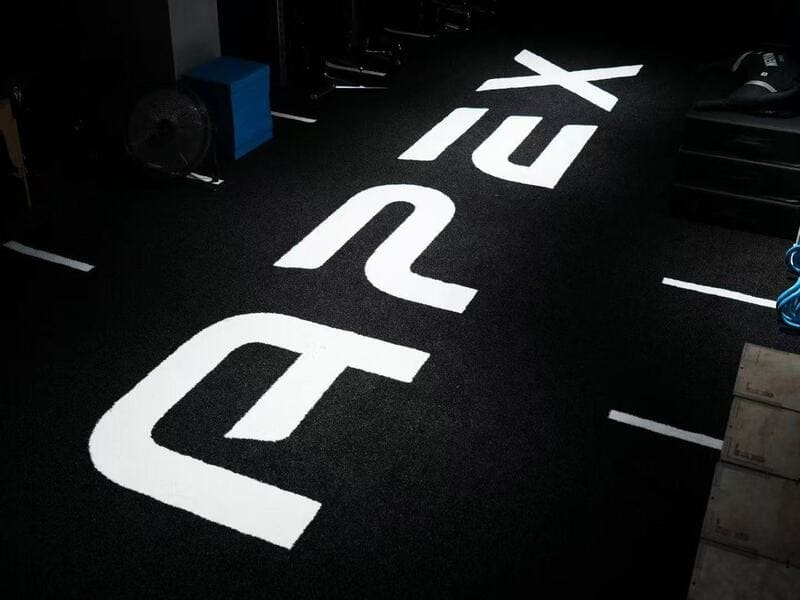
I will explain the best tools and methods to keep your turf in top shape for years.
How Does Turf Construction Affect Your Vacuum Choice?
The pile height and backing material determine how a vacuum interacts with your turf. Short-pile turf is more durable against suction, while long-pile turf requires height-adjustable vacuums to prevent the motor from pulling too hard on the individual synthetic fibers and causing premature shedding.
When we design gym turf, we use specific materials like Polyethylene or Nylon. Each has a different melting point and friction resistance. If you use a vacuum with a stiff, high-speed rotating brush, the friction generates heat. This heat can soften the plastic fibers, leading to "frizz" or matting. You also need to consider the secondary backing. A high-quality polyurethane backing holds the fibers tight, but cheap latex backings can crack if the vacuum suction is too aggressive. Understanding these technical specs helps you choose a cleaning tool that protects your investment.
| Turf Feature | Impact on Vacuuming | Production Insight |
|---|---|---|
| Высота сваи | High pile needs more clearance | Higher height settings prevent fiber pull |
| Волокнистый материал | Friction creates heat | Nylon handles heat better than Polyethylene |
| Тип подложки | Stronger backing allows higher suction | PU backing offers 25% better tuft bind |
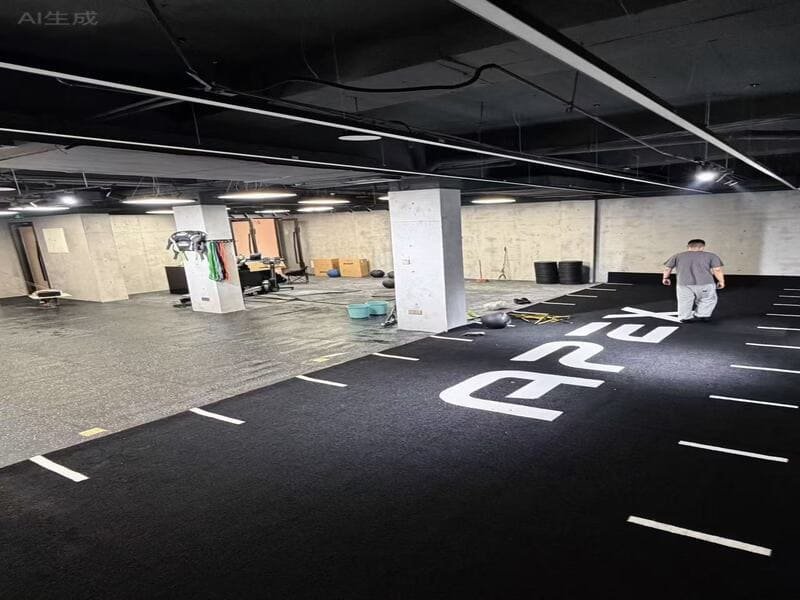
You must be careful with the tools you choose because the wrong machine will ruin the texture of the grass.
What Are the Best Vacuum Types for Gym Turf?
The best vacuum for gym turf is an industrial shop-vac or a commercial wide-area vacuum without a beater bar. These machines prioritize high airflow over mechanical scrubbing. This ensures that you lift the dirt out of the pile without scratching the protective coating of the grass blades.
The Danger of the Beater Bar
Many household vacuums use a beater bar to shake dirt out of carpets. On synthetic turf, this metal or stiff plastic bar hits the fibers thousands of times per minute. In our testing lab, we see that constant beating reduces the lifespan of the turf by causing the tips of the blades to split. If you must use a vacuum with a brush, ensure it has an "off" switch for the brush roll.
Essential Features for Gym Owners
I always tell my clients to look for three things. First, adjustable height. You need to keep the vacuum head just above the tips of the fibers. Second, suction power. Since you aren’t using a brush to "dig," the air must do all the work. Third, HEPA filtration. Gyms are high-dust environments due to chalk. Without a HEPA filter, you are just sucking up chalk and blowing it back into the lungs of your members.
| Вакуумный тип | Лучшее для | Техническое преимущество |
|---|---|---|
| Industrial Shop-Vac | Small to Medium Gyms | High CFM (Cubic Feet per Minute) airflow |
| Wide-Area Commercial | Large Facilities | Covers 30-inch paths quickly |
| Метла | Outdoor/Infill Turf | Re-aligns fibers while removing debris |
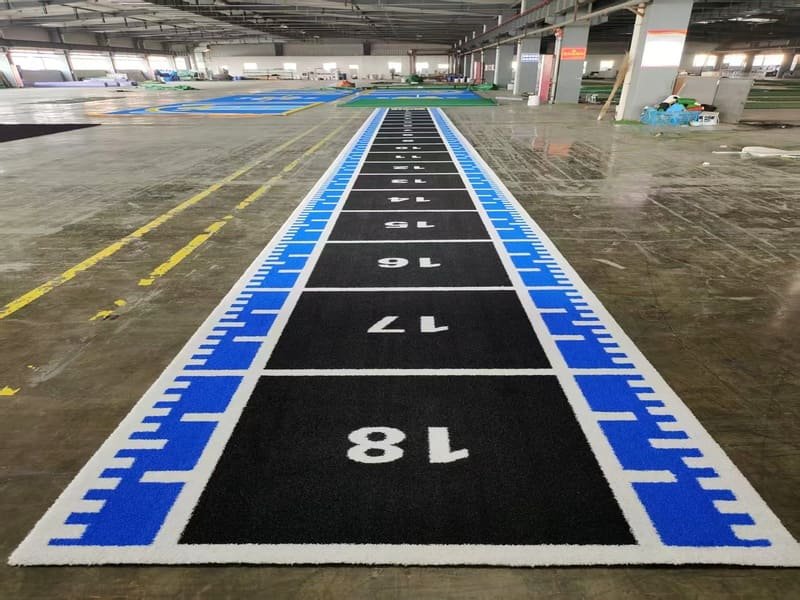
Now that you have the right tool, you need to follow a specific process to ensure no damage occurs.
How Do You Vacuum Safely Step-by-Step?
To vacuum safely, first remove large debris by hand, then set your vacuum height using the "coin test" to ensure the brush doesn’t touch the fibers. Move the vacuum against the grain of the turf to lift the pile and remove deep-seated chalk and skin cells.
The "Coin Test" Method
I developed a simple rule in our factory: the Coin Test. Place a coin on top of your turf blades. Your vacuum head should be high enough that it doesn’t knock the coin over but low enough to feel the suction pulling at the air around it. This protects the "tuft bind" which is the force required to pull a fiber out of the backing. Most of our commercial turf has a tuft bind of over 8 pounds, but why test its limits?
Directional Cleaning
Always vacuum "against the grain." In production, the fibers are tufted with a slight lean. If you vacuum in the direction the grass is leaning, you flatten the pile. If you go against it, you stand the fibers up. This makes the gym look brand new and allows the vacuum to reach the very bottom of the backing where the heaviest dirt hides.
Specific Technical Steps:
- Pre-Check: Pick up loose weights, hair ties, and large trash that could clog the machine.
- Height Calibration: Adjust the wheels until the vacuum glides without resistance.
- Spot Treatment: If there is a sweat or protein shake spill, clean it with a wet rag first. Never vacuum wet turf with a dry vac.
- Uniform Strokes: Use slow, overlapping passes to ensure 100% dust removal.
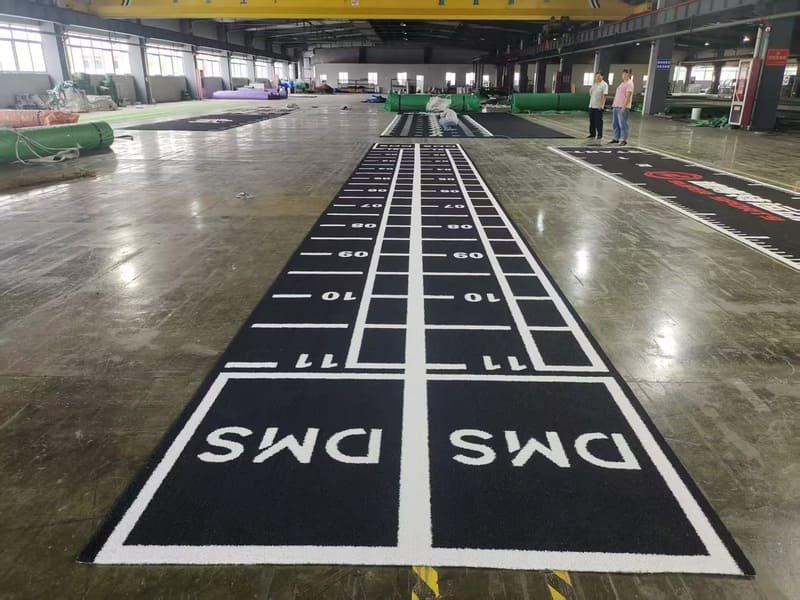
Following these steps will prevent the most common errors that lead to expensive repairs.
What Are the Mistakes That Will Destroy Your Turf?
The most common mistakes include using a vacuum with sharp or broken baseplates, staying in one spot for too long which causes heat friction, and vacuuming wet turf. These actions lead to torn backings, melted fibers, and mold growth within the turf layers.
Heat Friction Damage
I once saw a gym owner leave a running vacuum sitting on the turf while he moved a bench. The heat from the motor and the spinning brush roll melted a circle right into the polyethylene grass. Synthetic turf is plastic. Plastic melts. Never let a running vacuum stay stationary on the turf for more than a few seconds.
The Problem with Wet Vacuuming
Unless you are using a dedicated Wet/Dry Shop-Vac, never vacuum damp turf. Moisture causes the dust and chalk to turn into a "mud" that clogs the vacuum filters. More importantly, if you don’t get all the moisture out, the moisture stays trapped between the turf backing and the floor. This leads to a bad smell and can ruin the adhesive used to install the turf.
| Распространенная ошибка | Результирующий ущерб | Профилактика |
|---|---|---|
| Sharp Baseplate | Tearing of the backing | Inspect equipment weekly |
| High-Heat Brushes | Frizzing/Melting of blades | Use suction-only settings |
| Vacuuming Wet Turf | Mold and Clogging | Use steam cleaners for deep stains |
If the vacuum isn’t enough to get the job done, you may need to look at other professional methods.
Заключение
Vacuuming gym turf is safe and necessary if you use suction-only tools, set the correct height, and avoid heat-generating brushes to protect the fibers and backing.
Looking for more professional advice on gym flooring maintenance or high-quality turf for your next project? Message me directly for a custom consultation!