


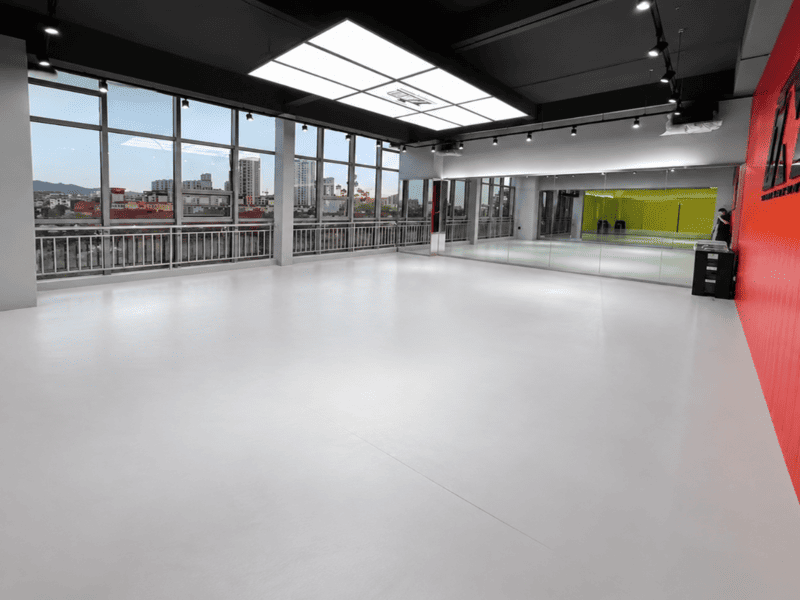
Define color variation in the contract before production starts. Agree on a signed reference sample, a measurement method with a product-specific tolerance, lot control rules, pre-shipment shade approval, and clear remedies. On its own, a phrase like "match the sample" gives no measurement or acceptance rule, so disputes are hard to settle.
Picture a commercial project close to handover. The LVT looked fine in the warehouse. Then the site lights come on, and the corridor shows a clear checkerboard pattern. The supplier says the goods match the sample. The installer blames the material. The client says nobody warned them about shade differences. Each side has a point, and the contract has no clause to decide who is right.
Color variation exists in PVC flooring production because raw materials, pigments, printing, and processing conditions can shift from run to run, and the exact factors differ by manufacturing process and product type. Zero variance is not realistic, so a contract should define how much variation is acceptable and how to measure it. A clause like "goods must match sample" used alone has no method, no light source, and no agreed range, so it can be hard to enforce in arbitration. In this article I share the sample protocols, measurement rules, inspection rights, and clause templates I use as a PVC flooring project manager.
What Color Differences Should a Buyer Accept and Reject in PVC Flooring?
Minor shade and gloss differences may occur between and inside production lots, but acceptance depends on the requirements agreed in the contract. Variation is not automatically a defect. It becomes a non-conformity when it goes beyond the agreed limit.
Not every color issue has the same cause, so the contract should not treat them all the same way. Installation guides from LVT makers note that slight color or gloss differences can appear inside one lot and between lots. That is why the contract must say what "acceptable" means. A vague promise of "no visible difference" invites a fight.
Three Types of Color Issues
| Выпуск | Что это такое | How to Handle It in the Contract |
|---|---|---|
| Batch-to-batch variation | Shade or gloss shifts between production runs | Expected. Reduce it with lot control rules. |
| Within-lot or within-roll variation | Side-to-side or end-to-end drift inside one lot | Minor variation can occur. Define the limit and the point where it becomes a non-conformity. |
| Метамеризм | Colors match under one light but differ under another | Name the light sources used for evaluation. |
Which Standards Help
Different standards do different jobs, so I do not stack them in one clause. ASTM D2244 covers how to calculate color differences from instrument readings. ASTM E1164 covers instrument measurement requirements. For product requirements, pick the standard that fits your product type. ISO 10581 covers homogeneous PVC flooring. ISO 10582 covers certain heterogeneous PVC flooring within its scope. ASTM F1700 covers certain solid vinyl flooring, including sheet and plank forms, within its scope. None of these gives a universal color limit for purchase contracts. Treat the numeric tolerance as a project value, and confirm the current edition of each standard before you cite it.
How Do I Lock In the Color Baseline Before Production Starts?
Use a signed reference sample set that both sides keep. For projects that need a defined shade range, add low, target, and high limit samples. Name the viewing conditions in the contract, and store the samples with care.
A single small swatch shows one color and no range. For projects where shade range matters, I ask for limit samples. Not every order needs three levels, but a large commercial order usually benefits from them.
Reference Sample Rules
| Артикул | Что указать |
|---|---|
| Limit samples | Low, target, and high shade, where a defined range is needed |
| Sets | Identical sets for Buyer, Supplier, and the testing lab if one is named |
| Signing | Both parties sign, date, and seal each set |
| Primary light | D65 daylight in a standard light booth |
| Secondary light | A fluorescent source such as TL84 in the same booth |
| Project light | A representative source, if appearance under site LED lighting is critical |
Viewing Light and Sample Care
D65 and TL84 are common reference sources, but they are not a perfect stand-in for every LED fixture. LED lamps with similar color temperature can have different spectral output, and colors can look different under each. If the final look under site LED lighting matters, add an evaluation under the project lighting or a representative source.
Samples can change if they sit in sun, heat, or dirt. Store approved samples in a dark, controlled place. If you suspect a sample has changed, do not swap it alone. Both sides should jointly approve and document any replacement, so it is always clear which sample has contract force.
How Can a Contract Stop Dye Lots From Mixing?
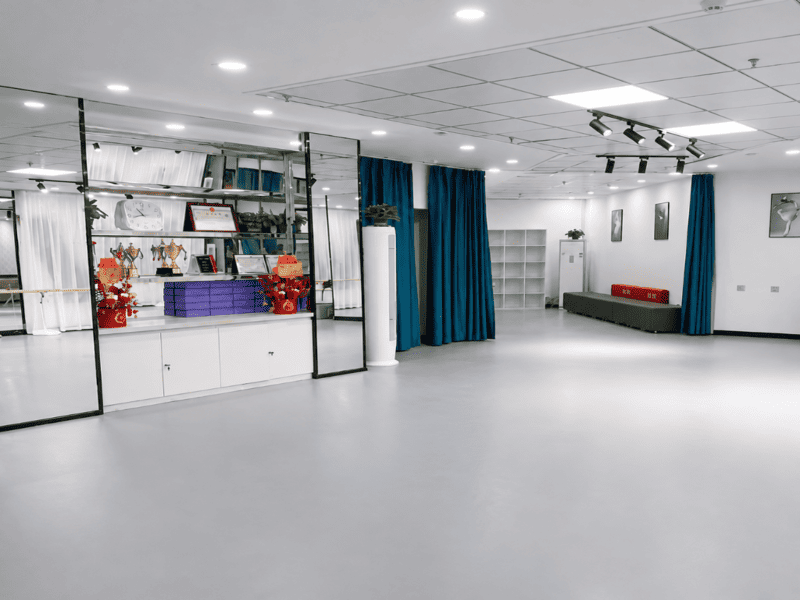
Require the order, or each defined installation zone, to come from one production lot where possible. Ban unapproved lot splits. Require lot numbers and shade codes on each carton or roll package. If one lot is not possible, require a split plan, matching samples, and traceability by zone.
Many checkerboard problems come from lot mixing. A supplier runs short on one lot, fills the gap from another, and ships everything together.
Lot Control Requirements
| Требование | Contract Detail |
|---|---|
| Single-lot target | One lot for the order, or for each building, floor, or zone |
| Split approval | No split across lots without written buyer approval |
| Fallback for large orders | Supplier names the proposed split, sends shade-matching samples for approval, and keeps traceability for each agreed zone |
| Labeling | Indelible lot number, roll or carton sequence number, and shade code on each carton or roll package |
| Упаковочный лист | Same lot and shade data, so each package traces back to its lot |
Attic Stock and Cutting Waste
Repairs happen years after installation. Replacement material ordered later may come from a new lot and may not match. Retaining extra material from the original lot reduces the risk of shade mismatch during future repairs, although it cannot guarantee a perfect match after years of use, since installed flooring can wear or change color over time. A figure of about 3% to 5% is a common negotiating example, not an industry rule. Set the number from the actual installed area, the smallest package unit, and the expected future repairs. Keep attic stock separate from installation cutting waste. Cutting waste gets used during the job, and attic stock is meant for future repairs. If you mix the two in one number, the repair stock may disappear.
How Should Color Difference Be Measured and Accepted?
Measure color with a spectrophotometer using CIEDE2000 (ΔE00) where instrument checks fit the product. Set the tolerance by product, from approved samples and testing. For printed or textured floors, add visual comparison against approved reference panels. Write the sampling plan and decision rule into the contract.
A number only helps if both sides get the same reading from the same floor. Two labs with different settings can report different values for one tile. Wood-grain and stone-look LVT make this harder, because the pattern itself changes color from place to place.
What the Contract Should Fix
| Состояние | Почему это важно |
|---|---|
| Instrument type and calibration | Reduces differences between devices |
| Illuminant and observer | Sets the same color calculation for both sides |
| Measurement geometry | Controls the effect of gloss and surface texture |
| Measuring positions, count, and sample size | Stops each side from choosing the spots that suit them |
| Decision rule | States which results count as a pass or a fail |
Solid Colors and Printed Designs
For solid colors, instrument readings work well. Pick a ΔE00 value from approved samples and test data for that product. Do not copy a number from another project. For printed or textured designs, comparing two random tiles with a ΔE limit is not meaningful. Use an agreed sampling plan, and combine it with visual checks against the approved reference panels. In my experience, projects that skip this step end up arguing about which tile to measure.
What Inspection Rights Should a Buyer Demand Before Payment and After Delivery?
Ask for pre-shipment inspection by the buyer or a third party such as SGS, Intertek, or Bureau Veritas. Require representative samples from finished bulk production for written shade release, with a set reply time and a clear rule for late replies. Add an on-site inspection window and a clear process for latent defects.
Inspection rights work best while the balance payment is still open. They also protect both sides, because a clear process gives the supplier a fixed time to get approval.
Pre-Shipment and On-Site Checks
| Этап | Right to Include | Почему это важно |
|---|---|---|
| Before shipment | Factory inspection by Buyer or agency before balance payment | You can stop a bad shipment early |
| Before loading | Representative samples from finished bulk production under an agreed sampling plan, with a written release | Samples show real production color |
| Buyer reply time | A fixed number of working days to approve or reject, with a defined process if Buyer does not reply | The supplier is not left waiting indefinitely, and silence is not treated as approval |
| On delivery | An inspection window, for example 7 to 14 days as a negotiated figure | You can check labels, lots, and shade before installation |
| Before full install | Dry-lay of a sample area under site lighting | Large layouts show shading that small swatches hide |
Installed Goods and Latent Defects
Many supply terms say installation means acceptance. This is a big risk for buyers. Some appearance differences only show after installation, after the first cleaning, or under the finished project’s lighting. So write an exception for latent defects: pre-shipment shade approval should not waive claims for a latent non-conformity that could not reasonably have been detected during the agreed inspection. Then add a procedure: the buyer sends notice within a set number of days, stops installation in the affected zone, keeps the evidence, and allows a re-inspection.
What Remedies Should a Contract Give for Color Mismatch?
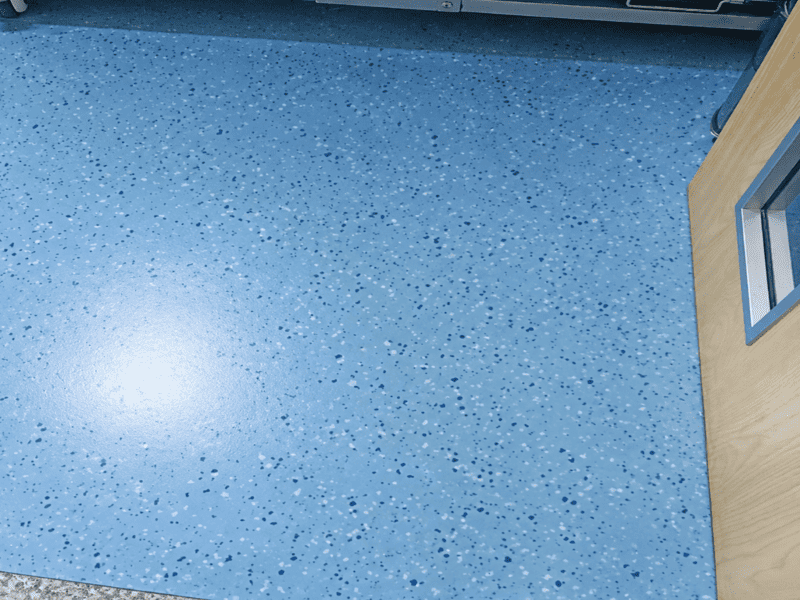
Base remedies on the buyer’s written choice. The buyer may accept non-conforming goods for a discount or reject them for replacement. For a confirmed latent defect, allow agreed corrective action and documented costs, with a cap. Keep the lab’s technical result separate from the legal dispute process.
One remedy for every case does not fit. A small shift in a storage room is not the same as a visible mismatch in a lobby.
Remedy Levels
| Уровень | Ситуация | Remedy |
|---|---|---|
| Accepted non-conformity | Goods fail the agreed color requirements, but Buyer agrees in writing to accept them | Negotiated discount or other agreed concession |
| Rejected non-conformity | Goods fail the agreed requirements and Buyer rejects them | Replacement or another remedy specified in the contract, with cost allocation as specified in the contract |
| Confirmed latent non-conformity | A supplier-attributable defect could not reasonably have been identified before installation | Agreed corrective action and documented recoverable costs |
Labor Costs and Independent Testing
Standard warranties often cover only the material. The buyer is left with demolition, floor prep, adhesive, and re-installation labor, and these bills can be large. A labor clause fixes this. But finding a mismatch during installation does not automatically make the supplier liable. The non-conformity must break the contract requirements and be attributable to the supplied material, not to wrong installation direction, mixed lots, or other site causes. The clause should list which costs are covered, how they are proven, and the maximum amount.
Who pays for return freight and duties depends on the delivery terms, the country, and whether the goods can really be returned. Write those points into the contract instead of assuming them.
Name an independent lab to decide one question: do the sampled goods meet the color tolerance? That is a technical answer. It does not decide liability, remedy amounts, or costs. Handle those under the contract’s dispute process.

Which Contract Clauses Can I Copy and Use for PVC Flooring Color Control?
Four clauses cover most of the risk: reference samples with a tolerance and priority rule, lot control with traceability, pre-shipment shade approval with a reply time, and remedies with labor cost allocation. Change the bracketed values for your product and have a lawyer review the final text.
I am a project manager, not a lawyer. Treat these as drafting starting points. All bracketed values are examples that you must set for your own project, and these templates are a negotiation reference, not a guarantee of the same legal effect in every jurisdiction.
What Each Clause Does
| Clause | Назначение |
|---|---|
| 1. Reference Samples & Color Tolerance | Sets the baseline, the method, and which rule wins in a conflict |
| 2. Lot Control & Traceability | Limits lot mixing and enables tracking |
| 3. Pre-Shipment Shade Approval | Links shipment to written shade release |
| 4. Remedies & Labor Cost Allocation | Decides who pays when color is wrong |
Clause 1: Reference Samples and Color Tolerance
Before production, Supplier will provide [two/three] sets of reference samples for each color and pattern [including low, target, and high limit samples where a shade range is required]. Buyer and Supplier will sign, date, and seal each set. Color will be evaluated under [D65] and [TL84] in a standard light booth [and under the project lighting where agreed]. For [solid colors], color difference will be measured with a spectrophotometer according to [ASTM D2244 and ASTM E1164], using the instrument settings, measuring positions, sample count, and decision rule in Schedule [X]. The tolerance is ΔE00 [value agreed for this product]. For printed or textured designs, acceptance will be decided by visual comparison against the approved reference samples under the same light, and instrument readings will be used only as stated in Schedule [X]. If the physical samples and the instrument result conflict, [the physical reference samples / the Schedule X measurement procedure] will prevail.
Note: Schedule X should define the measurement conditions, sampling locations and quantities, acceptance criteria, visual inspection procedure where applicable, and how disputed results will be rechecked. Without this schedule, the color tolerance clause is incomplete.
Clause 2: Lot Control and Traceability
Supplier will manufacture the quantity of [Product/Color] for each [Project Zone] from a single production lot where reasonably possible. Supplier will not split any zone across lots without Buyer’s prior written approval. If a single lot is not feasible, Supplier will state the proposed split, submit shade-matching samples for approval, and keep traceability for each agreed installation zone. Each carton or roll package and each packing list will show the lot number, sequence number, shade code, and production date, so that every package can be traced to its lot. Supplier will supply [__]% of the same lot as attic stock for future repairs, separate from installation waste allowance.
Clause 3: Pre-Shipment Shade Approval and Sampling
Before shipment, Supplier will submit representative samples taken from finished bulk production in accordance with the sampling plan in Schedule [X], with an inspection report containing instrument measurements where applicable and documented visual assessment results under Schedule [X]. For sheet flooring, samples may include material from the beginning, middle, and end of selected rolls. For tiles or planks, samples should represent the approved production lots and relevant pattern variations. Buyer will approve or reject the samples in writing within [__] working days of receipt. If Buyer does not respond within that period, Supplier will send a written reminder, and the parties will follow the agreed escalation procedure. Supplier will not ship or dispatch the affected goods without written shade approval, unless otherwise expressly agreed. Pre-shipment shade approval does not waive claims for latent non-conformities that could not reasonably have been detected during the agreed inspection. Buyer or its appointed agency may inspect the goods at the factory before balance payment.
Clause 4: Remedies for Shade Mismatch and Labor Cost Allocation
If goods fail the agreed color requirements, Buyer may (a) agree in writing to accept them at a []% discount or other agreed concession, or (b) reject them. For rejected goods, Supplier will provide replacement or another remedy specified in this contract within [] days, with freight, duties, and storage allocated as follows: [per the delivery terms and this clause]. If a color non-conformity is discovered during installation, Buyer will notify Supplier promptly, stop work in the affected area, and preserve relevant evidence. Where the non-conformity is confirmed to be attributable to Supplier and could not reasonably have been detected during the agreed inspection, Supplier will bear the reasonable, documented corrective labor costs expressly covered by this contract, subject to the agreed liability cap of [cap]. [Testing Lab] may determine whether the sampled goods meet the specified color tolerance. Disputes over liability, remedies, and costs will be resolved under [dispute resolution clause].
What Procurement Mistakes Cause Color Disputes?
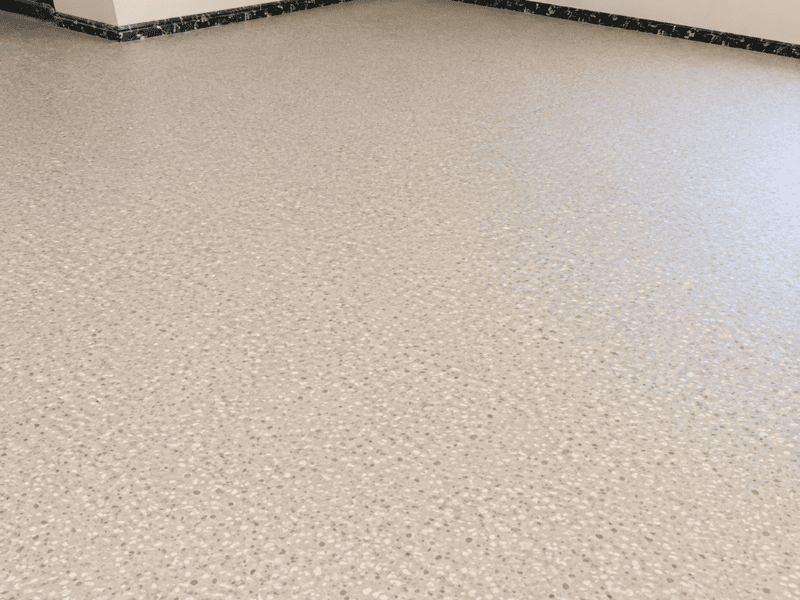
Five common mistakes are approving color from digital renders, not separating lots by zone, ignoring the manufacturer’s installation direction rules, waiving pre-shipment inspection to save time, and accepting vague warranty language.
Five Traps to Avoid
| Ловушка | Почему это больно | Исправить |
|---|---|---|
| Approving color from PDF or digital renders | Screens show different colors than real vinyl | Approve only physical samples |
| No lot separation by floor or building | Lots get mixed across zones | Require lot control by defined zone |
| Ignoring installation direction rules | Embossing and print reflect light differently, which can look like shade variation | Follow the manufacturer’s specified installation direction and layout instructions |
| Waiving PSI to save time | You lose a key chance to stop a bad shipment | Keep PSI rights, even with a short schedule |
| Vague warranty language | The supplier can limit the claim to material only | Define covered costs in writing |
Pre-Signing Contract Audit Checklist
Before you sign your next PVC flooring PO or supply agreement, check these seven points:
- Does the contract name a physical reference sample set, signed by both sides?
- Does it set a measurement method, a product-specific tolerance, and a rule for conflicts between samples and readings?
- Does it name the viewing light sources, and the project lighting if it matters?
- Does it control lots by zone, with a fallback plan and lot numbers on each package?
- Does it include pre-shipment inspection and written shade release with a reply time and a rule for late replies?
- Does it give an inspection window and a clear process for latent defects?
- Does it cover labor costs, a cap, and an independent lab for color measurement?
Заключение
Color variation cannot be removed, but a good contract can control it. Define it, measure it, control the lots, and write the remedies before you sign.
Об авторе: I am a project manager in custom and bulk PVC flooring manufacturing. I work with buyers, designers, and installers on color control, lot management, and design optimization for commercial and industrial projects.
Need help with your next PVC flooring contract or color spec? Send me a direct message (DM). Tell me your product type, project size, and the color issues you worry about. I will share practical advice on sample protocols and clause wording.