


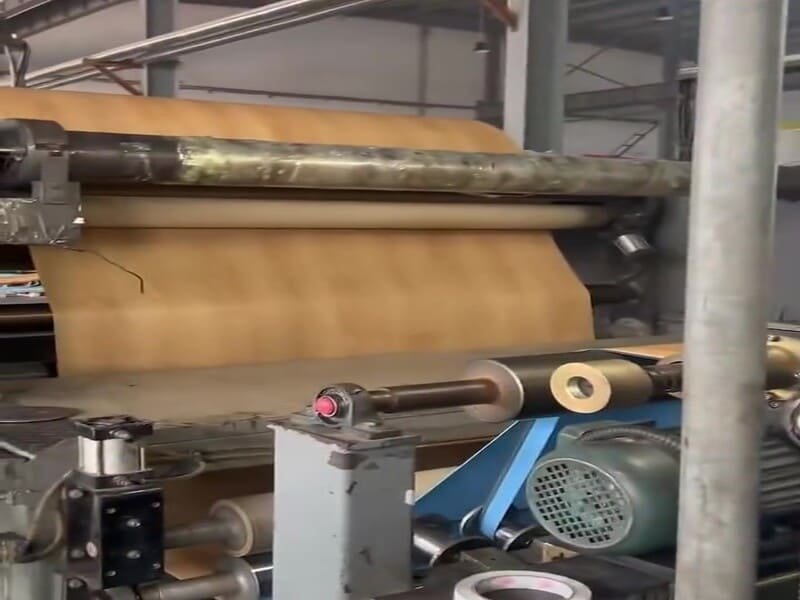
Чтобы найти надежного поставщика виниловых напольных покрытий для коммерческих помещений, не следует ориентироваться исключительно на низкие цены, а необходимо убедиться в том, что компания является владельцем собственного завода, имеет соответствующие технические сертификаты и проводит лабораторные испытания. Надежный партнер должен иметь подтвержденную систему контроля качества по стандарту ISO 9001, соблюдать международные нормы безопасности зданий и гарантировать стабильную толщину износостойкого слоя, рассчитанного на интенсивную эксплуатацию в коммерческих помещениях.
Я вижу, что многие покупатели выбирают поставщиков, ориентируясь исключительно на низкую цену, но это часто приводит к серьёзным проблемам. Как инженер-разработчик, который ежедневно занимается созданием коммерческих виниловых напольных покрытий, я знаю, что низкая цена обычно означает скрытые недостатки. Даже незначительное снижение качества материала может привести к тому, что пол начнёт деформироваться или износится за считанные месяцы, а не годы. Когда проект останавливается из-за неисправности напольного покрытия, затраты, связанные с простоями, намного превышают небольшую экономию при первоначальной покупке. Настоящая надёжность означает, что ваш поставщик может поставить тысячи квадратных метров материала, причём каждый кусок будет точно соответствовать техническим характеристикам исходного образца. В этом руководстве рассказывается, как проверить эти технические детали, чтобы вы могли защитить свои инвестиции и избежать дорогостоящих задержек.
Давайте разберемся, что на самом деле означает «надежность» при выборе напольных покрытий для крупных коммерческих проектов.
Что на самом деле означает «надежность» в сфере напольных покрытий для B2B-рынка?
Надежные напольные покрытия для сегмента B2B — это когда завод обеспечивает полную стабильность качества при массовом производстве, поддерживает значительные запасы сырья для предотвращения задержек с поставками и располагает подтвержденными сертификатами испытаний, соответствующими местным строительным нормам. Это гарантирует, что каждая партия продукции будет безопасно эксплуатироваться в условиях интенсивного коммерческого трафика.
Определение истинной стабильности производственного процесса
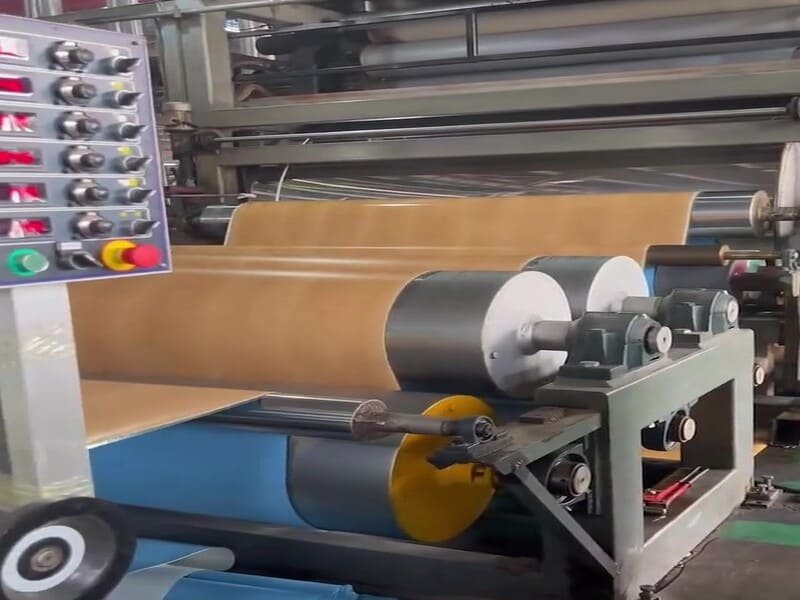
При закупке виниловых напольных покрытий для большого здания даже незначительные изменения в процессе производства могут привести к серьезным проблемам при укладке. В моей лаборатории мы проводим испытания образцов, отобранных в начале, середине и конце каждой производственной партии, чтобы обеспечить неизменное качество продукции.
Почему эффективность цепочки поставок имеет такое большое значение
- Однородность массы: 10 000-й квадратный метр должен иметь точно такой же оттенок, общую толщину и профиль замка «click lock», что и первый квадратный метр, чтобы избежать появления зазоров при укладке.
- Материал основы: Надежные поставщики поддерживают значительные запасы ПВХ-смолы и стабилизаторов, чтобы обеспечить стабильное производство даже в условиях дефицита на мировом рынке.
- Соблюдение норм: Надежный партнер предоставляет официальные протоколы испытаний на пожарную безопасность, защиту от задымления и защиту от скольжения, соответствующие требованиям вашего региона.
| Показатель надежности | Минимальные требования производителя | Влияние на коммерческий проект |
|---|---|---|
| Отклонения в партиях по цвету | $\Delta E^* \le 0,5$ (лабораторная цветовая шкала) | На больших открытых участках не наблюдается видимых цветовых пятен |
| Запасы сырья | 30-дневный производственный запас | Защищает покупателей от непредвиденных задержек в сроках поставки |
| Допуск по толщине | В пределах $\pm 0,1\text{мм}$ | Предотвращает появление неровных краев и преждевременное разрушение соединения |
Ознакомьтесь со следующим разделом, чтобы узнать об основных физических характеристиках самого материала.
Как проверить качество продукции с помощью основных технических показателей?
Проверить качество можно, убедившись, что толщина износостойкого слоя составляет 0,55 мм или более, проверив сбалансированность состава материалов основы и убедившись в использовании современных поверхностных покрытий, отверждаемых под воздействием УФ-излучения, с добавками, обеспечивающими устойчивость к царапинам, такими как керамические шарики.
Оценка износостойкого слоя и структурного сердечника
В коммерческих помещениях, таких как больницы, розничные магазины и офисы, наблюдаются высокие нагрузки от колес и постоянный пешеходный трафик. Пол, предназначенный для жилых помещений, в таких условиях выйдет из строя уже через несколько недель, поэтому необходимо обратить внимание на ключевые показатели в техническом паспорте.
Понимание материалов
- Износостойкий слой: Для коммерческих проектов требуется износостойкий слой толщиной не менее $0.55\text{мм}$ (20 мил), чтобы защитить слой с напечатанным рисунком от глубоких царапин и потертостей.
- SPC Stone Core Balance: При производстве каменно-пластиковых композитов соотношение известняковой пудры и пластика должно быть идеальным. Если на заводе в целях экономии используют слишком много известняка, доски становятся хрупкими и легко растрескиваются.
- LVT «Virgin Vinyl Choice»: При выборе виниловой плитки класса «люкс» следует обратить внимание на материал из первичного винила марки 100%, поскольку винил из вторичного сырья часто содержит примеси, которые приводят к деформации пола и появлению неприятных запахов.
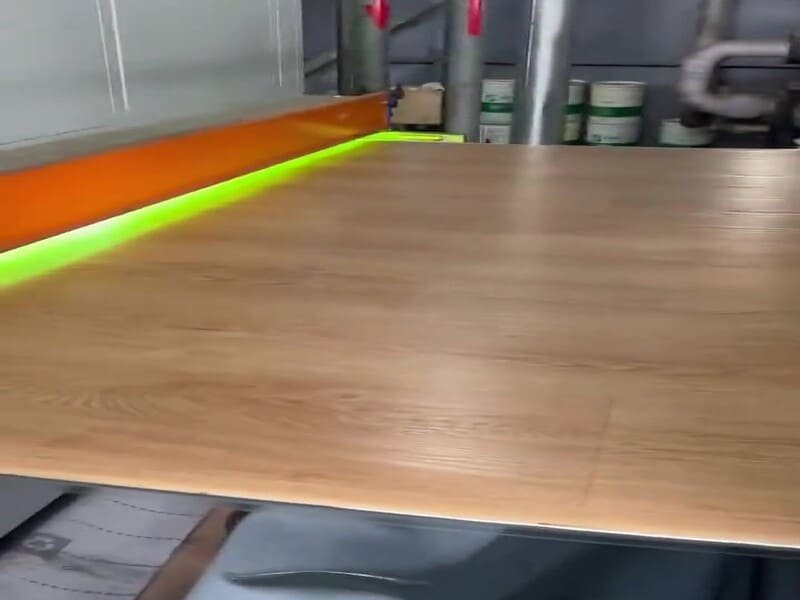
- Современные покрытия для поверхностей: В напольном покрытии высокого качества используется верхний слой из полиуретана, отвердевающий под воздействием ультрафиолетового излучения, в состав которого входят керамические шарики, предотвращающие появление микроцарапин от тяжелых предметов.
| Параметр материала | Технические условия для коммерческого использования | Стандарт на метод испытаний |
|---|---|---|
| Толщина слоя износа | $\ge 0,55\text{мм}$ (20 мил) | EN ISO 24340 / ASTM F410 |
| Устойчивость размеров | $ ≤ 0,15 %$ после нагрева | EN ISO 23999 / ASTM F2199 |
| Остаточная вмятина | $\le 0,10\text{мм}$ | EN ISO 24343-1 / ASTM F1914 |
Давайте рассмотрим, какие юридические документы должен предоставить вам поставщик перед совершением покупки.
Какие основные заводские сертификаты и строительные нормы являются обязательными?
Надежный поставщик должен предоставить официальные сертификаты пожарной безопасности, такие как ASTM E648 класса 1, показатели противоскользящих свойств от R9 до R11, а также подтверждения низкого уровня выделения летучих органических соединений (ЛОС), например, FloorScore или Greenguard Gold.
Проверка соответствия международным стандартам безопасности зданий
Нельзя полагаться только на заверения поставщика в отношении безопасности, поскольку местные строительные инспекторы приостановят ваш проект в случае отсутствия необходимых документов. Настоящий завод регулярно проводит испытания своей продукции в независимых испытательных лабораториях.
Основные сертификаты, которые необходимо проверить
- Испытания на пожарную безопасность: Пол должен быть огнестойким. Обратите внимание на ASTM E648 Класс 1 в США или EN 13501-1 BfL-s1 в Европе, чтобы обеспечить самозатухание материала.
- Маркировки, указывающие на сопротивление скольжению: В общественных местах требуется определенный уровень трения. Обратитесь за Значение испытания маятником (PTV) $ ≥ 36$ или Оценка по тесту на подъем: от R9 до R11 чтобы избежать несчастных случаев, связанных с поскользнувшимися людьми.
- Стандарты качества воздуха: Воздух в помещении должен оставаться чистым. Настоящие коммерческие напольные покрытия обеспечивают FloorScore или Золото Greenguard маркировки, подтверждающие, что они не выделяют вредных химических паров.
- Производственная деятельность: На самом производственном объекте следует использовать ISO 9001 в области управления качеством и ISO 14001 в отношении экологических норм.
| Страна/регион | Стандарт пожарной безопасности | Сертификация по низкому содержанию ЛОС |
|---|---|---|
| Соединенные Штаты | ASTM E648 (класс 1: $ ≥ 0,45 \text{ Вт/см}^2 $) | FloorScore / Greenguard Gold |
| Европа | EN 13501-1 (класс BfL-s1) | Eurofins «Комфорт воздуха в помещениях» — «Золото» |
| Международный | ISO 9239-1 | Соответствие требованиям серии стандартов ISO 16000 |
А теперь давайте заглянем за кулисы завода, чтобы посмотреть, как там организовано производство крупных партий продукции.
Как оценить производственные и эксплуатационные возможности завода?
Оцените производственные мощности, проверив ежемесячный объем выпуска продукции, изучив размеры складов для хранения сырья и убедившись в наличии ежедневных процедур проверки партий продукции, а также в наличии открытой политики в отношении проверок со стороны независимых организаций, таких как SGS.
Контроль объемов производства и качества продукции
Поставщик может изготовить отличный образец, но всё равно потерпит неудачу, если у него нет оборудования или технологических процессов, позволяющих быстро выполнить крупный заказ. Вам необходимо узнать, как он организует реальную производственную деятельность.
Взгляд изнутри на работу завода
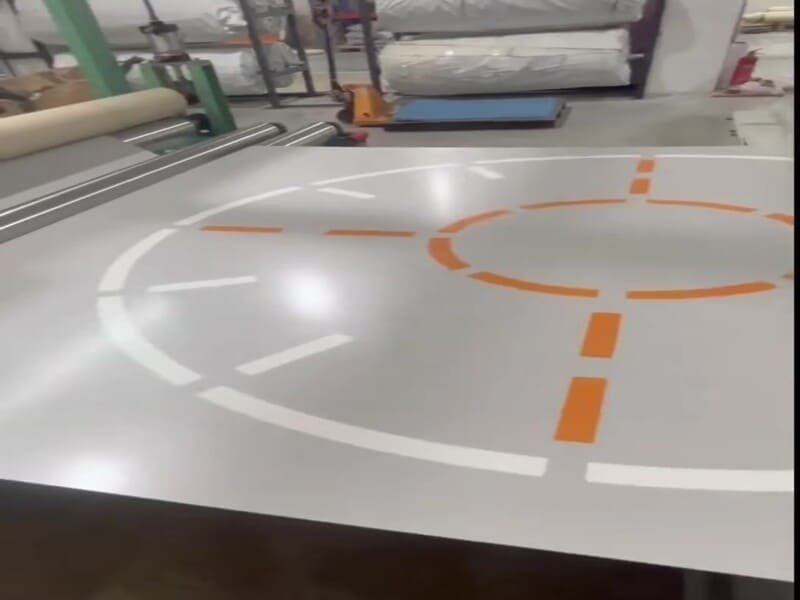
- Ежемесячный объем производства: Ведущий завод должен производить не менее $300 000\text{ квадратных метров}$ в месяц, чтобы доказать, что он способен без задержек включить ваш крупный заказ в свой производственный график.
- Ежедневные партийные испытания: Спросите, проводят ли они ежедневные внутренние испытания, такие как испытания на усадку при кипячении воды, проверку прочности на отрыв износостойкого слоя и испытания прочности замковых соединений.
- Открытый доступ к тестированию: Надежный производитель приветствует привлечение сторонних инспекторов, таких как SGS или Intertek, для проверки товара прямо на погрузочной платформе до того, как двери контейнера закроются.
| Оперативные данные | Отличный уровень | Риск, связанный с поставщиками низкого уровня |
|---|---|---|
| Сроки доставки | От 25 до 35 дней для полных контейнеров | Более 60 дней из-за проблем с поставками материалов |
| Испытание на прочность отрыва | $\ge 50\text{ Н} / 50\text{ мм}$ | Слои расслоились из-за интенсивного пешеходного движения |
| Испытание кипящей водой | 6 часов при $80^\circ\text{C}$ проверка | Сильная усадка, приводящая впоследствии к появлению щелей в полу |
Хорошее взаимодействие не менее важно, чем качественное оборудование, о чем пойдет речь в следующем разделе.
Как оценить качество коммуникации с поставщиком и поддержку в вопросах доставки?
Оценивайте поставщика по его способности давать конкретные технические ответы в течение 24 часов, по использованию прочной экспортной упаковки, а также по точности заполнения таможенных документов, таких как сертификаты происхождения.
Проверка профессиональных навыков коммуникации и логистики
При международных закупках даже простые ошибки в оформлении документов или некачественная упаковка могут привести к порче груза или значительным задержкам в порту назначения. Настоящий партнер выступает в роли технического консультанта.
Контрольный список по оказанию экстренной помощи
- Технические знания: Если торговый представитель лишь повторяет стандартный сценарий и не может объяснить химическое различие между SPC и LVT, скорее всего, речь идет о торговой компании. Вам нужны конкретные ответы.
- Стандарты экспортной упаковки: Для тяжелых виниловых напольных досок требуются прочные поддоны, защитные накладки по краям и водонепроницаемая пластиковая упаковка, чтобы они не сдвигались во время длительной морской перевозки.
- Точность документа: Завод должен предоставить четкие коносаменты, точные упаковочные листы и правильные сертификаты происхождения, чтобы помочь вам пройти таможенное оформление без дополнительных сборов.
| Логистический компонент | Профессиональный заводской стандарт | Практика посредничества |
|---|---|---|
| Скорость отклика | Четкий технический ответ в течение 12–24 часов | Расплывчатые ответы, на которые уходит несколько дней |
| Упаковка на поддоны | Поддоны из массива дерева со стальной обвязкой | Непрочные деревянные поддоны, обернутые тонкой пластиковой пленкой |
| Таможенные документы | Предварительно проверенные документы с кодами HS | Ошибки в описаниях, которые приводят к задержке на таможне |
Давайте сформулируем эту информацию в виде простого плана, которым вы сможете воспользоваться уже сегодня.
Каков 5-шаговый чек-лист для безопасной проверки нового поставщика?
Эти пять этапов включают: запрос и тестирование физических образцов, проверку подлинности владения заводом с помощью видеоэкскурсий, изучение примеров реализации местных коммерческих проектов, размещение небольшого пробного заказа и получение письменной коммерческой гарантии сроком от 10 до 15 лет.
Ваш пошаговый план проверки поставщиков
Следуйте этим конкретным инструкциям, чтобы отсеять недобросовестных поставщиков, прежде чем осуществлять крупные банковские переводы.
План действий
- Тестирование физических образцов: Возьмите монету и попробуйте поцарапать поверхностное покрытие. Поместите образец в воду на 24 часа, чтобы проверить, не разбухнет ли он и не изменит ли форму.
- Проверка принадлежности завода: Попросите провести для вас краткую видеоэкскурсию по производственным линиям в режиме реального времени с помощью Zoom или WeChat. Торговые компании, занимающиеся исключительно торговлей, как правило, будут придумывать отговорки, чтобы избежать этого.
- Ознакомьтесь с реальными примерами из практики: Попросите предоставить фотографии и адреса мест реализации прошлых коммерческих проектов, которые они осуществляли в вашей стране, например, спортивных залов, отелей или оздоровительных центров.
- Заказать пробную упаковку: Для начала закажите одну небольшую партию или частичную партию товара. Воспользуйтесь этой поставкой, чтобы проверить реальную скорость производства, качество связи и состояние товара при получении.
- Получите письменную гарантию: Получите четкий, подписанный документ, в котором подробно изложена гарантия на коммерческий износ сроком от 10 до 15 лет и ясно указано, каким образом производится замена бракованного товара.
| Номер шага | Пункт действий | Цель теста |
|---|---|---|
| 1 | Испытание на царапины и водопоглощение | Подтверждает качество износостойкого слоя и материала основы |
| 2 | Видеоэкскурсия по заводу в режиме реального времени | Подтверждает, что поставщик является владельцем производственного оборудования |
| 3 | Просмотреть историю региональных проектов | Подтверждает соответствие требованиям вашего местного рынка |
| 4 | Запустить один тестовый контейнер | Проверка реальных сроков выполнения заказов и качества упаковки |
| 5 | Подпишите официальный договор о гарантии | Защищает ваши деньги от существенных дефектов |
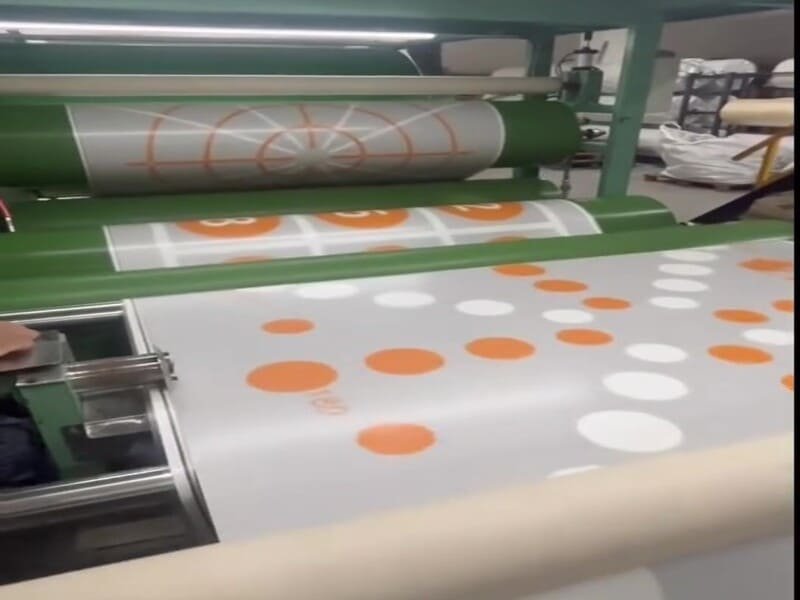
Следуйте этим рекомендациям, чтобы обеспечить безопасность и успешное проведение процесса закупок.
Заключение
Чтобы найти надежного поставщика виниловых напольных покрытий для коммерческого использования, необходимо проверить технические характеристики износостойкого слоя, ознакомиться с официальными сертификатами безопасности и убедиться в подлинности принадлежности завода-изготовителя. Выбор партнера, обладающего глубокими техническими знаниями, позволит избежать дорогостоящих задержек и проблем с качеством материалов в ходе реализации вашего проекта.
Если вы ищете виниловое напольное покрытие повышенной износостойкости для коммерческих помещений в рамках своего следующего проекта или хотите заказать бесплатные образцы для проверки износостойкости и стабильности размеров, не стесняйтесь отправить мне личное сообщение. Мы готовы предоставить вам квалифицированные инженерные консультации и предложить цены напрямую от производителя, чтобы поддержать ваш бизнес.