


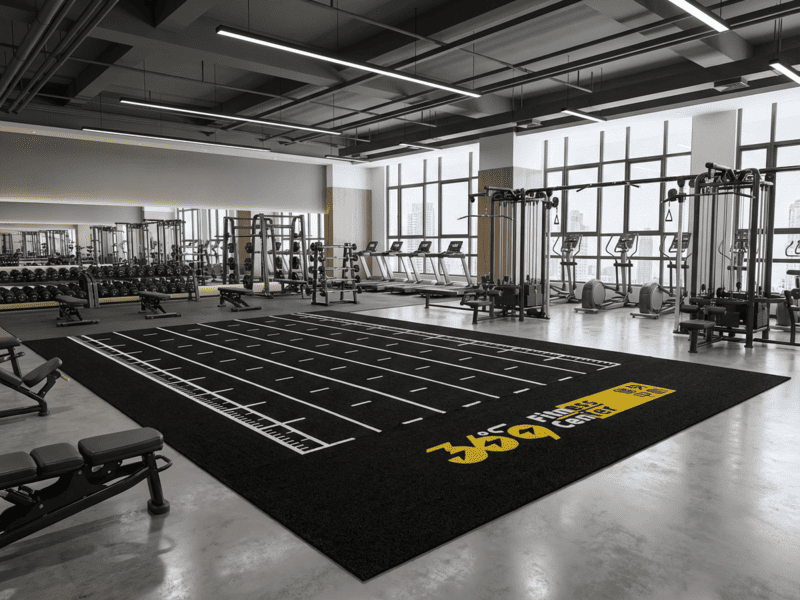
Good gym artificial grass should have a drainage rate of at least 30 inches per hour. For high-traffic commercial gyms or outdoor areas, a rate of 50 inches per hour is better. This ensures sweat, spills, and cleaning liquids pass through quickly to prevent odors and bacteria.
When I talk to gym owners, they usually focus on the "hand-feel" or the "lushness" of the turf. However, as a technical director, I look at the back of the grass first. Drainage is the silent hero of gym turf. It is the rate at which water or other liquids pass through the turf backing into the subfloor. We measure this in inches per hour. If your turf cannot handle the volume of liquid it encounters, you will face significant structural and sanitary problems. In my experience, a low drainage rate is the leading cause of premature turf replacement. I have seen facilities where "budget" turf turned into a soggy, foul-smelling swamp because the backing held onto moisture instead of letting it go. You must understand that indoor turf needs drainage just as much as outdoor turf does.
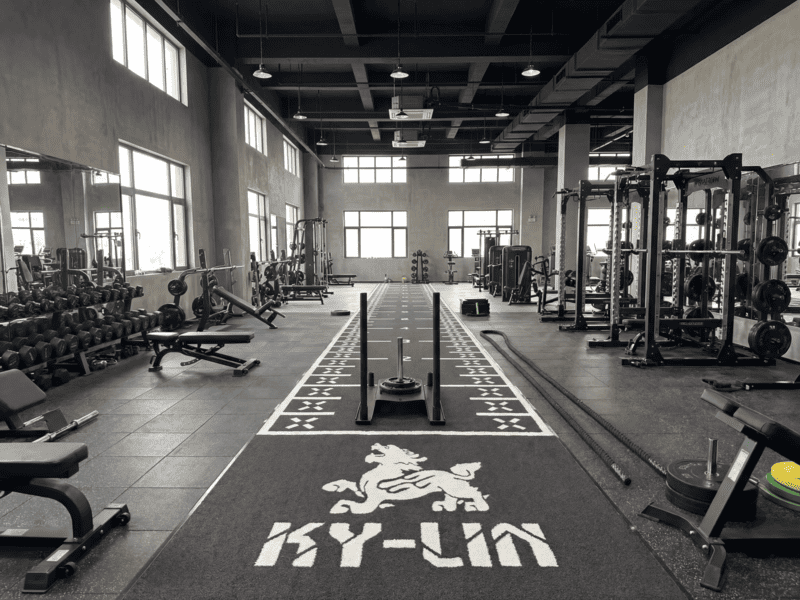
In the next sections, I will explain why these numbers matter for your specific gym environment and how to choose the right backing.
Why Drainage Matters Specifically for Gyms?
Drainage is critical for gyms to manage sweat, spilled sports drinks, and cleaning water. Without high permeability, moisture stays trapped in the fibers. This creates a breeding ground for mold, mildew, and staph bacteria, leading to a permanent "locker room smell" that drives members away.
In a high-intensity interval training (HIIT) area, the amount of sweat hitting the floor is surprisingly high. If you do not have a way for that liquid to escape, it sits at the base of the turf blades. I once worked with a client whose gym smelled like old socks despite daily vacuuming. The issue was not the surface; it was the latex backing that had no drainage holes. The sweat had nowhere to go and fermented under the grass. For indoor gyms on concrete slabs, the liquid needs to move laterally toward a drain or evaporate quickly. For outdoor decks, it must move vertically into the ground. If you ignore this, you are not just buying a floor; you are buying a giant sponge for bacteria.
| Фактор риска | Impact of Poor Drainage | Техническое решение |
|---|---|---|
| Гигиена | Staph and mold growth | Antimicrobial coating + 30"+ drainage |
| Запах | Persistent ammonia/sweat smell | High-flow backing materials |
| Долголетие | Backing rot and fiber loss | Urethane secondary backing |
Poor drainage will make your gym feel dirty no matter how much you scrub the surface.
What Is the Gold Standard for Drainage Rates?
The industry benchmark for quality gym turf is 30 inches per hour per square yard. For outdoor CrossFit boxes or functional zones that undergo heavy pressure washing, you should aim for 50+ inches per hour. This ensures the floor dries fast enough for the next class.
When we manufacture turf, we choose between hole-punched backing and 100% permeable flow-through backing. Most standard turf uses a hole-punched system where small holes are melted into the backing every few inches. This is often enough for light use. But for professional gyms, I recommend Polyurethane (Urethane) flow-through backing. This material is porous across its entire surface. It does not rely on specific holes that can get clogged by dust or skin cells. In my testing, flow-through backing maintains its drainage rate much longer than hole-punched latex. If you want a floor that stays fresh for five to ten years, you need to look for these higher specs.
| Тип газона | Recommended Drainage Rate | Лучшее приложение |
|---|---|---|
| Standard Indoor | 30 inches / hour | Yoga, light stretching, PT studios |
| Commercial HIIT | 45+ inches / hour | Sled pulls, heavy cardio, group classes |
| Outdoor Functional | 50+ inches / hour | CrossFit boxes, outdoor tracks |
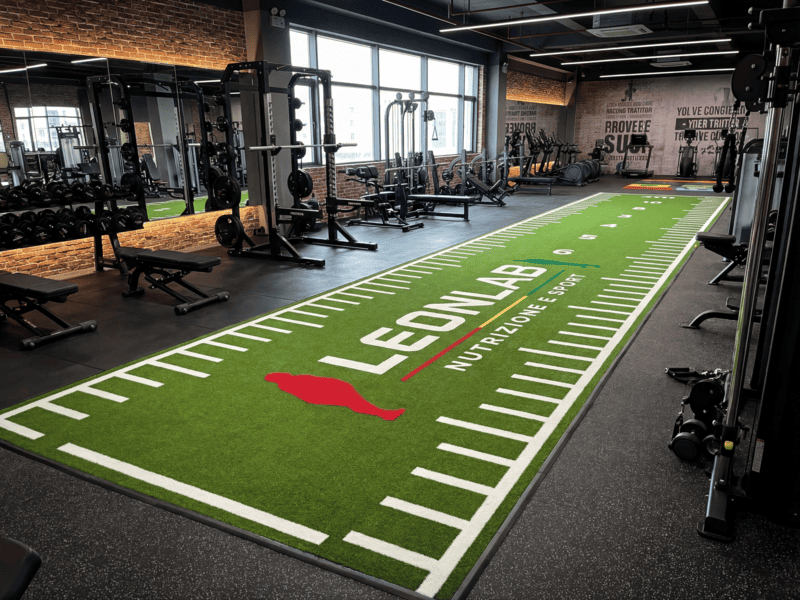
Choosing the right rate depends on how hard you plan to use and clean the floor.
How Do Technical Specs of the Backing Affect Performance?
The backing consists of primary and secondary layers that dictate liquid flow. Standard 4-inch by 6-inch hole spacing is often insufficient for gyms. You should opt for Urethane backing over Latex because Urethane does not absorb moisture, stays dimensional, and offers superior drainage consistency.
From a manufacturing perspective, the secondary backing is where the quality is decided. Latex is cheaper but it is like a sponge; it can hold moisture and eventually crumble or smell. Urethane is a specialized plastic that locks the fibers in place and resists water completely. When we design turf for heavy sled work, we have to balance the tuft bind (how hard it is to pull the grass out) with the drainage rate. If we put too much coating on the back to make it strong, we block the drainage. That is why I advocate for high-quality Urethane. It allows us to keep the grass strong while maintaining high permeability. You also need to check the hole pattern. More holes mean better drainage but can sometimes weaken the backing if not done with precision.
| Свойства материала | Latex Backing | Urethane Backing |
|---|---|---|
| Поглощение влаги | High (leads to odor) | Zero (highly hygienic) |
| Долговечность | Low (can peel over time) | High (industrial strength) |
| Drainage Style | Punched holes only | Punched or full-flow |
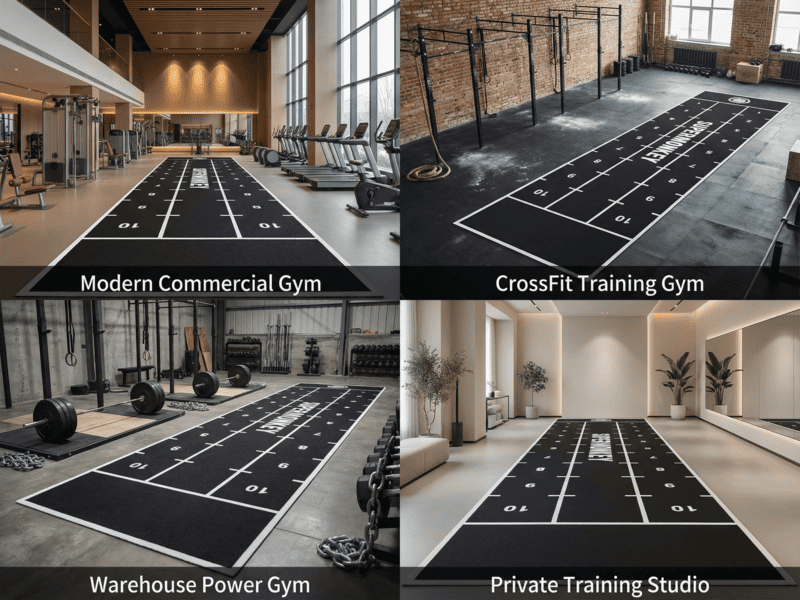
Always check the spec sheet for the backing material before you look at the grass color.
Why is Drainage Essential for the Cleaning Process?
High drainage rates allow for deep cleaning with water and specialized detergents without flooding the gym. A turf system with 30+ inches of drainage dries in a fraction of the time, which reduces downtime and prevents the "damp carpet" feel after maintenance.
I always tell my clients that if you cannot wash your turf, you cannot keep it. Most gym owners just vacuum. But every few months, you need to use a liquid cleaner to kill bacteria. If your drainage is poor, that water sits in the base of the fibers for days. This creates a slippery, dangerous surface and a humid environment. With a high-flow drainage system, you can spray the turf down, and the water disappears into the subfloor or drainage tiles immediately. I have tested turf samples that dry in 20 minutes versus those that stay wet for four hours. For a 24-hour gym, that difference in drying time is the difference between opening on time or losing revenue.
| Задание по уборке | Low Drainage Impact | High Drainage Benefit |
|---|---|---|
| Pressure Washing | Water pools and stays wet | Water drains immediately |
| Дезинфекция | Chemicals sit on surface | Chemicals penetrate to base |
| Drying Time | 4-6 hours | 30-60 минут |
You want a floor that you can clean deeply and use quickly.
What Are the Installation Secrets for Optimal Drainage?
For indoor concrete floors, use a drainage underlayment or shock pad to create a space for water to move laterally. For outdoor installs, a base of compacted crushed stone is necessary to allow vertical drainage into the earth. Proper sloping is also vital to prevent water from pooling.
The turf is only one part of the system. Even the best-draining turf will fail if you put it flat on a perfectly level concrete floor with no exit for the water. I recommend using a drainage tile or a "shock pad" with built-in drainage channels. These pads create a 5mm to 10mm gap between the turf and the concrete. When you spill a drink or clean the floor, the liquid goes through the turf, hits the pad, and then flows sideways to the nearest floor drain. If you are installing outside, the sub-base is even more important. You need at least 3 to 4 inches of crushed stone. This acts like a giant underground tank that holds the water while it slowly soaks into the dirt.
| Тип установки | Требование к основанию | Drainage Solution |
|---|---|---|
| Indoor Concrete | Level or slight slope | Drainage tiles / Grid pads |
| Outdoor Soil | Excavated 4 inches | Crushed stone / Fine aggregate |
| Wood / Laminate | Waterproof barrier | Not recommended for wet cleaning |
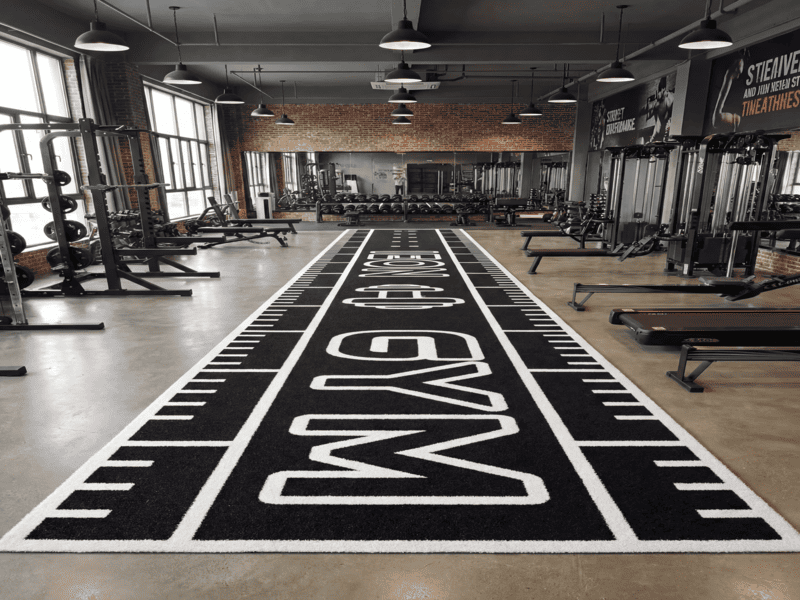
If the water has nowhere to go after it passes through the turf, your drainage rate does not matter.
How Can You Test Turf Drainage Yourself?
You can perform a "Cup Test" by pouring a cup of water onto a turf sample and timing how fast it disappears. On a professional level, you should look for the "Infiltration Rate" or "Permeability" on the technical spec sheet provided by the manufacturer.
I often see buyers get confused by technical jargon. To keep it simple, I tell them to take a square sample of the grass. Hold it over a bucket and pour a standard 8-ounce glass of water in the center. If the water beads up or takes more than a few seconds to go through, the drainage is poor. If it disappears almost instantly, it is high-quality. However, for a commercial project, you need the official lab results. Look for ASTM standards or ISO certifications on the spec sheet. I always provide my clients with a drainage certificate. This document proves the turf was tested in a lab to meet the 30-inch or 50-inch per hour requirement. It is your only real protection against a low-quality product.
Never buy turf for a commercial gym without seeing a technical data sheet first.
What Are the Common Myths About Gym Turf Drainage?
A major myth is that indoor gyms do not need drainage because it does not rain inside. This ignores the need for hygiene and deep cleaning. Another myth is that thicker, denser grass is better, when in reality, high density can actually trap moisture and dirt if the backing is not designed for flow.
I hear these two things every week. First, people think "no rain means no drainage." But as I explained, sweat and cleaning products are liquids too. If you can’t drain them, you can’t clean them. Second, there is a belief that more "face weight" or density equals better quality. While dense turf feels great, it can act like a wall against water. If the pile is too tight and the backing is not perforated correctly, the water will stay on top. In my lab, I have seen 40-ounce turf drain much better than 60-ounce turf simply because the backing technology was superior. You want a balance of durability and flow. Do not be fooled by thickness alone.
| Миф | Реальность | Technical Fact |
|---|---|---|
| Indoor = No Drain | Cleaning needs drainage | All gyms need liquid management |
| Thick = High Quality | Density can block flow | Backing tech matters more than pile |
| Latex is Fine | Latex absorbs smells | Urethane is the professional choice |
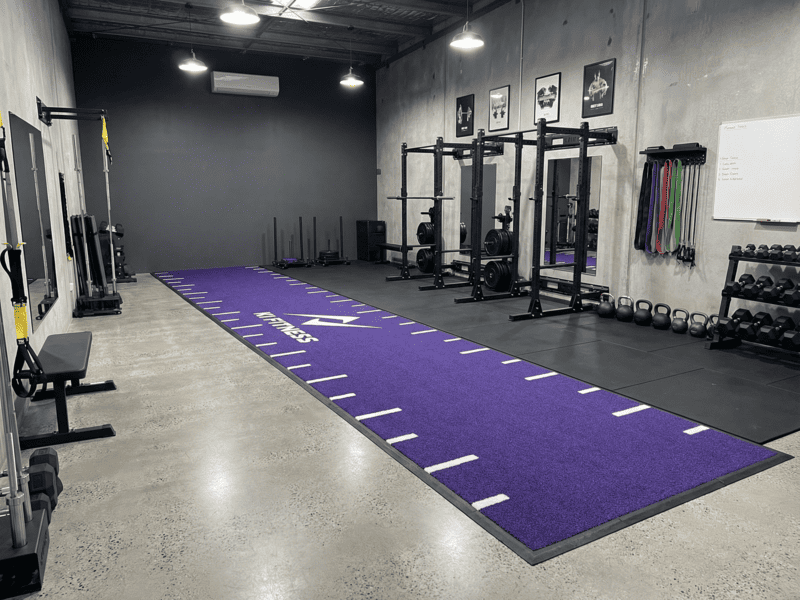
Do not let marketing terms like "extra thick" distract you from the performance of the backing.
Заключение
Choose turf with a 30-50 inch drainage rate and Urethane backing for a clean gym.
Need a technical consultation for your gym flooring?
I have spent years optimizing turf for high-performance facilities. If you are unsure about which drainage spec fits your project or need a bulk quote for high-flow artificial grass, I am here to help.
Send me a private message now to get a sample and a technical data sheet for your next project!"`