


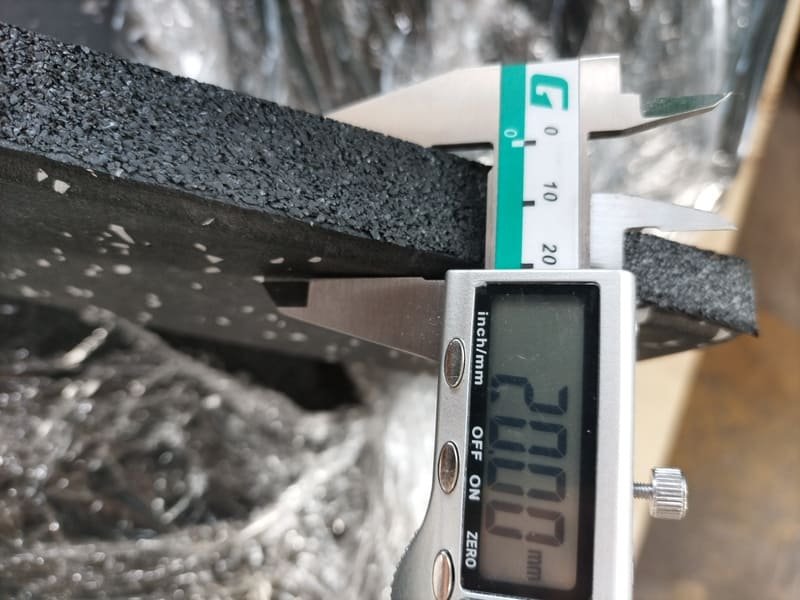
Несмотря на то, что резина высокой плотности обладает превосходной устойчивостью к истиранию, ей часто не хватает способности снижать силу, необходимую для ударных зон. Если полагаться только на характеристики плотности, это может привести к увеличению пиковой силы G, что чревато усталостью конструкции пола. В данном руководстве анализируются компромиссы с использованием стандартизированных показателей.
1. Введение: Ошибка "плотность против производительности
В нашей лаборатории по испытанию материалов мы часто сталкиваемся с фундаментальным недоразумением в спецификациях на закупку: предположением, что плотность ($kg/m^3$) является единственным показателем качества. Хотя плотность положительно коррелирует с прочностью на разрыв и чистотой поверхности, она часто обратно пропорциональна Сокращение сил (FR) и Поглощение ударов.
С точки зрения реологии, пол в тренажерном зале служит механическим демпфером. Его основная функция - преобразование кинетической энергии (от падающего веса) в тепловую энергию посредством процесса, называемого гистерезис. Каучук высокой плотности - обычно с использованием мелкоячеистых гранул ($<0,5 мм$) и высоким соотношением связующих веществ - создает жесткую матрицу с минимальным объемом пустот. Такая структура ведет себя скорее как твердое тело, чем как вязкоупругий демпфер.
Цель этого технического анализа - предоставить руководителям и архитекторам объектов количественные показатели, помимо простой плотности, необходимые для выбора безопасной, долговечной и акустически совместимой системы напольных покрытий. (Прежде чем погружаться в технические компромиссы, вы можете сначала ознакомиться с основными преимуществами в нашем руководстве: Почему стоит выбрать резиновое напольное покрытие?)
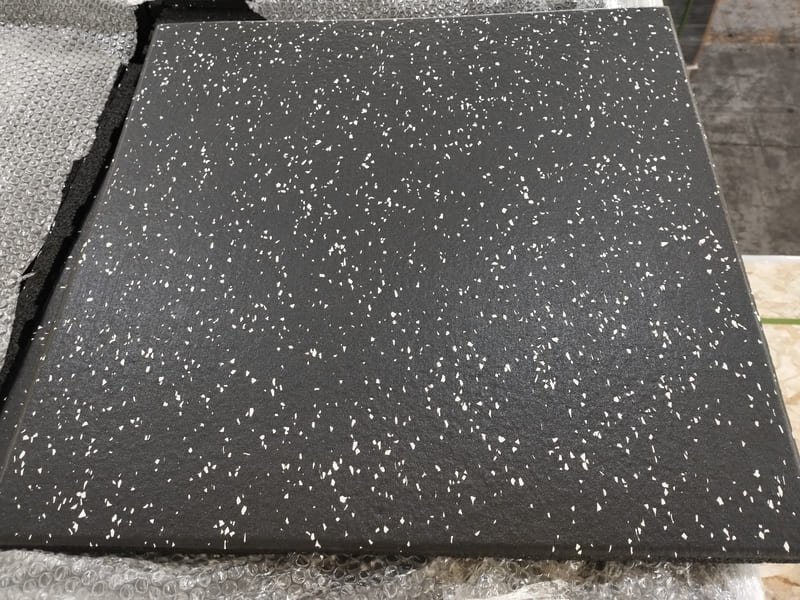
Физика удара: Почему "жесткость" повреждает полы?
Маты высокой плотности обладают высокой динамической жесткостью ($s'$). При ударе это приводит к высокой передаче пикового замедления ($G_{max}$) на бетонную плиту, что ускоряет образование микротрещин и сколов.
2. Передача напряжений и усталость перекрытий
Основной риск использования напольных покрытий высокой плотности в зонах с большим весом заключается не в разрушении самой резины, а в потенциальном разрушении основания под ней. Это объясняется принципом Передаваемость.
A. Сопряжение пиковых сил
При падении гантели весом 50 кг создается импульс. Более мягкий материал с низкой плотностью увеличивает продолжительность этого удара (время до пика), тем самым уменьшая пиковую силу, передаваемую на пол. Резина высокой плотности (обычно $>65 Shore A$) не деформируется в достаточной степени, чтобы распределить нагрузку по времени или площади. Она передает ударную волну непосредственно на бетон.
- Последствия: При многократном повторении циклов такая точечная нагрузка вызывает усталость бетонной стяжки, что приводит к ее разрушению или растрескиванию, особенно вблизи деформационных швов или уже имеющихся микротрещин.
B. Коэффициент реституции ("отскок")
Резина высокой плотности обладает высокой эластичностью, но низкой амортизацией. С технической точки зрения, она имеет высокую Коэффициент реституции. Это означает, что он возвращает энергию падающему объекту, а не рассеивает ее.
- Риск для безопасности: Штанга, упавшая на мат высокой плотности, скорее всего, отскочит непредсказуемо. Такой "пружинящий" эффект представляет опасность для голеней и подбородка спортсмена во время выполнения олимпийских упражнений.
C. Шум, создаваемый конструкциями
Согласно ISO 10140-3 (Акустика), изоляция ударного шума основана на принципах "масса-пружина-масса". Резина высокой плотности добавляет массу, но не обладает "пружиной" (податливостью). Поэтому она не способна развязать вибрацию, позволяя низкочастотному структурному шуму ($<100 Гц$) проходить через каркас здания в соседние помещения.
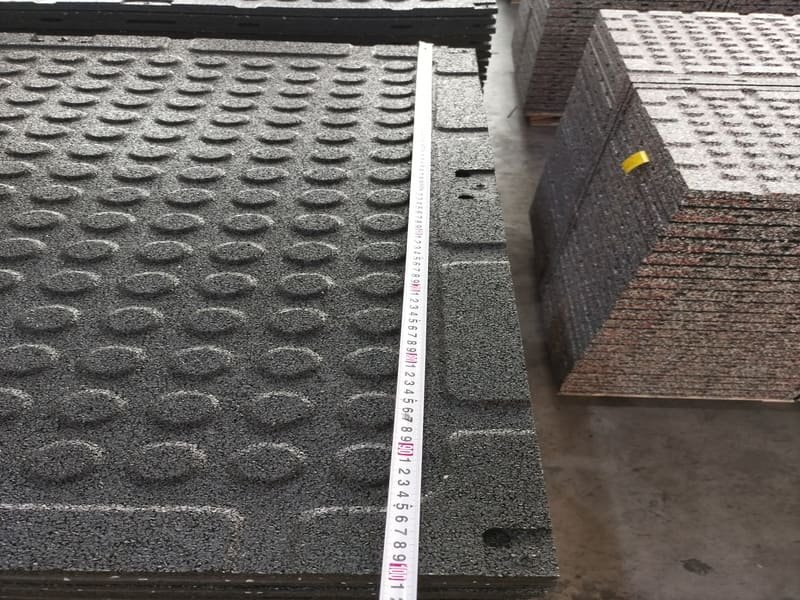
Матрица спецификаций: Данные, которые важнее плотности?
Чтобы гарантировать эффективность, в спецификациях должны быть ссылки на стандарты ASTM F2772 или DIN 18032-2. Приоритет отдавайте "Снижению усилия" и "Вертикальной деформации", а не показателям плотности.
3. Ключевые показатели эффективности (KPIs)
Изучая технический паспорт (TDS), инженер-исследователь ищет конкретные результаты испытаний. Если поставщик может предоставить только данные о плотности и толщине, скорее всего, продукт не проходил тщательных эксплуатационных испытаний.
| Метрика | Соответствующий стандарт | Цель: тяжелые веса | Цель: Кардио/Машина | Почему это важно |
|---|---|---|---|---|
| Сокращение сил (FR) | ASTM F2772 / EN 14808 | > 45% | 10% - 15% | Измеряет % поглощенной энергии удара. Очень важно для защиты основания. |
| Вертикальная деформация | DIN 18032-2 | 2,5 мм - 4,0 мм | < 1,5 мм | Насколько сильно пол проседает под нагрузкой. Слишком большое проседание (>5 мм) приводит к нестабильности атлетов. |
| Твердость по Шору А | ASTM D2240 | 55 - 65 | 70 - 85 | Твердость поверхности. Высокая твердость = лучший износ, но меньшее сцепление и амортизация. |
| Прочность на разрыв | ASTM D412 | > 1,0 МПа | > 1,5 МПа | Устойчивость к разрыву при боковой нагрузке (например, при толкании саней или повороте ног). |
| Акустическая изоляция ($\Delta Lw$) | ISO 10140 | > 24 дБ | Н/Д | Логарифмическое уменьшение ударного звукового давления. |
Примечание: Для снижения усилия >45% обычно требуется композитная система (плитка или подложка), так как стандартные резиновые рулоны (даже низкой плотности) редко превышают 15-20% из-за ограничений по толщине.
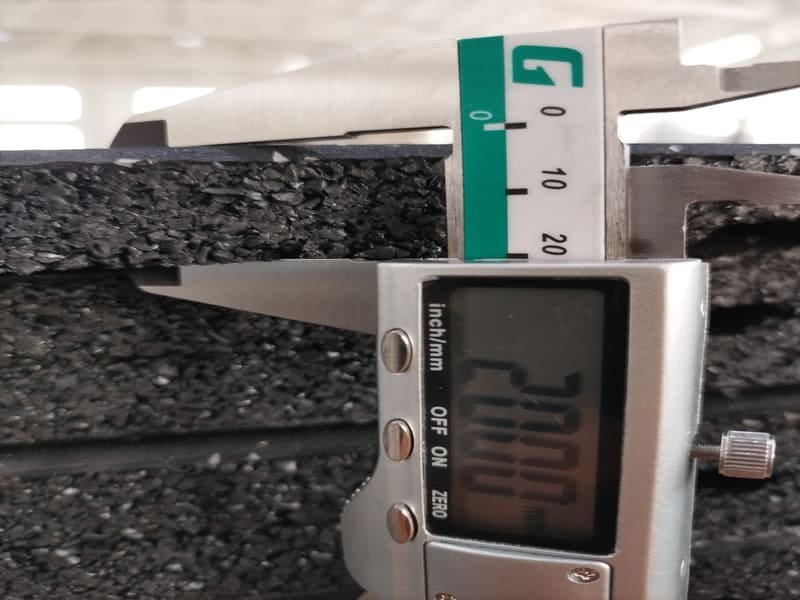
Спроектированные конфигурации: Оптимизация "стека"?
Оптимальное решение редко бывает однослойным. Мы рекомендуем "несоответствие импеданса" - наложение материалов разной плотности для обеспечения максимальной долговечности и гашения ударов.
4. Рекомендуемые системные архитектуры
Основываясь на моделировании импеданса и эксплуатационных характеристиках, мы рекомендуем следующие "стеки" для конкретных сценариев нагрузки.
Сценарий A: Олимпийский подъем / тяжелые свободные веса
- Система: Композитная плитка (двойной плотности)
- Специфика: 30-50 мм Общая толщина.
- Верхний слой (5 мм): Высокая плотность ($1150 кг/м^3$) обеспечивает устойчивость к истиранию и чистоту.
- Базовый слой (25-45 мм): Низкая плотность / вафельная структура ($850 кг/м^3$) для максимальной вертикальной деформации.
- Рассуждения: Базовый слой создает "зону смятия", а верхний слой поддерживает устойчивость платформы.
Сценарий B: Коммерческие кардио- и селекторные тренажеры
- Система: Рулонные изделия высокой плотности
- Специфика: Толщина 6 мм - 10 мм / $1100+ кг/м^3$.
Обоснование: В данном случае приоритетом является статическая нагрузка. Более мягкие полы будут страдать от компрессионного набора (ASTM D395), оставляя постоянные вмятины под тяжелой техникой. Высокая плотность предотвращает это. Более подробно о том, почему материалы высокой плотности являются лучшим выбором именно для таких условий статической нагрузки, читайте в нашей статье Почему резина высокой плотности - лучшее напольное покрытие для тренажерного зала.
Сценарий C: Акустически чувствительные зоны (верхние уровни)
- Система: Система подложки с развязкой
- Специфика: Подложка из вспененного материала толщиной 10 мм + резиновый рулон толщиной 10 мм.
- Рассуждения: Таким образом, в матрице пены образуется воздушный зазор. Резкое изменение плотности между слоями создает несоответствие импеданса, которое очень эффективно отражает и рассеивает звуковые волны до того, как они попадут в структуру.
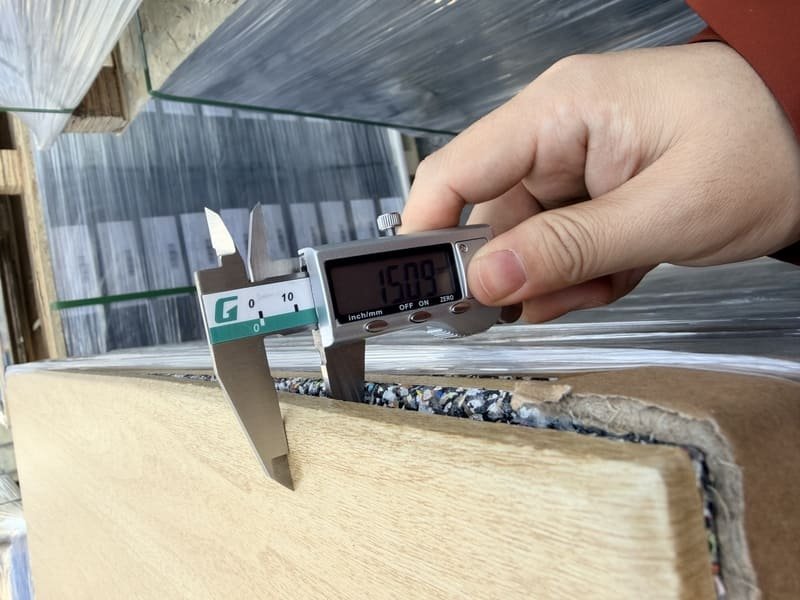
Полевой аудит: Проверка текущего напольного покрытия?
Простые тесты на месте могут показать, не слишком ли жесткое у вас напольное покрытие (высокая пропускаемость). Используйте эти три функциональные проверки.
5. Диагностические тесты
Если у вас нет лабораторного оборудования, эти эмпирические тесты служат надежными косвенными показателями, позволяющими определить, не подвергает ли ваше нынешнее напольное покрытие опасности ваш объект.
-
Тест на отскок мяча (ASTM F2117 Proxy):
Бросьте баскетбольный мяч с высоты 2 метров.- Результат A: Отскок > 1,2 м. Пол слишком упругий (высокая энергия отдачи). Риск: Высокая опасность отскока.
- Результат B: Отскок < 0,8 м. Пол эффективно поглощает энергию (высокий гистерезис). Результат: Идеально подходит для утяжелителей.
-
Тест на устойчивость "монеты":
Положите на пол нагруженную штангу. Подложите монету под контактную площадку.- Наблюдение: Если груз значительно проседает (>3 мм), в результате чего монета исчезает, значит, пол слишком мягкий (низкий модуль упругости). Риск: Нестабильность во время тяжелых приседаний.
-
Проверка прилегающей вибрации:
Поставьте стакан с водой на пол в 2 метрах от зоны падения.- Наблюдение: Если при падении вода сильно пульсирует, значит, пол не смог изолировать удар. Риск: Ударная волна проходит горизонтально через перекрытие (высокая проницаемость).
Заключение
Проектирование пола в спортивном зале - это упражнение в балансировании Жесткость (для стабильности/долговечности) против Соответствие требованиям (для безопасности/акустики). Резина высокой плотности не является "лучшим" материалом; это просто более "жесткий" материал.
Для зон сильного воздействия технические характеристики должны выходить за рамки "$kg/m^3$". Спрос Сокращение силы Выбирайте композитные или многослойные системы, которые защищают как суставы спортсмена, так и фундамент здания.
Вам нужен технический анализ спецификации напольных покрытий для вашего объекта? Свяжитесь с нашей командой R&D сегодня. Мы можем рассмотреть ваши конкретные требования к нагрузке и предложить научно оптимизированный "стек" напольного покрытия, который сбалансирует бюджет и физику.