


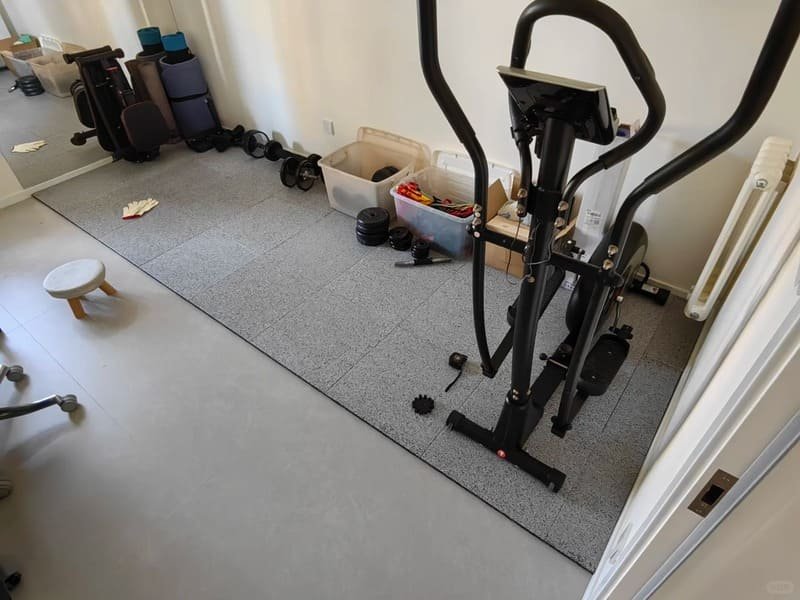
A Technical Data Sheet (TDS) is a document detailing the physical and performance properties of a material. To read it, match key metrics like density, Shore A hardness, and tensile strength to your specific facility needs to ensure safety and durability.
In my daily work optimizing product designs for global gym chains, I see buyers staring at a PDF full of numbers, acronyms like ASTM, and laboratory jargon. They wonder if the black vulcanized rubber will hold up to heavy deadlifts or high foot traffic. Choosing the wrong flooring based on misunderstood specifications leads to costly replacements, safety liabilities, or failed building inspections. We need to translate this complex lab data into simple terms. This guide will help you match the right numbers to your real-world facility needs.
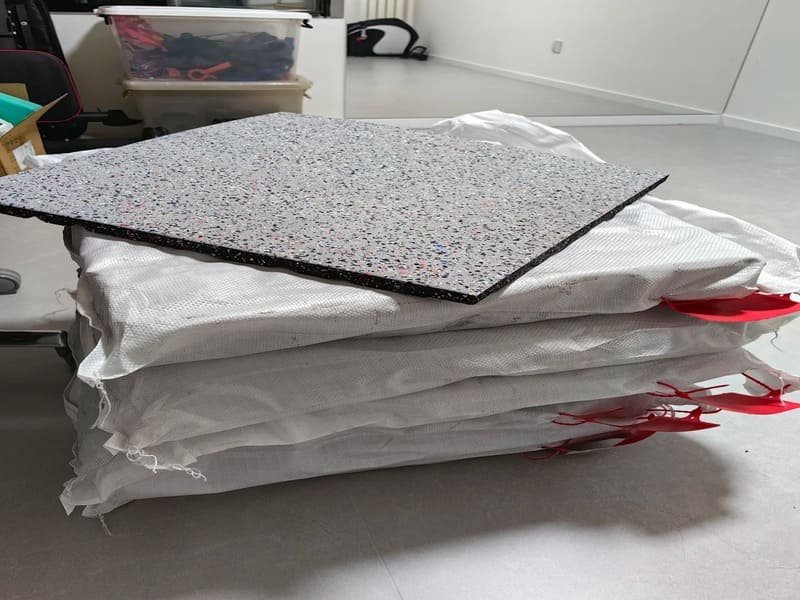
Let us break down the basic documents first.
What is the Difference Between TDS and SDS/MSDS?
A TDS details physical performance like durability and shock absorption, while an SDS focuses on chemical safety and handling. You need the TDS to check physical performance and the SDS for safety compliance.
| Документ | Основной фокус | Лучшее для |
|---|---|---|
| TDS | Physical performance, durability | Material selection, engineering |
| SDS/MSDS | Chemical safety, handling | Safety compliance, logistics |
Why Both Documents Matter
When evaluating materials for your commercial project, understanding the difference between these documents is vital. The TDS is your primary tool for engineering and design optimization. It provides the exact mechanical properties, such as tensile strength and shock absorption, so you know if the floor can withstand 500-pound drops without tearing. In contrast, the SDS ensures the material will not release harmful fumes during installation or daily use. You must check both documents before purchasing. In my daily manufacturing work, I guide clients to review the TDS for mechanical capabilities and the SDS for environmental safety. A common error is assuming a safe SDS means a durable floor. It does not. The SDS protects human health, while the TDS protects your building infrastructure. By leveraging my manufacturing expertise, we can analyze both sheets to balance chemical safety with top-tier physical performance for your specific application.
| Пример использования | Look at TDS | Look at SDS |
|---|---|---|
| Gym Weights | Прочность на разрыв | Выбросы летучих органических соединений |
| Установка | Толщина | Adhesive Safety |
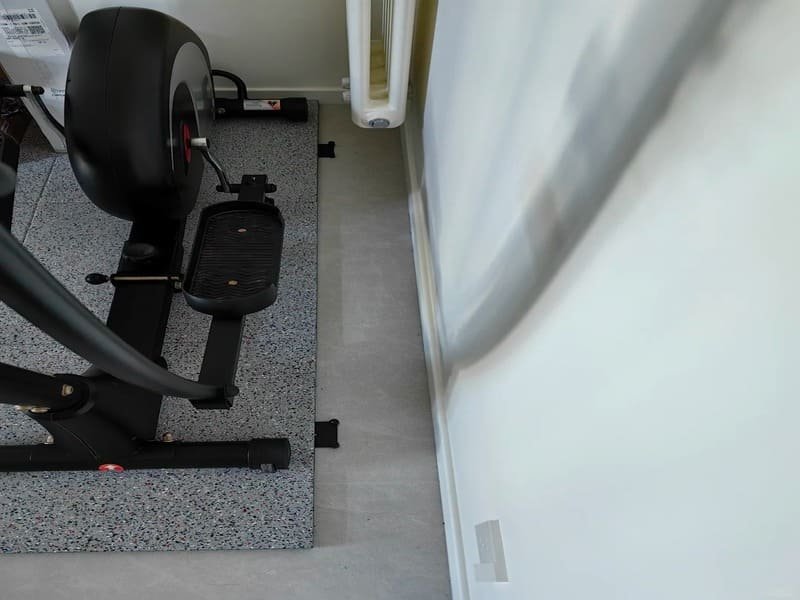
Knowing which document to read is step one. Next, we decode the numbers.
How Do You Decode the "Big 5" Performance Metrics?
The "Big 5" metrics are Density, Shore A Hardness, Tensile Strength, Slip Resistance, and Shock Absorption. These numbers bridge the gap between laboratory tests and practical application, showing how the floor behaves.
| Метрика | Стандарт | Что он измеряет |
|---|---|---|
| Плотность | $kg/m^3$ | Material foundation |
| Берег А | ASTM D2240 | Hardness/Comfort |
The Physics Behind the Numbers
Density, usually measured in $kg/m^3$, shows the critical difference between highly dense vulcanized black rubber and porous recycled crumb rubber. Higher density means better durability and lower moisture absorption. Shore A Hardness measures comfort and impact resistance. A lower number is softer, perfect for yoga or stretching zones, while a higher number is firm, which is essential for heavy free weights and rolling equipment. Tensile Strength, measured in MPa, indicates how much stretching the floor can take before it breaks. Slip Resistance, tested via ASTM D2047, directly relates to liability and safety, ensuring your facility meets ADA compliance. Acoustic Absorption controls noise transmission, which is absolutely crucial for multi-story buildings to prevent dropped weights from disturbing neighbors. I adjust these exact variables during the production process to solve specific design challenges. My technical consulting helps clients find the perfect ratio of toughness to noise control for their budget.
| Performance Area | Ключевая метрика | Ideal Range (Heavy Weights) |
|---|---|---|
| Прочность | Прочность на разрыв | > 3.0 MPa |
| Контроль шума | Сокращение силы | > 15% |
Performance metrics define how the floor works. Now, we must ensure it is safe.
How Do You Read Safety, Fire, and Environmental Certifications?
You read fire certifications by checking critical radiant flux (ASTM E648). For environmental safety, look for VOC emission tests, REACH compliance, and FloorScore® certifications to ensure clean indoor air.
| Сертификация | Стандарт | Назначение |
|---|---|---|
| Fire | ASTM E648 | Соблюдение строительных норм и правил |
| Качество воздуха | FloorScore® | Low VOC emissions |
Navigating Building Codes
Facility managers and architects face huge compliance challenges when dealing with local building codes. Fire retardancy is non-negotiable for commercial spaces. You must check the critical radiant flux, usually tested under ASTM E648, to understand how the material reacts to open flames. Environmental certifications are equally critical for modern facilities. Look for VOC emission tests and REACH compliance if you operate in European markets. FloorScore® certifications guarantee a safe breathing environment for gym members by proving low chemical off-gassing. In our custom manufacturing process, we strictly test for these parameters to support your local project approvals. If a product lacks these basic safety certifications, it poses a severe liability risk to your business. As a technical partner, I ensure the rubber formulation we develop not only hits performance targets but passes every required safety standard. This proactive approach prevents costly delays during final building inspections.
| Рынок | Key Certification | Область внимания |
|---|---|---|
| США | FloorScore®, ADA | Air quality, Slip resistance |
| Европа | REACH, EN 13501 | Chemical safety, Fire rating |
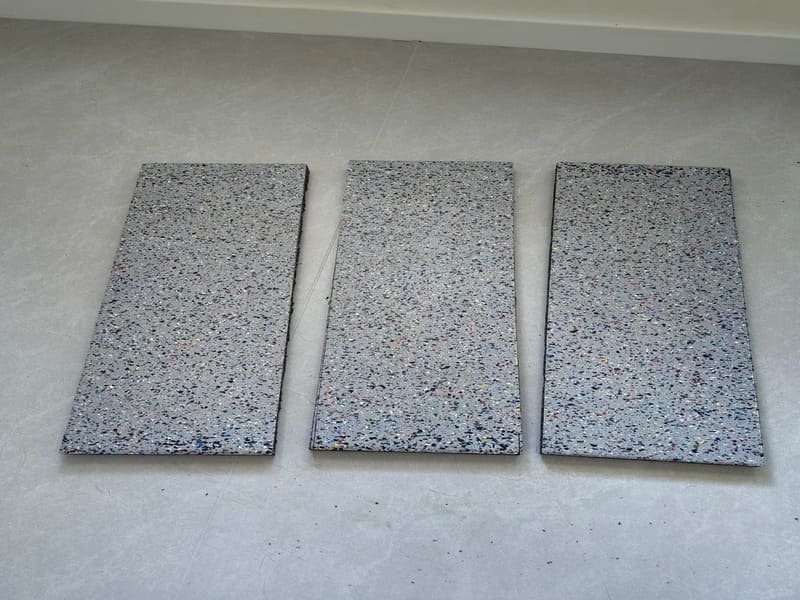
Certifications keep you out of trouble. Let us apply these specs to your rooms.
How Do You Match Specifications to Your Specific Project?
Match specifications by aligning metrics with room activities. Free weight areas need high density and tensile strength. Locker rooms require maximum slip resistance. Warehouses need high Shore A hardness.
| Область | Первичная потребность | Key TDS Spec |
|---|---|---|
| Коммерческие тренажерные залы | Устойчивость к ударам | Density & Shock Absorption |
| Wet Areas | Безопасность | Коэффициент трения |
Practical Application Guide
Commercial gyms require heavy-duty performance, so you must prioritize high tensile strength, high shock absorption, and high density to handle constant abuse. For wet areas like locker rooms, low water absorption and maximum slip resistance are critical to prevent slip-and-fall injuries. Warehouses and industrial aisles demand high Shore A hardness so pallet jacks and forklifts can roll smoothly without tearing the surface. Through engineering consultation, I frequently find clients ordering the wrong specification for their functional zone. Proper scenario matching saves money and prevents premature floor failures. By understanding the direct link between manufacturing processes and real-world application, we can optimize your material choice. For instance, using dense black vulcanized rubber in a heavy lifting zone prevents the surface from crushing. We analyze your specific use case first, then engineer the exact material properties required to deliver the longest lifespan and best return on your investment.
| Сценарий | Распространенная ошибка | Инженерное решение |
|---|---|---|
| Тяжелые подъемы | Using soft rubber | Specify high-density, high Shore A |
| Раздевалки | Ignoring water rate | Specify non-porous, high COF rubber |
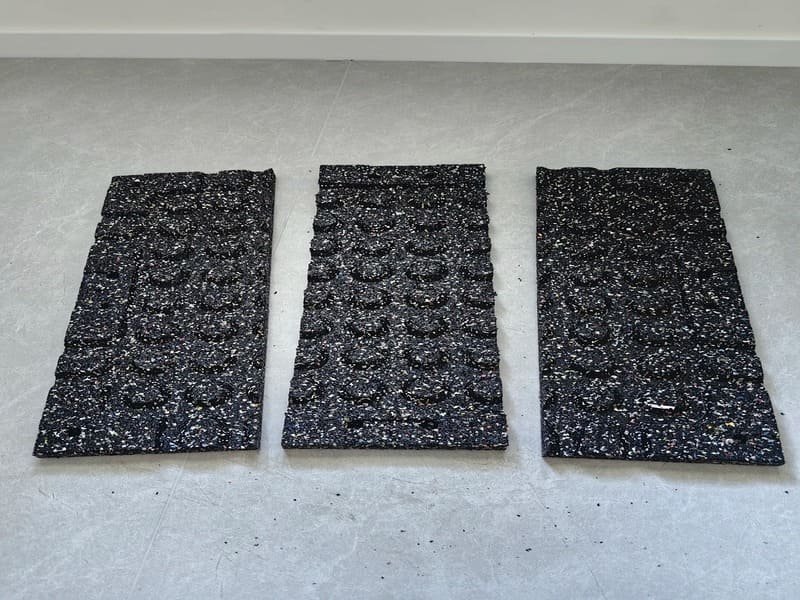
Choosing the right specification is critical. But how do you know if the data is real?
What Are the Red Flags of a Misleading TDS?
A misleading TDS often lacks standardized testing methods like ASTM or EN. Be wary of "proprietary" vague metrics or marketing fluff that cannot be verified by third-party labs.
| Красный флаг | Пример | What to Look For Instead |
|---|---|---|
| No Standard | "Super Strong" | ASTM D412 (Tensile Strength) |
| Vague Terms | "Max Grip" | EN 13893 (Slip Resistance) |
Verifying Technical Truth
Missing standardized tests is the biggest warning sign on any specification sheet. Manufacturers must list specific testing methods like ASTM, EN, or ISO next to their numerical values. If a supplier uses vague, "proprietary" metrics, they are likely hiding poor performance data. Technical data should always be objective, measurable, and verifiable by third-party laboratories. I always provide exact test data to build trust and ensure technical feasibility for my clients. Do not accept marketing terminology disguised as technical engineering data. Always ask for the actual laboratory test reports to confirm the values listed on the TDS. In my role developing custom solutions, transparency is key to technical collaboration. When we review a competitor’s spec sheet together, I help identify these red flags so you avoid purchasing sub-standard materials. Authentic manufacturers rely on proven industry standards to validate their product quality and ensure absolute structural safety.
| Документ | Trust Level | Требуется действие |
|---|---|---|
| Unreferenced PDF | Низкий | Ask for standard lab reports |
| ASTM/EN referenced | Высокий | Verify standard versions |
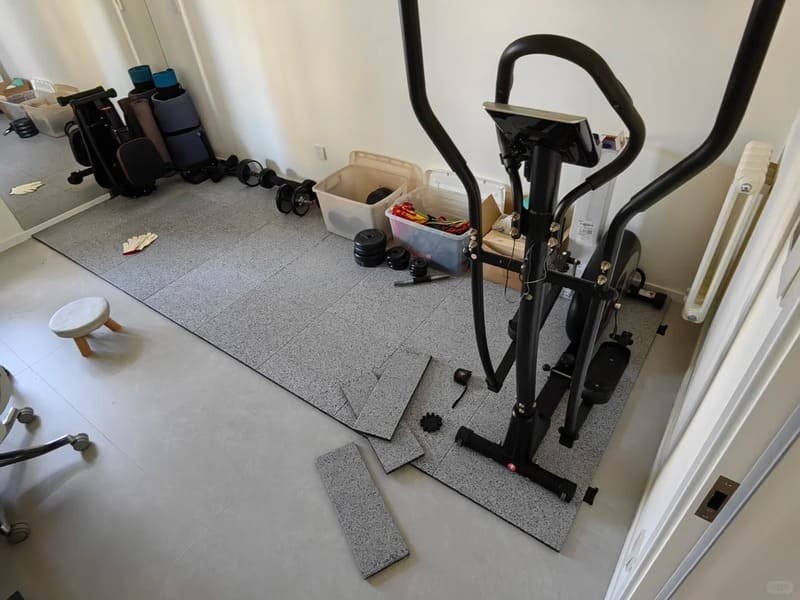
Spotting fake data protects your project. Let us answer common questions.
What Are the Frequently Asked Questions About Rubber Flooring Specs?
A good Shore A hardness for general gym flooring is 60 to 70, while heavy lifting areas need 75 to 85. Higher density generally equals better durability and moisture resistance.
| FAQ Topic | Быстрый ответ |
|---|---|
| Берег А | 60-85 depending on use |
| Плотность | Higher = more durable |
Direct Answers for Buyers
Does a higher density mean better rubber flooring? Yes, high density prevents crushing under heavy equipment and resists moisture penetration, which is crucial for long-term durability. How do I know if my black rubber flooring is waterproof from the TDS? You must look at the water absorption rate test, such as ASTM D570. A value close to 0% indicates excellent waterproof properties. These fundamental questions drive the entire material selection process. My manufacturing insight helps clients avoid over-specifying or under-specifying their materials based on these exact parameters. By focusing on real technical data, we solve actual design challenges early in the planning phase. What is the right thickness for a deadlift platform? The TDS shock absorption metrics will guide this choice, ensuring adequate subfloor protection. I use these FAQs daily to guide clients toward optimal design decisions, bridging the gap between raw manufacturing capabilities and actual facility requirements.
| Вопрос | Технический фокус | Стоимость бизнеса |
|---|---|---|
| Is it waterproof? | ASTM D570 | Lower maintenance costs |
| Is it too hard? | Берег А | User comfort, injury prevention |
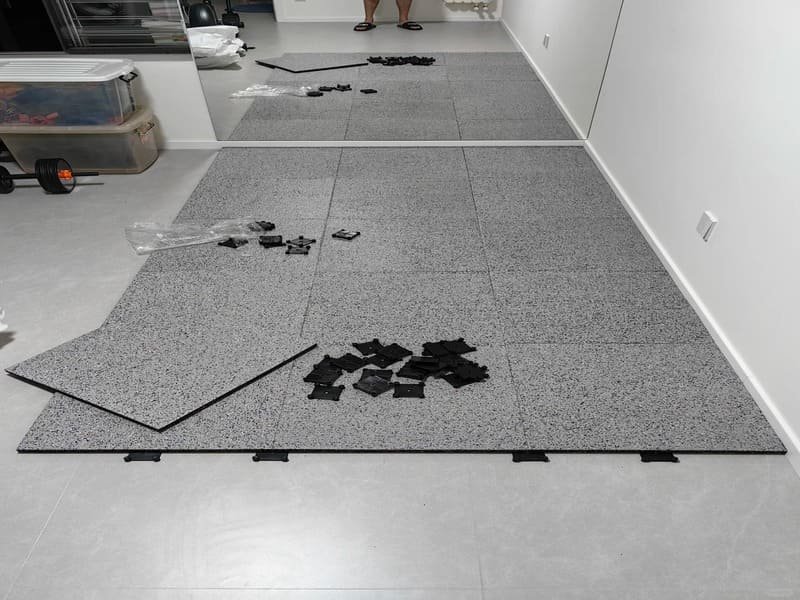
We have covered every detail of the technical data sheet.
Заключение
Numbers on a technical sheet only matter when applied to your specific use-case. Always match laboratory test data directly to your daily operational needs for optimal performance.
Об авторе:
I am an R&D engineer specializing in the manufacturing and design optimization of commercial rubber flooring. I partner with global clients to solve complex design challenges, providing custom material formulations and engineering consultation. If you need help reviewing a Technical Data Sheet or require a custom rubber flooring solution for your next project, please send me a direct message!