


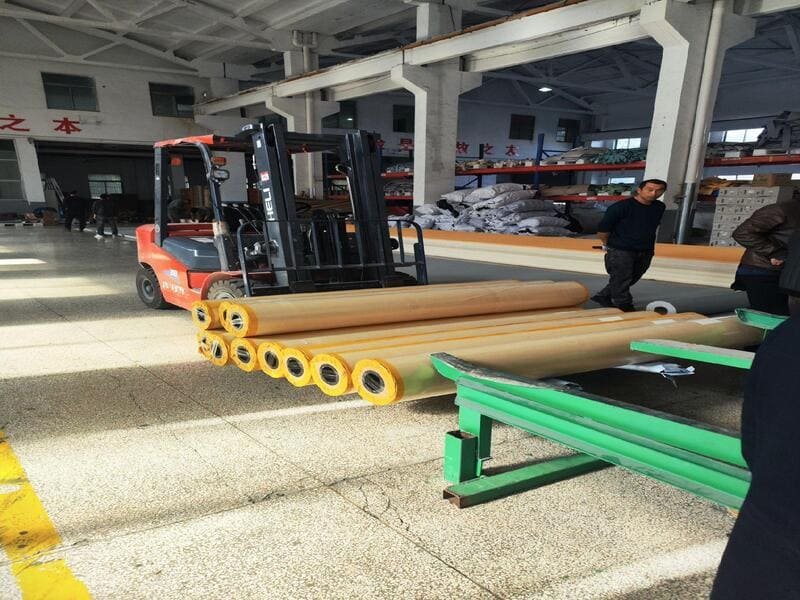
You ensure PVC sports flooring quality by verifying raw materials, checking EN 14904 compliance, inspecting layer thickness, and testing sample resilience.
As a quality control inspector who spends every day on the factory floor, I see how raw materials turn into finished goods. I know that many buyers look only at the total thickness and the price tag when they buy sports floors. This is a big mistake because low-quality flooring and premium flooring can look exactly the same on the surface. If you buy a bad floor, you will face big problems like surface bubbling, fast wear, and injuries to athletes. My goal today is to give you a clear, step-by-step guide to check, test, and maintain PVC sports flooring so you can protect your investment.
To get the best results for your gym or project, you must look deep into the structural build of the material. Let us start with the exact layers that make up a high-performance floor.
What Defines a High-Quality PVC Sports Floor Structure?
A high-quality PVC sports floor uses 100% virgin resin, a thick wear layer, a stable fiberglass mesh, and a high-density backing foam.
| Тип слоя | Standard Specifications | Key Quality Function |
|---|---|---|
| Обработка поверхности | PUR / UV Coating | Resists scratches, prevents dirt buildup, simplifies daily cleaning |
| Износостойкий слой | 1.2mm to 1.5mm (Pure PVC) | Determines product lifespan and protects against heavy foot traffic |
| Stability Layer | High-tensile Fiberglass Mesh | Prevents shrinking, expanding, or warping from temperature changes |
| Buffer Backing | High-density Foamed PVC | Absorbs shocks, protects joints, and resists heavy equipment dents |
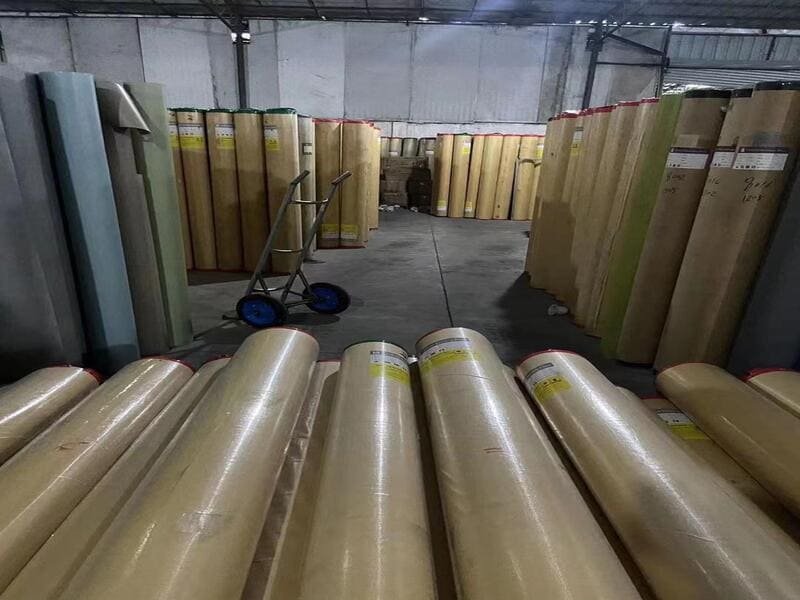
When I run tests in our factory lab, I always check the pure wear layer first. A cheap floor might be 8mm thick in total, but its wear layer is only 0.5mm. I have seen floors like that wear out in just two years. A premium floor uses a 1.2mm or 1.5mm wear layer. This thick layer means the floor can handle intense sports for over ten years.
Next is the fiberglass mesh. Without a good mesh, the floor will shrink or expand when the weather changes. This causes the seams to open up. Finally, look at the foam backing. We use closed-cell, high-density foam. If you press your thumb hard into cheap foam, the dent stays there forever. Good foam springs back instantly.
Understanding the physical layers is your first step. Now, let us look at the technical data and certificates you need to ask for before you send any money.
Which Technical Metrics and Certifications Must You Demand?
You must demand EN 14904 certification, FloorScore or AgBB air quality certificates, and a Class Bfl-s1 fire rating report.
| Standard / Certification | Required Target Values | Practical Performance Meaning |
|---|---|---|
| EN 14904 (Shock Absorption) | Class P1: $\ge 25\%$ | Class P2: $\ge 35\%$ | Reduces impact force on athletes’ joints and knees |
| EN 14904 (Friction Coefficient) | 80-110 | Prevents slipping while allowing fast athletic pivots |
| FloorScore / AgBB | Low VOC / Phthalate-free | Ensures safe indoor air quality in closed gym spaces |
| EN 13501-1 | Bfl-s1 Rating | Meets strict commercial building fire safety codes |
As a QC professional, I do not rely on words; I rely on hard data from lab machines. The EN 14904 standard is the most important rule for indoor sports flooring. For example, a basketball court requires a shock absorption rate of at least 25% to 35% to protect the knees of the players. If a supplier cannot show you an official test report for this, you should not trust them.
Air safety is another big issue. Cheap factories use low-grade plasticizers to save money. These chemicals release bad smells and toxic gases into the air. In a closed gym, this is dangerous for health. I always make sure our batches pass FloorScore tests. Also, check the fire code. A Bfl-s1 rating means the floor slows down fire and produces very little smoke, which is a key legal requirement for public buildings.
Getting the paperwork right is safe, but you also need to know how to spot factories that try to cheat the system.
How Can You Spot Common Manufacturing Shortcuts and Red Flags?
You can spot low quality by checking for chemical smells, brittle backing material, and easy layer separation.
| Common Factory Shortcut | The Hidden Root Cause | The Real Disaster for Your Project |
|---|---|---|
| Strong Chemical Odor | Using cheap, recycled PVC material | High toxic VOC emissions and bad air quality |
| Brittle Backing / Cracking | Too much calcium carbonate filler | The floor cracks easily during installation or heavy use |
| Plasticizer Blooming | Poor molecular compound mixing | A greasy white film appears on the surface over time |
| Layer Delamination | Cheap, low-grade adhesive bonding | The top wear layer separates from the foam backing |
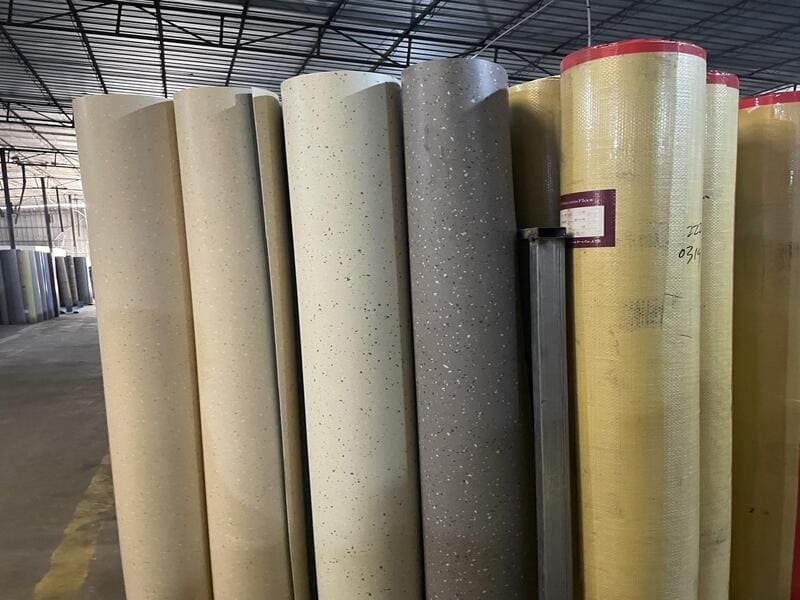
Let me tell you a story from a factory audit I did last year. I visited a low-cost mill and saw they were mixing heavy amounts of recycled scrap and white calcium carbonate powder into the raw PVC. This shortcut lowers production costs by 40%, but it ruins the product. The extra filler makes the PVC brittle. If you bend a sample of this floor, it will crack instantly.
Another major factory defect is called plasticizer blooming. When a manufacturer uses cheap oil stabilizing agents, the molecules are unstable. After a few months in a gym, a greasy white film rises to the top of the floor. This makes the surface very slippery and dangerous. If the factory uses poor glue lines, the layers will split apart under heavy foot traffic.
Knowing these factory tricks helps you filter out bad suppliers. Now, let us talk about how you can test samples on your own desk.
How Do You Test PVC Sports Flooring Samples Yourself?
You can test samples by scratching the surface, pressing the foam backing, folding the piece, and smelling it.
The Simple Four-Step Desktop QC Test
- Тест на царапины: Take a metal coin or a key and scratch the top surface with force. A good PUR-treated floor will leave no deep white gouges, only a light mark.
- The Resiliency Test: Use a heavy, blunt metal tool to press hard into the foam backing for 30 seconds. Release it and watch. High-density foam recovers its shape in seconds. Low-quality foam leaves a permanent dent.
- The Fold Test: Fold the sample in half tightly and press the crease. If the crease turns bright white or cracks, the floor contains too much stone filler and lacks virgin PVC resin.
- The Odor Test: Put the sample into a small, closed box for one hour. Open it and smell. A strong, pungent plastic smell means high VOC emissions.
Doing these four simple steps will save you from buying a terrible product. If you want to check your supplier even deeper, you must look at how they run their production lines.
Now, let us examine the factory floor processes that make a real difference in the final product quality.
What Should You Look For in a Supplier QC Process Audit?
You must look for virgin resin sourcing, automatic thickness controls, and a dedicated factory relaxation room.
Key Production Steps to Check
- Raw Material Control: A reliable technical partner must use 100% virgin PVC resin. They should have clear test receipts for every batch of polymer that enters the mixing room.
- In-Line Precision Calendaring: Look for automated rolling machines with digital thickness tracking sensors. This equipment ensures the sheet thickness stays uniform across the entire roll width.
- The Aging and Relaxation Room: This is a crucial step that many cheap factories skip. After the floor is rolled, it holds internal physical stress. Good factories store the loose sheets in a temperature-controlled aging room for 24 to 48 hours. This process relaxes the material, so it will never shrink after you glue it down in your gym.
If the factory covers all these steps, the product quality is solid. However, your job is not done yet. Excellent flooring can still fail if the installation goes wrong.
Which Post-Purchase Factors Impact the Final Quality?
Subfloor moisture testing, professional thermal welding rods, and proper cleaning tools impact the final quality.
| Critical Post-Purchase Factor | Техническое требование | Why It Matters for Longevity |
|---|---|---|
| Subfloor Moisture Limit | Below 3% to 4% moisture content | Prevents water vapor from bubbling the PVC glue |
| Seam Welding Quality | Use matching pure PVC welding rods | Creates a 100% waterproof and hygienic joint |
| Maintenance Chemical Limit | No high-alkali or solvent cleaners | Prevents stripping away the protective UV surface layer |
Even the best PVC floor will bubble up if the concrete subfloor underneath is wet. I always tell clients to install a proper moisture vapor barrier and use a self-leveling cement compound to make the base flat.
When joining the rolls, your installation team must use a professional hot-melt thermal welding machine with matching high-quality welding rods. If the weld is weak, water from mopping will seep under the floor and rot the adhesive. For long-term care, tell your cleaning staff to avoid harsh chemical solvents. Clean water and mild detergents are all you need to keep the UV coating intact.
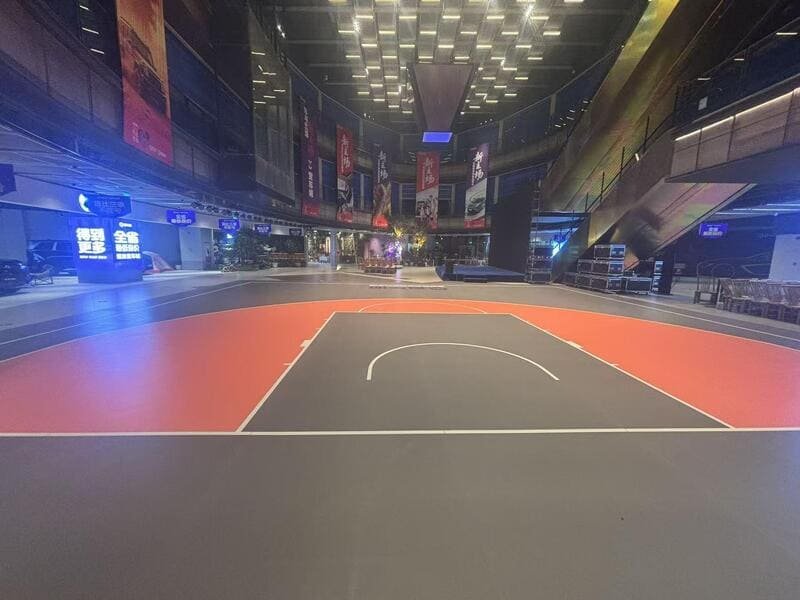
By managing both factory production and on-site installation, you ensure a perfect sports floor that lasts.
Заключение
Ensure PVC flooring quality by choosing thick virgin wear layers, demanding EN 14904 data, and verifying factory relaxation processes.
If you are sourcing PVC sports flooring for a commercial gym, school project, or distribution business and want to make sure your technical specifications are 100% correct, please send me a private message. I can help you review your samples and technical data sheets directly.