


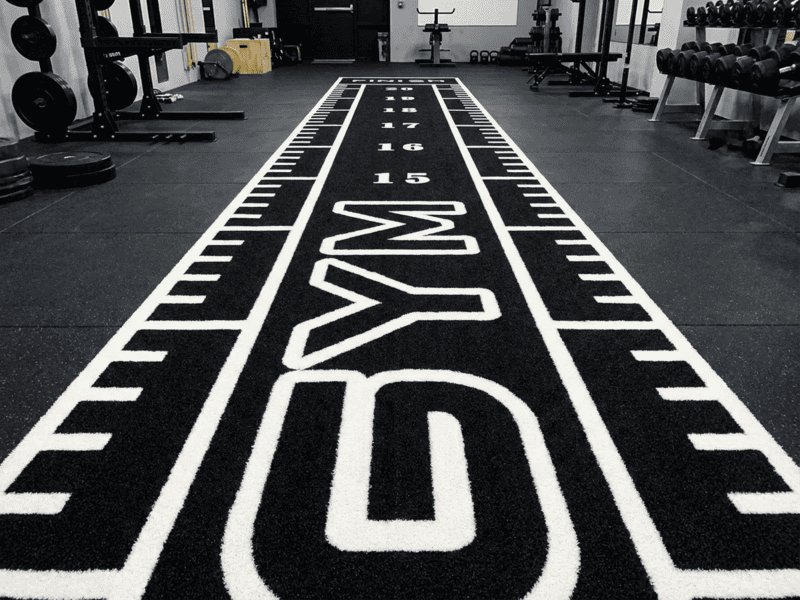
Metode utama yang memperpendek umur rumput gym adalah penggunaan pemutih dan bahan kimia yang keras, pembersihan dengan uap (kerusakan termal), dan menggunakan vakum dengan pemukul yang berputar. Praktik-praktik ini secara kimiawi merusak serat dan secara mekanis merobek lapisan rumput.
Sebagai kontraktor rumput olahraga, saya sering masuk ke fasilitas yang terlihat berusia sepuluh tahun meskipun baru dipasang dua tahun yang lalu. Penyebabnya jarang sekali karena para atlet; hampir selalu karena protokol pembersihan. Pemilik gym, yang terburu-buru membersihkan permukaan, sering kali menggunakan metode agresif yang sama dengan yang digunakan pada ubin atau karpet. Namun, rumput sintetis adalah sistem plastik khusus. Memperlakukannya seperti beton (dengan pemutih) atau karpet (dengan pemukul) adalah cara yang dijamin akan menghancurkan investasi Anda. Sebelum kita menyelami ilmu pengetahuan tentang mengapa metode ini gagal, berikut adalah jawaban singkatnya: Jika Anda ingin menjaga garansi Anda tetap berlaku, segera hentikan penggunaan metode di bawah ini.
Lembar Sontekan "Jangan Gunakan":
- Bahan kimia: Pemutih, Klorin, Aseton, Sabun berbahan dasar minyak.
- Alat: Vakum pemukul, penggaruk logam, sikat kawat.
- Panas: Pembersih uap, ekstraksi air panas (>140°F).
Apakah Pembersih Kimiawi Diam-diam Menghancurkan Lantai Gym Anda?
Ya. Menggunakan pemutih, pelarut asam, atau disinfektan yang tidak diencerkan secara kimiawi akan menyerang penstabil UV dan lapisan lateks pada rumput, sehingga menyebabkan perubahan warna yang cepat dan kerusakan struktural.
"Pembunuh diam-diam" yang paling umum pada rumput olahraga adalah pemutih (Sodium Hypochlorite). Banyak manajer fasilitas percaya bahwa pemutih adalah satu-satunya cara untuk membunuh MRSA atau staph, tetapi pada rumput sintetis, pemutih adalah bencana. Serat rumput terbuat dari Polyethylene atau Polypropylene. Pemutih bertindak sebagai pengoksidasi kuat yang menghilangkan lapisan UV dari serat-serat plastik ini. Tanpa perlindungan UV, serat-serat tersebut menjadi rapuh dan "berkapur". Pada saat kereta luncur didorong melintasi lintasan, serat-serat yang rapuh tersebut akan patah di bagian dasarnya. Selain itu, pembersih asam dan pelarut yang kuat (seperti pengencer cat atau aseton) meresap ke dalam rumput dan menggerogoti lapisan poliuretan dan lem perekat. Hal ini menyebabkan rumput terlepas dari subfloor, menciptakan gelembung dan lapisan yang longgar.
| Agen Kimia | Reaksi Kimia | Konsekuensi yang Terlihat |
|---|---|---|
| Pemutih / Klorin | Oksidasi Polimer | Memudar, rapuh, kerusakan serat. |
| Asam / Pelarut | Pembubaran Perekat | Bagian belakang runtuh, jahitan terangkat/menggelembung. |
| Deterjen Berbasis Minyak | Penumpukan Residu | Permukaan lengket yang memerangkap kotoran yang bersifat abrasif. |
Sementara bahan kimia bekerja secara perlahan, menggunakan alat mekanis yang salah memberikan cara yang jauh lebih cepat untuk menghancurkan lantai Anda.
Apakah Alat Mekanis Merobek dan Merobek Serat Sintetis?
Tentu saja. Vakum dengan batang pemukul yang berputar dan alat abrasif seperti penggaruk logam secara fisik merobek serat dari bagian belakang dan membelah ujung serat, sehingga merusak tekstur permukaan.
Jika saya dapat melarang satu alat dari setiap gym, alat tersebut adalah vakum standar perumahan dengan bilah pemukul yang berputar. Sikat ini dirancang untuk menggali tumpukan karpet. Ketika digunakan pada rumput, bulu sikat yang kaku akan menangkap simpul atau ujung rumput sintetis. Torsi motor sering kali lebih kuat daripada "pengikat jumbai" (lem yang menahan bilah rumput di tempatnya). Hasilnya adalah vakum akan mencabut serat sampai ke akarnya. Demikian pula, menggunakan penggaruk logam atau sikat kawat - alat yang dirancang untuk lansekap luar ruangan - pada rumput gym dalam ruangan adalah sebuah kesalahan. Rumput dalam ruangan biasanya memiliki tinggi tumpukan yang lebih pendek. Rumput logam bertindak seperti pisau, mencabik-cabik serat dan menciptakan kekacauan yang tidak jelas dan kusut yang meningkatkan gesekan dan terlihat tidak profesional.
| Alat | Mekanisme Kerusakan | Mengapa Ini Memperpendek Umur |
|---|---|---|
| Vakum Batang Pemukul | Gaya Tarik Rotasi | Mengekstrak serat di bagian akarnya; ujungnya berjumbai. |
| Penggaruk Logam | Abrasi Tajam | Membelah serat (fibrilasi); memotong penyangga. |
| Mesin Cuci Bertekanan (Ujung 0°) | Pemotongan Hidraulik | Mengiris bagian belakang; menggantikan pengisi; mengangkat lem. |
Anda mungkin menghindari pemutih dan penggaruk logam, tetapi jika Anda menggunakan panas tinggi untuk "mensterilkan" lantai, Anda akan melelehkan investasi Anda.
Dapatkah Suhu Tinggi dan Pembersihan Uap Melelehkan Rumput Anda?
Ya Rumput sintetis adalah plastik dengan titik leleh yang rendah; pembersihan dengan uap atau menggunakan air yang lebih panas dari 140 ° F (60 ° C) akan meleburkan serat-seratnya dan melemahkan ikatan lem pada lantai dasar.
Ada kesalahpahaman yang berbahaya bahwa "lebih panas lebih bersih." Meskipun uap sangat bagus untuk ubin, namun berakibat fatal bagi plastik. Serat polietilena memiliki titik defleksi panas tertentu. Pembersih uap beroperasi dengan baik di atas 212 ° F (100 ° C). Ketika Anda menggunakan uap pada rumput gym, serat-serat plastik akan melunak, melengkung, dan menyatu. Setelah didinginkan, serat-serat tersebut akan mengeras menjadi permukaan yang kusut dan kasar yang terasa seperti plastik yang meleleh, bukan rumput. Kerusakan ini tidak dapat dipulihkan. Selain itu, perekat yang digunakan untuk merekatkan rumput ke beton adalah termoplastik. Panas yang berlebihan dari ekstraksi air panas akan mengaktifkan kembali atau melunakkan lem ini, yang menyebabkan delaminasi. Jika Anda melihat gelembung-gelembung muncul di rumput Anda setelah dibersihkan, kemungkinan besar penyebabnya adalah sengatan panas.
| Metode Termal | Suhu | Profil Kerusakan |
|---|---|---|
| Pembersihan Uap | > 212°F (100°C) | Meleleh: Serat menyatu; teksturnya hancur. |
| Ekstraksi Panas | > 140°F (60°C) | Delaminasi: Lem gagal; rumput menggelembung. |
Kami telah membahas kerusakan aktif, tetapi pengabaian pasif-khususnya terkait kapur dan keringat-juga merupakan "metode" yang memperpendek masa pakai.
Apakah Mengabaikan Perawatan Dapat Mempercepat Keausan?
Ya. Gagal menghilangkan kapur olahraga yang abrasif dan penumpukan biologis memungkinkan gesekan internal menggiling serat dan mendorong pertumbuhan jamur yang membusuk pada bagian belakang.
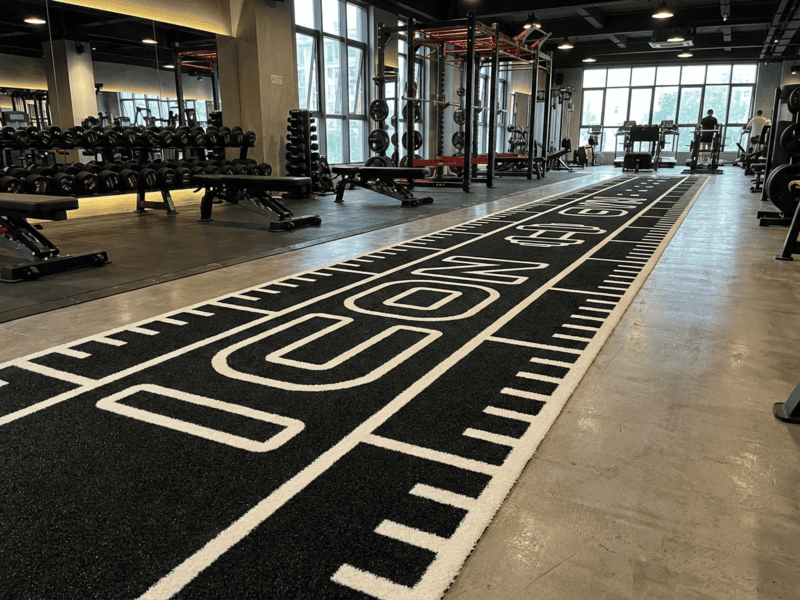
The "Neglect Method" is subtle but effective at shortening lifespan. In a gym environment, magnesium carbonate (chalk) is everywhere. If not vacuumed up, it settles deep into the base of the turf fibers. Chalk is abrasive. When athletes run or push sleds over the turf, that chalk dust acts like sandpaper, grinding against the base of the fibers until they snap. This is called "base wear." Furthermore, allowing sweat and skin cells to accumulate without sanitizing creates a biological hazard. Bacteria and mold will colonize the latex backing. Over time, this biological activity breaks down the integrity of the backing material, causing the turf to rot from the bottom up. If your facility uses specialized shock-absorbing layers, you must also know cara membersihkan dan merawat rumput sintetis yang empuk to protect the underlayment from similar moisture damage.
Setelah kita mengetahui apa saja yang merusak rumput, mari kita lihat secara singkat satu-satunya alternatif yang aman untuk memastikan Anda tidak dibiarkan tanpa solusi.
Alternatif yang Aman: Apa yang Sebaiknya Anda Gunakan?
To avoid damage, following a professional protocol on cara membersihkan dan merawat rumput gym untuk memperpanjang masa pakainya is essential, replacing aggressive methods with pH-neutral enzymatic cleaners, suction-only vacuums, and warm water spot cleaning.
Anda masih perlu membersihkan fasilitas Anda, tetapi Anda harus menukar alat-alat yang berbahaya dengan alat yang aman untuk rumput. Bagian ini bukanlah panduan lengkap, namun merupakan "daftar pengganti" untuk memastikan Anda segera berhenti menggunakan metode yang merusak.
- Ganti Pemutih dengan Pembersih Enzimatis: Alih-alih mengoksidasi plastik dengan pemutih, gunakan pembersih enzimatik dengan pH netral. Pembersih ini menggunakan bakteri untuk "memakan" sampah organik (keringat/darah) tanpa bereaksi dengan serat plastik.
- Ganti Batang Pemukul dengan Pengisap: Beralihlah ke penyedot debu tabung atau penyedot debu area luas yang gulungan sikatnya dapat dimatikan. Anda ingin penyedotan untuk mengangkat kotoran, bukan sikat untuk menarik serat.
- Ganti Uap dengan Air Hangat: Jika Anda perlu membersihkan tumpahan, gunakan air keran hangat (di bawah 120°F) dan sabun cuci piring yang lembut. Cara ini akan membersihkan secara efektif tanpa risiko kerusakan termal.
| Metode Merusak (Berhenti) | Alternatif Aman (Mulai) | Mengapa berhasil |
|---|---|---|
| Pemutih / Bahan Kimia | Pembersih Enzimatis | Membersihkan tanpa merusak lapisan UV. |
| Vakum Batang Pemukul | Vakum Khusus Hisap | Menghilangkan kotoran tanpa menarik serat. |
| Penggaruk Logam | Sapu Nilon Lembut | Mengaduk-aduk serat tanpa memotongnya. |
Rekapitulasi "Jangan Pernah Daftar"
Singkatnya, jika Anda ingin menghindari memperpendek usia rumput gym, jangan pernah menggunakan: pemutih, uap, vakum beater-bar, penggaruk logam, atau ekstraksi panas tinggi.
Mencatat daftar ini dalam ingatan adalah satu-satunya cara yang paling efektif untuk melindungi investasi Anda. Sebagian besar klaim garansi yang saya lihat ditolak karena pemiliknya menggunakan salah satu dari lima item ini. Menghindari hal-hal tersebut tidak hanya membuat lapangan tetap terlihat bagus, tetapi juga membuat garansi tetap berlaku dan memastikan keselamatan atlet Anda.
Kesimpulan
Umur rumput gym Anda lebih ditentukan oleh cara Anda membersihkannya daripada seberapa sering rumput tersebut digunakan. Bahan kimia agresif dan mesin industri adalah musuh serat sintetis. Dengan menghilangkan pemutih, panas, dan sikat abrasif dari lemari perawatan Anda, Anda menghentikan penuaan dini pada lantai Anda.