


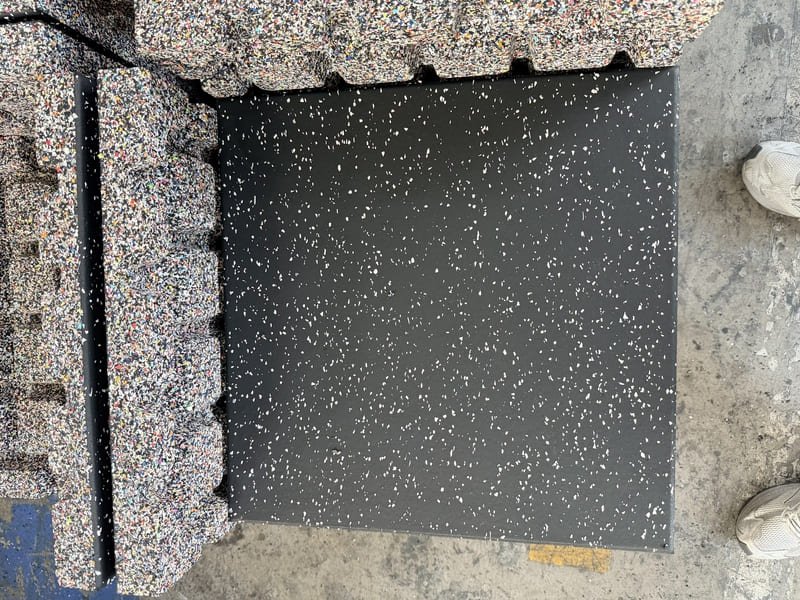
To remove sweat-salt buildup, apply a pH-neutral cleaner to the surface, let it dwell for five minutes to dissolve minerals, scrub with a soft-bristle brush to lift debris from the pores, and use a wet-dry vacuum to extract the slurry before a final fresh-water rinse.
Salt buildup is a persistent challenge in high-traffic training zones. When sweat evaporates, it leaves behind sodium chloride and urea, which crystallize into a white, abrasive film. From a quality control perspective, these crystals are more than just an eyesore; they act as a desiccant, leaching plasticizers from the rubber and eventually causing the surface to become brittle and prone to "pitting." Standard mopping often fails because it simply redistributes the dissolved minerals. Once the water dries, the salt remains, often appearing even more noticeable as a cloudy haze. Successful removal requires breaking the ionic bond of the salt and mechanically lifting it from the microscopic surface texture of the rubber. Proper extraction is the only way to ensure 100% of the residue is gone.
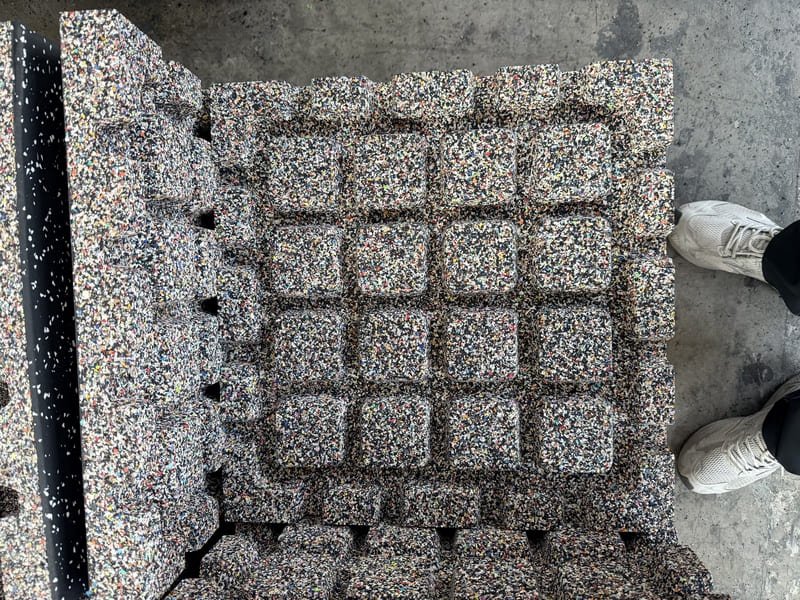
The process requires a shift from "spreading" to "extracting." Using the wrong tools will either leave the salt behind or cause long-term damage to the rubber’s structural integrity.
Why is sweat-salt so difficult to clean from rubber surfaces?
Salt is difficult because it becomes trapped in the porous surface of recycled or vulcanized rubber. Standard cleaners often lack the specific surfactants needed to break mineral bonds. The following table highlights the interaction between sweat components and rubber materials.
| Komponen | Impact on Rubber Surface | Tindakan yang Diperlukan |
|---|---|---|
| Sodium Chloride (Salt) | Abrasive wear; draws out moisture | Chemical neutralization |
| Urea & Uric Acid | Yellow staining; bacterial growth | pH-neutral sanitization |
| Body Lipids (Oils) | Creates a slippery "biofilm" | Mild degreasing agent |
In the lab, we see that "salt-burned" mats lose up to 15% of their tensile strength over prolonged exposure if not maintained. Dried salt is essentially a fine grit. When athletes move across the floor, this grit grinds into the surface, accelerating wear. Most gym owners make the mistake of using too much soap or aggressive chemicals like bleach. Bleach reacts poorly with rubber, causing it to oxidize and turn a permanent gray color. Oil-based cleaners are even worse, as they can cause the rubber tiles to swell and the seams to buckle. A simple, pH-neutral solution is the industry standard because it cleans effectively without compromising the Shore A hardness or the slip-resistance ratings of the floor.
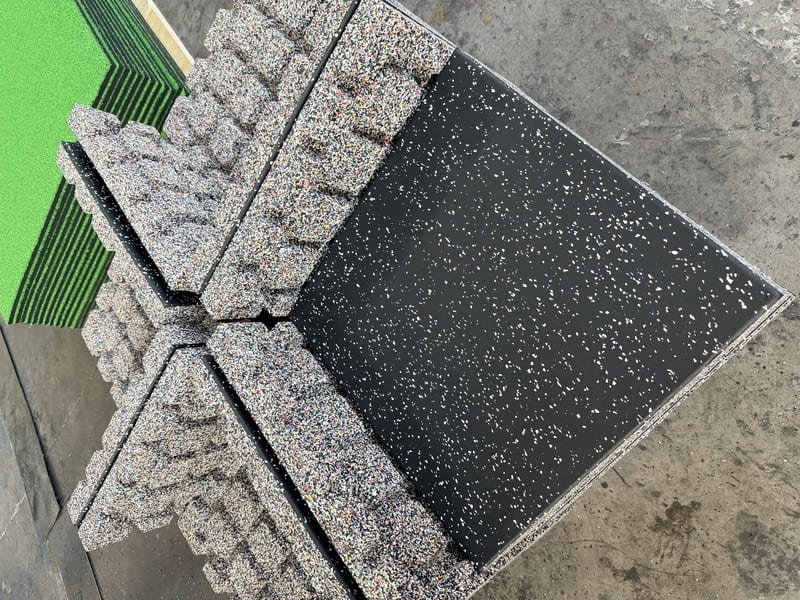
The only way to restore the floor to its original deep black or vibrant color is to follow a systematic decontamination process.
What is the best step-by-step method for deep cleaning salt?
The most effective method is the "Pre-soak, Agitate, and Extract" protocol. This ensures that minerals are dissolved and physically removed rather than dried back into the floor. Use this technical checklist to guide your deep cleaning process.
Deep Cleaning Technical Protocol
| Langkah | Tindakan | Tujuan |
|---|---|---|
| 1. Dry Soil Removal | High-CFM Vacuuming | Remove 95% of loose grit and dry salt |
| 2. Solution Application | Dwell for 5-10 minutes | Emulsify oils and dissolve mineral salts |
| 3. Mechanical Agitation | Soft-Nylon Brush Scrub | Lift minerals from textured "voids" |
| 4. Extraction | Wet-Dry Vacuum | Remove all dissolved solids from the site |
Skipping the agitation step is where most cleaning efforts fail. Mops only touch the "peaks" of the rubber texture, leaving salt in the "valleys." Start by vacuuming the floor thoroughly while it is dry. Introducing water to a dusty floor creates a salty sludge that is harder to manage. Apply your pH-neutral cleaner—I recommend a dilution ratio of 1:32 or 1:64 depending on the buildup. Let it sit, but do not allow it to dry. After the dwell time, use a soft-bristle scrub brush. This mechanical action is necessary to reach into the pores of the rubber. Finally, use a wet-dry vacuum. This is the "secret" to a haze-free floor. By vacuuming up the dirty water, you remove the salt from the environment entirely. A final rinse with clean, cold water ensures no surfactant residue is left to attract future dust.
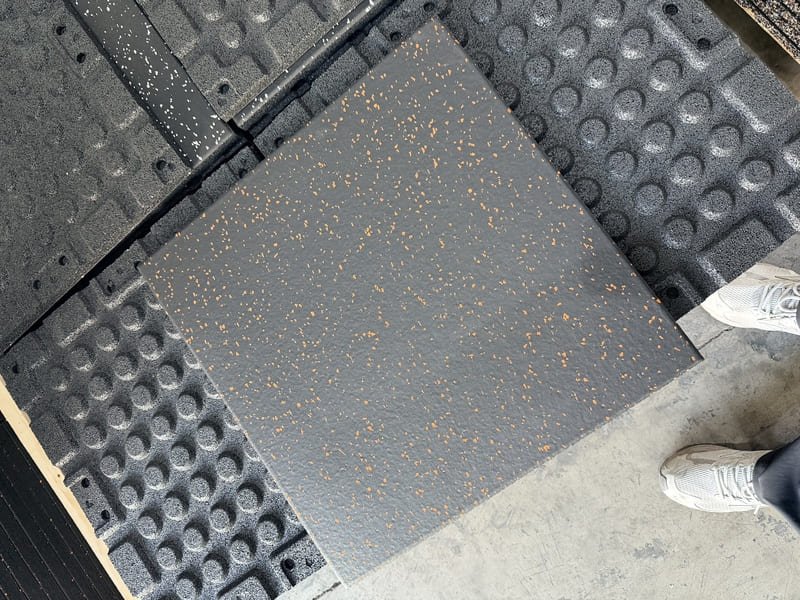
Consistency in maintenance is the only way to prevent the salt from becoming a permanent part of the floor’s appearance.
How can you prevent white salt films from returning?
Prevention centers on immediate moisture management and a strict maintenance schedule. Capturing sweat before it hits the main floor reduces deep cleaning needs by up to 70%. Follow this frequency guide to maintain peak floor performance.
| Frekuensi | Tindakan | Manfaat |
|---|---|---|
| Segera | Microfiber spot-wipe | Stops salt from crystallizing |
| Setiap hari | Damp mop (Neutral pH) | Removes daily mineral accumulation |
| Bulanan | Deep scrub extraction | Clears deep-seated pore debris |
Experience shows that gyms with a "wipe-down" culture have floors that last significantly longer. When sweat is liquid, it is 99% water; once it dries, you are dealing with a solid mineral problem. I always suggest using high-density cardio mats under equipment like rowers and stationary bikes. These "sacrificial" mats catch the bulk of the sweat, making the main floor much easier to manage. Also, pay close attention to the seams of interlocking tiles. Sweat that seeps into seams can lead to subfloor damage and persistent odors. If you are dealing with an older floor that has a heavy white haze, a one-time treatment with a very mild 5% white vinegar solution can help neutralize the alkaline salt, but this must be followed by a neutral rinse to stabilize the rubber.
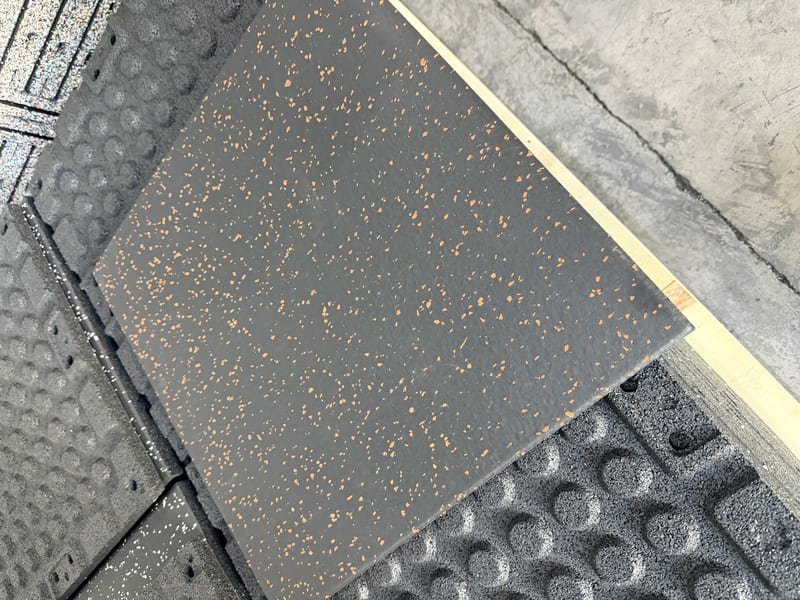
Understanding the difference between salt buildup and other floor issues is critical for choosing the right corrective action.
Frequently Asked Questions about Rubber Floor Care
Never use a pressure washer on rubber floors, as the PSI can exceed the bond strength of the rubber granules and flood the subfloor. If a floor remains gray after cleaning, it is usually due to soap residue or natural oxidation. Use the guide below to troubleshoot.
Troubleshooting Floor Appearance
- White Haze: Usually salt or soap residue. If it wipes away with a damp cloth but returns, it is salt.
- Tacky/Sticky Surface: Usually caused by using too much cleaning concentrate or oil-based soaps.
- Dull/Faded Surface: Often oxidation from UV exposure or age; cannot be cleaned off.
A common complaint I hear is that floors look "dirty" even after mopping. This is almost always due to "mop-water saturation," where the water in the bucket becomes so concentrated with salt and dirt that the mop is just moving mud around. Change your rinse water every 500 square feet. As for pressure washers, they are the number one cause of delamination in recycled rubber products. The high-pressure water stream can actually "shred" the surface or force water into the seams, leading to mold growth underneath. Stick to low-pressure, high-extraction methods for the best results.
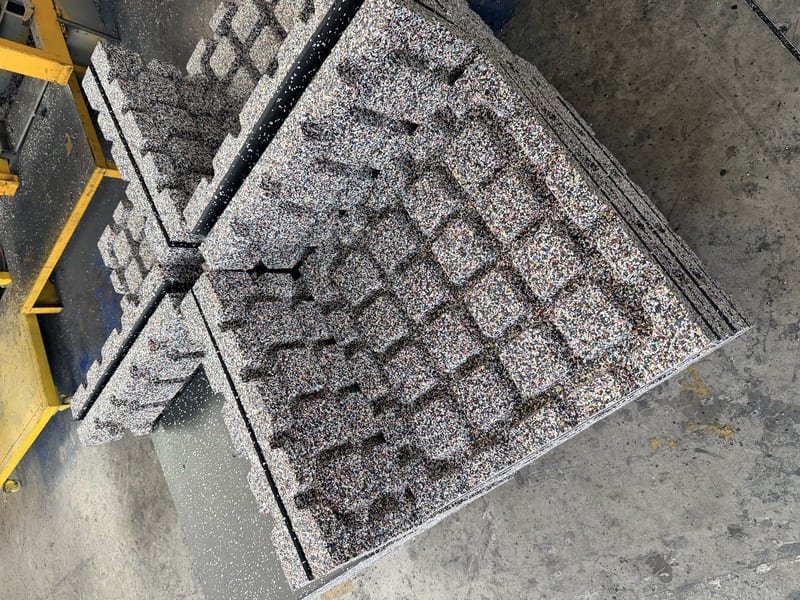
Effective rubber floor care is a balance of using the right pH-neutral chemistry and ensuring total extraction of all cleaning liquids.
Kesimpulan
Maintain rubber floors by neutralizing salts, agitating the texture, and vacuum-extracting all residue.
If you need a custom maintenance plan or want to know which rubber flooring density best resists salt penetration for your next project, feel free to send me a private message!“`