


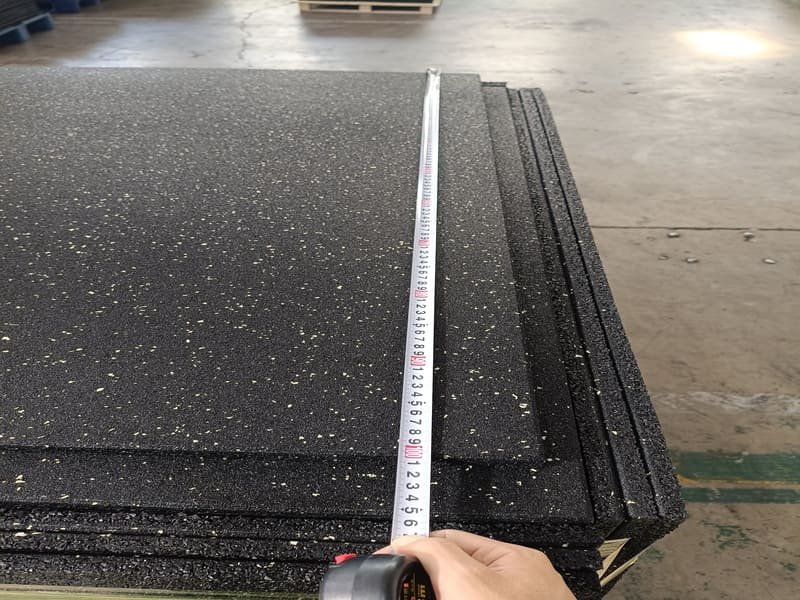
Anda dapat mengurangi bau karet hingga 80% dalam 3 hingga 7 hari dengan mengikuti urutan "Panaskan-Cuci-Udara". Cara yang paling efektif adalah dengan mengekspos keset pada sinar matahari tidak langsung selama 24-48 jam untuk memicu pelepasan gas, diikuti dengan pencucian dengan pH netral untuk menghilangkan minyak pelepas jamur dari pabrik yang memerangkap bau.
The "new mat smell" is not a mystery; it is the physical release of Volatile Organic Compounds (VOCs) trapped during the sulfur vulcanization process. Understanding how factories control odor during this phase is the first step in managing your environment. As a rubber flooring specialist, I have seen that thickness and density dictate the speed of this process. A 20mm heavy-duty gym tile will off-gas much slower than an 8mm roll. You are dealing with a material that acts like a solid sponge. If you leave it in a room with "dead air," the air becomes saturated and the smell stops leaving the mat. To fix this, you must create a concentration gradient—moving the smell from the mat to the air and then moving that air out of the building. We will focus on accelerating this movement through thermal energy and chemical neutralization.
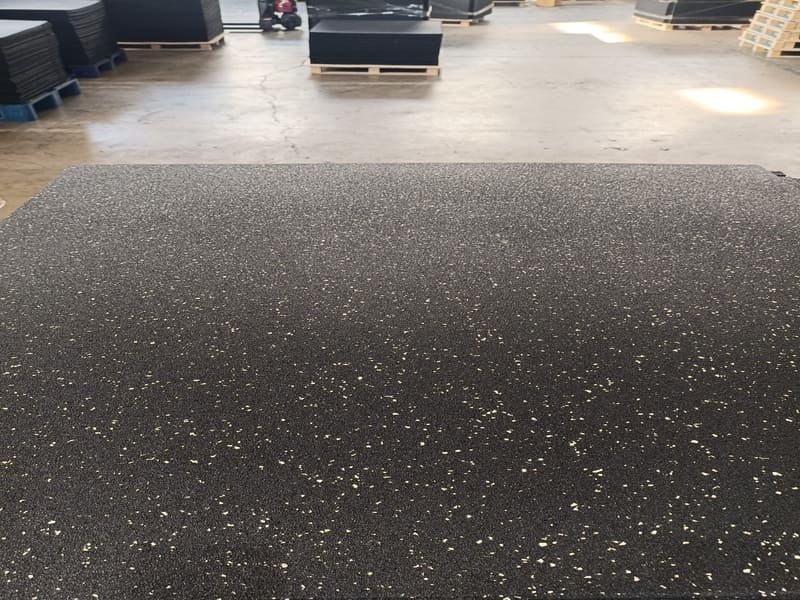
Untuk mendapatkan hasil terbaik tanpa merusak lantai Anda, Anda harus mengikuti jadwal tertentu berdasarkan lingkungan dan jenis matras Anda.
1. Rencana Aksi "Jalur Cepat" 3 Langkah
Untuk hasil tercepat, segera pindahkan tikar ke luar ruangan, gosok dengan pembersih ringan untuk menghilangkan minyak di permukaan, dan biarkan terbuka selama 48 jam di tempat yang teduh dan hangat dengan aliran udara yang tinggi sebelum membawanya ke dalam.
Saya merekomendasikan urutan khusus ini untuk 90% klien saya, karena ini mengatasi gas internal dan residu permukaan:
Langkah 1: Pemicu Termal (24-48 Jam)
Buka gulungan tikar di garasi atau area luar ruangan yang teduh. Panas adalah teman Anda. Jika suhu antara 20°C dan 30°C, VOC bergerak lebih cepat. Catatan Penting: Hindari sinar matahari langsung di tengah hari selama lebih dari 4 jam untuk mencegah degradasi UV.
Langkah 2: Pengupasan Permukaan (1 Jam)
Keset pabrik sering kali memiliki "zat pelepas jamur" (semprotan berbahan dasar silikon atau minyak). Lapisan ini memerangkap bau di permukaan. Gunakan campuran air hangat dan sedikit sabun cuci piring Dawn atau cuka putih (rasio $1:3$). Gosok, bilas, dan keringkan dengan handuk.
Langkah 3: Ventilasi Aktif (3-5 Hari)
Begitu masuk, jangan langsung membaringkannya dan menutup pintu. Gunakan kipas angin lantai untuk memindahkan udara langsung ke seluruh permukaan selama 72 jam pertama. Hal ini akan mencegah "awan bau" menumpuk di dalam ruangan.
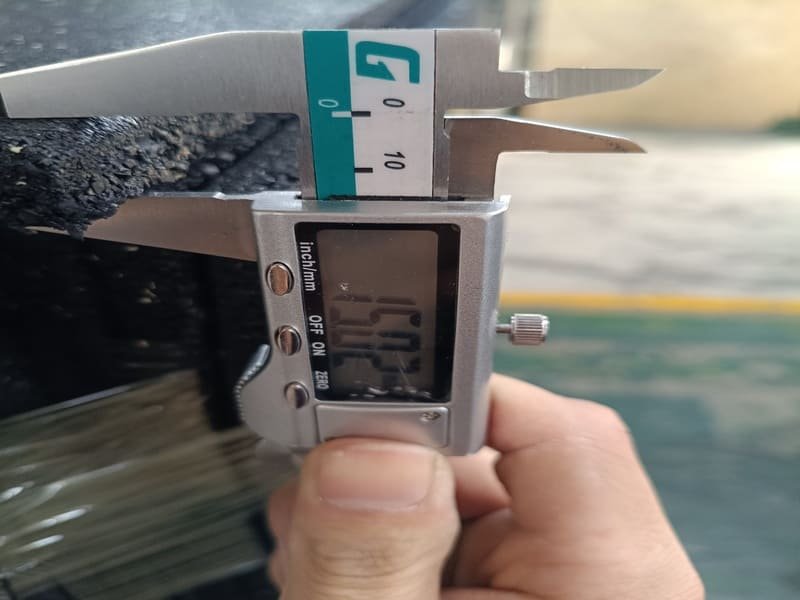
Rencana ini berhasil untuk sebagian besar, tetapi Anda harus tahu kapan bau berubah dari "gangguan" menjadi "bahaya keselamatan", terutama di rumah-rumah kecil.
2. Kapan Bau Karet Benar-Benar Berbahaya?
Jika bau tersebut menyebabkan rasa logam di mulut Anda, sakit kepala yang terus-menerus, atau iritasi mata dan tenggorokan, konsentrasi VOC terlalu tinggi untuk hunian yang aman. Anda harus berhenti menggunakan ruangan dan meningkatkan ventilasi atau melepas keset hingga aromanya hampir tidak terdeteksi setinggi dada.
Saya sering ditanya apakah karet itu beracun. Keset berkualitas tinggi (karet murni atau EPDM) secara kimiawi stabil dan aman untuk penggunaan jangka panjang. Namun, "lonjakan" awal dari gas yang keluar bisa sangat kuat. Gunakan ambang batas khusus ini untuk memutuskan langkah Anda selanjutnya:
- "Tes Hidung": Jika Anda dapat mencium bau tikar dari kamar sebelah dengan pintu tertutup, jangan biarkan anak-anak atau hewan peliharaan tidur di sana.
- "Tes Gejala": Jika Anda merasa pusing atau batuk dalam waktu 15 menit setelah berada di dalam ruangan, berarti ventilasi tidak memadai.
- Kelompok Berisiko Tinggi: Jika Anda memiliki asma, sedang hamil, atau memasang ini di kamar bayi, saya menyarankan kebijakan "Tidak Ada Toleransi". Jangan memasang matras sampai matras diangin-anginkan di tempat yang terpisah dari ruang keluarga selama minimal 14 hari.
| Kategori Pengguna | Waktu Keluar Udara yang Disarankan | Tindakan Keselamatan |
|---|---|---|
| Pusat kebugaran komersial | 2-3 Hari | Kipas angin berdaya tinggi |
| Garasi Rumah | 3-5 Hari | Jaga agar pintu garasi tidak retak |
| Kamar Tidur/Studio | 10-14 Hari | Gunakan pembersih udara dengan filter Karbon |
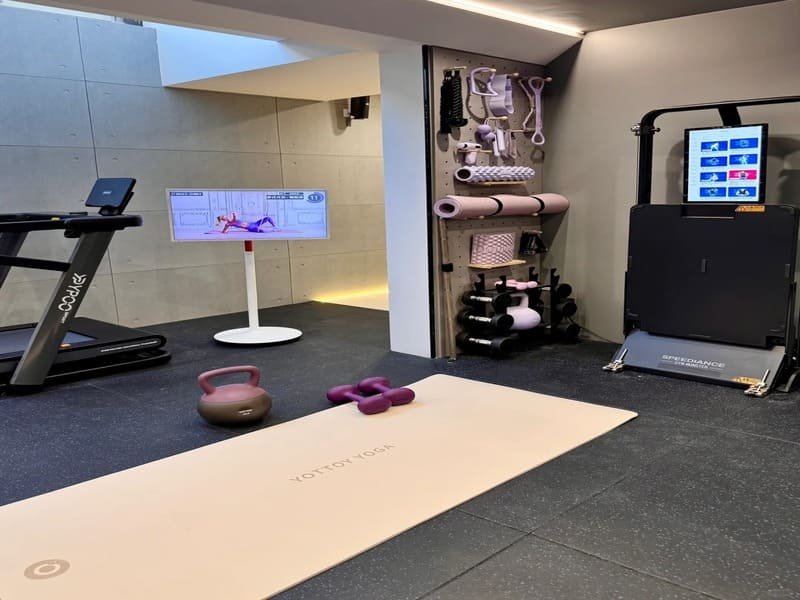
Memahami jenis matras spesifik Anda akan membantu Anda memprediksi dengan tepat berapa lama proses ini akan berlangsung dan menghindari masalah bau yang "berbulan-bulan".
3. Mengapa Baunya Bertahan Berbulan-bulan?
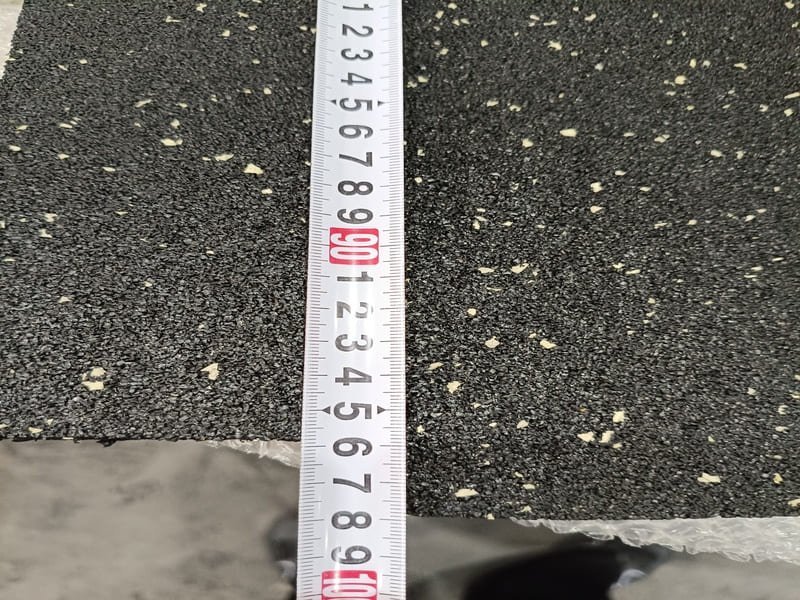
Bau dapat bertahan selama berbulan-bulan ketika karet daur ulang berkualitas rendah (kandungan sulfur tinggi) digunakan, atau ketika keset dipasang di ruangan tanpa pertukaran udara. Ubin yang padat dan tebal (lebih dari 15mm) juga secara alami menahan bau lebih lama daripada gulungan tipis karena volume bahan yang lebih tinggi.
Menurut pengalaman saya, "murah" sering kali "bau". Keset daur ulang yang terbuat dari ban truk bekas mengandung logam berat dan sulfur dalam jumlah tinggi yang digunakan dalam pembuatan ban asli. Ini bukan bau permukaan; bau ini tertanam di dalam karet remah.
- Masalah "Gulung": Jika Anda menyimpan keset yang berbau dengan cara menggulungnya, Anda secara efektif menjaga bau tersebut. Area permukaannya tersembunyi, sehingga tidak ada gas yang bisa keluar.
- Jebakan "Lantai Bawah": Jika Anda memasang karet di atas lantai dasar berpori (seperti kayu lapis) tanpa mengangin-anginkannya terlebih dahulu, kayu tersebut dapat menyerap aroma karet, sehingga baunya akan tetap ada di dalam ruangan meskipun Anda telah melepas alas tersebut.
- Solusi untuk Bau yang Membandel: Jika baunya bertahan selama 3 minggu, gunakan pembersih udara karbon aktif atau kantong arang (zeolit) yang diletakkan langsung di atas matras. Bahan-bahan ini "menarik" molekul bau dari udara.
Untuk mencegah kerusakan pada investasi Anda, Anda juga harus berhati-hati dengan bahan pembersih yang Anda pilih selama proses ini.
4. Daftar "Dilarang": Apa yang Akan Merusak Tikar Anda?
Jangan pernah menggunakan pemutih, pelarut berbasis minyak bumi (seperti WD-40), atau pembersih industri yang sangat asam. Bahan-bahan kimia ini akan memecah pengikat karet, menyebabkan keset menjadi lengket, kehilangan warnanya, atau akhirnya hancur menjadi debu halus.
Saya telah melihat banyak "peretasan" DIY secara online yang berbahaya bagi karet.
- Tidak ada cat berbahan dasar minyak: Mereka membuat keset terlihat mengkilap tetapi melarutkan permukaannya, sehingga berbahaya untuk tergelincir dan mengunci bau di dalamnya.
- Tidak Ada Penggosokan Keras dengan Sikat Kawat: Hal ini akan menciptakan goresan mikro yang akan menjebak lebih banyak debu dan bakteri penyebab bau di kemudian hari.
- Jangan Gunakan Semprotan yang "Menutupi": Menggunakan parfum yang berat atau Febreze biasanya menciptakan bau "karet manis yang sakit-sakitan" yang lebih buruk daripada aroma aslinya. Fokus pada penghilangan, bukan menutupi.
Tabel Perbandingan Cepat: Efektivitas vs Risiko
| Metode | Kecepatan | Tingkat Risiko | Terbaik untuk |
|---|---|---|---|
| Sinar Matahari Tidak Langsung | Cepat | Rendah | Semua Matras Olahraga |
| Lulur Soda Kue | Sedang | Nol | Tikar Yoga / Pilates |
| Cuci Sabun Cuci Piring | Cepat | Nol | Menghilangkan Minyak Pelepas Jamur |
| Pelarut Minyak Bumi | Sangat Cepat | EKSTREM | JANGAN PERNAH DIGUNAKAN |
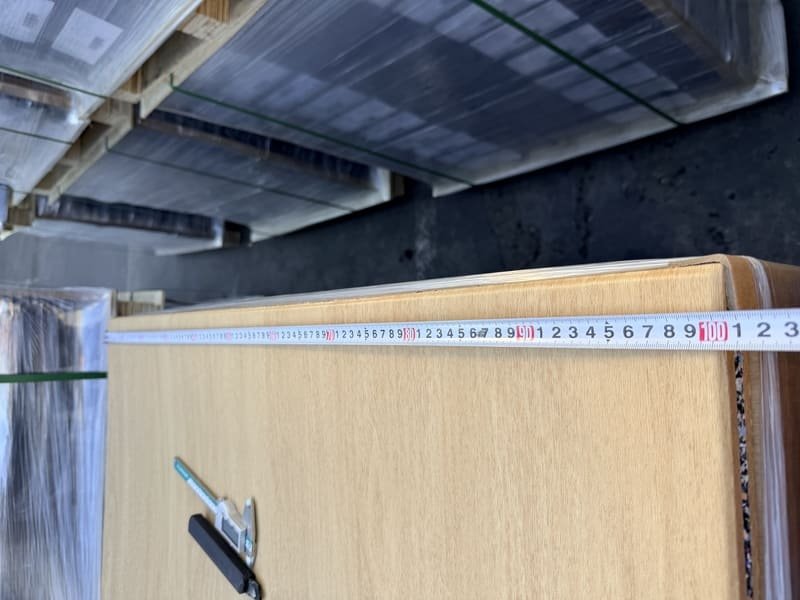
Mendapatkan alas yang tepat sejak awal adalah satu-satunya cara untuk benar-benar mengatasi masalah ini untuk proyek Anda berikutnya.
5. Bagaimana Cara Membeli "Low-Odor" untuk Proyek Anda Berikutnya?
Specify "Virgin Rubber," "Polyurethane-bonded EPDM," or "Peroxide-cured" mats when ordering. Identifying what makes low odor rubber flooring in real manufacturing terms will help you avoid high-sulfur products that linger for months. These manufacturing methods eliminate the use of high-sulfur compounds, resulting in a product that is nearly odorless upon delivery.
Ketika saya berkonsultasi tentang proyek khusus, saya selalu bertanya tentang ventilasi di lokasi akhir. Jika lokasi adalah ruang bawah tanah, saya mengarahkan klien ke karet murni atau EPDM.
- Cari Sertifikasi: Greenguard Gold atau FloorScore adalah standar emas. Ini memastikan produk telah diuji dalam ruang untuk emisi VOC rendah.
- Jenis Vulkanisasi: Tanyakan apakah pabrik tersebut menggunakan pengawetan bebas sulfur. Biayanya sekitar 15-20% lebih mahal, tetapi menghemat tenaga kerja dan waktu henti untuk mengudara di luar fasilitas.
- Sampel Pertama: Selalu minta sampel kecil dari batch produksi saat ini. Masukkan ke dalam kantong Ziploc yang tertutup rapat selama 24 jam, lalu buka. Ini akan memberi Anda pratinjau "kasus terburuk" dari tingkat aroma.
Kesimpulan
Bau karet adalah produk sampingan yang dapat dikelola dari proses produksi yang merespons paling baik terhadap panas, aliran udara, dan pengupasan minyak permukaan.
Jika saat ini Anda sedang berjuang dengan lantai yang berbau menyengat atau merencanakan fasilitas dalam ruangan kelas atas, tim teknisi saya dapat memberikan rekomendasi bahan khusus dan solusi VOC rendah. Hubungi kami hari ini untuk meminta penawaran harga atau satu set sampel karet rendah bau untuk proyek Anda berikutnya.