


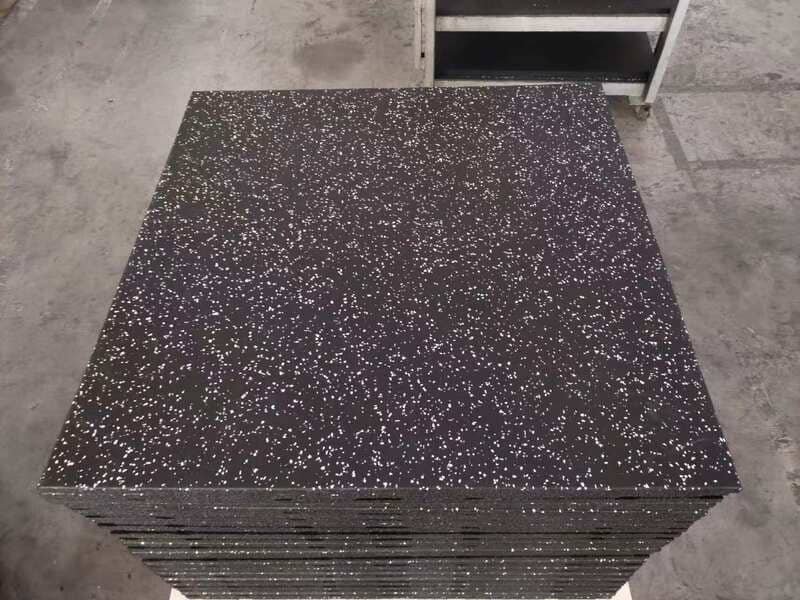
Yes, packaging and loading are critical. Poor handling causes permanent warping, edge damage, and "compression set" that ruins floor flatness. High-quality rubber flooring can become unusable scrap if not supported by heavy-duty pallets, edge protectors, and proper container bracing during long-distance transit.
Quick Answer for Buyers (TL;DR)
- Risiko: Most "defects" reported during installation are actually permanent deformations caused by 30+ days of improper shipping pressure.
- Kenyataan: If rubber arrives warped or curled, it may never lay flat, leading to tripping hazards and visible gaps.
- Solusinya: Always demand pallet photos and container loading proof before final payment to ensure your investment is protected.
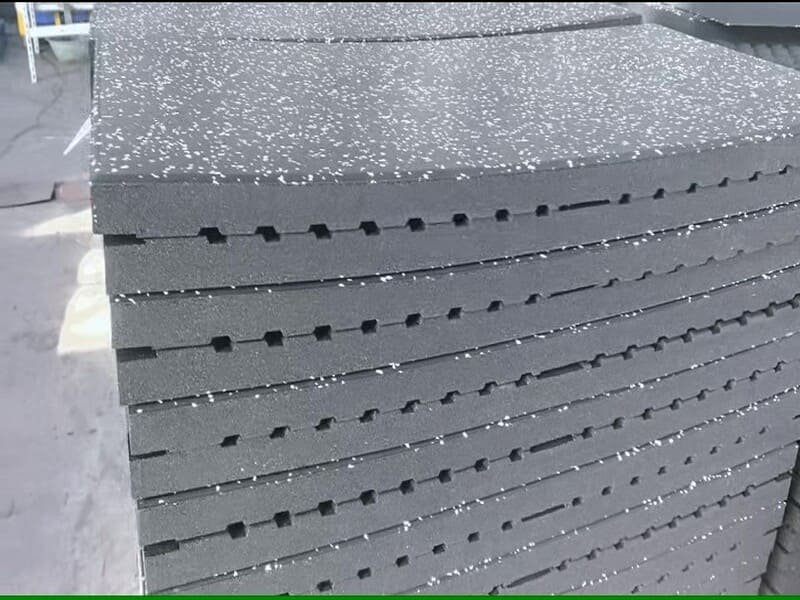
I have seen premium batches ruined by cheap pallets. You are not just buying rubber; you are buying a finished surface. If that surface is compromised in the final 48 hours at the factory, the engineering inside the product no longer matters. Logistics must be treated as the final step of the production line. I have personally inspected thousands of shipments, and the difference between a successful project and a total loss often comes down to the quality of the stretch wrap and the strength of the pallet base.
Packaging is a hidden quality metric because it maintains the structural "memory" of the rubber. It protects against physical punctures, UV fading, and moisture shifts. Proper packaging ensures that the material arrives in the exact physical state it left the production mold, preventing costly installation delays.
In the factory, we control every variable of the polymer mix. But once it leaves my sight, it faces forklifts and sea humidity. Physical protection is the obvious first layer. A single forklift tine can ruin three rolls of flooring in one second if they are not properly shielded. Then there is the environmental factor. Extreme heat in a shipping container can make low-quality wraps sweat. This traps moisture against the rubber and affects the surface finish or the chemical bond of the binder. We use a multi-layer approach to ensure the humidity stays out and the structural shape stays in.
Technical Standards for Material Protection
| Fitur | Protection Goal | Engineering Requirement |
|---|---|---|
| UV-Stabilized Film | Prevent Fading | 5-layer stretch wrap minimum |
| IPPC Pallets | Dukungan Struktural | Heat-treated solid wood |
| Corner Protectors | Prevent Strap-bite | High-density plastic/board |
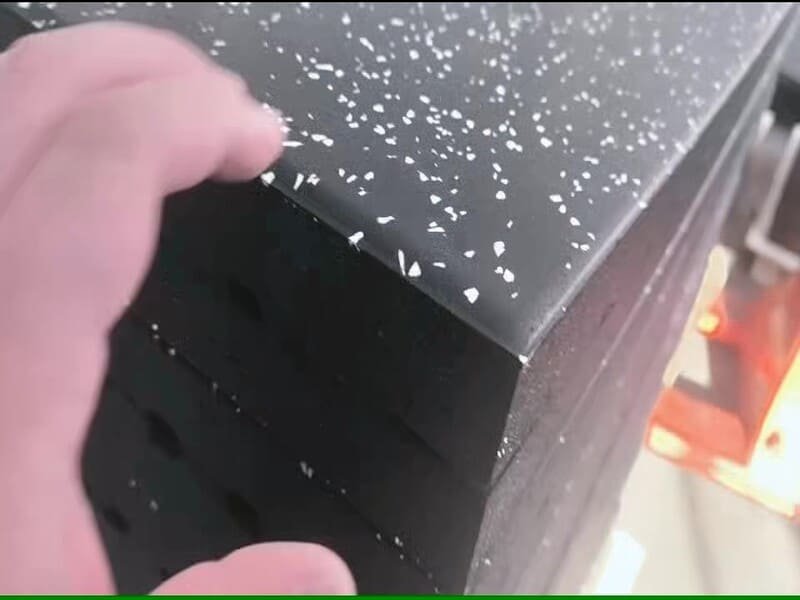
If these standards are not met, you will see the specific physical failures that drive most customer complaints during the construction phase.
Why does rubber flooring arrive warped or curled after shipping?
Rubber flooring arrives warped because of "compression set" from uneven weight or tight straps without corner protection. Rolls curl due to improper inner core diameters or excessive rolling tension. These are not material flaws; they are physical deformations caused by poor logistics and lack of structural support.
Why Rubber Mats Arrive Warped
When mats are stacked too high on a weak pallet, the middle sinks. Over a month at sea, the rubber "learns" this curved shape. This is what we call permanent deformation. If the straps are too tight, they leave deep "bites" on the edges. When you try to install these, the corners will never meet, leaving ugly gaps that look like manufacturing errors but are actually handling errors.
Why Rubber Rolls Curl After Unloading (The Edge Curl)
If a factory uses a thin cardboard core, the weight of the rubber crushes it over time. The roll becomes an oval instead of a circle. When you unroll it, you get "waves" or "edge curl" that refuses to lie flat. I always insist on a 4-inch heavy-wall core to keep the roll perfectly round. This ensures the material is under zero stress during the long journey to your facility.
| Masalah | Akar Penyebab | Solusi |
|---|---|---|
| Edge Curl | Small Core Tube | Use 100mm+ Diameter Cores |
| Warped Mats | Weak Pallet Base | Solid Wood IPPC Pallets |
| Strap Indents | No Corner Guards | 5mm Plastic Edge Protectors |
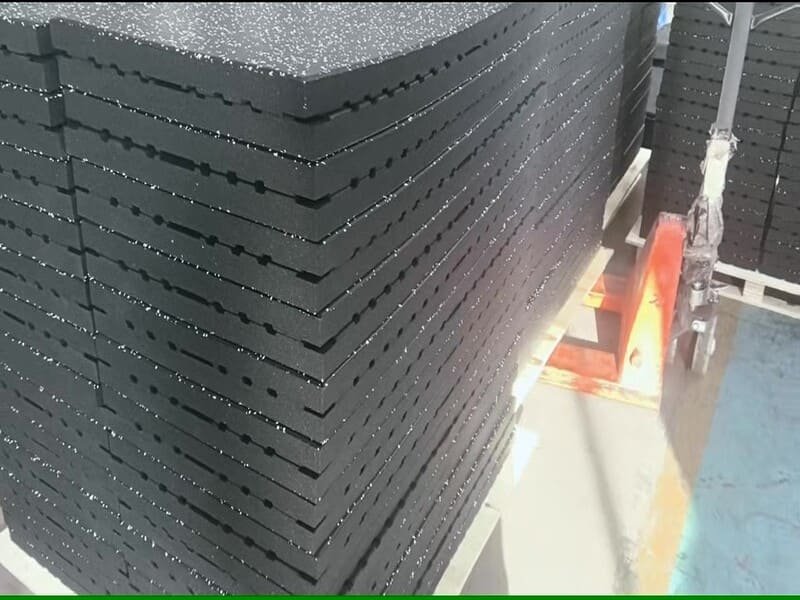
Understanding these pain points is the first step; knowing the gold standard of prevention is the second.
What is the gold standard of rubber flooring packaging?
The gold standard includes IPPC-certified solid wood pallets, 5mm thick corner protectors, and moisture-proof UV wrapping. For rolls, it requires thick-walled core tubes and vertical stacking for heavy densities. Transparent labeling with batch numbers ensures traceability and proper handling instructions for the local warehouse.
We use pallets that can support 1,000kg without flexing. We also use "strap-bite" prevention. This means placing a hard barrier between the nylon strap and the rubber. For our high-density gym rolls, we often recommend vertical stacking. This prevents the "flat spot" that happens when a heavy roll sits on its side for too long. In my experience, vertical stacking is the only way to guarantee 100% flatness for rolls over 10mm thick. Every pallet must also be wrapped in a way that allows the material to breathe slightly while keeping liquid water out.
Packaging Specs for Professional Buyers
| Komponen | Standar | Mengapa Ini Penting |
|---|---|---|
| Outer Wrap | 25-micron PE Film | Keeps dust/oil off the surface |
| Pallet Type | Solid Wood IPPC | Prevents pallet collapse |
| Labelling | "Do Not Double Stack" | Prevents crushing bottom layers |
Good packaging is useless if the container is loaded like a game of Tetris with no rules.
How does container loading strategy prevent shipping damage?
Loading strategy prevents damage by managing weight distribution and using dunnage to stop shifting. Proper loading ensures that pallets do not slide or crash into each other during ocean transit. It balances maximum container volume with the physical safety of the bottom-most layers.
We use air bags, or dunnage bags, to fill every empty gap in the container. If there is a 10cm gap, the pallets will slide. When a ship rolls at sea, that 10cm slide turns into a 1,000kg hammer hit. We also use floor bracing to anchor the load. I have seen containers that were over-stuffed to save 2% on freight, but it resulted in a 10% loss of product due to friction and crushing. A smart loading plan includes a map of where each pallet goes to ensure the heaviest items are on the floor and the weight is centered.
Container Loading Best Practices
- Weight Leveling: Never put all heavy pallets at one end of the container.
- Dunnage Bags: Essential for preventing side-to-side shifting during rough seas.
- No Double Stacking: Unless a professional mezzanine rack system is used to take the weight off the bottom units.
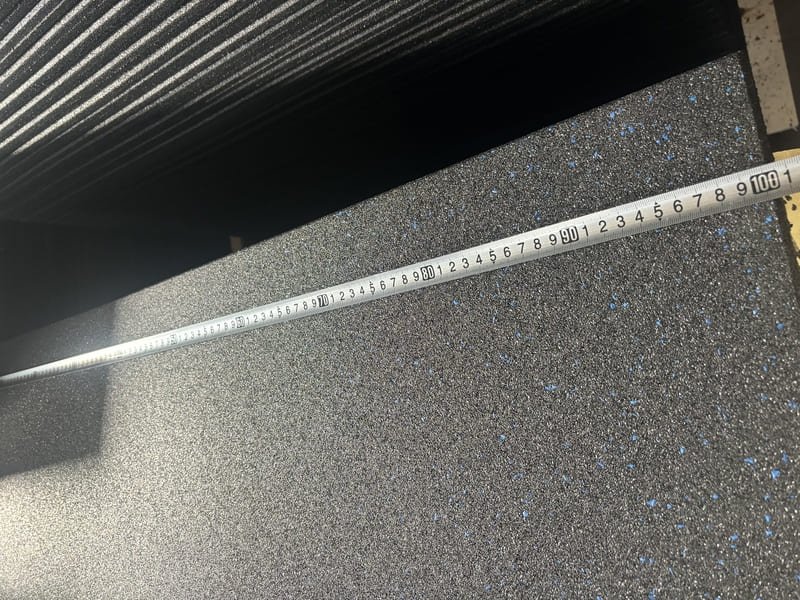
This level of care directly protects your installation budget and timeline.
How do poor logistics impact your installation labor and ROI?
Poor logistics hurt ROI by increasing labor costs and material waste. Damaged edges force installers to "trim to fit," which wastes time and rubber. Warped material requires more adhesive and longer "acclimatization" time, which can delay gym openings and lead to warranty disputes with the manufacturer.
If your rubber arrives curled, your installers cannot glue it down immediately. They have to wait days for it to "relax" and return to its flat shape. This is wasted labor money. If the corners are dented, the installer must trim each mat manually. You lose 5% of your material and pay 20% more in labor. As a manufacturer, I know that warranty claims are a major headache. Most factories will blame the shipping company, and the shipping company will blame the factory. The buyer is the one who loses. Proper loading eliminates this blame game and keeps your project on schedule.
ROI Impact Table
| Loss Factor | Konsekuensi | Dampak Biaya |
|---|---|---|
| Extra Labor | Trimming damaged edges | Tinggi |
| Material Loss | Discarding warped pieces | Sedang |
| Project Delay | Waiting for relaxation | Tinggi |
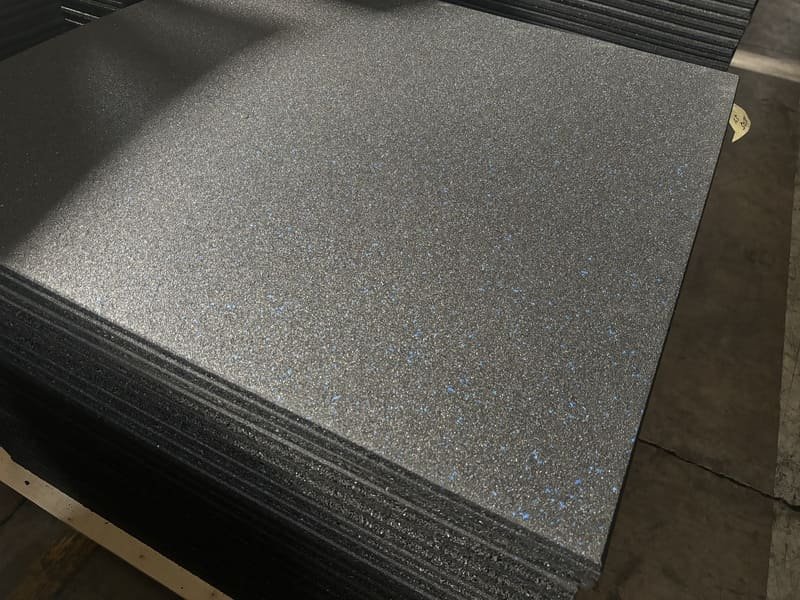
To protect yourself, you need to be proactive before the container leaves the factory floor.
Buyer Checklist: What to Verify Before Shipping
Before your order leaves the factory, use this checklist to ensure your rubber flooring arrives in "Gym-Ready" condition.
- [ ] Request Pallet Photos: Ensure corner protectors are visible and straps are not "biting" into the rubber.
- [ ] Verify Core Tubes: For rolls, confirm they are using heavy-wall cardboard cores (minimum 3-inch, preferably 4-inch).
- [ ] Check Pallet Quality: Ensure they are solid wood (IPPC) and not thin, cheap plywood.
- [ ] Demand Loading Photos: See the container half-full and full. Check for dunnage bags and bracing.
- [ ] Confirm Stacking Limits: Specifically ask, "How many pallets high are you stacking?" (Avoid more than 2 high for mats).
Kesimpulan
Quality rubber flooring is a significant investment that requires expert packaging and loading to ensure a flawless, cost-effective installation.
My Insights
I have learned that the "shipping price" is not the "delivered cost." A cheap supplier saves $200 on packaging but costs you $2,000 in ruined material. I always advise my clients to look for "Technical Partners," not just "Sellers." A partner cares about how the product looks when you open the container door, not just when it leaves the warehouse. We treat every shipment as a reflection of our factory’s reputation.
If you are currently planning a facility or need high-durability rubber flooring that is guaranteed to arrive in perfect condition, my team is here to help. We provide engineered packaging solutions and detailed loading reports for every client. Feel free to reach out to us for a technical consultation or to request free samples to test our material quality for yourself.