


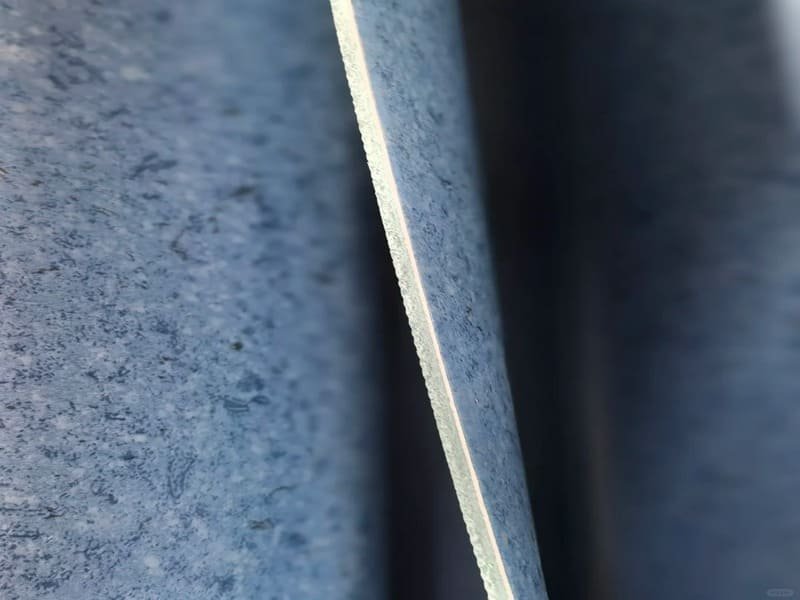
Lantai konduktif ESD adalah sistem lantai khusus yang dibuat dengan partikel karbon atau grafit yang mengalirkan listrik statis ke tanah secara aman sebelum listrik statis tersebut menumpuk dan melepaskan muatannya. Sistem ini melindungi perangkat elektronik yang sensitif, menjaga keselamatan pekerja, dan membantu fasilitas memenuhi standar industri yang ketat.
Selama bertahun-tahun saya bekerja di lantai pabrik elektronik, menyaksikan bagaimana satu percikan api saja mampu menghancurkan satu baki papan sirkuit jadi dalam sekejap mata. Momen itu mengajarkan saya mengapa lantai ESD bukanlah sekadar fasilitas tambahan. Lantai ESD merupakan bagian penting dari setiap fasilitas yang menangani komponen sensitif.
Dalam panduan ini, saya akan memaparkan kepada Anda bagaimana lantai konduktif ESD bekerja, mengapa hal ini penting, cara memilih jenis yang tepat untuk fasilitas Anda, serta cara menjaga kinerjanya dalam jangka panjang. Saya juga akan berbagi pengetahuan yang saya peroleh dari kerja sama langsung dengan para produsen terkait desain dan pemasangan lantai.
Listrik statis terasa tidak berbahaya bagi kita. Namun, bagi sebuah mikrochip, hal itu bisa berakibat fatal. Mari kita lihat mengapa hal ini terjadi dan bagaimana lantai yang tepat dapat mencegahnya.
Apa itu Pelepasan Listrik Statis (ESD)?
Pelepasan muatan elektrostatik adalah aliran listrik statis yang terjadi secara tiba-tiba antara dua benda yang memiliki muatan listrik berbeda. Hal ini terjadi ketika seseorang atau suatu benda menumpuk muatan akibat gesekan, kemudian menyentuh permukaan yang terhubung ke tanah atau bagian yang sensitif.
Muatan listrik statis menumpuk dengan cara-cara yang seringkali tidak disadari oleh kebanyakan orang. Seorang pekerja yang berjalan di atas lantai, gerobak yang bergulir dengan roda plastik, atau bahkan kursi yang meluncur di atas tikar—semuanya dapat menghasilkan muatan listrik. Berikut ini adalah cara umum terjadinya penumpukan tersebut:
| Sumber | Penyebab Umum |
|---|---|
| Tubuh manusia | Berjalan, gesekan dari pakaian, sol sepatu |
| Gerobak dorong | Roda plastik atau karet pada lantai isolasi |
| Peralatan | Getaran, pergerakan, udara dengan kelembapan rendah |
Di pabrik, laboratorium, atau ruang server, muatan ini tidak hanya diam di sana. Muatan tersebut menunggu jalur dengan resistansi rendah, dan pin mikrochip seringkali menjadi jalur termudah yang tersedia. Bahayanya tidak terlihat. Seseorang tidak dapat merasakan sengatan listrik di bawah 3.000 volt, tetapi papan sirkuit dapat rusak akibat pelepasan muatan sekecil 100 volt.
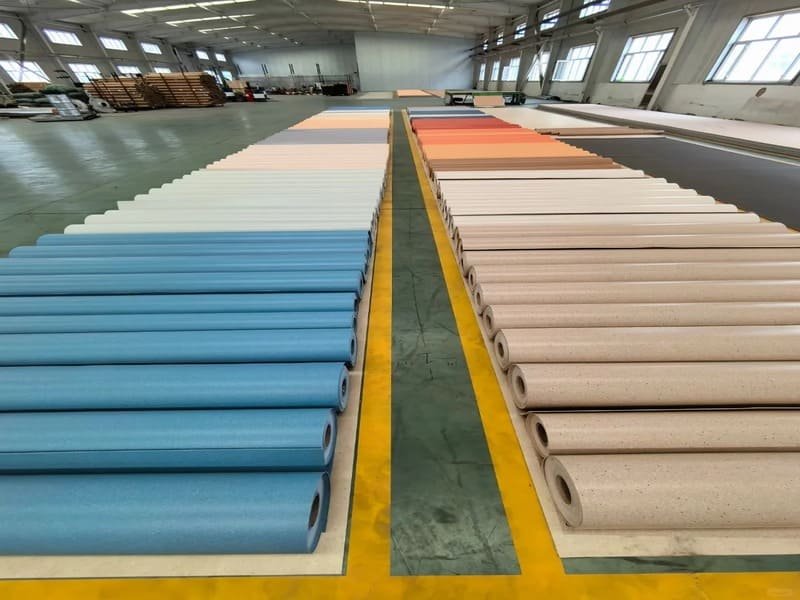
Saya pernah menyaksikan skenario persis seperti ini terjadi di jalur produksi sebelum sistem pembumian yang memadai diterapkan. Sekarang, mari kita bahas sistem lantai yang dapat mengatasi masalah ini.
Apa definisi lantai konduktif ESD?
Lantai konduktif ESD adalah bahan lantai yang dilengkapi dengan bahan tambahan konduktif, seperti serat karbon atau grafit, yang membentuk jalur berresistansi rendah untuk mengalirkan muatan listrik statis secara aman ke sistem pembumian.
Bahan dasarnya bisa berupa PVC, vinil, epoksi, atau karet. Yang membuatnya menjadi "ESD" bukanlah polimer dasarnya. Melainkan jaringan konduktif yang tertanam dalam polimer tersebut selama proses produksi. Berdasarkan pengalaman saya dalam menentukan spesifikasi lantai ini, partikel konduktif harus tersebar secara merata di seluruh bahan, bukan hanya dilapisi di permukaan, karena jika tidak, kinerja lantai akan menurun seiring dengan ausnya lapisan atas.
Berikut ini adalah jalur dasar yang dilalui muatan listrik statis:
- Muatan listrik menumpuk pada seseorang atau suatu benda.
- Muatan tersebut mengalir ke lantai konduktif saat bersentuhan.
- Lantai mengalirkan muatan ke jaringan pembumian.
- Jaringan listrik mengalirkan muatan listrik tersebut dengan aman ke tanah di sekitar bangunan.
Inilah sebabnya mengapa lantai hanyalah salah satu bagian dari sistem yang lengkap. Tanpa sambungan ground yang tepat, bahkan bahan konduktif terbaik pun tidak akan berfungsi sebagaimana mestinya.
Saat ini, banyak orang yang mengacaukan lantai "konduktif" dengan lantai "disipatif". Perbedaan ini sangat penting dalam hal kepatuhan, jadi mari kita bahas satu per satu.
Apa Perbedaan Antara Lantai Konduktif ESD dan Lantai Disipatif ESD?
Lantai konduktif ESD memiliki resistansi listrik sebesar 10⁴ hingga 10⁶ ohm, sehingga menghasilkan laju pelepasan muatan yang cepat. Lantai disipatif ESD memiliki resistansi listrik berkisar antara 10⁶ hingga 10⁹ ohm, sehingga menghasilkan pelepasan muatan yang lebih lambat dan lebih terkendali.
Rentang resistansi ini bukan sekadar detail teknis. Hal ini memengaruhi seberapa cepat muatan listrik meninggalkan tubuh seseorang, dan kecepatan tersebut sangat berpengaruh tergantung pada apa yang Anda lindungi.
Tabel Perbandingan Resistansi
| Jenis Lantai | Rentang Resistansi | Kecepatan Pengeluaran | Terbaik untuk |
|---|---|---|---|
| Konduktif ESD | 10⁴ – 10⁶ Ω | Cepat | Lingkungan yang berisiko ledakan, perangkat elektronik bersensitivitas tinggi |
| ESD yang Dapat Menghilangkan Muatan Listrik Statis | 10⁶ – 10⁹ Ω | Pelan, terkendali | Perakitan elektronik umum, fasilitas serbaguna |
Dalam kerja sama saya dengan klien, saya selalu menyarankan untuk memeriksa standar industri yang berlaku bagi proses mereka sebelum memilih rentang resistansi. ANSI/ESD S20.20 memberikan panduan berdasarkan tingkat sensitivitas komponen yang ditangani. Fasilitas yang menangani mikroelektronika yang sangat sensitif mungkin memerlukan pelepasan muatan yang lebih cepat dari lantai konduktif, sedangkan area perakitan umum mungkin hanya memerlukan lantai disipatif.
Memilih rentang resistansi yang tepat hanyalah langkah pertama. Selanjutnya, mari kita lihat bagaimana sistem perlindungan tersebut sebenarnya bekerja.
Bagaimana Cara Kerja Lantai Konduktif ESD?
Lantai konduktif ESD bekerja melalui sistem tiga bagian: permukaan lantai yang konduktif, jaring penghubung ke tanah yang terbuat dari perekat konduktif di bawahnya, serta sambungan fisik ke sistem grounding bangunan.
Saya suka menjelaskan sistem ini kepada klien dengan menggunakan analogi sederhana: bayangkan saja seperti penangkal petir untuk lantai pabrik Anda. Penangkal petir itu sendiri tidak akan berfungsi tanpa kabel yang terhubung ke tanah. Hal yang sama juga berlaku di sini.
Sistem Perlindungan 3 Bagian
- Lapisan permukaan konduktif – ubin, alas, atau lapisan resin yang bersentuhan dengan kaki dan peralatan.
- Jaring pembumian tembaga – kisi-kisi pita aluminium yang dipasang di bawah lantai, dengan jarak antar pita sesuai spesifikasi pabrikan, yang berfungsi menyebarkan muatan secara merata.
- Titik pentanah – sambungan langsung ke ground listrik gedung, yang telah diverifikasi melalui pengujian resistansi.
Ada juga komponen keempat yang sering diabaikan orang: alas kaki konduktif. Tanpa sepatu konduktif, tali tumit, atau roda caster, rangkaian listrik tidak akan tertutup. Saya pernah masuk ke fasilitas dengan lantai yang sangat baik, namun para pekerja di sana mengenakan sepatu bersol karet biasa, sehingga seluruh sistem perlindungan ESD pada dasarnya terlewati begitu saja.
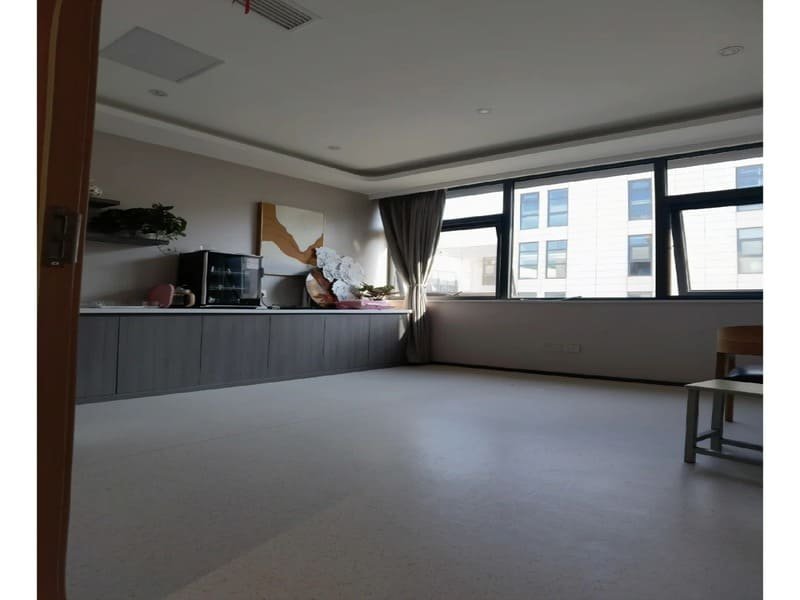
Sekarang setelah Anda memahami bagaimana sistem ini melindungi fasilitas Anda, mari kita bahas mengapa investasi ini menguntungkan.
Mengapa Anda Harus Memilih Lantai Konduktif ESD?
Lantai konduktif ESD melindungi komponen-komponen mahal dari kerusakan akibat listrik statis, menjaga keselamatan pekerja dari bahaya percikan api, membantu fasilitas lolos audit kepatuhan, dan tahan terhadap lalu lintas industri yang padat.
Saya pernah bekerja sama dengan para manajer produksi yang pada awalnya memandang lantai ESD sebagai pos pengeluaran. Setelah satu kuartal yang buruk akibat papan sirkuit yang rusak dan diketahui disebabkan oleh kerusakan akibat listrik statis, pandangan tersebut segera berubah.
Rincian Manfaat Utama
1. Perlindungan Keuangan
Mikrochip dan PCB dapat mengalami kerusakan akibat sengatan listrik sebesar 100 V saja, yang jauh di bawah ambang batas yang dapat dirasakan manusia. Lantai anti-ESD mengurangi kerugian hasil produksi komponen serta meminimalkan pekerjaan ulang dan pengembalian barang.
2. Keselamatan Karyawan
Di lingkungan yang terdapat bubuk, pelarut, atau amunisi, satu percikan api saja dapat memicu ledakan. Lantai konduktif menghilangkan risiko percikan api tersebut dan melindungi pekerja yang berada di dekat mesin-mesin sensitif.
3. Kepatuhan terhadap Peraturan
Fasilitas yang sedang berupaya memperoleh sertifikasi ISO, ANSI/ESD S20.20, atau IEC 61340 memerlukan data kinerja lantai yang terdokumentasi dan dapat diuji. Hal ini sering kali menjadi syarat untuk mempertahankan kepercayaan klien OEM.
4. Ketahanan Industri
Lantai konduktif lebih tahan terhadap lalu lintas forklift, beban yang digulirkan, dan paparan bahan kimia dibandingkan dengan alas antistatis atau semprotan antistatis sementara.
5. Perawatan yang Mudah
Permukaannya mudah dibersihkan dan tidak mudah menumpuk debu, yang menjadi hal penting di ruang-ruang yang berdekatan dengan ruang bersih.
Manfaat-manfaat ini terlihat berbeda-beda tergantung pada sektor industrinya. Mari kita lihat di mana lantai jenis ini paling banyak digunakan.
Siapa yang Membutuhkan Lantai Konduktif ESD?
Industri yang menangani perangkat elektronik sensitif, bahan kimia yang mudah menguap, atau peralatan medis penting memerlukan lantai konduktif ESD, termasuk industri manufaktur elektronik, ruang bersih, sektor kesehatan, pusat data, dan fasilitas pertahanan.
Setiap fasilitas yang pernah saya konsultasikan memiliki faktor risiko yang sedikit berbeda-beda, tetapi kebutuhannya pada dasarnya sama: mengendalikan listrik statis sebelum menimbulkan kerusakan.
| Industri | Risiko Utama | Mengapa Lantai ESD Penting |
|---|---|---|
| Elektronika/Perakitan SMT | Kerusakan komponen | Melindungi PCB dan mikroprosesor selama penanganan |
| Ruang Bersih/Laboratorium | Kontaminasi + listrik statis | Menjaga lingkungan tetap steril dan bebas guncangan |
| Layanan Kesehatan/Ruang Operasi | Gangguan pada peralatan | Melindungi peralatan penunjang kehidupan dan peralatan diagnostik |
| Ruang Server/Pusat Data | Waktu henti | Mencegah kegagalan perangkat keras akibat muatan statis |
| Kimia/Farmasi/Pertahanan | Risiko ledakan | Menghilangkan sumber percikan api |
Berdasarkan pengalaman saya, industri-industri dengan risiko tertinggi, seperti pertahanan dan manufaktur farmasi, cenderung mensyaratkan rentang ketahanan yang paling ketat serta jadwal pengujian yang paling sering.
Mengingat begitu banyak industri yang mengandalkan lantai jenis ini, memilih jenis yang tepat menjadi sangat penting. Berikut ini cara saya membimbing para pembeli dalam mengambil keputusan tersebut.
Bagaimana Cara Memilih Lantai ESD yang Tepat?
Pilihlah lantai ESD berdasarkan kisaran resistansi yang Anda butuhkan, beban lalu lintas yang diperkirakan, paparan bahan kimia, dan anggaran Anda. Ubin vinil, lapisan epoksi, dan lantai karet masing-masing cocok untuk lingkungan yang berbeda-beda.
Saya selalu memulai percakapan ini dengan menanyakan apa saja yang bergerak di lantai setiap hari. Kebutuhan sebuah ruang bersih yang hanya dilalui pejalan kaki sangat berbeda dengan lantai gudang yang dilalui forklift dan troli palet.
Perbandingan Jenis Bahan
| Bahan | Kelebihan | Kasus Penggunaan Terbaik |
|---|---|---|
| Ubin Vinyl ESD | Tahan lama, ubin yang rusak mudah diganti | Lantai produksi, perakitan umum |
| Lapisan Epoksi ESD | Tanpa sambungan, sangat tahan terhadap bahan kimia | Ruang bersih, ruang terbuka yang luas |
| Lantai Karet ESD | Ergonomis, nyaman di telapak kaki | Meja kerja berdiri, jam kerja yang panjang |
Faktor-Faktor Utama dalam Evaluasi
- Rentang resistansi listrik (10⁴ – 10⁶ Ω untuk bahan konduktif)
- Beban lalu lintas (pejalan kaki vs. alat berat)
- Paparan bahan kimia dan noda
- Anggaran, termasuk biaya pemeliharaan jangka panjang, bukan hanya harga awal
Saya sering mengatakan kepada klien bahwa ubin yang harganya paling murah di awal belum tentu menjadi lantai yang paling hemat biaya dalam jangka waktu lima tahun. Lantai karet dengan ketahanan aus yang lebih tinggi mungkin harganya lebih mahal di awal, tetapi dapat mengurangi frekuensi penggantian di area dengan lalu lintas tinggi.
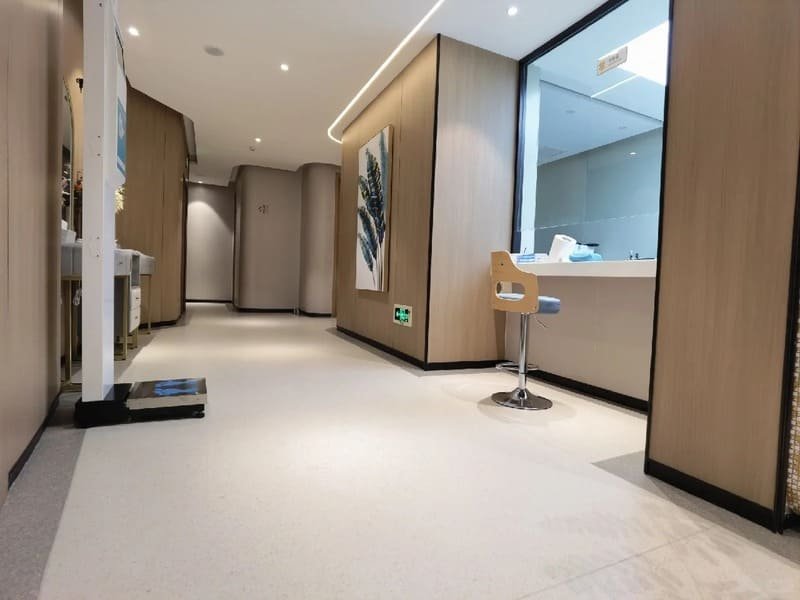
Memilih bahan yang tepat hanya akan bermanfaat jika pemasangannya dilakukan dengan benar. Mari kita bahas langkah-langkah yang menentukan keberhasilan atau kegagalan kinerja.
Apa Saja yang Termasuk dalam Pemasangan Lantai ESD yang Benar?
Pemasangan lantai ESD yang benar memerlukan persiapan lantai dasar, pemasangan jaringan grounding tembaga, perekat konduktif, serta pengujian resistansi pasca-pemasangan untuk memastikan kontinuitas listrik.
Saya tidak bisa cukup menekankan hal ini: bahkan bahan lantai terbaik pun tidak akan berfungsi optimal jika langkah-langkah pemasangan dilewati. Saya pernah dipanggil untuk menangani masalah pada sistem ESD yang bermasalah, dan dalam kebanyakan kasus, lantai itu sendiri sebenarnya dalam kondisi baik. Yang bermasalah justru sistem pembumiannya.
Langkah-langkah Instalasi
- Persiapan lantai dasar – pengujian kelembapan, perataan, dan pembersihan untuk menghilangkan kotoran yang dapat mengganggu konduktivitas.
- Pemasangan kisi-kisi tembaga – disusun sesuai pola tertentu dan dihubungkan langsung ke titik ground sistem kelistrikan gedung.
- Penerapan perekat konduktif – Perekat biasa tidak akan berfungsi di sini; perekat itu sendiri harus memiliki sifat konduktif.
- Pengujian pasca instalasi – menggunakan alat ukur resistansi untuk memastikan kontinuitas di seluruh lantai, bukan sekadar pemeriksaan acak.
Melewatkan tahap pengujian adalah kesalahan paling umum yang saya temui. Sebuah lantai bisa terlihat terpasang dengan benar, namun tetap gagal dalam pengujian resistansi karena adanya celah pada jaringan pembumian.
Setelah dipasang dan diuji, pekerjaan tidak berhenti sampai di situ saja. Pemeliharaan memastikan sistem tetap berfungsi dengan baik selama bertahun-tahun.
Bagaimana Cara Merawat Lantai Konduktif ESD?
Rawat lantai konduktif ESD dengan pembersih ber-pH netral yang dirancang khusus untuk permukaan ESD, dan lakukan pengujian resistansi secara rutin menggunakan pengukuran megohmmeter titik-ke-titik dan titik-ke-tanah.
Saya pernah melihat lantai yang dipasang dengan baik kehilangan kinerja ESD-nya dalam hitungan bulan, dan hampir setiap kali, penyebabnya adalah penggunaan produk pembersih yang salah.
Hal-hal yang Harus Dilakukan dan yang Harus Dihindari
| Apakah | Jangan |
|---|---|
| Gunakan pembersih dengan pH netral yang dirancang khusus untuk lantai ESD | Gunakan lilin komersial standar |
| Lakukan uji ketahanan secara berkala | Gunakan semir berbasis silikon |
| Mencatat hasil pengujian untuk keperluan audit | Anggap saja lantai tersebut masih berfungsi tanpa perlu diuji |
Lilin standar dan semir silikon membentuk lapisan isolasi di atas permukaan konduktif. Begitu lapisan tersebut menumpuk, lantai tidak lagi dapat melepaskan muatan statis secara efektif, meskipun tampak bersih dan berkilau.
Protokol Pengujian
Pengujian rutin harus mencakup pemeriksaan resistansi titik-ke-titik dan titik-ke-tanah menggunakan megohmmeter, yang dilakukan setiap hari atau setiap minggu, tergantung pada tingkat risiko fasilitas Anda.
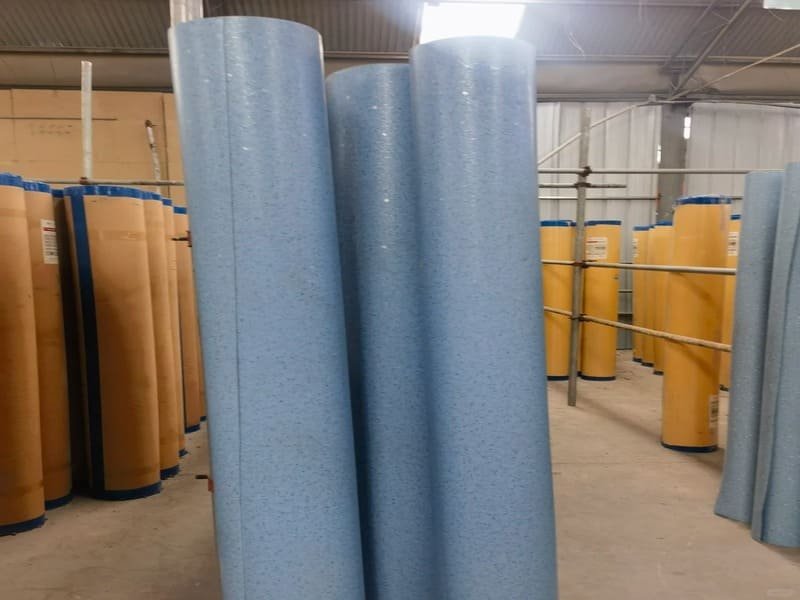
Dengan rutinitas perawatan yang tepat, lantai ESD dapat berfungsi dengan andal selama bertahun-tahun. Mari kita bahas beberapa pertanyaan lain yang sering saya dengar dari para insinyur dan manajer fasilitas.
Pertanyaan yang Sering Diajukan
Apakah lantai antistatis sama dengan lantai konduktif ESD?
Tidak. “Anti-statis” adalah istilah yang luas. Lantai konduktif ESD memiliki kisaran resistansi 10⁴–10⁶ ohm, sedangkan lantai disipatif memiliki kisaran resistansi 10⁶–10⁹ ohm. Pilihan yang tepat bergantung pada standar industri Anda.
Apakah saya bisa memasang ubin ESD di atas lantai beton atau epoksi yang sudah ada?
Dalam banyak kasus, ya, asalkan lantai dasar lulus uji kelembapan dan telah diratakan dengan benar. Saya selalu menyarankan untuk melakukan uji kelembapan terlebih dahulu, karena kelembapan yang terperangkap dapat memengaruhi daya rekat perekat dan kinerja jangka panjangnya.
Berapa lama masa pakai lantai konduktif ESD?
Dengan pemasangan dan perawatan yang tepat, lantai ESD berbahan vinil dan karet umumnya dapat bertahan selama 10 hingga 15 tahun, sedangkan lapisan epoksi bahkan dapat bertahan lebih lama lagi di ruang bersih yang terawat dengan baik.
Seberapa sering saya harus menguji konduktivitas lantai ESD saya?
Sebagian besar fasilitas melakukan pengujian setiap minggu, meskipun di lingkungan berisiko tinggi seperti fasilitas pertahanan atau pabrik farmasi, pengujian sering kali dilakukan setiap hari. Frekuensi pengujian harus disesuaikan dengan tingkat sensitivitas ESD fasilitas Anda serta persyaratan kepatuhan yang berlaku.
Kesimpulan
Lantai konduktif ESD melindungi komponen, menjaga keselamatan pekerja, dan membantu fasilitas memenuhi standar kepatuhan.
Peran Saya
Saya bekerja secara langsung dengan produsen dalam penyediaan solusi lantai konduktif ESD khusus dan dalam jumlah besar, mulai dari pemilihan bahan hingga panduan pemasangan. Latar belakang saya berada di bidang manufaktur lantai ESD, di mana saya berfokus pada penyesuaian rentang resistansi, jenis bahan, dan desain grounding dengan proses spesifik serta kebutuhan kepatuhan setiap fasilitas. Saya telah mengatasi tantangan desain yang tidak dipertimbangkan klien sejak awal, termasuk masalah tata letak grid grounding dan pemilihan bahan untuk paparan campuran bahan kimia dan lalu lintas.
Jika Anda sedang mempertimbangkan penggunaan lantai konduktif ESD untuk fasilitas Anda, baik untuk bangunan baru maupun renovasi, silakan hubungi saya secara langsung. Saya dengan senang hati akan mendiskusikan persyaratan resistansi, pilihan bahan, atau pertanyaan seputar pemasangan yang Anda miliki.