


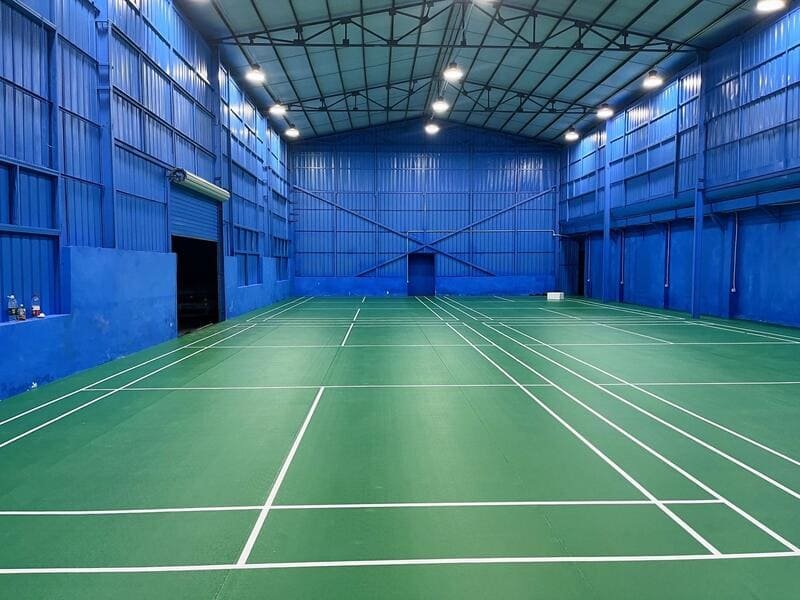
Serah terima yang lengkap mencakup daftar periksa yang telah ditandatangani, dokumentasi lengkap, pemeriksaan fisik bersama, penandatanganan persetujuan atas cacat, dan bahan cadangan. Jika salah satu dari hal tersebut terlewatkan, Anda berisiko menghadapi garansi yang dibatalkan dan sengketa klaim.
Saya sudah menyerahkan begitu banyak lantai olahraga PVC hingga tak terhitung jumlahnya, dan saya bisa katakan bahwa saat sambungan terakhir dilas bukanlah titik akhir. Terlalu banyak pemilik fasilitas yang mengambil kunci dan pergi begitu saja tanpa memperhatikan apa pun selain lantai yang bersih. Lalu, enam bulan kemudian, noda tak kunjung hilang, atau klaim garansi ditolak karena tak ada yang mencatat nomor batch. Serah terima bukanlah sekadar urusan administrasi demi administrasi. Ini adalah jembatan antara pemasangan yang telah selesai dan lantai yang berfungsi dengan aman selama sepuluh, lima belas, bahkan dua puluh tahun. Jika Anda mengabaikannya, Anda tidak akan menghemat waktu, melainkan hanya menunda biaya ke masa depan yang lebih menyulitkan.
Jadi, apa saja yang harus sudah ada di tangan Anda sebelum tim meninggalkan lokasi? Mari kita bahas langkah demi langkah, dimulai dengan daftar periksa yang bisa Anda cetak dan gunakan hari ini juga.
Apa Saja yang Termasuk dalam Daftar Periksa Serah Terima Lantai Olahraga PVC yang Lengkap?
Daftar periksa serah terima yang lengkap mencakup sertifikat produk, ketentuan garansi, catatan pemasangan, hasil pemeriksaan, pelatihan staf, dan bahan cadangan. Gunakan daftar ini untuk memastikan tidak ada yang terlewat sebelum Anda menandatangani.
Saya menyerahkan daftar persis ini kepada setiap klien sebelum kita duduk bersama untuk persetujuan akhir. Cetak, telusuri, dan periksa.
| Item | Disediakan oleh | Selesai |
|---|---|---|
| Sertifikat produk dan kepatuhan | Produsen | ☐ |
| Dokumen garansi | Produsen & Pemasang | ☐ |
| Dokumen pemasangan & dokumentasi kondisi setelah pembangunan | Pemasang | ☐ |
| Panduan pembersihan dan perawatan | Produsen | ☐ |
| Laporan pemeriksaan fisik | Pemasang & Pemilik (bersama) | ☐ |
| Panduan Pelatihan Staf | Pemasang | ☐ |
| Daftar pekerjaan yang belum selesai / daftar cacat | Pemasang | ☐ |
| Stok bahan cadangan | Produsen/Pemasang | ☐ |
| Sertifikat penerimaan yang telah ditandatangani | Pemilik & Kontraktor | ☐ |
Jika ada baris mana pun pada tabel tersebut yang kosong saat Anda diminta untuk menandatangani, berhentilah sejenak dan mintalah agar baris tersebut diisi. Itulah inti dari panduan ini.
Sekarang, mari kita lihat mengapa proses ini begitu penting sebelum kita menguraikan setiap poinnya.
Mengapa Proses Serah Terima yang Terstruktur Itu Penting?
Proses serah terima yang terstruktur melindungi garansi Anda, memastikan kepatuhan terhadap standar keselamatan, dan menetapkan tanggung jawab yang jelas sebelum pembayaran akhir diserahkan. Jika Anda mengabaikannya, Anda akan kehilangan ketiganya.
Anggaplah serah terima ini sebagai jaring pengaman Anda. Tanpa itu, jika ada sambungan yang terlepas pada tahun kedua, tidak ada yang bisa membuktikan apakah itu disebabkan oleh cacat produksi, kesalahan pemasangan, atau pemeliharaan yang buruk oleh tim kebersihan. Area abu-abu itulah yang menjadi sumber sengketa. Proses yang jelas akan menutup celah tersebut.
Apa yang dilindungi oleh serah terima yang terstruktur
| Risiko Tanpa Serah Terima | Masalah Apa yang Dapat Diatasi oleh Serah Terima Terstruktur |
|---|---|
| Garansi dibatalkan karena ketentuan yang tidak jelas | Ketentuan jaminan tertulis yang ditandatangani oleh semua pihak |
| Lantai yang tidak memenuhi standar yang digunakan untuk kompetisi | Sertifikat kinerja yang telah diverifikasi, jika berlaku |
| Perselisihan mengenai tanggung jawab setelah terjadinya kerusakan | Sertifikat penerimaan yang telah ditandatangani beserta daftar cacat |
Saya pernah melihat beberapa fasilitas gagal mendapatkan klaim garansi hanya karena tidak ada yang bisa menunjukkan sertifikat kepatuhan aslinya. Masalah seperti itu mudah dicegah, dan biayanya hanya sebatas sebuah map.
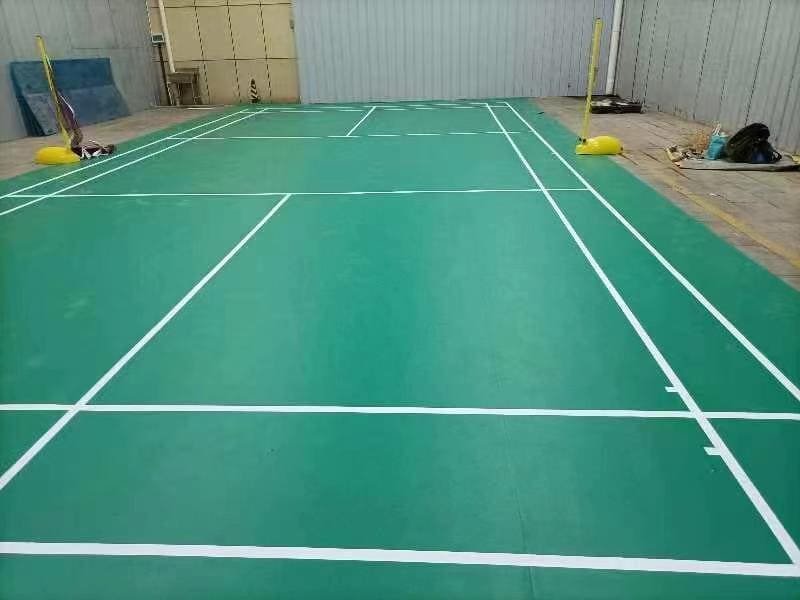
Setelah Anda memahami mengapa hal ini penting, pertanyaan selanjutnya bersifat praktis: siapa sebenarnya yang menyerahkan apa kepada Anda?
Siapa yang Bertanggung Jawab atas Penyusunan Paket Serah Terima?
Pabrikan menyediakan sertifikat produk dan kepatuhan, sementara pihak pemasang menyediakan catatan pemasangan dan pemeriksaan, dan bersama-sama mereka menyerahkan paket lengkap tersebut kepada pemilik fasilitas.
Ini adalah hal yang jarang ditanyakan orang sejak awal, dan hal ini menimbulkan kebingungan di kemudian hari ketika ada dokumen yang hilang dan tidak ada yang tahu siapa yang seharusnya menyediakannya.
Siapa yang menyediakan apa
- Pabrikan menyediakan: lembar data teknis, lembar data keselamatan bahan, sertifikat kepatuhan dan kinerja, ketentuan garansi produk, serta buku panduan perawatan.
- Program penginstal menyediakan: catatan pemasangan, rincian perekat dan pengelasan sambungan, gambar tata letak sesuai kondisi sebenarnya, laporan pemeriksaan, daftar pekerjaan yang belum selesai, dan jaminan kualitas pengerjaan.
- Pemilik fasilitas menerima: paket lengkap dan terpadu, yang telah ditinjau dan disetujui sebelum pembayaran akhir.
Saya selalu memastikan pembagian tugas ini bersama klien di awal proyek, bukan di akhir. Hal ini mencegah terjadinya percakapan yang canggung di mana semua orang mengira orang lainlah yang mengurus dokumen-dokumen tersebut.
Setelah tanggung jawabnya jelas, pertanyaan selanjutnya adalah soal waktu. Kapan tepatnya serah terima ini harus dilakukan?
Kapan Lantai Olahraga PVC Harus Diserahkan?
Penyerahan harus dilakukan hanya setelah proses pengeringan perekat, pembersihan, dan pemeriksaan kinerja selesai, serta semua cacat telah diperbaiki. Melakukan penandatanganan serah terima terlalu dini merupakan salah satu kesalahan paling umum yang saya temui.
Lantai belum siap diserahkan begitu gulungan terakhir selesai dilas. Ada urutan tertentu, dan masalah mulai muncul ketika langkah-langkah dalam urutan tersebut dilewati.
Urutan serah terima
- Pemasangan telah selesai dan permukaan telah diperiksa secara visual.
- Masa pengeringan perekat telah selesai, sesuai dengan persyaratan pabrikan untuk perekat tersebut.
- Pembersihan awal telah dilakukan untuk menghilangkan sisa-sisa pemasangan.
- Pemeriksaan kinerja dan keselamatan telah diselesaikan (sambungan, kerataan, ketahanan terhadap selip).
- Semua cacat yang teridentifikasi telah diperbaiki.
- Persetujuan resmi dan penyerahan dokumen.
Terburu-buru pada langkah kedua adalah kesalahan yang paling sering saya temui. Waktu pengeringan bervariasi tergantung pada jenis perekat dan kondisi lokasi, sehingga jangka waktu yang ditentukan oleh produsen harus selalu dijadikan acuan, bukan sekadar pedoman umum.
Begitu waktunya tepat, saatnya kedua belah pihak berjalan bersama-sama di lantai pameran.
Dokumen apa saja yang harus dimasukkan dalam paket serah terima?
Paket tersebut harus mencakup sertifikat produk dan keselamatan, ketentuan garansi, panduan protokol pembersihan, serta catatan as-built yang mencantumkan nomor batch. Jika salah satu di antaranya tidak terlampir, hal itu akan melemahkan perlindungan Anda.
Jika tidak tertulis, berarti hal itu tidak ada. Janji lisan mengenai cakupan garansi atau aturan kebersihan cepat terlupakan, terutama setelah tim kebersihan berganti satu atau dua tahun kemudian.
Daftar periksa dokumentasi inti
- Lembar Data Teknis (TDS) dan Lembar Data Keselamatan Bahan (MSDS) — pastikan komposisi bahan yang tepat dan persyaratan penanganan.
- Sertifikat kepatuhan, jika berlaku — seperti ISO 9001, ISO 14001, tingkat ketahanan api, dan standar emisi VOC, tergantung pada persyaratan proyek dan pasar tujuan.
- Sertifikat prestasi olahraga, jika ada — mencakup penyerapan guncangan, deformasi vertikal, dan gesekan, untuk lantai yang digunakan dalam pertandingan kompetitif.
- Dokumen garansi — garansi produk dari produsen, jaminan kualitas pengerjaan dari pihak pemasang, serta ketentuan yang jelas mengenai hal-hal yang dapat membatalkan jaminan.
- Protokol pemeliharaan dan pembersihan — langkah-langkah pembersihan harian, mingguan, dan pembersihan mendalam, bahan kimia yang diizinkan, serta bahan kimia yang dilarang.
- Dokumen as-built — rencana tata letak akhir, lokasi sambungan, dan nomor batch/lot untuk perbaikan di masa mendatang yang warnanya harus serasi.
Poin terakhir mengenai nomor batch itulah yang paling sering dilupakan orang. Patch perbaikan dari batch produksi yang berbeda bisa terlihat berbeda warnanya, dan pada saat itu batch aslinya mungkin sudah habis terjual.
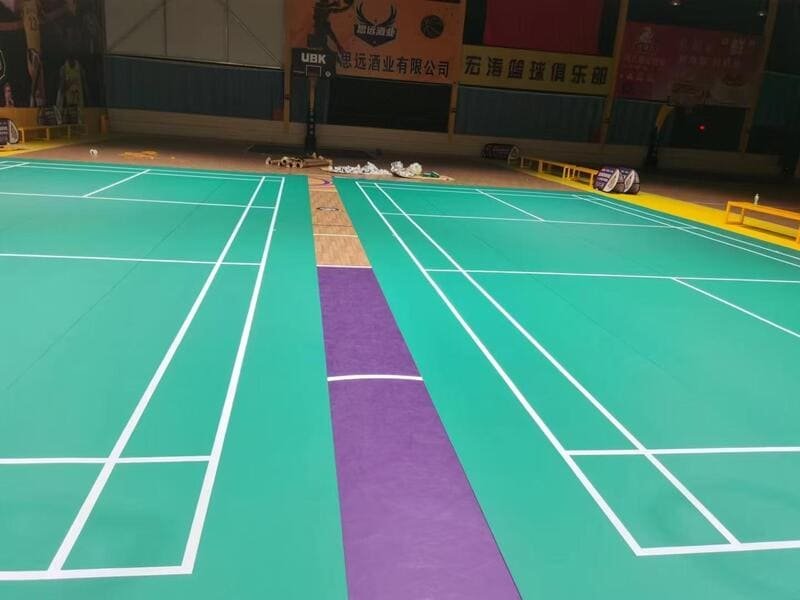
Namun, dokumen saja tidak cukup. Dokumen hanya relevan jika lantai itu sendiri lulus pemeriksaan terlebih dahulu.
Apa Saja yang Harus Anda Periksa Selama Inspeksi Fisik di Lokasi?
Kedua belah pihak harus bersama-sama memeriksa sambungan, hasil akhir permukaan, kerataan, daya cengkeram, dan ketepatan garis permainan sebelum menandatangani persetujuan. Langkah ini memastikan bahwa lantai sesuai dengan spesifikasi yang tercantum dalam dokumen.
Saya meninjau setiap lantai bersama klien sebelum kami menandatangani dokumen apa pun. Proses ini memakan waktu satu jam, kadang-kadang dua jam, tetapi dengan begitu kami bisa mendeteksi masalah saat biayanya masih terjangkau untuk diperbaiki.
Daftar periksa pemeriksaan fisik
| Area | Apa yang Harus Diperhatikan |
|---|---|
| Sambungan yang dilas dengan panas | Berkelanjutan, halus, tidak berpori, sejajar dengan permukaan |
| Permukaan akhir | Warna seragam, tanpa gelembung, tanpa jejak, tanpa goresan |
| Detail tepi | Papan pinggir yang tepat, strip transisi, ambang pintu |
| Kerataan dan kesetaraan | Kepatuhan lapisan dasar telah dipastikan setelah pemasangan |
| Resistensi slip | Cengkeraman yang konsisten di seluruh area lapangan |
| Jalur permainan | Tepat, tepi tajam, tidak ada noda, menggunakan cat yang sesuai |
Jika fasilitas tersebut digunakan untuk pertandingan olahraga kompetitif, pemeriksaan garis lapangan sama pentingnya dengan pemeriksaan sambungan. Garis yang kabur atau tidak sejajar dapat memengaruhi keputusan wasit dan, dalam beberapa kasus, sertifikasi untuk penggunaan dalam turnamen.
Namun, tidak semua proyek mempertimbangkan prioritas yang sama. Hal yang paling penting biasanya bergantung pada bagaimana lantai tersebut akan digunakan.
Apakah Proses Serah Terima Berbeda-beda Tergantung pada Aplikasinya?
Ya. Lapangan bola basket mengutamakan penyerapan guncangan dan pantulan bola, lapangan bulu tangkis mengutamakan gesekan dan ketepatan garis, sekolah mengutamakan tingkat VOC, dan fasilitas bagi lansia mengutamakan ketahanan terhadap tergelincir.
Saya selalu menanyakan untuk apa ruang tersebut digunakan sebelum menentukan hal-hal apa saja yang akan menjadi fokus selama inspeksi, karena daftar periksa umum sering kali melewatkan hal-hal yang sebenarnya penting bagi fasilitas tersebut.
Prioritas khusus aplikasi
- Lapangan bola basket — Konsistensi pantulan bola dan nilai penyerapan guncangan adalah hal yang paling penting.
- Lapangan bulu tangkis dan voli — Konsistensi gesekan dan penandaan garis yang presisi menjadi prioritas utama.
- Gedung olahraga sekolah — Tingkat emisi VOC dan kemudahan pemeliharaan berkelanjutan menjadi faktor yang sangat penting.
- Pusat kebugaran — ketahanan permukaan akibat kontak berulang dengan peralatan.
- Pusat perawatan lansia atau pusat rehabilitasi — ketahanan terhadap selip merupakan prioritas yang tidak bisa ditawar-tawar.
Lapangan bulu tangkis dengan pantulan bola yang sedikit tidak rata mungkin masih bisa diterima. Namun, lapangan bulu tangkis dengan garis yang tidak akurat tidak bisa diterima. Mengetahui kompromi mana yang penting bagi kebutuhan spesifik Anda akan memengaruhi hal-hal yang harus Anda periksa dengan cermat saat serah terima.
Setelah kondisi lantai dan prioritas-prioritas spesifiknya telah diperiksa, langkah terakhir adalah memastikan bahwa orang-orang yang menggunakan ruang tersebut setiap hari mengetahui cara merawatnya.
Bagaimana Cara Mengatasi Kesenjangan Antara Tahap Pemasangan dan Operasi Sehari-hari?
Untuk mengatasi kesenjangan ini, perlu dipastikan bahwa masa pengeringan telah selesai, memberikan panduan mengenai peralatan pelindung, serta melatih staf pemeliharaan secara langsung. Melewatkan langkah ini merupakan penyebab utama terjadinya kerusakan lantai dini.
Lantai baru belum siap untuk dilalui oleh lalu lintas penuh begitu proses pengelasan selesai, dan belum siap untuk dibersihkan dengan air sampai perekatnya benar-benar mengeras, sesuai dengan jangka waktu yang ditetapkan oleh produsen untuk produk tersebut.
Hal-hal penting dalam serah terima operasional
- Aturan adaptasi — waktu tunggu wajib sebelum penggunaan pada area dengan lalu lintas tinggi dan pembersihan basah, sesuai dengan panduan dari produsen perekat.
- Karpet pintu masuk — menangkap kotoran dan butiran kasar sebelum mencapai permukaan PVC.
- Bantalan pelindung — alas dari bahan felt atau karet anti-gores di bawah kursi, panggung, dan peralatan sementara.
- Pedoman pemuatan — batas berat yang aman untuk tribun geser, lift gunting, dan tiang gawang.
- Panduan bagi staf — sesi pengarahan di lokasi agar tim kebersihan tahu persis apa yang harus digunakan dan apa yang harus dihindari.
Saya kini menetapkan bahwa pelatihan staf tidak bisa ditawar-tawar lagi. Saya pernah melihat sebuah tim menggunakan bantalan lantai abrasif yang seharusnya untuk beton pada lantai olahraga yang masih baru, bahkan dalam bulan pertama pemakaiannya. Kesalahan tunggal itu justru menimbulkan biaya yang jauh lebih besar daripada biaya sesi pelatihan apa pun.
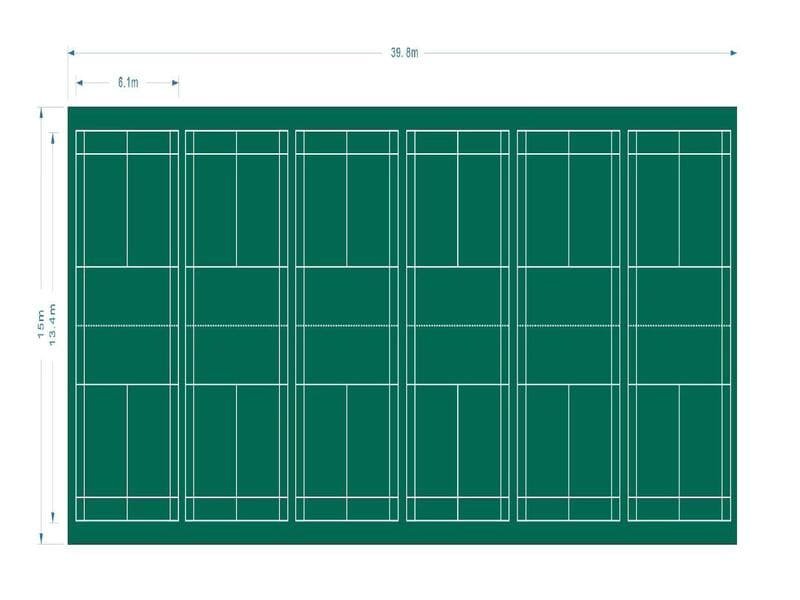
Meskipun pelatihan sudah dilaksanakan, saya masih melihat beberapa kesalahan yang sama terulang di berbagai proyek. Sebaiknya kesalahan-kesalahan tersebut disebutkan secara langsung.
Apa Saja Kesalahan Paling Umum dalam Proses Serah Terima Lantai Olahraga PVC?
Kesalahan yang paling sering terjadi adalah mengabaikan sertifikat garansi, tidak memesan bahan cadangan, dan menyerahkan lantai tanpa panduan pembersihan. Masing-masing kesalahan tersebut berpotensi menimbulkan masalah yang mahal di kemudian hari.
Kesalahan umum dan konsekuensinya
| Kesalahan | Hasil |
|---|---|
| Tidak disertakan sertifikat garansi | Klaim garansi tidak dapat diverifikasi atau dipenuhi |
| Tidak ada bahan cadangan yang disisihkan | Perbaikan di masa mendatang tidak akan menghasilkan warna yang sama dengan lantai aslinya |
| Buku panduan pembersihan tidak disertakan | Bahan kimia yang salah dapat merusak lapisan permukaan |
| Penyerahan telah ditandatangani sebelum proses pengeringan selesai | Keausan dini, terangkatnya sambungan, atau kegagalan perekat |
| Tidak ada pelatihan staf yang diselenggarakan | Kerusakan yang dapat dicegah akibat penggunaan peralatan pembersih yang tidak tepat |
Semua hal ini sebenarnya bisa dihindari, dan tidak ada satupun yang membutuhkan waktu yang signifikan untuk mencegahnya. Yang diperlukan hanyalah seseorang yang memperlakukan proses serah terima dengan keseriusan yang sama seperti saat proses pemasangan itu sendiri.
Setelah risiko-risiko tersebut jelas, pertanyaan praktis terakhir biasanya berkaitan dengan uang.
Apakah Pembayaran Akhir Harus Dilakukan Sebelum atau Sesudah Serah Terima?
Pembayaran akhir harus dilakukan setelah, bukan sebelum, inspeksi selesai, daftar perbaikan telah diselesaikan, dan dokumen-dokumen telah diserahkan. Membayar secara penuh sebelum serah terima akan menghilangkan daya tawar Anda untuk menyelesaikan masalah-masalah yang masih tertunda.
Ini adalah hal yang sering ditanyakan secara langsung oleh klien komersial, dan memang wajar saja. Begitu pembayaran akhir telah diterima, kemampuan Anda untuk menagih dokumen yang belum diserahkan atau menuntut perbaikan atas cacat yang belum diselesaikan akan berkurang secara signifikan.
Urutan langkah-langkah yang umum dilakukan sebelum pembayaran akhir
- Pemeriksaan fisik telah diselesaikan dan didokumentasikan.
- Poin-poin dalam daftar perbaikan telah diperbaiki atau telah disepakati jadwal yang jelas untuk poin-poin yang tersisa.
- Paket dokumentasi lengkap telah diserahkan.
- Sertifikat penerimaan telah diperiksa dan siap ditandatangani.
Saya menyarankan untuk menahan sebagian kecil dari pembayaran akhir sampai semua hal di atas telah dikonfirmasi. Hal ini memastikan kedua belah pihak tetap bertanggung jawab dan mencegah perlu mengejar-ngejar dokumen setelah tim pekerja sudah pindah ke proyek berikutnya.
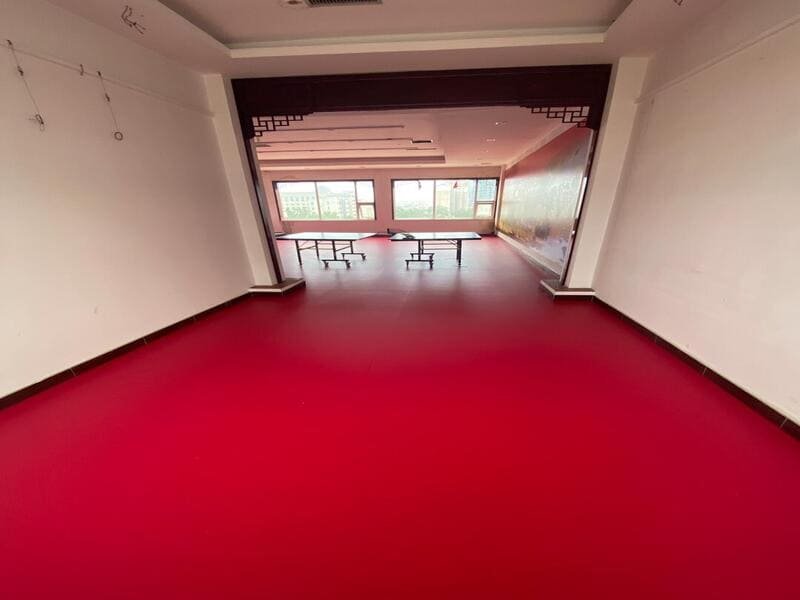
Karena pembayaran terkait dengan selesainya proses tersebut, langkah terakhir hanyalah menutup proyek secara resmi.
Apa yang Terjadi Selama Proses Persetujuan dan Administrasi Akhir?
Proses penutupan proyek memerlukan daftar pekerjaan sisa yang terdokumentasi, sertifikat penerimaan yang telah ditandatangani, serta persediaan bahan cadangan yang ditinggalkan di lokasi. Ketiga hal ini memastikan proyek ditutup dengan tuntas bagi kedua belah pihak.
Inilah saatnya kepercayaan berubah menjadi komitmen. Setiap kekurangan sekecil apa pun akan dicatat dalam daftar pekerjaan yang harus diselesaikan, lengkap dengan jadwal perbaikan yang telah disepakati, sehingga tidak ada yang terlewatkan setelah semua orang pergi.
Poin-poin yang perlu disetujui akhir
| Item | Tujuan |
|---|---|
| Daftar pekerjaan yang belum selesai / daftar cacat | Melacak masalah-masalah kecil dan tenggat waktu perbaikan |
| Sertifikat penerimaan | Konfirmasi resmi yang ditandatangani mengenai penyelesaian yang memuaskan |
| Stok bahan cadangan | Biasanya 2–5%, tergantung pada skala proyek dan kebutuhan perbaikan di masa mendatang |
Stok cadangan itu lebih penting daripada yang diperkirakan orang. Bertahun-tahun kemudian, jika ada bagian yang perlu diganti, menggunakan batch yang persis sama akan membuat hasil perbaikan tidak terlihat.
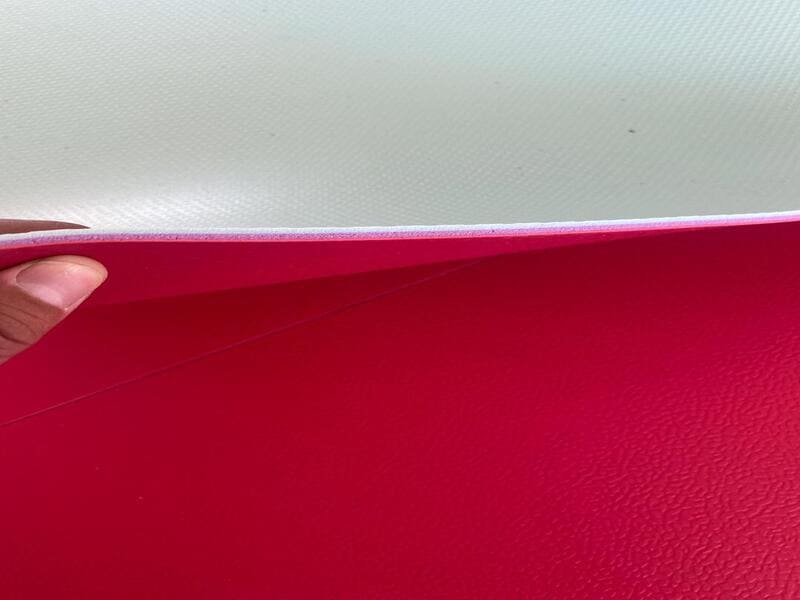
Jika semua hal ini dilakukan dengan benar, lantai tidak lagi sekadar hasil pekerjaan yang sudah selesai. Lantai tersebut akan menjadi aset jangka panjang yang berfungsi sesuai dengan rancangannya.
Kesimpulan
Proses serah terima yang lengkap mencakup daftar periksa, dokumen, jadwal, pemeriksaan, pelatihan, dan penandatanganan, sehingga menjadikan instalasi tersebut sebagai aset yang tahan lama dan bebas masalah.
Jika Anda sedang merencanakan proyek lantai olahraga berbahan PVC dan menginginkan proses serah terima yang benar-benar melindungi investasi Anda, silakan hubungi saya secara langsung. Saya dengan senang hati akan mendiskusikan kebutuhan spesifik Anda dan membantu Anda melakukannya dengan benar sejak hari pertama.