


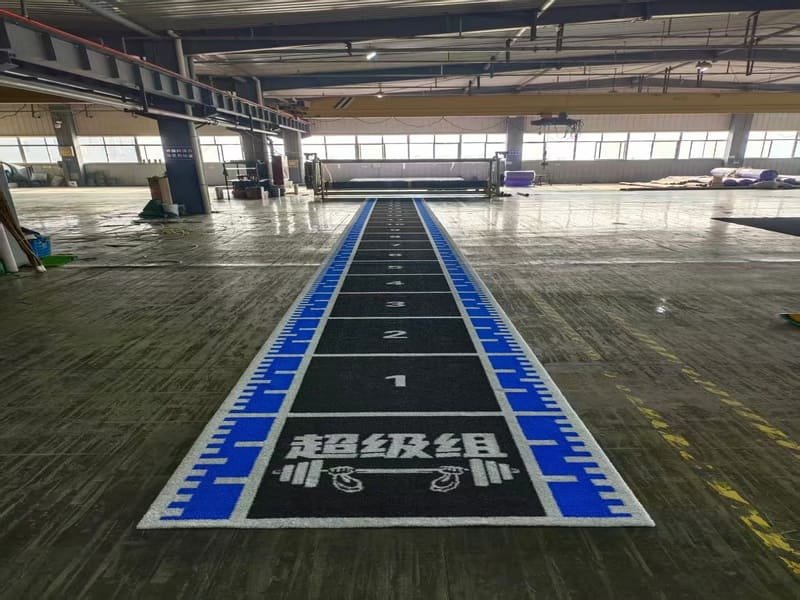
Memilih rumput gym untuk latihan tanpa alas kaki membutuhkan fokus pada serat Polyethylene (PE) yang ramah kulit, tingkat jahitan yang padat, dan peredam guncangan yang terintegrasi. Tidak seperti rumput sled-push, rumput tanpa alas kaki harus meminimalkan luka bakar akibat gesekan sekaligus memberikan permukaan yang stabil dan higienis untuk gerakan kontak tinggi seperti yoga atau HIIT.
Saya telah melihat banyak pemilik fasilitas melakukan kesalahan dengan memasang rumput sintetis standar atau jenis "sled" untuk zona tanpa alas kaki. Produk-produk ini sering kali terbuat dari nilon atau polipropilena berkualitas rendah, yang memang sangat tahan lama namun terasa seperti amplas saat bersentuhan dengan kulit manusia. Ketika telapak tangan, lutut, atau kaki Anda bersentuhan langsung selama sesi Animal Flow atau saat melakukan plank, gesekan tersebut dapat langsung menyebabkan lecet. Rumput khusus untuk berjalan tanpa alas kaki merupakan tantangan teknik yang kompleks karena lapangan latihan yang aman bagi pengguna yang rentan dan anak-anak Harus cukup lembut untuk mencegah "luka gesekan akibat rumput", namun cukup kokoh untuk mencegah pergelangan kaki terpelintir. Kami mencapai hal ini dengan memodifikasi struktur molekul benang dan meningkatkan kepadatan jarum tusuk. Hal ini memastikan serat-serat tetap tegak dan memberikan dukungan tanpa terasa "menusuk". Memilih bahan yang salah tidak hanya menyebabkan ketidaknyamanan; hal ini juga secara aktif membuat anggota enggan menggunakan ruang tersebut sesuai dengan tujuan fungsionalnya.
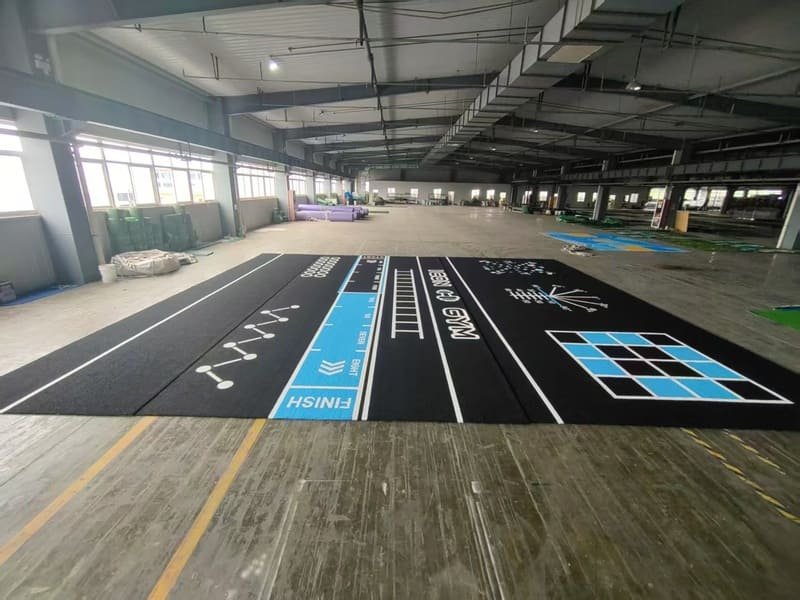
Memilih permukaan yang tepat adalah langkah pertama menuju zona fungsional yang sukses, jadi mari kita lihat bahan khusus yang memungkinkan hal ini.
Mengapa Latihan Tanpa Alas Kaki Membutuhkan Jenis Rumput yang Berbeda?
Latihan tanpa alas kaki membutuhkan permukaan yang mengutamakan kenyamanan dan kebersihan kulit karena kontak langsung meningkatkan risiko luka bakar akibat gesekan dan perpindahan bakteri. Rumput standar dirancang untuk traksi sepatu, yang terlalu abrasif untuk kulit telanjang dan sering kali tidak memiliki sifat antimikroba yang diperlukan untuk kontak yang aman.
Selama bertahun-tahun saya bekerja di pabrik, saya telah menganalisis bagaimana gaya latihan yang berbeda berdampak pada keausan bahan. Gerakan-gerakan seperti Yoga, HIIT, dan Animal Flow mengandalkan propriosepsi-kemampuan tubuh untuk merasakan posisinya. Jika rumput terlalu tebal atau "lembek", maka akan mengganggu umpan balik sensorik ini dan merusak keseimbangan. Namun, tantangan teknis terbesar adalah konflik "Kulit-ke-Permukaan". Rumput standar dibuat untuk menahan gesekan berat dari kereta luncur berbobot. Hal ini membutuhkan benang yang kaku dan tangguh yang secara alami bersifat abrasif. Untuk area tanpa alas kaki, kami harus mendesain ulang proses produksi untuk fokus pada kelembutan dan keamanan. Kami menggunakan Polyethylene (PE) bermutu tinggi karena rantai molekulnya lebih halus daripada Nylon. Pendekatan ilmu material ini memungkinkan kami untuk menciptakan zona berkinerja tinggi yang melindungi kulit pengguna sekaligus mempertahankan daya tahan yang dibutuhkan untuk lingkungan gym komersial.
| Fitur | Rumput Kereta Luncur Standar | Rumput Fungsional Tanpa Alas Kaki |
|---|---|---|
| Bahan Utama | Nilon atau Polipropilena | Polietilena Bermutu Tinggi (PE) |
| Tekstur | Kasar / Abrasif | Lembut / Non-Abrasif |
| Stabilitas | Tinggi | Tinggi (dengan tumpukan yang lebih rendah) |
| Keamanan Kulit | Rendah (Risiko luka bakar) | Tinggi (Ramah kulit) |
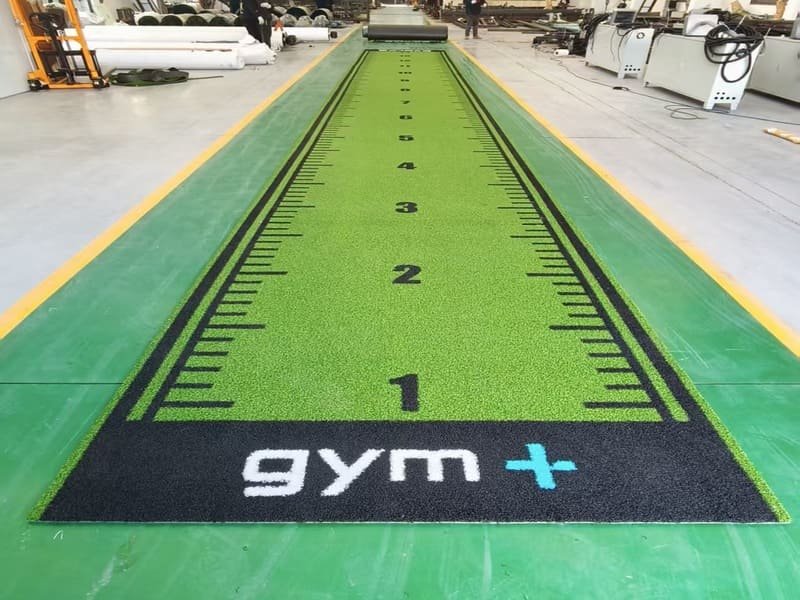
Memahami bahan dasar hanyalah setengah dari perjuangan, jadi sekarang kita harus melihat sains material spesifik di balik serat.
Bagaimana Ilmu Pengetahuan Material Mempengaruhi Faktor Abrasivitas?
Polyethylene (PE) adalah bahan terbaik untuk rumput tanpa alas kaki karena memiliki koefisien gesekan yang lebih rendah dibandingkan dengan Nylon, sehingga secara signifikan mengurangi risiko iritasi kulit. Untuk stabilitas maksimum, Anda harus memilih tinggi tiang yang pendek antara $10\text{mm}$ dan $15\text{mm}$ dengan jahitan dengan kerapatan tinggi.
Perbandingan Teknis Bahan Benang
Dari perspektif manufaktur, Nylon adalah polimer "keras". Polimer ini memiliki memori yang sangat baik, yang berarti dapat memantul kembali setelah dihancurkan, tetapi sangat kasar. Polietilena (PE) adalah polimer "lunak". Di lini produksi kami, kami mengekstrusi serat monofilamen PE yang dirancang khusus untuk memberikan rasa lembut di tangan. Jika gym menggunakan Nylon untuk area tanpa alas kaki, para anggota kemungkinan akan mengeluhkan "luka bakar karpet". Selain itu, ketinggian tumpukan adalah spesifikasi teknik yang penting. Meskipun rumput panjang terlihat bagus, namun tidak stabil untuk keseimbangan tanpa alas kaki. Tumpukan $10\text{mm}$ hingga $15\text{mm}$ adalah "titik manis" untuk stabilitas. Kami menggabungkan ini dengan berat permukaan yang tinggi-pada dasarnya memasukkan lebih banyak benang ke dalam setiap inci persegi. Jahitan dengan kepadatan tinggi ini mencegah rasa "bottoming out" di mana Anda merasakan beton keras atau lantai bawah di bawah rumput.
| Spesifikasi | Rekomendasi untuk Barefoot | Alasan Teknik |
|---|---|---|
| Bahan Benang | 100% Polietilen (PE) | Gesekan kulit paling rendah dan kesan "sentuhan lembut". |
| Tinggi Tumpukan | $10\text{mm} - 15\text{mm}$ | Memberikan stabilitas yang lebih baik dari kaki ke lantai. |
| Kepadatan | $>60,000$ stitches/$m^2$ | Mencegah perataan serat dan menambah kenyamanan. |
Pilihan bahan menyelesaikan masalah gesekan, tetapi kita juga perlu mengatasi masalah kenyamanan lainnya seperti panas dan tekstur.
Apa Saja Fitur Kenyamanan yang Penting bagi Pengguna Tanpa Alas Kaki?
Rumput tanpa alas kaki yang efektif menggunakan teknologi anti-gesekan dan bentuk benang tertentu, seperti bentuk Oval atau C, untuk memastikan serat tetap tegak tanpa terasa tajam. Kenyamanan termal juga penting; serat PE berkualitas tinggi tidak menahan panas seagresif rumput sintetis yang lebih gelap dan berkualitas lebih rendah.
Rekayasa Tes "Tusukan"
Di laboratorium R&D kami, kami melakukan apa yang saya sebut sebagai "Uji Tusuk". Beberapa bentuk benang, seperti Diamond atau V-shape, dirancang untuk ketahanan yang ekstrem, tetapi dapat terasa tajam di telapak kaki. Untuk zona tanpa alas kaki, saya merekomendasikan serat bentuk Oval atau C. Bentuk-bentuk ini memungkinkan bilah untuk berdiri di bawah lalu lintas pejalan kaki sambil mempertahankan ujung yang membulat yang terasa halus. Hal penting lainnya adalah kenyamanan termal. Jika gym Anda memiliki jendela besar, beberapa rumput bisa menjadi tidak nyaman. Kami menggunakan bahan tambahan tahan panas selama proses ekstrusi untuk memastikan rumput tetap dingin saat disentuh. Tingkat optimalisasi desain inilah yang membedakan permukaan latihan profesional dari karpet plastik biasa. Ini adalah tentang menciptakan lingkungan di mana anggota dapat fokus pada gerakan mereka, bukan ketidaknyamanan di bawah kaki mereka.
| Elemen Kenyamanan | Solusi Manufaktur | Manfaat Pengguna |
|---|---|---|
| Bentuk Benang | Bentuk-C atau Oval | Tepi lembut yang tidak "menusuk" kulit. |
| Anti Gesekan | Pelumas berbasis silikon dalam ekstrusi | Tidak ada rumput yang terbakar selama pengerjaan lantai. |
| Kontrol Termal | PE yang Distabilkan dengan UV | Tetap sejuk bahkan di bawah pencahayaan gym. |
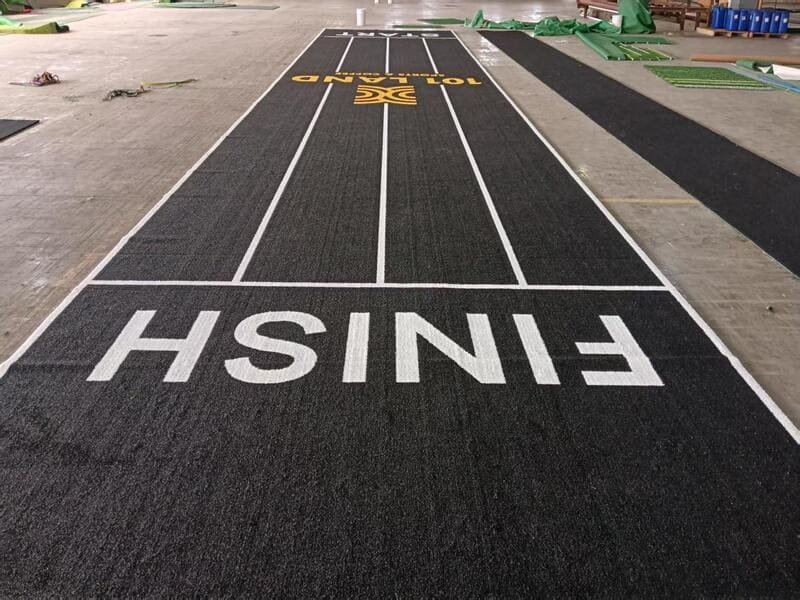
Kenyamanan memang penting, tetapi sebagai seorang insinyur, saya tahu bahwa keamanan dan stabilitas adalah fondasi dari lantai yang baik.
Mengapa Stabilitas dan Penyerapan Guncangan Lebih Penting Daripada Kelembutan?
Keamanan yang sesungguhnya berasal dari sistem yang seimbang: lapisan busa empuk $5\text{mm}$ hingga $10\text{mm}$ memberikan peredam goncangan yang diperlukan untuk persendian, sementara tumpukan rumput yang kokoh memastikan stabilitas. Kombinasi ini mencegah rasa "tenggelam" yang dapat menyebabkan pergelangan kaki tegang saat melakukan gerakan dinamis.
Menyeimbangkan Bantal vs Stabilitas
Ada kesalahpahaman umum bahwa "semakin tebal bantalan, semakin baik." Dari sudut pandang produksi, jika lapisan dasarnya terlalu lembut, atlet akan kehilangan gaya reaksi tanah yang diperlukan untuk menjaga keseimbangan. Saya merekomendasikan pendekatan berlapis. Kami menggabungkan lapisan rumput sintetis PE berdensitas tinggi dengan lapisan dasar busa EVA atau PU sel tertutup berketebalan $5\text{mm}$ atau $10\text{mm}$. Ini lapisan busa peredam guncangan melindungi lutut dan pergelangan kaki selama latihan plyometrik dan pendaratan dengan beban berat. Namun, karena busa ini memiliki kepadatan tinggi, busa ini tidak “tenggelam” seperti spons. Hal ini memastikan bahwa saat seorang atlet melakukan latihan stabilitas satu kaki, permukaannya tetap dapat diprediksi. Kami juga mengutamakan ketahanan terhadap selip. Lapisan dasarnya harus memiliki koefisien gesekan yang tinggi terhadap lantai dasar—biasanya beton atau karet—untuk memastikan rumput sintetis tidak menggumpal saat melakukan gerakan menyamping.
| Lapisan | Bahan yang Direkomendasikan | Fungsi |
|---|---|---|
| Lapisan Atas | $12 \ text{mm}$ PE Turf | Genggaman, kenyamanan, dan estetika. |
| Lapisan Tengah | Jaring yang Diperkuat | Stabilitas dimensi (mencegah peregangan). |
| Lapisan Dasar | $5\text{mm}$ Busa Kepadatan Tinggi | Perlindungan sambungan dan pengurangan kebisingan benturan. |
Setelah struktur fisiknya kokoh, kita harus mengatasi faktor tak terlihat yang mempengaruhi setiap pengguna bertelanjang kaki: kebersihan.
Bagaimana Anda Menjaga Kebersihan di Area Bertelanjang Kaki dengan Kontak Tinggi?
Kebersihan di zona tanpa alas kaki dikelola melalui perawatan antimikroba bawaan dan struktur benang yang tidak berpori yang menahan penyerapan keringat. Perawatan rutin harus mencakup penyedotan debu dan pembersihan mendalam secara berkala dengan pembersih yang netral dan tidak beracun.
Rekayasa Permukaan yang Bersih
Ketika kulit telanjang dan keringat bertemu dengan lantai, bakteri dapat berkembang biak. Selama pembuatan rumput khusus tanpa alas kaki kami, kami memasukkan agen antimikroba langsung ke dalam lelehan polimer. Ini berarti perlindungan dibangun ke dalam serat itu sendiri dan tidak akan luntur seiring waktu. Ini adalah persyaratan yang tidak dapat dinegosiasikan untuk gym komersial mana pun. Dari perspektif pemeliharaan, benang harus tidak berpori. Jika serat menyerap keringat, rumput pada akhirnya akan berbau. PE secara alami tahan terhadap kelembapan, membuatnya lebih mudah dibersihkan daripada serat organik. Saya juga menyarankan pemilik fasilitas untuk memeriksa kepatuhan terhadap REACH atau RoHS. Sertifikasi ini memastikan rumput tidak mengeluarkan gas Volatile Organic Compounds (VOC) yang berbahaya, yang sangat penting untuk kualitas udara dalam ruangan di ruang latihan terbatas.
| Tugas Pemeliharaan | Frekuensi | Metode yang Disarankan |
|---|---|---|
| Cuci Kering | Setiap hari | Vakum industri untuk menghilangkan debu dan sel kulit. |
| Sanitasi | Mingguan | Semprotkan dengan larutan antimikroba yang tidak beracun. |
| Deep Clean | Bulanan | Ekstraksi air panas (untuk non-drainase dalam ruangan). |
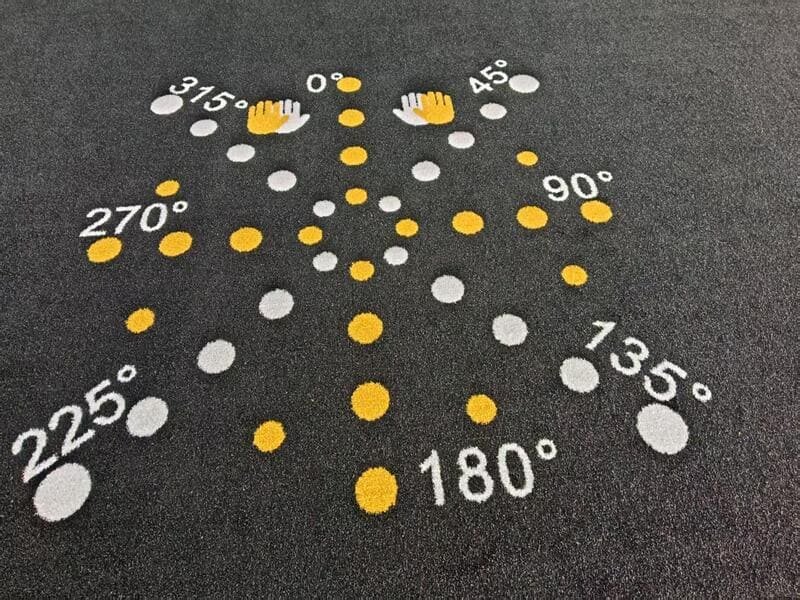
Setelah menangani aspek teknis dan higienis, langkah terakhir adalah memastikan produk dipasang dengan benar dan sesuai dengan merek Anda.
Apa Saja Spesifikasi Teknis yang Harus Anda Tanyakan kepada Produsen?
Saat mencari rumput tanpa alas kaki, Anda harus menentukan benang Monofilamen PE 100% PE, peringkat Dtex antara 5.000 dan 8.000 untuk kelembutan, dan lapisan PU berlapis-lapis dengan busa untuk daya tahan. Selalu minta tingkat jahitan yang tinggi untuk memastikan permukaan yang padat dan suportif yang terlihat premium.
Daftar Periksa Pembelian Produsen
Ketika Anda berbicara dengan pemasok, Anda perlu berbicara dengan bahasa mereka untuk mendapatkan kualitas terbaik. Mintalah Dtex-ini adalah berat benang. Untuk area tanpa alas kaki, Dtex antara 5.000 dan 8.000 memberikan keseimbangan yang baik antara kelembutan dan umur panjang. Jika Dtex terlalu tinggi, serat-serat menjadi terlalu tebal dan kaku. Jika terlalu rendah, serat-serat tersebut akan cepat aus. Anda juga ingin bertanya tentang Tingkat Jahitan. Kecepatan jahitan yang tinggi ($>60.000$ per meter persegi) berarti lebih banyak bilah "rumput", yang menghasilkan kesan yang lebih lembut. Terakhir, pertimbangkan estetika. Menurut pengalaman saya, gym butik mulai beralih dari warna hijau terang ke warna Abu-abu, Hitam, atau Terakota. Warna-warna ini menyembunyikan kotoran dengan lebih baik dan menciptakan suasana "Zen" yang sesuai dengan psikologi gerakan tanpa alas kaki.
| Spesifikasi Teknis | Target Profesional | Mengapa Penting |
|---|---|---|
| Jenis Benang | Monofilamen PE 100% | Terbaik untuk kontak dan kelembutan kulit. |
| Dtex | 5,500 - 7,000 | Ketebalan optimal untuk kenyamanan tanpa alas kaki. |
| Backing | PU + Bantalan Busa | Umur panjang dan perlindungan sendi. |
| Sertifikasi | JANGKAUAN / RoHS | Memastikan keamanan dan kualitas udara yang tidak beracun. |
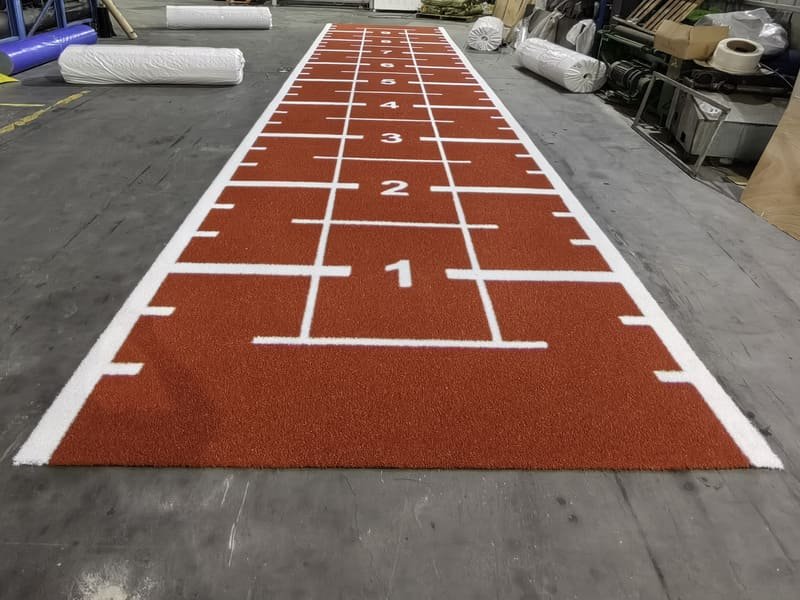
Memilih rumput yang tepat adalah investasi dalam pengalaman anggota Anda. Dari 20 tahun saya bekerja di pabrik, aturan utamanya adalah: cukup lembut untuk disentuh, namun cukup kuat untuk dilatih. Selalu ambil sampel untuk merasakan sendiri teksturnya sebelum melakukan pemesanan dalam jumlah besar.
Kesimpulan
Rumput tanpa alas kaki terbaik menggunakan serat PE yang padat dan dukungan busa.
Jika Anda mencari mitra teknis untuk mengoptimalkan desain lantai gym Anda atau membutuhkan solusi pembuatan khusus untuk merek Anda, jangan ragu untuk mengirimi saya pesan pribadi! Mari bersama-sama membangun ruang latihan yang lebih baik.