


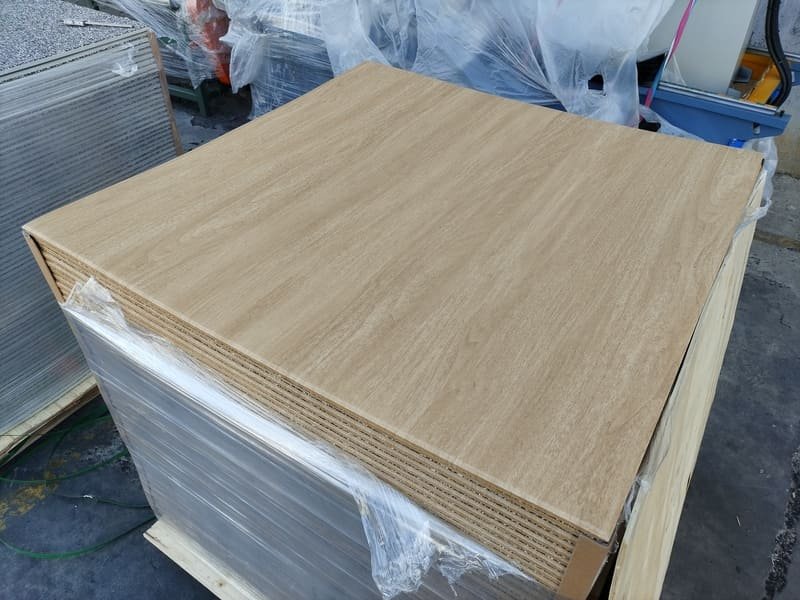
Lantai karet terbaik untuk studio kebugaran kelompok adalah gulungan karet dengan kepadatan tinggi dengan ketebalan 8mm hingga 10mm. Pengaturan ini memberikan keseimbangan yang diperlukan untuk penyerapan guncangan, stabilitas lateral, dan kebersihan untuk lingkungan dengan lalu lintas tinggi yang melibatkan latihan kardio dan angkat beban ringan.
Sebagai seorang insinyur produksi selama 20 tahun di pabrik, saya telah melihat banyak pemilik studio yang memilih bahan yang salah. Fitness grup itu unik karena menggabungkan gerakan berintensitas tinggi dengan keringat yang banyak. Jika Anda menggunakan busa dengan kepadatan rendah atau alas tipis yang murah, lantai akan bergeser atau rusak dengan cepat. Dari sudut pandang manufaktur, kerapatan karet lebih penting daripada ketebalannya saja. Kami mengukur kepadatan dalam kilogram per meter kubik ($kg/m^3$), dan untuk fitnes kelompok, Anda memerlukan setidaknya $950 kg/m^3$ untuk memastikan lantai tidak terlalu tertekan saat melakukan gerakan yang eksplosif. Artikel ini akan membantu Anda memahami teknik di balik lantai studio yang sempurna sehingga Anda dapat melindungi member dan investasi Anda.
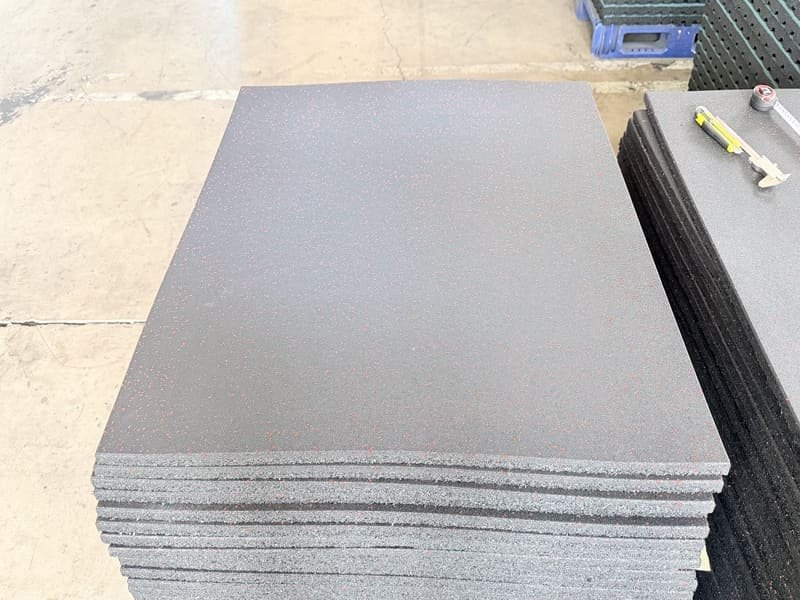
Pilihan yang tepat tergantung pada aktivitas spesifik di ruang Anda, jadi mari kita lihat bagaimana mengkategorikan studio Anda.
Bagaimana Anda Mengidentifikasi Tingkat Dampak Studio Anda?
Anda harus menyesuaikan lantai Anda dengan tingkat benturan: studio dengan benturan rendah membutuhkan traksi, benturan sedang membutuhkan ketahanan terhadap selip, dan benturan tinggi membutuhkan penyerapan guncangan maksimum dan perlindungan di bawah lantai. Mencocokkan ini dengan benar akan mencegah keausan dini dan mengurangi risiko cedera pada member selama kelas yang intens.
Di fasilitas produksi kami, kami menyesuaikan tekanan vulkanisasi berdasarkan tujuan penggunaan. Untuk area dengan benturan rendah seperti Yoga atau Pilates, kami fokus pada permukaan yang lebih halus dan kenyamanan termal. Untuk kelas berdampak sedang seperti Zumba, stabilitas lateral adalah prioritas. Kelas HIIT atau bootcamp yang berdampak tinggi membutuhkan bahan yang lebih kuat yang dapat menangani kekuatan lompatan dan peralatan yang terjatuh.
Spesifikasi Teknis Tingkat Dampak
| Tingkat Dampak | Kegiatan Umum | Persyaratan Utama | Bahan yang Direkomendasikan |
|---|---|---|---|
| Rendah | Yoga, Pilates, Barre | Kenyamanan Termal | Karet Kepadatan Lembut 6mm |
| Sedang | Zumba, Langkah Kardio | Resistensi Selip | Gulungan Kepadatan Tinggi 8mm |
| Tinggi | HIIT, Bootcamps | Penyerapan Guncangan | 10mm + Karet Lapisan Ganda |
Setelah Anda mengetahui tingkat benturan Anda, Anda perlu memutuskan format fisik karet.
Haruskah Anda Memilih Gulungan Karet atau Ubin yang Saling Mengunci?
Gulungan karet adalah standar industri untuk studio besar karena menawarkan tampilan yang mulus dan kebersihan yang lebih baik, sementara ubin yang saling mengunci adalah yang terbaik untuk proyek-proyek DIY yang lebih kecil di mana penggantian bagian yang rusak dengan mudah menjadi prioritas pemiliknya.
Dari perspektif teknik, roll lebih unggul untuk kebugaran kelompok. Ketika orang bergerak cepat dan banyak berkeringat, jahitan menjadi masalah. Gulungan memiliki lebih sedikit jahitan, yang berarti keringat tidak dapat merembes ke lantai dasar dengan mudah. Namun, ubin lebih mudah dikirim dan dipasang tanpa bantuan profesional.
Perbandingan Format: Gulungan vs Ubin
| Fitur | Gulungan Karet | Ubin yang Saling Mengunci |
|---|---|---|
| Instalasi | Direkomendasikan Profesional | Ramah DIY |
| Kebersihan | Unggul (Sedikit Jahitan) | Sedang (Banyak Jahitan) |
| Efisiensi Biaya | Tinggi untuk area yang luas | Tinggi untuk area kecil |
| Estetika | Mulus / Bersih | Pola Kisi yang Terlihat |
Saya sering memberi tahu klien saya bahwa jika studio mereka lebih besar dari $1.000$ kaki persegi, gulungan akan menghemat uang dan waktu perawatan dalam jangka panjang.
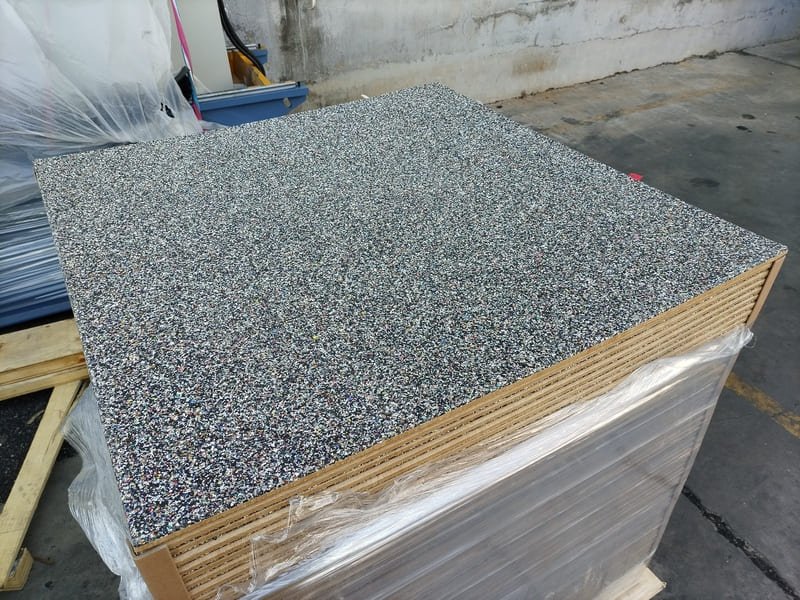
Langkah teknis berikutnya adalah memilih ketebalan yang tepat untuk aktivitas spesifik Anda.
Apa yang Dimaksud dengan Zona Goldilocks untuk Ketebalan Karet?
Zona "Goldilocks" untuk kebugaran kelompok adalah 8mm hingga 10mm. Ketebalan ini memberikan bantalan yang cukup untuk persendian tanpa terlalu lunak sehingga menyebabkan ketidakstabilan pergelangan kaki selama keseimbangan atau gerakan lateral.
Banyak orang berpikir bahwa lebih tebal selalu lebih baik, tapi itu adalah kesalahan dalam ilmu material. Jika lantai terlalu tebal dan lembut, seperti keset dengan kepadatan rendah 15mm, maka tidak akan memberikan stabilitas yang cukup untuk studio kebugaran yang membutuhkan daya tahan hak tinggi. Hal ini menciptakan rasa "kesat" yang dapat menyebabkan pergelangan kaki tergulung saat berputar. Kami mendesain karet dengan kepadatan tinggi $8\text{mm}$ untuk memberikan permukaan yang kokoh namun mengembalikan energi.
Panduan Aplikasi Ketebalan
Lantai karet 6mm - 8mm untuk zona kardio sangat ideal ketika Anda membutuhkan permukaan yang kokoh untuk gerakan kaki dan tarian yang cepat.
- $8\text{mm} - 10\text{mm}$: Pilihan terbaik untuk kelas HIIT, angkat beban ringan, dan kelas kelompok umum.
- $12\text{mm}$ dan yang lebih tinggi: Hanya diperlukan jika Anda sering menjatuhkan dumbel atau kettlebell yang berat.
Anda harus menghindari jebakan membeli keset yang murah dan tebal namun kurang padat. Keset $8\text{mm}$ berkualitas tinggi akan selalu melindungi lantai bawah Anda lebih baik daripada keset $12\text{mm}$ berkualitas rendah.
Di luar ketebalan, komposisi bahan yang sesungguhnya menentukan bagaimana studio Anda terasa dan berbau.
Apa Saja Perbedaan Antara Karet Daur Ulang dan Karet Murni?
Karet daur ulang tahan lama dan hemat biaya tetapi biasanya berwarna hitam, sedangkan karet Virgin EPDM menawarkan warna yang tidak terbatas dan hasil akhir yang lebih halus tanpa bau karet, sehingga ideal untuk studio butik kelas atas.
Di pabrik, kami menggunakan remah-remah ban daur ulang untuk lapisan dasar karena sangat kuat. Jika Anda menginginkan warna tertentu seperti "Klein Blue" atau hijau terang yang sesuai dengan merek Anda, kami menggunakan lapisan atas Virgin EPDM. Bahan ini tidak berpori, sehingga tidak memerangkap keringat atau bakteri.
Tabel Perbandingan Bahan
| Properti | Karet Daur Ulang | Karet EPDM Perawan |
|---|---|---|
| Bahan Dasar | Ban Truk Bekas | Karet Sintetis Baru |
| Tingkat Bau | Bau "Ban Baru" Sedang | Sangat Rendah / Tidak Berbau |
| Pilihan Warna | Hitam dengan Bintik-bintik | Warna solid apa saja |
| Tekstur Permukaan | Sedikit Berbutir | Halus dan Padat |
Jika studio Anda memiliki ventilasi yang buruk, saya sangat menyarankan untuk membelanjakan lebih banyak uang untuk membeli karet murni yang rendah VOC. Ini akan memastikan member Anda menghirup udara bersih selama sesi latihan kardio yang berat.
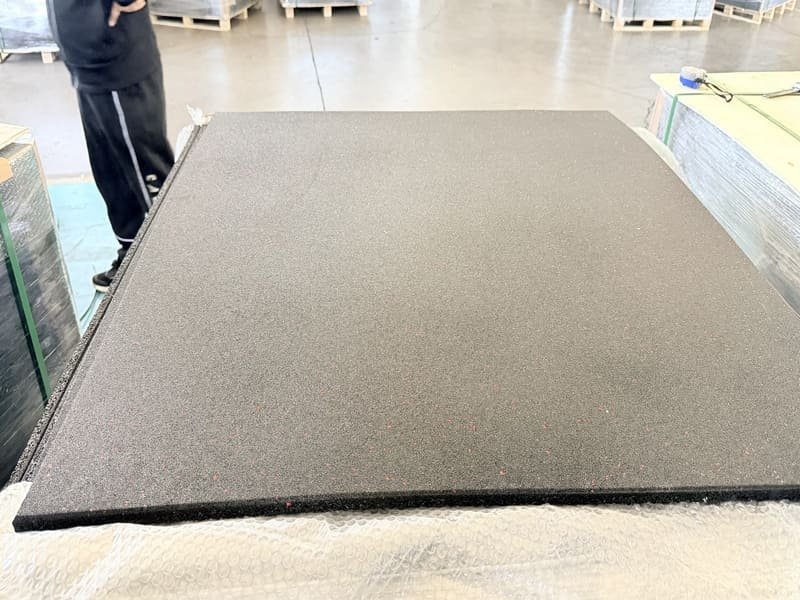
Sekarang mari kita lihat masalah umum yang dihadapi pemilik studio setelah lantai dipasang.
Bagaimana Anda Mengatasi Masalah Umum Pemilik Studio?
Anda dapat mengatasi masalah umum dengan memilih bahan rendah VOC untuk menghilangkan bau, permukaan yang tidak berpori untuk mencegah masalah kebersihan, dan menguji koefisien gesekan untuk memastikan keseimbangan cengkeraman dan luncuran yang sempurna.
"Bau gym baru" adalah keluhan yang umum terjadi. Ini berasal dari Senyawa Organik yang Mudah Menguap (VOC). Sebagai seorang insinyur, saya memastikan proses vulkanisasi kami meminimalkan gas-gas ini. Untuk kebersihan, Anda membutuhkan struktur sel tertutup. Jika karet berpori seperti spons, keringat dan sel kulit akan terperangkap di dalamnya. Hal ini menyebabkan jamur dan bau tidak sedap yang tidak dapat diatasi dengan pembersihan. Ketahanan terhadap selip juga merupakan ilmu; Anda membutuhkan "cengkeraman" yang cukup agar orang tidak tergelincir, tetapi cukup "meluncur" agar mereka tidak memelintir lutut saat berbelok.
Daftar Periksa Pemeliharaan dan Keselamatan
- Kualitas Udara: Periksa sertifikasi REACH atau FloorScore.
- Kebersihan: Gunakan lapisan akhir yang tidak berpori untuk menghentikan penyerapan keringat.
- Gesekan: Pastikan lantai aman untuk kondisi basah dan kering.
Pemasangan yang tepat adalah langkah terakhir untuk memastikan manfaat ini bertahan selama bertahun-tahun.
Apa Saja Praktik Pemasangan dan Pemeliharaan Terbaik?
Untuk keamanan dalam fitnes kelompok, Anda harus menggunakan perekat yang menyebar penuh untuk gulungan untuk mencegah pergeseran, dan Anda harus menggunakan pembersih dengan pH netral untuk menghindari pembusukan karet dari waktu ke waktu.
Saya selalu mengatakan kepada pemilik rumah untuk memeriksa lantai dasar mereka terlebih dahulu. Jika Anda memiliki lantai dasar kayu, Anda membutuhkan penghalang kelembaban. Jika Anda memiliki lantai beton, pastikan lantai tersebut rata. Untuk perawatan, jangan pernah menggunakan pembersih atau pemutih berbahan dasar minyak bumi. Bahan kimia ini dapat memecah ikatan sulfur pada karet, membuatnya rapuh dan kusam.
Strategi Instalasi
- Perekat: Gunakan lem poliuretan berkualitas tinggi untuk pemasangan gulungan permanen.
- Jahitan: Gunakan seam sealer di area yang banyak mengeluarkan keringat, seperti barisan depan kelas bersepeda.
- Pembersihan: Gunakan kain pel mikrofiber dan pembersih lantai karet khusus setiap hari.
Jika Anda mengikuti langkah-langkah ini, lantai karet berkualitas akan dengan mudah bertahan 10 hingga 15 tahun di lingkungan studio yang sibuk.
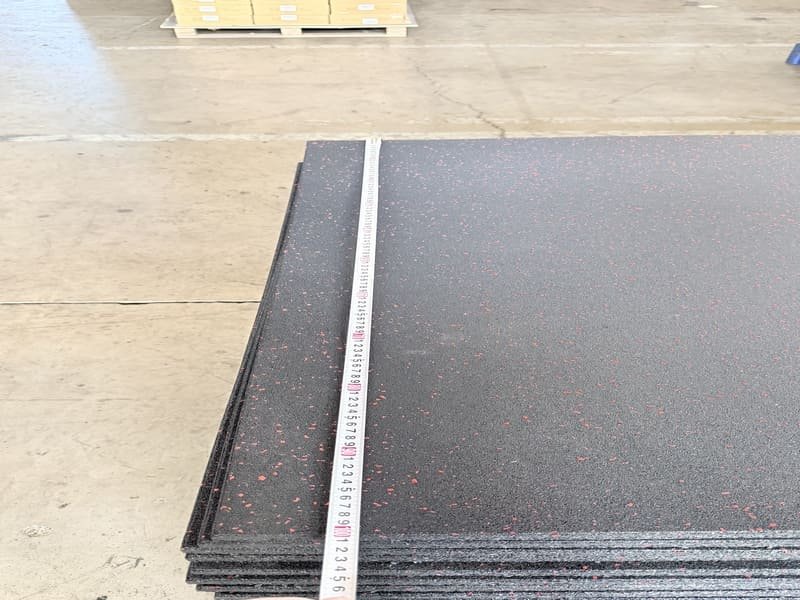
Terakhir, kita harus mempertimbangkan anggaran dan nilai jangka panjang dari pilihan Anda.
Apakah Lantai Karet Merupakan Investasi atau Hanya Pengeluaran?
Lantai karet adalah investasi jangka panjang di mana membeli langsung dari pabrik dapat menghemat biaya sebesar 30% hingga 50%, sementara lantai berkualitas tinggi mengurangi biaya perbaikan peralatan dan klaim cedera anggota selama periode sepuluh tahun.
Ketika Anda melihat harga, jangan hanya melihat biaya per kaki persegi hari ini. Lantai murah yang perlu diganti dalam dua tahun jauh lebih mahal daripada lantai premium yang bertahan sepuluh tahun. Membeli dari produsen memungkinkan Anda untuk menyesuaikan kepadatan dan warna sambil memotong perantara.
Analisis Biaya Selama 10 Tahun
| Item Pengeluaran | Busa / Karet DIY Murah | Kepadatan Tinggi Langsung dari Pabrik |
|---|---|---|
| Biaya Awal | $2,000 | $4,500 |
| Frekuensi Penggantian | Setiap 2-3 Tahun | Setiap 10-15 Tahun |
| Total Biaya 10 Tahun | $8,000+ | $4,500 |
| Peringkat Keamanan | Rendah | Tinggi |
Dengan memilih bahan yang tepat sekarang, Anda menghemat uang dan membangun reputasi yang lebih baik untuk merek kebugaran Anda.
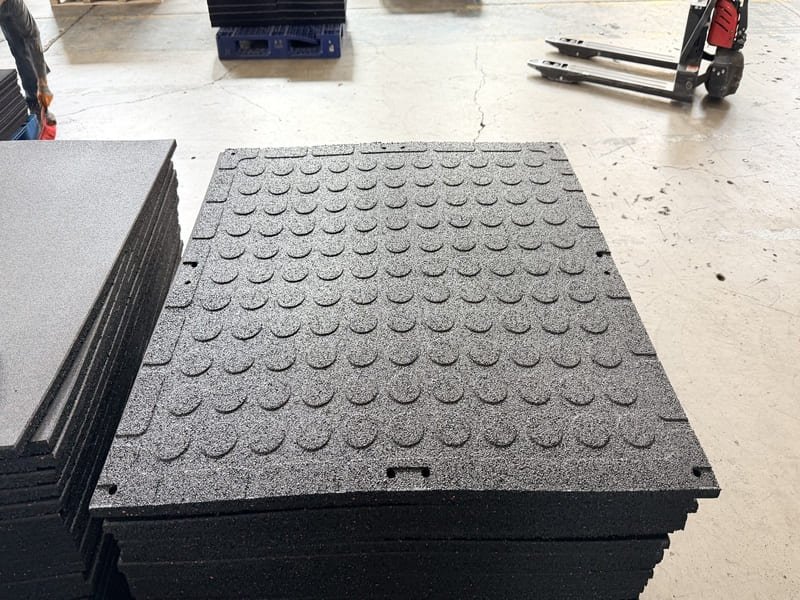
Memilih lantai yang tepat adalah dasar dari segala sesuatu yang Anda lakukan di studio Anda.
Kesimpulan
Pilihan terbaik untuk fitnes kelompok adalah gulungan karet berdensitas tinggi 8mm untuk keamanan, kebersihan, dan daya tahan.
Apakah Anda merencanakan studio baru atau ingin meningkatkan lantai Anda saat ini?
Kirimkan pesan langsung kepada saya hari ini untuk konsultasi teknis atau penawaran langsung dari pabrik!