


Rumput gym komersial membutuhkan pembersihan profesional setiap 1 hingga 6 bulan. Kotak CrossFit dengan lalu lintas tinggi membutuhkan servis bulanan, sementara studio butik dapat menunggu 3 bulan. Pusat kebugaran pribadi biasanya membutuhkan pembersihan dua kali setahun untuk menjaga kebersihan dan ketahanan serat.
Sebagai seorang insinyur R&D, saya telah menghabiskan waktu bertahun-tahun untuk mengamati serat sintetis di bawah mikroskop. Sebagian besar pemilik gym berpikir bahwa penyedotan yang cepat sudah cukup. Namun kenyataannya rumput adalah kain tiga dimensi. Rumput ini memiliki lapisan "ilalang" di bagian bawah yang berfungsi seperti filter. Filter ini memerangkap segala sesuatu mulai dari sel-sel kulit hingga logam berat dari sol sepatu. Ketika Anda tidak melakukan pembersihan mendalam, Anda tidak hanya meninggalkan kotoran; Anda membiarkan gesekan menghancurkan serat plastik dari dasar ke atas. Pembersihan mendalam akan menghilangkan pasir abrasif yang memotong polietilen. Langkah perawatan sederhana ini dapat menghemat ribuan dolar dengan menambahkan 3 hingga 5 tahun pada masa pakai lantai Anda. Ini juga membuat gym Anda tidak berbau seperti ruang ganti tua.
Anda perlu memahami ilmu pengetahuan tentang lantai Anda untuk melindungi investasi dan kesehatan anggota Anda. Inilah alasan mengapa pembersihan mendalam adalah satu-satunya cara untuk benar-benar mengelola fasilitas profesional.
1. Mengapa Deep Cleaning Tidak Hanya "Opsional"?
Pembersihan mendalam sangat penting karena serat rumput menjebak patogen organik dan pasir abrasif yang tidak dapat dijangkau oleh penyedot debu standar. Proses ini mencegah degradasi serat dan memastikan fasilitas memenuhi standar kebersihan profesional demi keselamatan anggota dan kepercayaan merek.
Ketika saya mendesain rumput gym, saya fokus pada tinggi tumpukan dan dtex (berat benang). Namun, bahkan rumput dengan 10.000 dtex terbaik pun akan gagal jika keringat dan sel-sel kulit membusuk di dasarnya. Masalah yang "tak terlihat" ini menciptakan lapisan bio. Lapisan ini merupakan sumber makanan bagi bakteri. Jika Anda hanya membersihkan permukaannya saja, Anda meninggalkan bahaya di bawahnya. Menurut pengalaman saya, fasilitas yang melewatkan pembersihan mendalam akan membuat rumputnya menjadi lebih cepat rata. Hal ini terjadi karena kotoran bertindak seperti amplas pada benang. Fasilitas yang bersih akan membuat para member datang kembali. Tidak ada yang mau melakukan plank di lantai yang berbau seperti keringat asam. Pembersihan mendalam secara teratur memastikan gym Anda berbau segar dan rumput Anda tetap berdiri tegak.
| Jenis Pembersihan | Frekuensi | Tujuan Utama |
|---|---|---|
| Vakum Permukaan | Setiap hari | Bersihkan puing-puing dan debu yang lepas |
| Semprotan Sanitasi | Mingguan | Membunuh bakteri tingkat permukaan |
| Ekstraksi Dalam | Bulanan/ Triwulan | Menghilangkan pasir dalam dan penumpukan organik |
Mengabaikan kedalaman rumput Anda adalah kesalahan yang dapat menyebabkan biaya penggantian lebih awal dan ulasan yang buruk.
2. Pertanyaan Inti: Pedoman Frekuensi?
Frekuensi tergantung pada jumlah pengguna harian dan jenis aktivitas Anda. Pusat kebugaran dengan lalu lintas tinggi membutuhkan pembersihan bulanan. Studio butik harus dibersihkan setiap tiga bulan. Area pribadi dengan lalu lintas rendah aman dengan pembersihan mendalam dua kali per tahun.
Di laboratorium, kami menguji rumput untuk mengetahui "siklus keausan". Kami menemukan bahwa kotoran mempercepat keausan hingga 40%. Untuk box CrossFit dengan 100+ anggota per hari, pembersihan rutin setiap bulan adalah suatu keharusan. Jika Anda menjalankan gym hotel kecil, cukup seperempat bulan sekali. Saya selalu mengatakan kepada klien saya untuk menggunakan "Aturan Pemicu". Jika ada wabah flu di kota Anda, segera bersihkan. Jika ada member yang menumpahkan protein shake, jangan hanya mengelapnya saja; bersihkan bagian tersebut. Jika serat-seratnya terlihat "kusut" atau rata dan tidak memantul kembali setelah disedot, berarti pasirnya membebani. Ini pertanda bahwa jadwal latihan Anda perlu ditingkatkan.
| Jenis Fasilitas | Volume Anggota | Frekuensi yang Direkomendasikan |
|---|---|---|
| CrossFit / Rantai Besar | 100+ per hari | Setiap Bulan |
| Butik / Studio Yoga | 30-50 per hari | Setiap 3 Bulan |
| Pusat Kebugaran Pribadi / Hotel | <20 per hari | Setiap 6 Bulan |
Menetapkan jadwal tetap adalah cara terbaik untuk menghindari biaya tersembunyi dari lantai yang terabaikan.
3. Pembersihan Mendalam vs Perawatan Rutin?
Perawatan rutin adalah tugas tingkat permukaan seperti menyedot debu atau membersihkan kotoran harian. Pembersihan mendalam melibatkan agitasi mekanis dan ekstraksi air panas untuk menghilangkan kontaminan dan patogen yang mengendap di lapisan belakang.
Saya sering melihat manajer gym bingung membedakan keduanya. Menyedot debu sangat bagus untuk rambut dan debu. Tetapi penyedot debu tidak memiliki kekuatan untuk mengangkat lapisan "ilalang". Anda membutuhkan agitasi mekanis. Ini berarti menggunakan mesin dengan sikat berputar yang mengangkat serat ke atas. Hanya dengan begitu vakum ekstraksi dapat menarik lumpur dan keringat keluar. Anggap saja seperti rambut Anda. Menyikatnya adalah perawatan rutin. Mencucinya dengan sampo adalah pembersihan mendalam. Anda tidak dapat mengganti yang satu dengan yang lain. Jika Anda melewatkan ekstraksi, semprotan pembersih yang Anda gunakan hanya akan berada di atas lapisan kotoran. Hal ini membuat semprotan menjadi kurang efektif.
| Fitur | Perawatan Rutin | Pembersihan Mendalam |
|---|---|---|
| Peralatan | Vakum / Pel Standar | Sikat Daya / Ekstraktor |
| Kedalaman | 2 mm atas | Kedalaman Tumpukan Penuh |
| Penghapusan Bakteri | Rendah | Sangat Tinggi |
Memahami perbedaan ini akan menghentikan Anda dari membuang-buang waktu untuk metode yang tidak berhasil.
4. Faktor Kritis yang Mempengaruhi Frekuensi Pembersihan?
Jumlah pejalan kaki, jenis latihan, dan kebijakan alas kaki adalah faktor utama. Rumput dalam ruangan tetap lebih bersih daripada rumput luar ruangan, tetapi gerakan dengan gesekan tinggi seperti dorongan kereta luncur mempercepat kebutuhan akan perawatan serat.
Dari sudut pandang teknik, sled push adalah yang paling tangguh di atas rumput. Mereka menggiling kotoran ke dalam serat. Jika gym Anda "tanpa sepatu" atau hanya di dalam ruangan, Anda bisa lebih lama dalam melakukan pembersihan. Tetapi jika anggota memakai sepatu olahraga, mereka akan membawa minyak, garam, dan kotoran burung. Bahan-bahan kimia ini dapat memecah penstabil UV pada benang plastik dari waktu ke waktu. Saya pernah bekerja di sebuah gym yang memperbolehkan sepatu luar ruangan. Rumput mereka hanya bertahan setengah dari fasilitas "sepatu bersih". Selain itu, pertimbangkan juga kelembabannya. Jika gym Anda lembab, jamur dapat tumbuh di bagian belakang rumput. Kelembapan yang tinggi berarti Anda harus lebih sering membersihkan dan mengeringkan rumput untuk mencegah pembusukan.
| Faktor | Berdampak Tinggi (Membersihkan Lebih Banyak) | Berdampak Rendah (Lebih Sedikit Bersihkan) |
|---|---|---|
| Alas kaki | Sepatu Jalanan | Sepatu Dalam Ruangan Khusus |
| Aktivitas | Dorongan Kereta Luncur / Sprint | Yoga / Peregangan |
| Lokasi | Di luar ruangan / Dekat Pintu Masuk | Dalam Ruangan / Lantai Atas |
Kendalikan apa yang masuk ke wilayah Anda dan Anda akan mengendalikan biaya pembersihan Anda.
5. Mengatasi Masalah & Kekhawatiran Pengguna?
Kekhawatiran terbesar adalah bau tak sedap, risiko infeksi seperti MRSA, dan perataan rumput. Pembersihan mendalam dapat mengatasi masalah ini dengan menghilangkan sumber bau organik dan "menyikat" tumpukan rumput agar tetap aman.
Bau "keringat asam" adalah keluhan yang paling sering saya dengar. Bau ini berasal dari bakteri yang memakan keringat yang terperangkap di rumput. Penyedot debu biasa tidak dapat mengatasi hal ini. Anda membutuhkan proses sanitasi yang tepat untuk area latihan yang banyak mengeluarkan keringat menggunakan pembersih berbasis enzim. Kekhawatiran besar lainnya adalah keamanan. Ketika rumput menjadi rata dan kotor, rumput menjadi licin. Lantai yang licin adalah masalah besar bagi pemilik gym. Jika seseorang terpeleset saat berlari, itu adalah masalah besar. Pembersihan mendalam "menghidupkan kembali" ketinggian tumpukan. Hal ini akan mengembalikan cengkeraman dan penyerapan guncangan. Meskipun menyewa jasa profesional membutuhkan biaya, namun jauh lebih murah daripada tuntutan hukum atau mengganti rumput seluas 2.000 kaki persegi.
| Titik Nyeri | Penyebabnya | Solusi Rekayasa |
|---|---|---|
| Bau Tidak Sedap | Pembusukan organik pada serat | Ekstraksi dalam secara enzimatik |
| Permukaan licin | Serat dan minyak yang kusut | Agitasi mekanis |
| Risiko Kesehatan | Pertumbuhan bakteri | Desinfeksi yang disetujui EPA |
Berinvestasi dalam pembersihan mendalam adalah investasi dalam reputasi dan catatan keamanan gym Anda.
6. Protokol Pembersihan Dalam Langkah-demi-Langkah?
Protokol ini dimulai dengan penyedotan debu kering berefisiensi tinggi, diikuti dengan pra-perawatan enzim. Kemudian, gunakan agitasi mekanis untuk mengangkat serat, lakukan ekstraksi air panas, dan selesaikan dengan sikat perawatan dan pengeringan yang tepat.
Sebagai seorang insinyur, saya mengikuti proses yang ketat. Pertama, Anda harus mengeluarkan kotoran kering. Jika Anda menambahkan air ke rumput yang kotor, Anda hanya akan membuat lumpur. Gunakan penyedot debu yang dirancang untuk membersihkan rumput gym dengan filter HEPA. Kedua, gunakan pembersih enzim. Ini "memakan" keringat dan minyak. Ketiga, Anda membutuhkan Power Brush. Ini adalah mesin yang menyisir rumput. Mesin ini menarik kotoran dari bawah ke atas. Keempat, gunakan ekstraktor air panas. Alat ini akan menyedot air kotor. Terakhir, Anda harus merawat rumput agar serat-seratnya berdiri tegak saat mengering. Jika Anda membiarkannya basah dan rata, rumput akan ditumbuhi jamur. Aliran udara yang tepat adalah kunci selama langkah terakhir ini.
| Langkah | Tindakan | Mengapa Penting |
|---|---|---|
| 1 | Vakum Kering | Menghilangkan 80% pasir padat |
| 2 | Pra-perawatan | Memecah minyak dan keringat |
| 3 | Agitasi | Mengangkat serat yang kusut |
| 4 | Ekstraksi | Menghilangkan limbah cair yang dalam |
| 5 | Pengeringan | Mencegah jamur dan lumut |
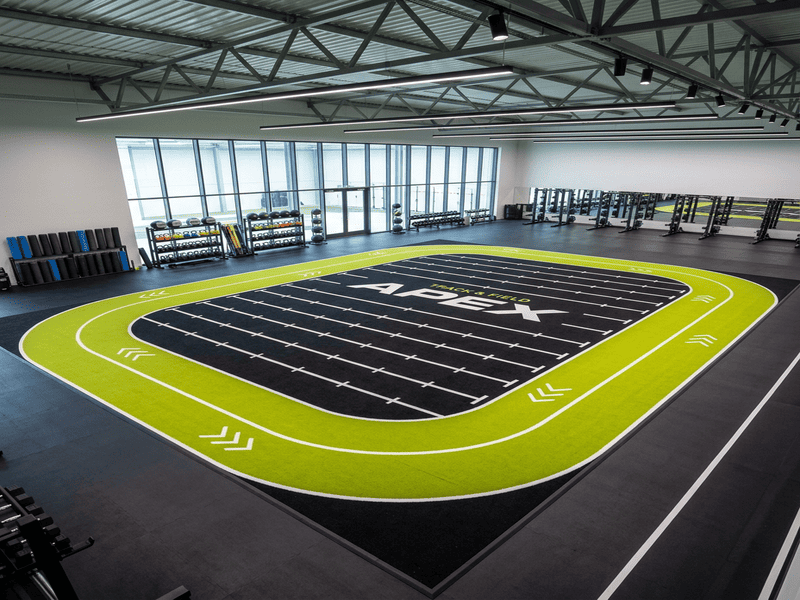
Mengikuti langkah-langkah ini memastikan Anda tidak merusak lapisan rumput saat membersihkannya.
7. Memilih Bahan Pembersih yang Tepat?
Gunakan hanya pembersih dengan pH netral, khusus rumput, atau yang terdaftar di EPA. Hindari pemutih dan bahan kimia asam karena dapat membuat serat polietilena rapuh dan menyebabkan rumput "luruh" seiring waktu.
Saya telah melihat banyak pemilik gym yang merusak lantai mereka dengan pemutih. Pemutih terlalu keras untuk benang sintetis. Pemutih akan merusak ikatan molekul dalam plastik. Hal ini membuat "bilah" rumput putus. Selalu cari pembersih enzimatik. Pembersih ini "hijau" dan aman untuk kontak dengan kulit. Karena para member melakukan burpe dan peregangan di lantai ini, Anda menginginkan pembersih yang tidak beracun. Selain itu, pastikan disinfektan Anda terdaftar di EPA untuk membunuh MRSA dan Staph. Ini adalah satu-satunya cara untuk membuktikan bahwa gym Anda aman untuk pemeriksaan kesehatan. Pembersih yang "aman" melindungi orang dan produk.
| Jenis Pembersih | Rekomendasi | Alasan |
|---|---|---|
| Pemutih | JANGAN PERNAH DIGUNAKAN | Menghancurkan serat plastik |
| Cuka / Asam | MENGHINDARI | Dapat merusak bagian belakang rumput |
| Pembersih Enzim | DIREKOMENDASIKAN | Menghilangkan bau secara alami |
| Disinfektan EPA | DIREKOMENDASIKAN | Membunuh patogen berbahaya |
Bahan kimia yang tepat memastikan rumput Anda tetap lembut dan tahan lama selama bertahun-tahun.
8. Profesional vs. DIY: Mana yang Terbaik?
Pembersihan DIY lebih murah tetapi membutuhkan lebih banyak waktu dan memiliki daya yang lebih rendah. Pembersihan profesional menawarkan ekstraksi kelas industri dan log keselamatan terdokumentasi, yang lebih baik untuk ruang komersial dengan lalu lintas tinggi.
Jika Anda memiliki studio kecil, Anda dapat membeli mesin pembersih rumput kecil. Ini adalah cara yang baik untuk menghemat uang. Tapi Anda harus menyimpan mesin dan melatih staf Anda. Untuk gym besar, saya selalu menyarankan layanan pro. Mereka menggunakan sistem yang dipasang di truk. Sistem ini memiliki daya hisap dan panas yang jauh lebih tinggi daripada unit portabel. Mereka juga memberi Anda sertifikat pembersihan. Anda bisa menunjukkannya kepada perusahaan asuransi Anda atau menggunakannya dalam pemasaran Anda untuk menunjukkan kepada para anggota seberapa bersihnya Anda. Menurut pengalaman saya, hasil dari mesin profesional bertahan lebih lama karena mereka menghilangkan lebih banyak kotoran yang dalam.
| Fitur | Pembersihan DIY | Layanan Profesional |
|---|---|---|
| Biaya | Lebih rendah (Pembelian peralatan) | Lebih tinggi (Biaya layanan) |
| Daya | Sedang | Industri / Tinggi |
| Catatan | Log manual | Sertifikat Resmi |
| Waktu | Jam kerja staf | Total 2-4 jam |
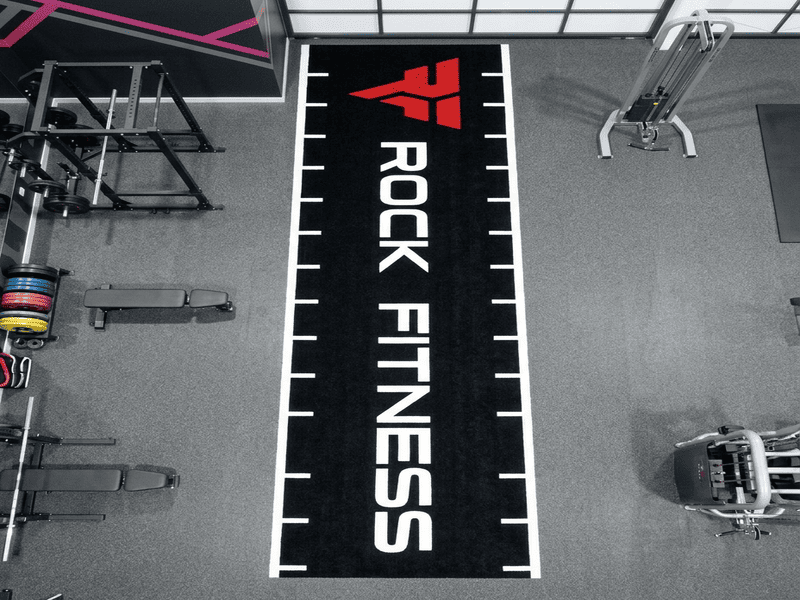
Pilih metode yang sesuai dengan anggaran Anda, tetapi jangan pernah melewatkan pembersihan itu sendiri.
9. Kesimpulan
Deep clean setiap bulan untuk lalu lintas tinggi atau setiap tiga bulan untuk gym butik untuk menghemat uang dan memastikan keamanan.
Jika Anda adalah pemilik gym atau manajer fasilitas yang ingin meningkatkan kualitas rumput Anda atau membutuhkan saran teknis lebih lanjut tentang memilih bahan yang tepat untuk tingkat lalu lintas spesifik Anda, jangan ragu untuk mengirimi saya pesan pribadi.