


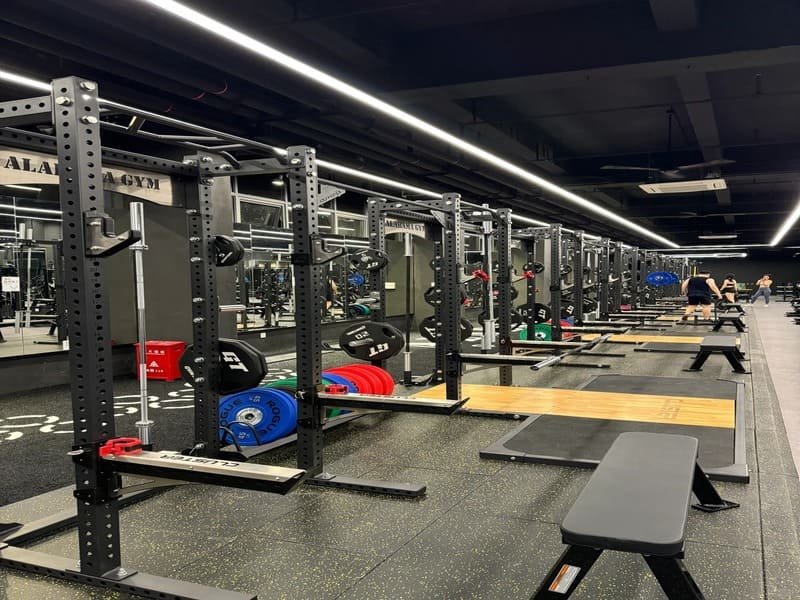
Bahan kimia yang keras seperti pemutih, pembersih berbasis asam, dan pelarut minyak bumi merusak lantai karet dengan melarutkan pengikat poliuretan. Hal ini menyebabkan keretakan, pembengkakan, dan keruntuhan. Menggunakan pembersih dengan pH netral adalah satu-satunya cara untuk memastikan integritas struktural jangka panjang dan keamanan matras gym Anda.
Lantai karet dibuat untuk menahan benturan berat dari beban yang dijatuhkan, tetapi sensitif secara kimiawi. Sebagian besar lantai gym terdiri dari butiran SBR (Styrene-Butadiene Rubber) yang disatukan oleh bahan pengikat poliuretan. Pengikat ini adalah target utama dari bahan pembersih yang tidak tepat. Ketika bahan kimia agresif digunakan, bahan kimia tersebut akan menembus permukaan berpori dari karet dan memicu reaksi yang memecah rantai polimer lem. Hal ini menghasilkan lantai yang terlihat bersih di permukaan namun secara fisik mengalami kerusakan di bawahnya. Setelah ikatan kimiawi terganggu, kerusakan tidak dapat dipulihkan. Memahami kerentanan molekuler dari bahan-bahan ini adalah satu-satunya cara untuk mencegah tingginya biaya penggantian lantai secara total.
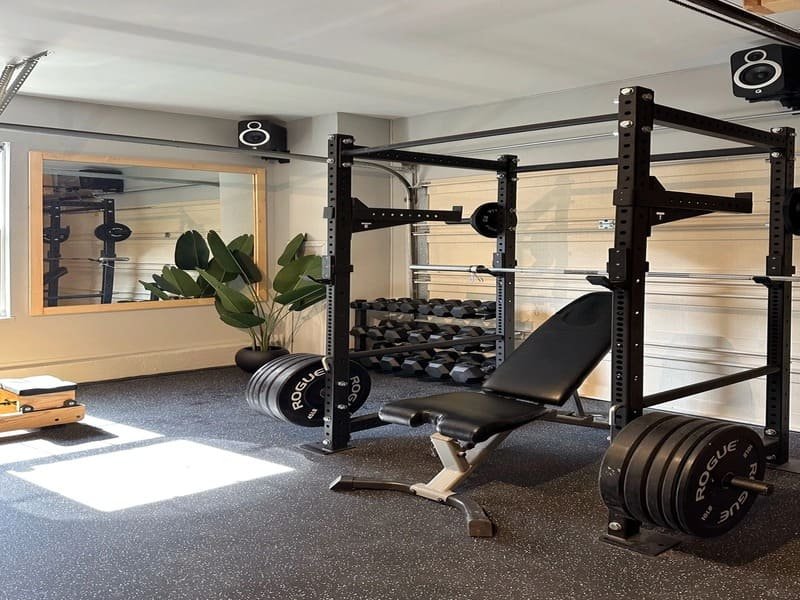
Degradasi sering terjadi secara bertahap selama beberapa bulan, sehingga sulit untuk dideteksi sampai kerusakan struktural terlihat.
Mengapa lantai karet rentan terhadap pembersih rumah tangga pada umumnya?
Lantai karet rentan karena berpori dan bergantung pada pengikat kimia. Cairan merembes ke dalam celah mikroskopis, dan bahan kimia yang keras memecah lem poliuretan. Setelah pengikat gagal, butiran karet kehilangan sambungannya, menyebabkan lantai secara fisik hancur atau luruh seiring waktu.
Proses pembuatan yang melibatkan butiran yang ditekan dengan panas menghasilkan bahan yang padat namun berpori. Pori-pori ini berfungsi sebagai saluran yang menarik cairan jauh ke dalam matras melalui aksi kapiler. Ketika pembersih dengan tingkat pH yang ekstrim memasuki saluran ini, mereka tetap bersentuhan dengan bahan pengikat internal untuk waktu yang lama. Produk berbasis minyak bumi sangat berbahaya karena karet itu sendiri adalah hidrokarbon. Hal ini menyebabkan proses di mana pelarut mencoba untuk menyatu dengan karet, menyebabkan lantai mengembang dan melunak. Pembersih asam bekerja secara berbeda dengan mengikis tegangan permukaan dan menghilangkan lapisan pelindung yang diaplikasikan selama produksi, yang membuat bahan menjadi rapuh dan kering.
| Komponen Bahan | Interaksi dengan Bahan Kimia | Hasil Fisik Akhir |
|---|---|---|
| Pengikat Poliuretan | Sensitif terhadap pH tinggi/rendah | Penumpahan dan debu hitam |
| Butiran SBR | Larut dalam minyak bumi | Bengkak dan bengkok |
| Permukaan akhir | Terkikis oleh asam asetat | Memudar dan rapuh |
Interaksi ini menjelaskan mengapa lantai dapat tetap bersih secara estetika tanpa kehilangan kepadatan strukturalnya. Demikian pula, pemasangan yang tidak tepat metode pembersihan memperpendek umur rumput dengan mendegradasi serat sintetis dan dukungan di zona fungsional.
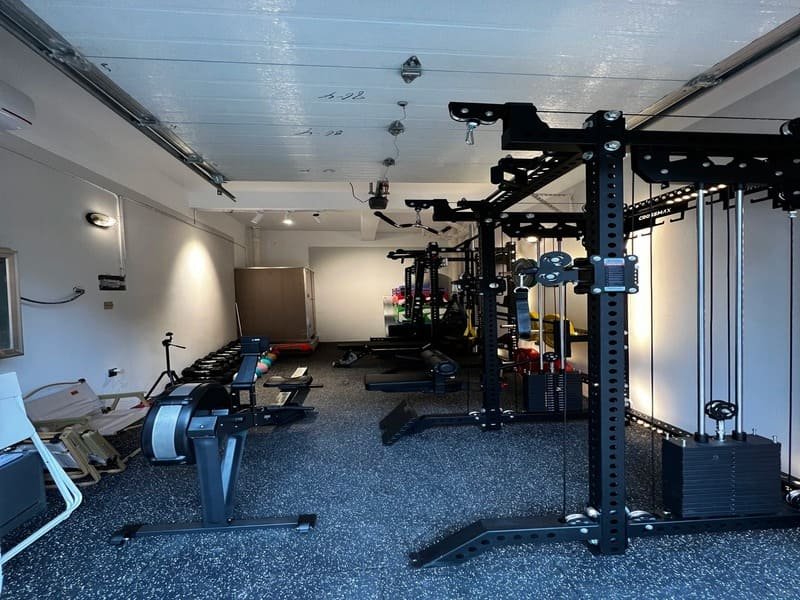
Mengidentifikasi bahan kimia tertentu dalam daftar yang dilarang adalah langkah pertama dalam menetapkan protokol perawatan yang berkelanjutan.
Bahan kimia spesifik apa saja yang masuk dalam "Daftar Hitam" untuk alas karet?
Bahan kimia yang merusak karet termasuk pemutih, cuka, pembersih berbahan dasar jeruk, dan pelarut yang berasal dari minyak bumi. Pemutih akan mengeringkan karet, cuka akan merusak lapisan permukaan, dan pelarut akan melarutkan lem. Hindari sabun berbahan dasar minyak karena akan meninggalkan lapisan licin yang berbahaya.
Pemutih adalah pengoksidasi kuat yang menghilangkan minyak esensial dari senyawa karet. Hal ini menyebabkan "pembusukan kering", di mana lantai kehilangan kelenturannya dan mulai retak karena tekanan. Cuka dan pembersih jeruk sering dianggap sebagai alternatif yang aman, tetapi sifat asamnya agresif terhadap pengikat poliuretan. Jika lantai terasa "lengket" bahkan setelah lantai kering, sering kali ini merupakan tanda bahwa pelarut mulai mencairkan pengikat permukaan. Selain itu, sabun berbahan dasar minyak meninggalkan residu yang menciptakan bahaya terpeleset dan jatuh yang signifikan. Residu ini juga berfungsi sebagai perekat debu dan sel kulit, yang secara efektif menjebak bakteri di dalam pori-pori lantai dan bukannya menghilangkannya.
Kompatibilitas dan Dampak Bahan Kimia
| Produk Umum | Bahan Aktif | Efek pada Karet |
|---|---|---|
| Pemutih Industri | Natrium Hipoklorit | Oksidasi permukaan dan uban |
| Cuka Rumah Tangga | Asam asetat | Tekstur yang rapuh dan hilangnya pengikat |
| Degreasers | Distilat Minyak Bumi | Pelunakan dan peleburan struktural |
| Sabun Berbahan Dasar Minyak | Minyak Organik | Lapisan film yang licin dan penumpukan kotoran |
Menggunakan produk ini mempercepat proses penuaan lantai, mengubah investasi sepuluh tahun menjadi kewajiban tiga tahun. Untuk meminimalkan emisi bahan kimia awal, banyak fasilitas memprioritaskan lantai karet rendah bau diproduksi dengan pengikat MDI berkualitas tinggi.
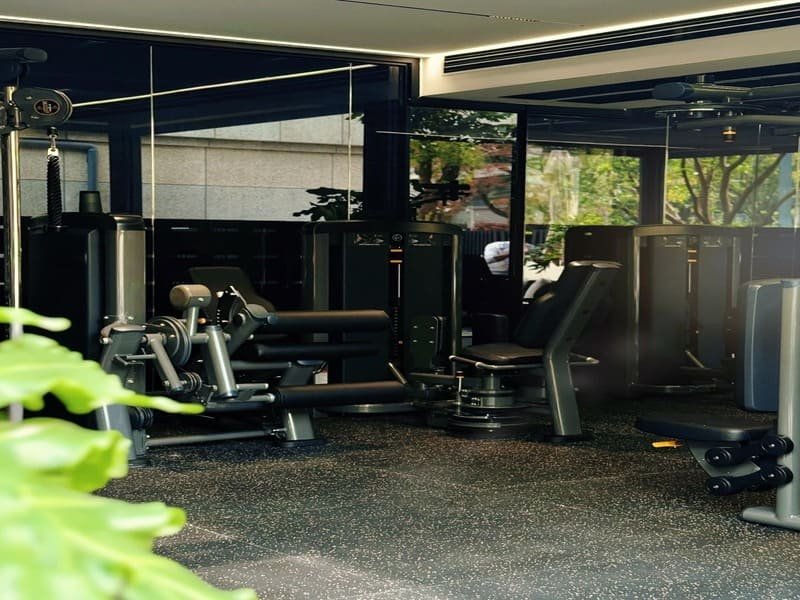
Pemilik harus secara teratur memeriksa lantai mereka untuk mengetahui tanda-tanda awal gangguan kimiawi agar dapat melakukan intervensi sebelum kerusakan total.
Bagaimana Anda dapat mengetahui apakah lantai gym Anda sedang dihancurkan?
Anda dapat mengidentifikasi kerusakan melalui empat tahap: memudar, lengket, rontok, dan melengkung. Jika lantai Anda meninggalkan residu hitam di tangan Anda atau terasa lengket bahkan setelah kering, pengikat kimiawi mengalami kerusakan. Pelengkungan fisik atau lengkungan pada sambungannya mengindikasikan kerusakan struktural total.
Tahap pertama pembusukan kimiawi biasanya berupa pemudaran visual. Warna hitam pekat berubah menjadi abu-abu kusam saat permukaan teroksidasi. Tahap kedua adalah "fase lengket", di mana lantai terasa lengket saat disentuh. Hal ini terjadi ketika bahan pengikat telah dilunakkan secara kimiawi dan mulai berpindah ke permukaan. Salah satu tanda yang paling kritis adalah "kerontokan". Jika Anda menemukan partikel berpasir hitam menumpuk di dekat dinding, lantai benar-benar berantakan. Akhirnya, tegangan internal karet berubah karena pembengkakan kimiawi, menyebabkan keset mengembang. Hal ini menyebabkan lapisan yang "memuncak" atau tepi yang menggulung, menciptakan bahaya tersandung yang tidak dapat diperbaiki hanya dengan membersihkannya saja.
Daftar Periksa Evaluasi untuk Kesehatan Lantai
- Uji Penghapusan: Gosokkan kain putih pada lantai. Residu hitam menunjukkan kegagalan pengikat.
- Tes Sentuhan: Jika lantai terasa lengket atau lengket saat kering, berarti pengikatnya meleleh.
- Inspeksi Jahitan: Carilah celah atau tepi yang meninggi yang menunjukkan pemuaian material.
- Uji Kelenturan: Karet yang sehat bersifat fleksibel. Jika ada bagian kecil yang mudah patah, berarti karet tersebut mengalami pembusukan kering.
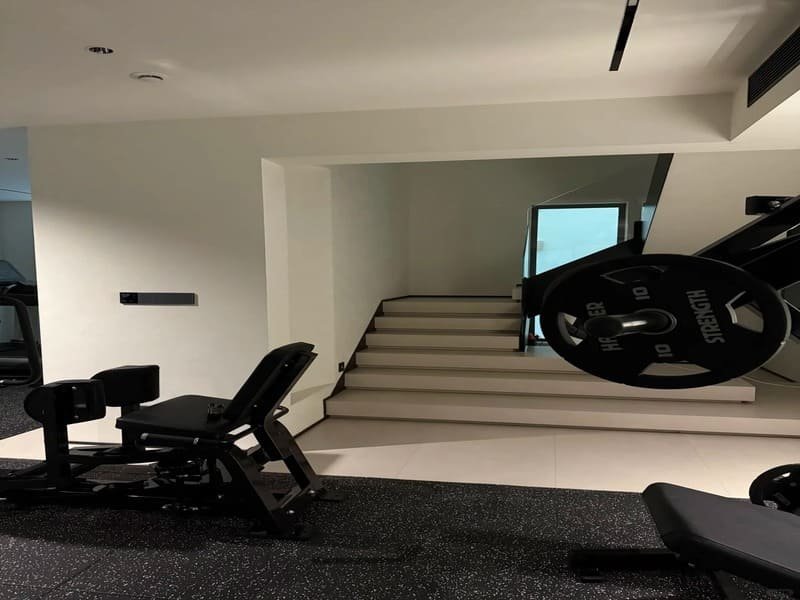
Beralih ke protokol pembersihan yang aman adalah satu-satunya cara untuk menstabilkan lantai yang mulai menunjukkan gejala-gejala ini.
Apa metode pembersihan yang paling aman untuk lantai gym karet?
Metode yang paling aman adalah menggunakan pembersih pH netral yang diformulasikan khusus untuk karet, dikombinasikan dengan kain pel mikrofiber. Gunakan penyedot debu tanpa batang pemukul untuk membersihkan kotoran terlebih dahulu. Selalu ikuti rasio pengenceran yang ketat, karena terlalu banyak sabun akan menciptakan lapisan yang membuat lantai kusam dan memerangkap kotoran.
Tujuan dari perawatan adalah untuk menghilangkan kontaminan tanpa mengubah keseimbangan kimiawi lantai. Pembersih dengan pH netral (pH 7.0) memastikan bahwa tidak ada reaksi asam atau basa dengan pengikat poliuretan. Saat mengepel, penting untuk menghindari kejenuhan yang berlebihan. Air yang berlebihan dapat mengendap di lapisan dan mencapai perekat subfloor, yang menyebabkan gerakan keset. Alat pel mikrofiber adalah alat yang lebih disukai karena membutuhkan lebih sedikit kelembapan dan memberikan agitasi mekanis yang lebih baik untuk mengangkat keringat dan kapur dari pori-pori. Untuk ruang komersial, pembersih otomatis dengan sikat nilon lembut direkomendasikan untuk pembersihan mendalam yang tidak mengikis permukaan.
Protokol Pemeliharaan Profesional
| Langkah | Alat | Mengapa Penting |
|---|---|---|
| 1. Penghapusan Puing-puing | Vakum khusus penyedotan | Mencegah goresan dari batang pemukul |
| 2. Persiapan Solusi | Deterjen pH-Netral | Melindungi stabilitas kimiawi pengikat |
| 3. Mengepel | Kain Pel Datar Microfiber | Mencegah air membanjiri jahitan |
| 4. Pengeringan | Aliran Udara Alami | Memastikan tidak ada residu bahan kimia yang terperangkap |
Kepatuhan yang konsisten terhadap langkah-langkah ini akan menjaga penyerapan guncangan dan kualitas estetika lantai selama masa pakainya.
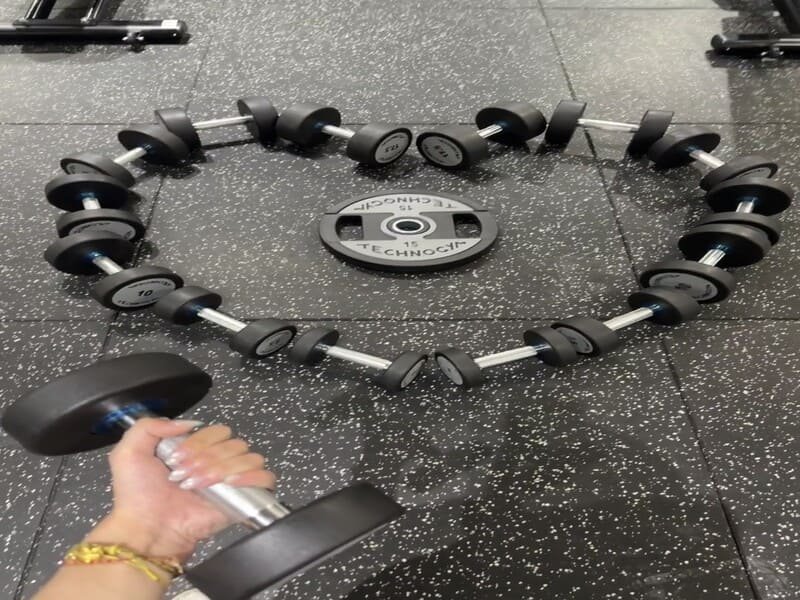
Melindungi investasi Anda membutuhkan komitmen untuk menggunakan bahan kimia yang tepat untuk bahan khusus.
Kesimpulan
Melindungi lantai karet memerlukan penghindaran dari asam, pemutih, dan pelarut serta menggunakan pembersih dengan pH netral dan alat mikrofiber untuk menjaga integritas struktur.
Jika Anda tidak yakin apakah bahan pembersih Anda saat ini aman atau jika Anda memerlukan penilaian teknis terhadap lantai fasilitas Anda, silakan kirimkan pesan pribadi kepada saya untuk mendapatkan panduan profesional.