


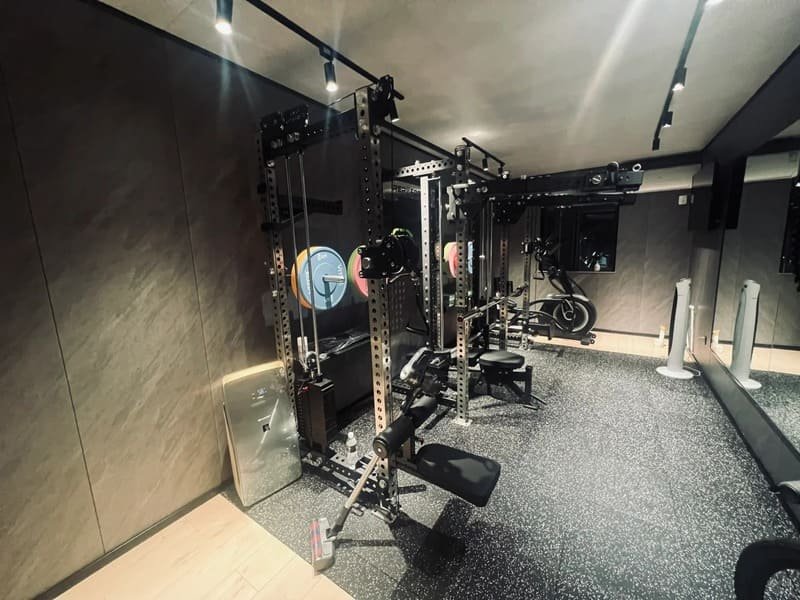
Kombinasi spesifik antara kepadatan dan kekerasan menentukan apakah lantai Anda melindungi lantai dasar atau justru meretakkannya, dan apakah beban Anda membantu Anda mencapai PR atau menyebabkan cedera. Memahami metrik ini adalah satu-satunya cara untuk membangun fasilitas yang aman dan berkinerja tinggi.
Kebanyakan pemilik gym terpaku pada estetika atau harga per kaki persegi, mengabaikan fisika di dalam karet. Sebagai spesialis manufaktur, saya melihat konsekuensinya setiap hari: beton retak akibat matras yang "licin" dan cedera sendi akibat platform yang tidak stabil. Panduan ini mengupas tuntas pemasaran untuk memberi Anda data tingkat teknik yang Anda butuhkan.
⚡ TL; DR - Jawaban Cepat untuk Pembeli yang Sibuk
Jika Anda tidak punya waktu untuk mempelajari fisika, berikut ini adalah lembar sontekannya:
- Untuk Angkat Berat (Squat/Deadlift): Anda perlu Kekerasan Pantai Tinggi (70-75A) untuk stabilitas. Lantai yang empuk akan mengurangi transfer daya.
- Untuk Kontrol Kebisingan: Kekerasan tidak membantu di sini. Anda perlu kepadatan berlapis untuk memblokir suara dan "memisahkan" getaran.
- Untuk Perlindungan Subfloor: Ketebalan saja adalah jebakan. Alas yang tebal namun dengan kepadatan rendah akan membuat beton Anda menjadi tidak stabil dan retak.
- Home Gym: Memprioritaskan decoupling dengan kepadatan lebih rendah (dasar wafel) untuk menyelamatkan hubungan Anda dengan tetangga.
Aturan Emas: Kepadatan melindungi struktur bangunan Anda. Kekerasan Pantai melindungi sendi dan kinerja tubuh Anda.
1. Apa Arti Sebenarnya dari Angka "Kepadatan" dan "Kekerasan Pantai"?
Kepadatan mengacu pada seberapa rapat bahan karet (massa per volume), sedangkan Shore Hardness mengukur seberapa tahan permukaan terhadap lekukan. Kepadatan yang tinggi tidak selalu menjamin kekerasan yang tinggi.
Di pabrik, kami memperlakukannya sebagai dua variabel yang berbeda.
Kepadatan Karet adalah massa per satuan volume (kg/m³). Bayangkan sebuah spons dibandingkan dengan ban mobil. Spons memiliki kepadatan rendah (penuh dengan udara); ban memiliki kepadatan tinggi (padat).
- Kepadatan Rendah (<900 kg/m³): Berpori. Menyerap keringat dan bakteri. Rawan hancur.
Kepadatan Tinggi (>1000 kg/m³): Tidak berpori. Menolak air. Tahan sobek. (Untuk memahami mengapa metrik ini menjadikan solusi kepadatan tinggi lebih unggul untuk fasilitas profesional, jelajahi panduan kami di Mengapa Karet Kepadatan Tinggi adalah Lantai Gym Terbaik).
Kekerasan Pantai (Durometer) diukur pada Skala Pantai A. Ini memberi tahu Anda bagaimana lantai merasa.
- 40-50 Pantai A: Penghapus yang lembut.
- 60-65 Pantai A: Lantai gym komersial standar.
- 70-80 Pantai A: Kaku (seperti ban mobil). Ideal untuk beban berat.
- 90+ Pantai A: Kesan plastik yang keras (seperti bola bowling).
🧠 Rekayasa Bawa Pulang:
Jangan berasumsi "Berat = Keras". Anda bisa memiliki matras yang berat dan berdensitas tinggi yang masih fleksibel. Selalu periksa kedua spesifikasinya.
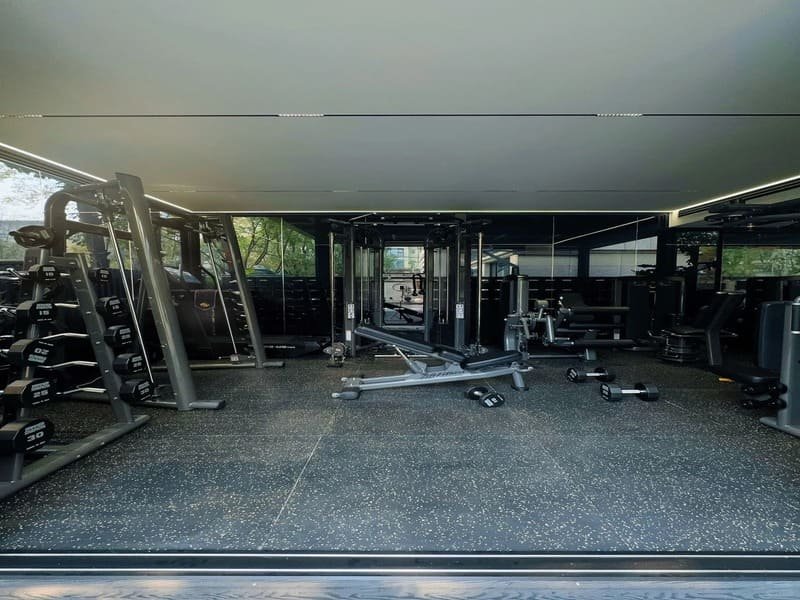
2. Bagaimana Spesifikasi Ini Berdampak pada Stabilitas dan Akustik Lantai?
Kekerasan (Shore A) menentukan stabilitas dan transfer energi untuk pengangkatan, sedangkan Densitas mengatur penyerapan guncangan dan isolasi suara.
Stabilitas: Faktor Hukum Ketiga Newton
Ketika Anda jongkok dengan berat, Anda mengandalkan Hukum Ketiga Newton: Anda mendorong gaya ke lantai, dan lantai mendorong gaya kembali.
- Kekerasan Rendah (Lembut): Lantai mengompres. Lantai menyerap energi yang Anda maksudkan untuk bar. Anda mengangkat di atas "pasir". Hal ini menciptakan ketidakstabilan mikro di pergelangan kaki dan lutut Anda.
- Kekerasan Tinggi (Kaku): Lantai menolak. Energi ditransfer secara efisien ke lift.
Akustik: Faktor Hukum Massa
Untuk menghentikan kebisingan, Anda membutuhkan massa (Densitas). Untuk menghentikan getaran, Anda memerlukan decoupling (Celah Udara/Lembut).
- Untuk Kebisingan di Udara (Berbicara/Musik): Kepadatan Tinggi memblokirnya.
- Untuk Kebisingan Dampak (Menjatuhkan Beban): Anda memerlukan sistem dua lapisan. Lapisan bawah dengan kepadatan lebih rendah berfungsi sebagai pegas, sementara lapisan atas dengan kepadatan tinggi memberikan daya tahan.
| Properti | Dampak pada Pengangkatan | Dampak pada Akustik | Spesifikasi Ideal |
|---|---|---|---|
| Kekerasan Pantai Tinggi (70+) | Stabilitas Maks | "Tamparan" yang lebih keras | Rak / Platform Jongkok |
| Kekerasan Pantai Rendah (<60) | Kehilangan Energi | Meredam Suara | Plyometrics / Yoga |
| Kepadatan Tinggi (>1000 kg/m³) | Daya tahan | Memblokir Kebisingan | Perlindungan Lapisan Atas / Subfloor |
🧠 Rekayasa Bawa Pulang:
Lantai keras mentransfer gaya secara efisien (bagus untuk mengangkat) tetapi juga mentransfer suara secara efisien (buruk untuk tetangga). Anda tidak bisa mendapatkan stabilitas maksimal dan kesenyapan maksimal dari satu lapisan karet.
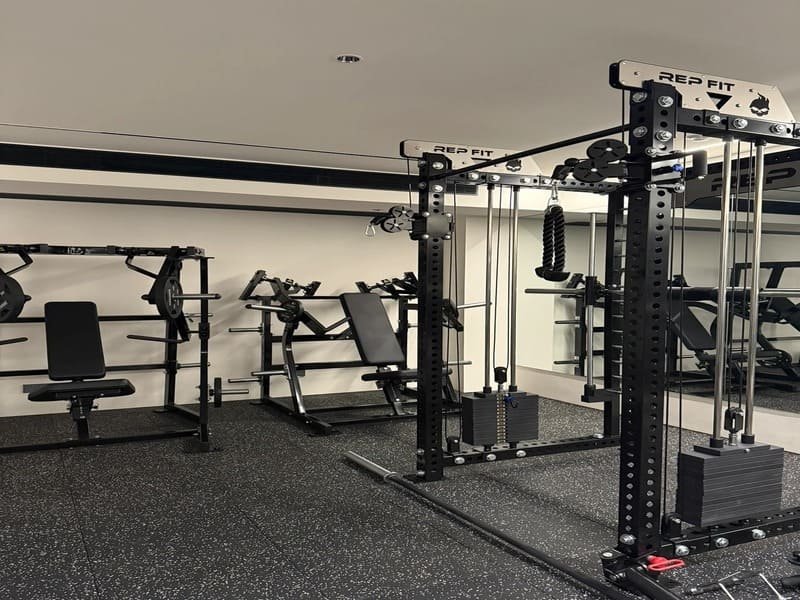
3. Bagaimana Kepadatan dan Kekerasan Mempengaruhi Pelat Bumper?
Kekerasan menentukan "pantulan" (keamanan), sedangkan kepadatan menentukan ketebalan (kapasitas beban).
Ini adalah Hukum Hooke beraksi. Ketika piring menyentuh lantai, elastisitas menentukan pantulan.
Faktor "Pantulan" (Kekerasan Pantai)
- Pelat Kompetisi (90+ Pantai A): Sangat keras. "Dead Bounce." Palang menyentuh dan tetap di tempatnya. Lebih aman untuk pengangkat (tidak ada cedera pantulan).
- Pelat Hi-Temp/Piring Remah (70-80 Shore A): Lebih lembut. Pantulan tinggi. Lebih aman untuk lantai (menyebarkan energi), tetapi bar dapat memantul secara tidak terduga.
Faktor Ketebalan (Kepadatan)
Manufaktur dengan densitas tinggi memungkinkan kami membuat pelat yang lebih tipis.
- Kepadatan Tinggi: Anda dapat memuat beban 700lbs+ pada sebuah bar.
- Kepadatan Rendah (Remah): Tebal dan besar. Anda kehabisan ruang lengan dengan berat ~400lbs.
🧠 Rekayasa Bawa Pulang:
Pilih Kekerasan berdasarkan preferensi pantulan Anda (Mati vs. Memantul). Pilih Kepadatan berdasarkan berapa banyak beban yang Anda butuhkan untuk muat di bar.
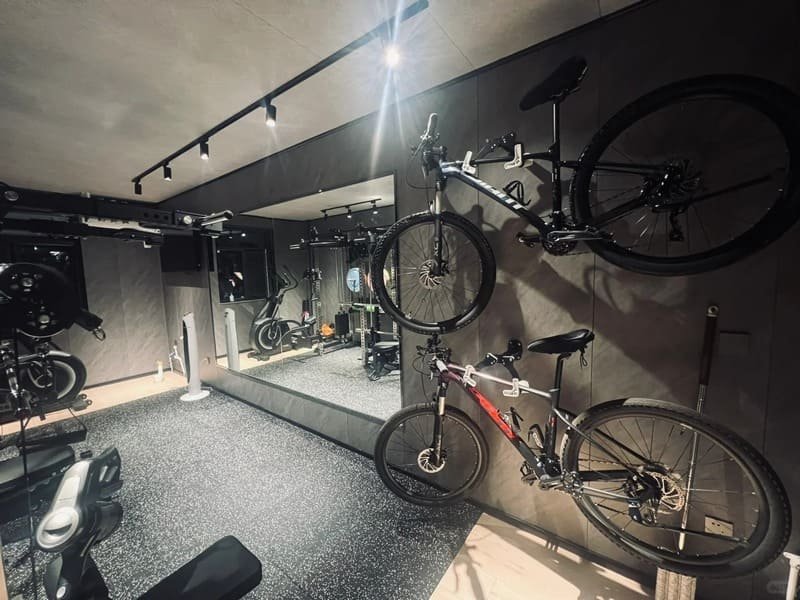
4. Panduan Pembelian Berbasis Skenario: Apa yang ANDA Butuhkan?
Gaya pelatihan yang berbeda membutuhkan spesifikasi yang bertentangan. Mengidentifikasi "User Persona" Anda dapat mencegah penyesalan pembeli.
Skenario A: Sang Pengangkat Beban
Prioritas: Stabilitas & Beban Maks.
- Lantai: Kepadatan Tinggi, Kekerasan Pantai Tinggi (70-75A). Anda membutuhkan rasa seperti beton yang melindungi beton yang sebenarnya.
- Piring: Baja Terkalibrasi atau Karet dengan Kekerasan Tinggi (Pantulan Mati).
Skenario B: Sang CrossFitter
Prioritas: Keserbagunaan & Daya Tahan.
- Lantai: Kepadatan Sedang (60-65 Shore A). Keseimbangan yang baik untuk mengangkat dan lompat kotak.
- Piring: Hi-Temp / Remah. Tahan terhadap ribuan tetes, bahkan pada permukaan yang kasar.
Skenario C: Gym di Rumah (Apartemen)
Prioritas: Pengurangan Kebisingan.
- Lantai: Ubin tebal dengan kepadatan lebih rendah (sering kali dengan bagian bawah "wafel") untuk memecah gelombang suara.
- Piring: Karet Remah Lembut. Mereka "berdebum" daripada "berdecit".
5. PERTANYAAN YANG SERING DIAJUKAN: Kesalahpahaman Umum
"Apakah lantai yang lebih tebal selalu lebih baik?"
Tidak. Matras busa dengan kepadatan rendah 20mm menawarkan kurang perlindungan subfloor dibandingkan dengan alas vulkanisir berdensitas tinggi 8mm. Busa akan "turun" seketika di bawah tetesan air, mentransfer guncangan ke beton. Kepadatan memberikan daya pengereman; ketebalan hanya memberikan jarak.
"Bisakah saya menggunakan tikar kandang kuda?"
Bisa saja, tetapi berhati-hatilah. Meskipun memiliki kekerasan yang baik (70+ Shore A), mereka menggunakan pengikat belerang dengan tingkat yang lebih rendah. Hal ini menghasilkan bau "telur busuk" menyengat yang dapat bertahan di dalam ruangan selama berbulan-bulan. Lantai profesional diformulasikan agar rendah VOC dan tidak berbau.
"Apakah karet daur ulang memiliki kepadatan yang berbeda dari karet murni?"
Ya. Karet murni (EPDM) divulkanisir secara kimiawi, menciptakan lembaran yang tidak berpori dan sangat padat. Karet daur ulang (SBR) direkatkan. Karet murni biasanya lebih padat dan lebih mudah dibersihkan, tetapi harganya jauh lebih mahal.
Kesimpulan
Karet bukan hanya sekadar karet.
- Melaju Lebih Keras (Pantai Tinggi A) untuk stabilitas pengangkatan berat dan keamanan pantulan mati.
- Lebih Lembut / Berlapis untuk kontrol akustik dan hubungan tetangga.
Jangan hanya melihat label harganya. Periksa lembar spesifikasi. Subfloor Anda-dan humas Anda-akan berterima kasih.
Biodata Penulis
Saya adalah Direktur Teknis untuk produsen lantai olahraga karet terkemuka. Saya menjembatani kesenjangan antara komposisi bahan kimia mentah dan aplikasi atletik di dunia nyata, membantu pemilik dan insinyur gym mengoptimalkan spesifikasi fasilitas mereka untuk keselamatan dan kinerja.
Bingung dengan spesifikasinya?
Tim saya dapat membantu Anda menghitung kepadatan dan kekerasan yang tepat yang diperlukan untuk lantai dasar dan gaya latihan unik fasilitas Anda. [Hubungi kami hari ini] untuk konsultasi teknis gratis atau kit sampel.